
The Economic Consequences of the Peace
  • 236
  • 0
  • 30
  • Reads 236
  • 0
  • Part 30
Completed, First published Mar 02, 2026

A creeping fog clings to the shattered remnants of empires, mirroring the ruinous calculations etched into every treaty line. This is not a history of battles won, but of debts accrued, of futures bartered away in gilded salons and shadowed counting houses. The air hangs thick with the scent of ash and regret, a chill seeping from the very stone of Versailles. Each paragraph feels like a slow excavation of a buried grief, uncovering the rot beneath the veneer of restoration. The narrative doesn't explode with violence, but unravels in the quiet decay of promises broken. It’s a story told in ledger books and whispered anxieties, a creeping dread that settles not in grand catacombs, but in the hollowed-out eyes of merchants and the tightening grip of creditors. A suffocating weight presses down, not of armies, but of unrealized loans and the spectral hunger of nations left to starve on the bones of their pride. The prose itself is a labyrinth of clauses and caveats, mirroring the intricate, suffocating web of obligations woven after the war. It's a world lit by the flickering gaslight of statistical tables, where every decimal point feels like a nail hammered into the coffin of stability. A subtle, pervasive despair permeates the text, the sense that even in the meticulous charting of consequence, the abyss stares back, indifferent to the logic of man. The true horror isn't found in the carnage of the guns, but in the cold, elegant precision with which hope is systematically dismantled, and the silence that follows.
Copyright: Public Domain
This license allows anyone to use your story for any purpose, including printing, selling, or adapting it into a film freely.
Recommended for you
37 Part
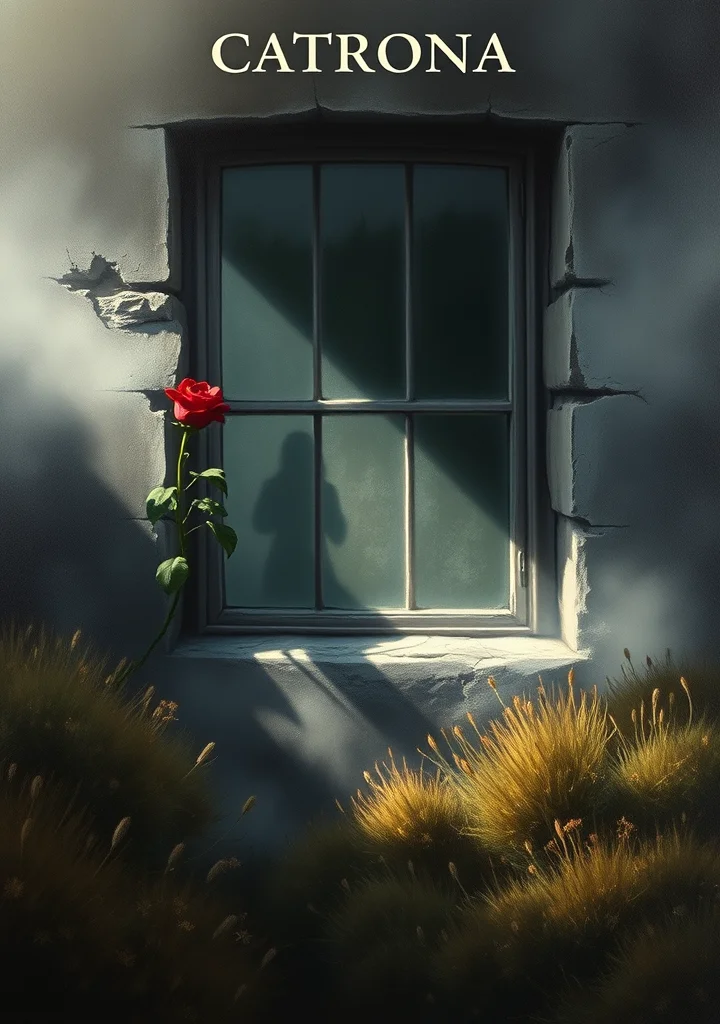
A creeping dread clings to the Scottish Highlands, mirroring the fever-dream delirium of Francis North. Though ostensibly a tale of pursuit and capture following the shadow of *Kidnapped*, *Catriona* descends into a suffocating claustrophobia born not of chains, but of circumstance. The air is thick with the salt-tang of betrayal and the damp rot of ancient grudges. Every stone cottage, every heather-choked glen, seems to whisper with the unseen presence of Allan’s relentless pursuit, a phantom menace woven into the very fabric of the landscape. Catriona’s fragile virtue is a flickering candle in a storm of barbarity, her fate shadowed by the brutal logic of clan feuds and the cold calculation of men who trade in lives like livestock. The narrative unfolds in a perpetual twilight—a world rendered through feverish eyes and the distorted reflections of borrowed light. The castle of Allan’s uncle is a skeletal prison, its walls echoing with the hollow sounds of despair. Confined within its crumbling grandeur, the characters are consumed by a desperate, spiraling paranoia. Every act of kindness is tainted with suspicion, every shadowed corner holds the threat of violence. The story is less a chronicle of escape, and more a slow, suffocating descent into the labyrinthine heart of a world where honor is a forgotten currency and survival demands a complicity with darkness. The scent of peat smoke and blood hangs heavy in the air, clinging to the reader long after the last page is turned.
113 Part
Dust motes dance in the perpetual twilight of Gandersheim Abbey, where the echoes of chanted prayers cling to stone walls thick with centuries of silence. Within its shadowed scriptorium, a young novice, shadowed by visions and whispers, begins to transcribe the plays—not for performance, but for penance. Each line penned, each character sketched, bleeds into the fabric of her waking nightmares, mirroring the fractured history of the convent itself. The dramas are not tales of saints and salvation, but fractured accounts of forgotten queens, possessed by ambition and regret, their stories woven with the scent of damp earth and the taste of iron. The plays are not merely written, they *are* summoned—drawn from the decaying memories of the women who preceded her, each performance a spectral re-enactment within the novice’s mind. A creeping dread descends as she discovers the plays aren’t merely records of past performances, but keys to unlocking something far older, something tethered to the very foundations of the abbey. The lines blur between script and reality, between the living and the dead, until the novice finds herself not writing the plays, but *becoming* them, consumed by the echoing cries of queens dethroned and gods betrayed. The abbey itself breathes with a cold hunger, a silent audience to the unfolding horror as the novice’s hand trembles with the weight of forgotten sins and the chilling truth that the plays are not a lament for the past, but a prophecy of what is to come.
33 Part
Dust motes dance in the cavernous halls of the Charterhouse, mirroring the fractured ambitions of the Lombard nobility within. Parma, a city choked by political machinations and simmering resentments, breathes a stifling air of decay. This is a story steeped in the scent of old stone and the rustle of silk concealing daggers. A young nobleman, torn between the fervor of revolutionary ideals and the suffocating grip of aristocratic expectation, finds himself adrift in a labyrinth of inherited debts, simmering passions, and the ghosts of a forgotten war. The narrative unfolds not as a burst of action, but as a slow erosion – a creeping dampness that seeps into the foundations of fortune and love. Each betrayal is a chipped tile in a mosaic of regret, each alliance forged in the shadows casts a lengthening pall over the characters’ fates. A feverish, almost claustrophobic obsession with gambling and ambition drives men to gamble away their lives, their legacies, their very souls. The air hangs heavy with the weight of unfulfilled desires, the stifled cries of a generation caught between the ancien régime and the storm of modernity. It is a world where the grandest gestures of heroism are undercut by the petty squabbles of ego, where the most ardent love is poisoned by the insidious tendrils of social constraint. The Charterhouse itself becomes a character – a decaying monument to ambition, a tomb for wasted potential, a haunting echo of a world on the brink of collapse. The reader is not merely told a story, but drawn into the suffocating, perfumed darkness of a city and a man consumed by his own self-destruction.
34 Part
Dust motes dance in the perpetual twilight of Dutch drawing rooms, mirroring the spectral procession of memory. A grand tour, ostensibly undertaken for convalescence, unravels instead into a slow, suffocating unraveling of the soul. The air hangs thick with the scent of decaying grandeur, of inherited melancholia clinging to velvet curtains and polished mahogany. Each meticulously described city – Rome, Florence, Naples – isn’t a destination, but a layer of gauze drawn over a festering wound. The protagonist, adrift amongst Roman ruins and Venetian canals, isn’t discovering Italy, but the hollowness at the core of his own existence. A creeping unease permeates every encounter, a sense of being observed by ghosts of past desires and unspoken betrayals. Sunlight feels less like illumination and more like a cruel exposure of fragility. The narrative breathes with the damp chill of catacombs, the suffocating opulence of decaying palazzi. It’s a tour not of places, but of the exquisite, agonizing precision with which one man’s spirit is disassembled, leaving only the echoing emptiness of rooms once filled with laughter and now haunted by the ghosts of a lost aristocracy. The silence between conversations is more potent than any confession, the weight of unspoken truths pressing down like the stone archways of forgotten chapels. It is a journey into the labyrinth of a heart, paved with regret and lit by the flickering flame of a dying ember.
45 Part
A fog-choked New York winter yields not just snow, but a corpse—a wealthy lawyer found shot dead in his locked study, a single playing card, the queen of spades, resting upon his breast. The chill seeps into the grand brownstone of Leavenworth, a house steeped in secrets and shadowed by a family fractured by greed. A web of suspicion tightens around a cast of unsettlingly polite, yet subtly desperate characters: a grieving, yet strangely composed widow; a nephew burdened by debt and ambition; a stoic, watchful butler whose silence feels like a confession. The investigation unfolds not with brute force, but with a meticulous unraveling of domestic rituals, overheard whispers, and the delicate, deceptive language of inheritance. Every polished surface reflects a hidden motive, every shadowed corner a potential crime. The reader is drawn into a claustrophobic dance of deduction, guided by a shrewd, observant narrator who understands that the most damning evidence is often found not in what is said, but in what is *not*. The air hangs heavy with the scent of lilies and regret, the rhythmic tick of grandfather clocks marking the slow decay of trust. As the snow falls and the city darkens, the true horror isn’t the act of murder itself, but the insidious rot of family obligation and the chilling realization that even the most respectable facades conceal a darkness capable of swallowing a man whole. The Leavenworth Case is a study in how easily a life, and a fortune, can be extinguished within the suffocating elegance of a gilded age.