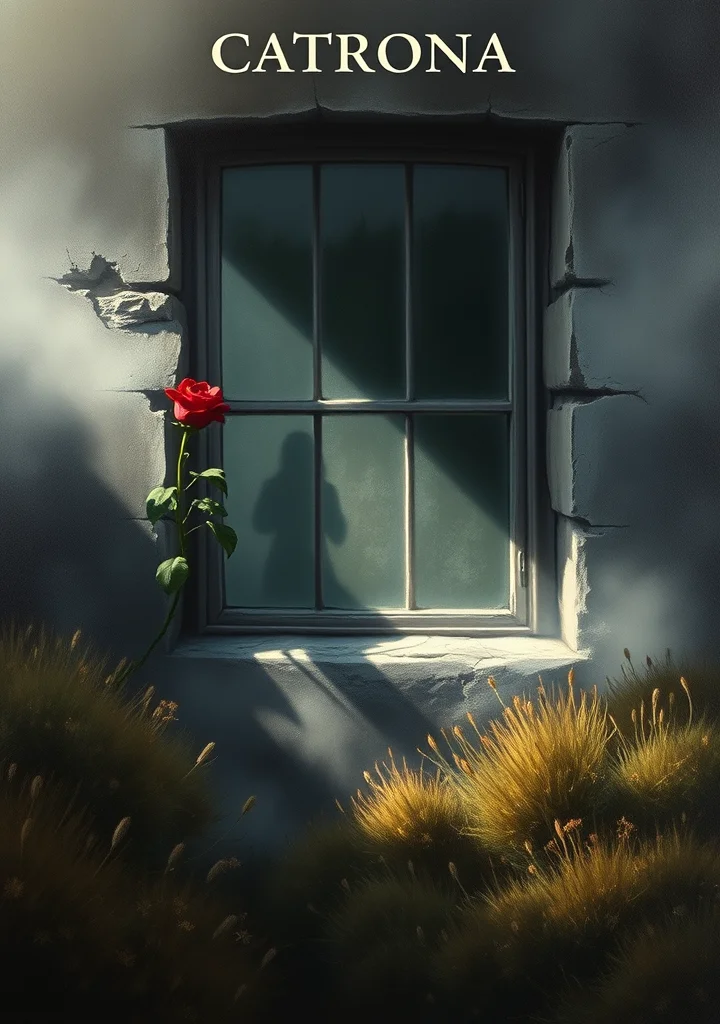

Catriona
  • 153
  • 0
  • 37
  • Reads 153
  • 0
  • Part 37
Completed, First published Mar 02, 2026

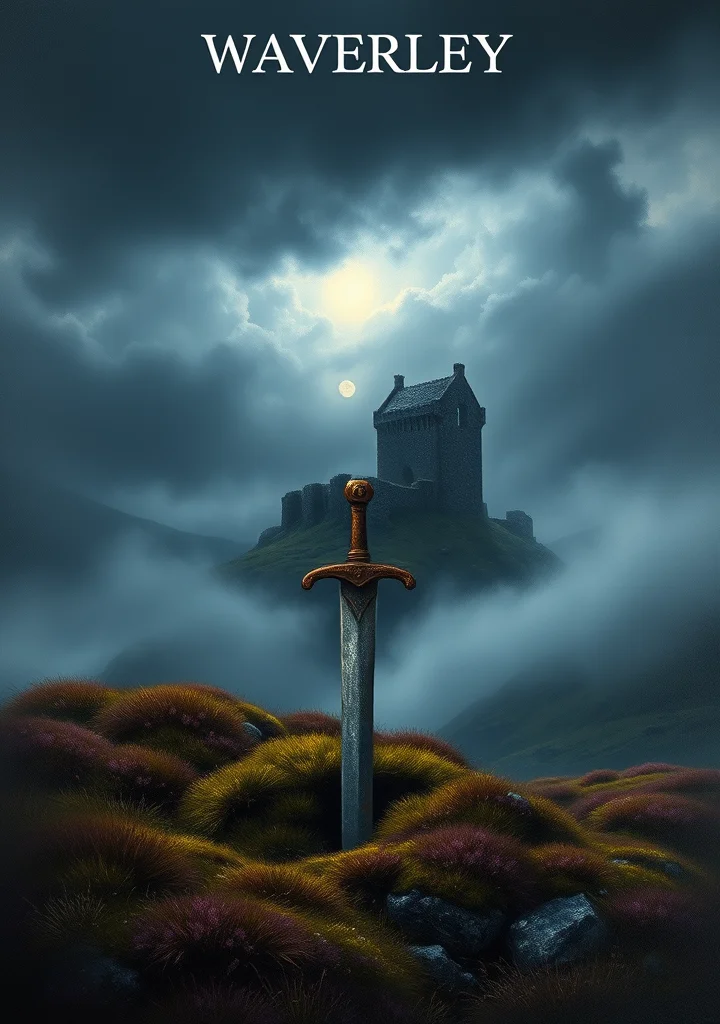
A creeping dread clings to the Scottish Highlands, mirroring the fever-dream delirium of Francis North. Though ostensibly a tale of pursuit and capture following the shadow of *Kidnapped*, *Catriona* descends into a suffocating claustrophobia born not of chains, but of circumstance. The air is thick with the salt-tang of betrayal and the damp rot of ancient grudges. Every stone cottage, every heather-choked glen, seems to whisper with the unseen presence of Allan’s relentless pursuit, a phantom menace woven into the very fabric of the landscape. Catriona’s fragile virtue is a flickering candle in a storm of barbarity, her fate shadowed by the brutal logic of clan feuds and the cold calculation of men who trade in lives like livestock. The narrative unfolds in a perpetual twilight—a world rendered through feverish eyes and the distorted reflections of borrowed light. The castle of Allan’s uncle is a skeletal prison, its walls echoing with the hollow sounds of despair. Confined within its crumbling grandeur, the characters are consumed by a desperate, spiraling paranoia. Every act of kindness is tainted with suspicion, every shadowed corner holds the threat of violence. The story is less a chronicle of escape, and more a slow, suffocating descent into the labyrinthine heart of a world where honor is a forgotten currency and survival demands a complicity with darkness. The scent of peat smoke and blood hangs heavy in the air, clinging to the reader long after the last page is turned.
Copyright: Public Domain
This license allows anyone to use your story for any purpose, including printing, selling, or adapting it into a film freely.
Recommended for you
35 Part
A creeping fog clings to the shadowed halls of intention, where the architecture of self is both built and dismantled by the relentless tide of experience. This is not a tale of monsters under the bed, but of the monstrous potential *within* the very marrow of becoming. Each chapter unfolds like a slow dissection of the will, revealing the damp, echoing chambers of habit and impulse. The narrative breathes with the chill of observation—a clinical study rendered in shades of gray, where the boundaries between observer and observed blur into a suffocating unity. There’s a pervasive dampness here, not of rain, but of the unacknowledged desires that bloom in the darkness of the psyche. The characters are less figures of flesh and blood than specimens pinned under glass, their struggles for autonomy shadowed by the inevitability of constraint. A sense of claustrophobia doesn't stem from physical confinement, but from the suffocating weight of expectation, the unseen pressures that mold the human form. The atmosphere is one of decaying idealism, a slow erosion of principle under the acid rain of consequence. One feels the weight of accumulated choices, the ghostly fingerprints of past selves clinging to every action. It’s a study of how easily the noble edifice of the mind can be undermined by the shifting sands of circumstance, leaving behind only the hollow shell of what *should* have been. The silence here is not peaceful, but pregnant with the unspoken justifications for every compromise, every surrender. A cold, sterile light illuminates the wreckage of unfulfilled potential.

35 Part
A creeping dread clings to the crumbling estates of the Rohmer estate, a legacy steeped in shadow and whispered blasphemies. The air hangs thick with the scent of decay and the cloying sweetness of night-blooming jasmine, mirroring the rot within the ancestral line. Here, amidst the suffocating grandeur of decaying manor houses and forgotten crypts, a lineage cursed by ancient pacts stirs. The narrative unfolds as a descent into a suffocating matriarchy—a dynasty of women who weave their power from the loam of the land, from the bones of their ancestors. Each generation births a witch-queen, her beauty a gilded cage concealing an iron will and a hunger that transcends mortality. A chilling wind howls through the skeletal branches of ancient oaks, carrying the screams of those who dared to cross the threshold of the Black Abbey—the heart of the Queen’s dominion. The shadows lengthen, twisting into monstrous shapes that writhe with the secrets of the family’s pact with the darkness. This is not a tale of mere witchcraft, but a chronicle of possession, of bodies and wills surrendered to a hunger that predates the stones themselves. It’s a suffocating atmosphere of inherited madness and the insidious corruption of bloodlines, where every kiss is a binding, every birth a sacrifice to the Queen's insatiable hunger. The very earth breathes with her malice, and the ancient stones weep with the sorrow of those consumed by her shadow. The narrative is a spiral into a darkness where the veil between worlds thins, and the boundaries between sanity and oblivion dissolve into a suffocating, sweet-rotted haze.
81 Part
A creeping dread clings to the manor houses and polished drawing rooms of mid-Victorian England, a chill that isn't merely seasonal. The Eustace Diamonds, glittering heirlooms passed down through generations, become less jewels and more spectral witnesses to a fractured lineage. Their fate mirrors the unraveling of young Lady Eustace Greystock, a woman whose beauty and desperation intertwine with the grasping ambitions of men circling like carrion birds. The narrative unfolds in shadowed parlors and echoing hallways, where whispered anxieties and concealed debts fester beneath a veneer of polite society. A suffocating politeness masks the ravenous hunger for wealth and status, a hunger that threatens to devour the very foundations of respectability. Each glittering facet of the diamonds reflects a distorted truth, illuminating the decaying moral landscape of a world obsessed with appearances. The air is thick with the scent of fading roses and unspoken resentments, a stifling fragrance that clings to the silk gowns and tailored coats of those entangled in the diamonds’ orbit. A slow, relentless pressure builds as the novel progresses, mirroring the tightening coils of a snare. The narrative doesn’t rush, but *persists* - like the slow drip of water eroding stone, or the insidious growth of mold within a forgotten crypt. It’s a story steeped in the gray morality of provincial life, where fortunes are won and lost on a whisper, and where the weight of expectation threatens to crush the fragile bloom of a woman’s ambition. The diamonds themselves become a curse, attracting shadows and breeding decay, a glittering symbol of the rot at the heart of a gilded age.