
Culture and Anarchy
  • 84
  • 0
  • 17
  • Reads 84
  • 0
  • Part 17
Completed, First published Mar 02, 2026

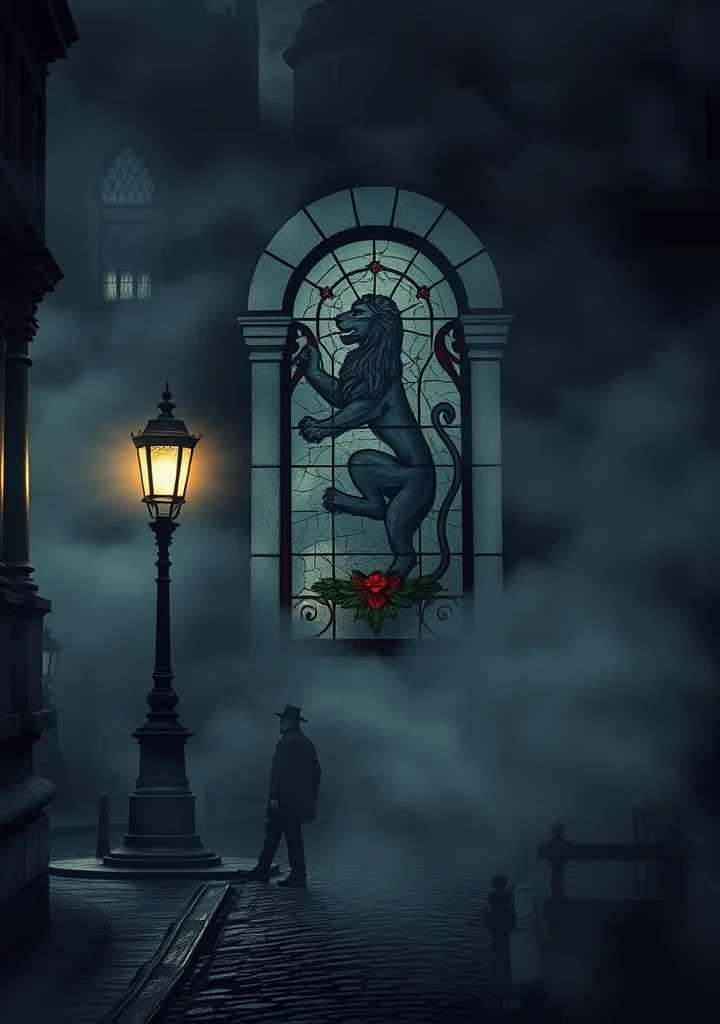
A creeping fog clings to the cobbled streets of Victorian England, mirroring the spiritual malaise that permeates the nation. Arnold’s narrative isn’t of ghosts and ghouls, but of a spectral emptiness within the very heart of progress. The air hangs thick with the scent of coal smoke and decaying moral codes, as a restless spirit – the very soul of England – wanders amidst the clamor of industry and the hollow echoes of faith. Each chapter unfolds like a darkened manor hallway, revealing shadowed figures arguing over the relics of a lost age. A pervasive sense of isolation chills the reader, not from physical distance, but from the widening gulf between the yearning for beauty and the brutal realities of a world obsessed with quantity. The prose itself is a slow, deliberate burn, mirroring the agonizing erosion of tradition. One feels not threatened by monsters, but suffocated by the weight of a nation losing its way, stumbling blindly toward a precipice veiled in the rhetoric of ‘freedom’ and ‘self-reliance.’ The book breathes with the suffocating claustrophobia of a society drowning in its own aspirations, where the cries for order are swallowed by the encroaching chaos. It’s a portrait of a soul fracturing under the weight of its own ambitions, a gothic lament for a civilization consumed by its own restless hunger.
Copyright: Public Domain
This license allows anyone to use your story for any purpose, including printing, selling, or adapting it into a film freely.
Recommended for you
13 Part
A creeping mist clings to the borders of the forgotten continent, where three men—Van, Terry, and Jeff—dare to venture into a realm whispered about only in the fever dreams of sailors. This is Herland, a land populated solely by women, born of an ancient, impossible isolation. But the silence is not peaceful. It’s a suffocating weight, pressing down on the explorers as they discover a society built not on conquest or domination, but on an unnervingly serene, biological perfection. The air itself tastes of fecundity and decay, a sweet rot blooming in the humid shadows of colossal, vine-choked trees. Each encounter with the Herland mothers—pale, luminous creatures with eyes that hold the weight of millennia—is a slow unraveling of the explorers’ masculine assumptions. The beauty is not inviting, but predatory, a hypnotic lure promising both salvation and annihilation. Walls of emerald moss hide crumbling structures, remnants of a civilization older than history, hinting at a terrible, organic evolution. The men’s desires—lust, ambition, the need to control—become grotesque caricatures reflected back at them in the unnervingly placid faces of their hosts. Herland isn’t a paradise; it’s a chrysalis, and the men are moths drawn to a flame that will consume them, remaking them into something alien and utterly, irrevocably *other*. The further they delve, the more the land breathes around them, a living entity testing, observing, and ultimately, *claiming* them for its own insidious purpose. It is a land not of monsters, but of a singular, terrifying grace.

58 Part
A creeping damp clings to the Wiltshire lanes, a stillness broken only by the sigh of unseen birds and the rustle of leaves under a bruised, autumnal sky. This is not a tale of grand horrors, but of a slow, insidious unraveling, witnessed through the eyes of a man adrift in the pastoral heart of England. The narrative breathes with the scent of decaying woodsmoke and the chill of morning mist, clinging to the hollows of ancient oaks. It’s a story of a man’s descent into a peculiar solitude, where the boundaries between the living world and the spectral realm thin with each passing dew-soaked hour. The world feels porous, permeable—a place where the ghosts of forgotten labourers linger in the fields, and the very soil seems to remember every footstep pressed into its yielding embrace. There’s a sense of something *watching* from the hedgerows, not malice exactly, but an ancient, weary awareness. The protagonist’s mind wanders, mirroring the labyrinthine paths of the woods, losing itself in reveries that bleed into unsettling visions. Sunlight, when it pierces the gloom, feels less like warmth and more like a cold, spectral illumination, revealing the bones beneath the beauty. The narrative doesn’t rush, but *seeps* into your consciousness like the damp that stains the stone walls of forgotten cottages. It’s a world where the everyday is haunted, where the simple act of walking a field path becomes a journey into the shadowed corners of the self, and where the dew-kissed morn promises not renewal, but a quiet, melancholic surrender to the encroaching stillness.