
Culture and Anarchy
  • 272
  • 0
  • 11
  • Read 272
  • 0
  • Part 11
Completed, First published Mar 02, 2026

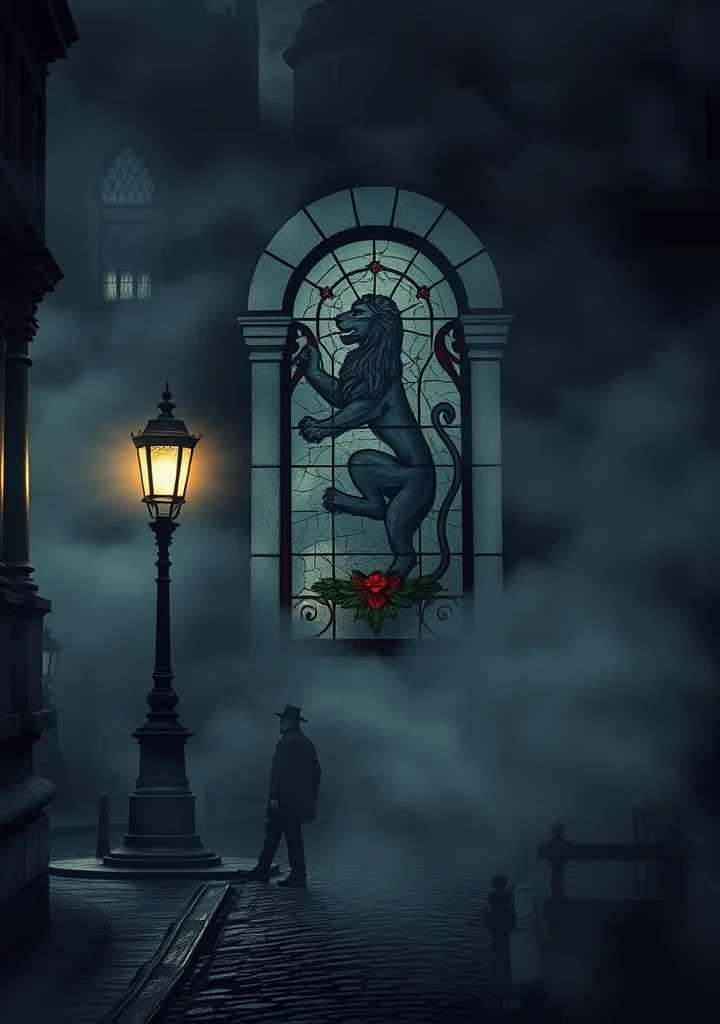
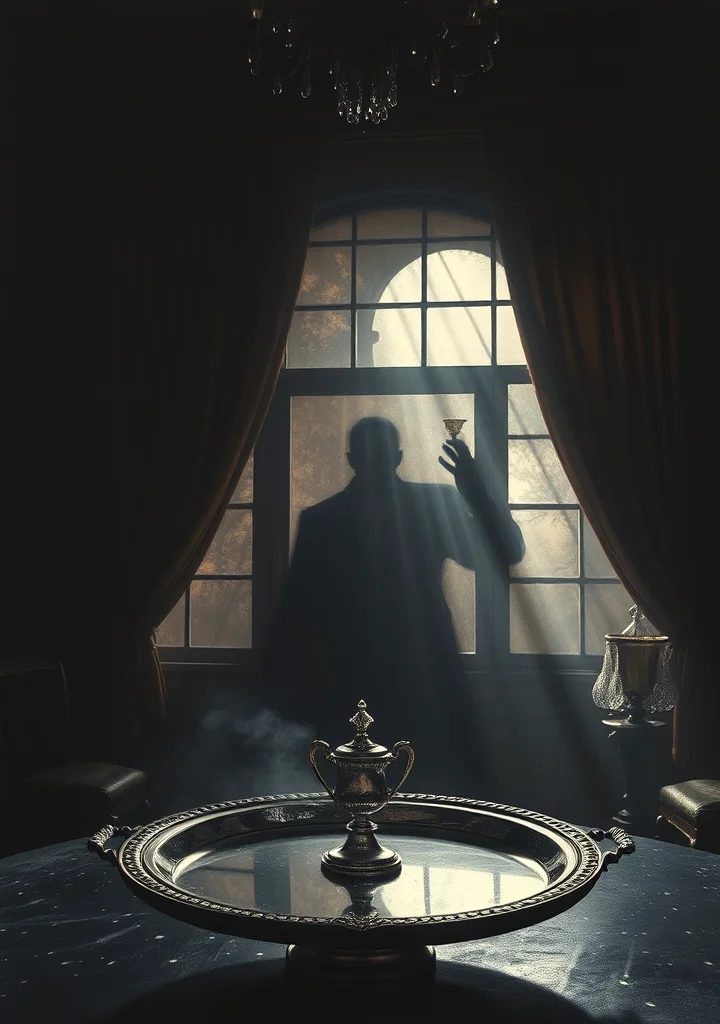
A creeping fog clings to the cobbled streets of Victorian England, mirroring the spiritual malaise that permeates the nation. Arnold’s narrative isn’t of ghosts and ghouls, but of a spectral emptiness within the very heart of progress. The air hangs thick with the scent of coal smoke and decaying moral codes, as a restless spirit – the very soul of England – wanders amidst the clamor of industry and the hollow echoes of faith. Each chapter unfolds like a darkened manor hallway, revealing shadowed figures arguing over the relics of a lost age. A pervasive sense of isolation chills the reader, not from physical distance, but from the widening gulf between the yearning for beauty and the brutal realities of a world obsessed with quantity. The prose itself is a slow, deliberate burn, mirroring the agonizing erosion of tradition. One feels not threatened by monsters, but suffocated by the weight of a nation losing its way, stumbling blindly toward a precipice veiled in the rhetoric of ‘freedom’ and ‘self-reliance.’ The book breathes with the suffocating claustrophobia of a society drowning in its own aspirations, where the cries for order are swallowed by the encroaching chaos. It’s a portrait of a soul fracturing under the weight of its own ambitions, a gothic lament for a civilization consumed by its own restless hunger.
Copyright: Public Domain
This license allows anyone to use your story for any purpose, including printing, selling, or adapting it into a film freely.
Recommended for you
35 Part
A creeping dread clings to the stone of the Wolfings’ hall, a northern keep haunted by the echoes of a forgotten lineage. Dust motes dance in the perpetual twilight of its shadowed chambers, each a phantom memory of strength and sorrow. The very air tastes of iron and decay, of a glory fading into the encroaching forest. Here, the last of a noble kin, Northmen forged in the crucible of ancient lore, find their heritage besieged not by raiding armies, but by a subtle, insidious rot—a loneliness that breeds despair, a creeping curse woven into the very fabric of the house. Days bleed into nights indistinguishable save for the flickering hearthlight revealing grotesque carvings of wolves and the faces of long-dead ancestors. A sense of isolation, of being watched by something cold and ancient within the walls, permeates every corner. The whispers of the past become tangible—a scent of woodsmoke and blood, a chilling touch on bare skin, a heartbeat echoing in the empty towers. The land itself seems to mourn alongside the Wolfings, the trees clawing at the sky like skeletal hands, the moor stretching out like a grey, undulating sea of forgotten gods. It is a place where the boundaries between the living world and the realm of shadow blur, where the weight of history crushes the spirit, and the heart grows stone within its chest. The house is not merely a structure, but a tomb breathing with the slow, ragged breaths of a dying race, and the wolf, both symbol and specter, waits patiently for its final claim.
10 Part
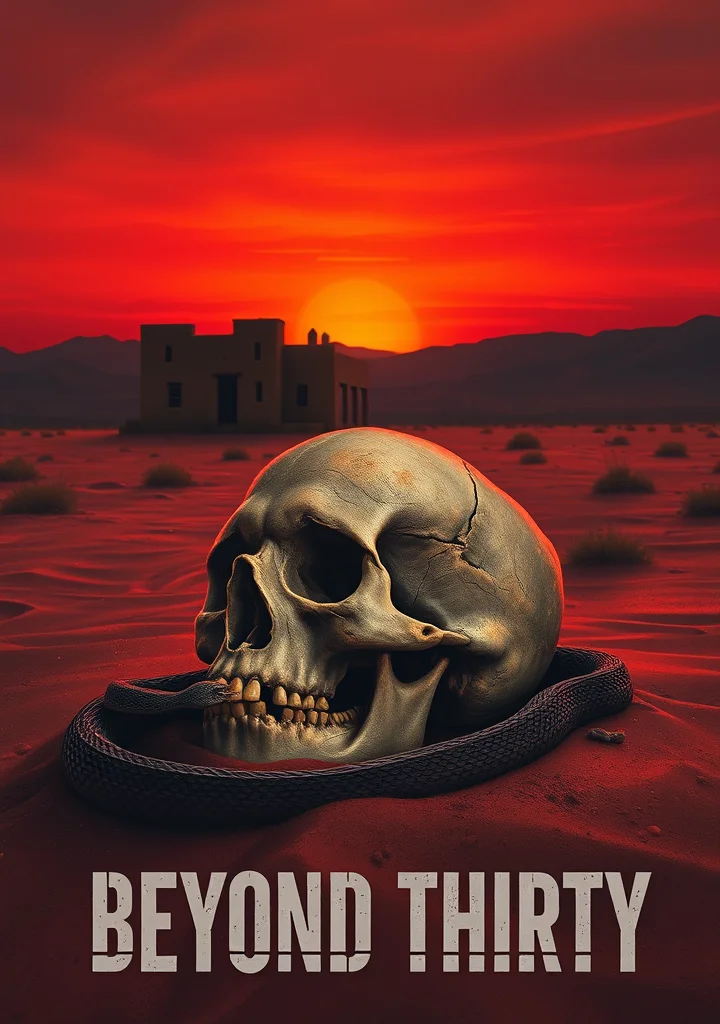
The air hangs thick with dust and the scent of decay, clinging to the crumbling adobe walls of the hacienda like a shroud. Beyond Thirty isn’t merely a place, but a threshold—a descent into a sun-bleached nightmare where the desert breathes secrets into the bones of the dead. Old Man Cregar, a spectral figure draped in shadows and regret, guards this desolate stretch of land with a fanatic’s zeal. He’s a shepherd of ghosts, they say, and his eyes hold the vacant stare of a man who’s stared too long into the abyss. The narrative unravels with the slow, agonizing crawl of a scorpion across sun-baked earth. Each chapter is a layer peeled back from a rot-ridden core, revealing a history of violence and avarice buried beneath the shifting sands. The land itself seems to conspire against sanity, warping the sun-scorched minds of men into instruments of cruelty. Whispers follow you in the canyons, shadows dance with the skeletons of forgotten dreams, and the very stones seem to weep with the memory of unspeakable acts. There’s a pervasive sense of being watched, of something ancient and predatory circling just beyond the periphery of vision. The sun bleeds across the horizon like a fresh wound, staining the landscape with a feverish crimson hue. It’s a place where madness blooms like a desert flower, beautiful and deadly, and where the boundaries between the living and the damned blur into a single, suffocating breath. The story isn’t about *reaching* Beyond Thirty; it’s about what Beyond Thirty does to you. It unravels, it consumes, it leaves only bleached bones and a hollow echo in the vast, unforgiving emptiness.