
-
Read 156
-
0
-
Part 8
Completed, First published Mar 02, 2026
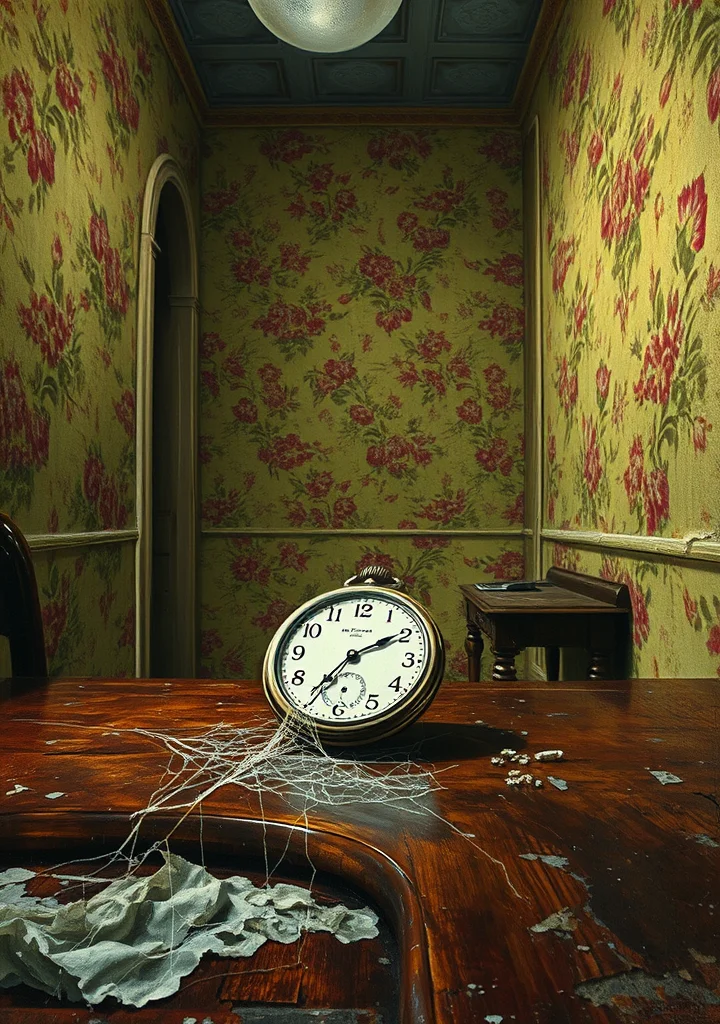
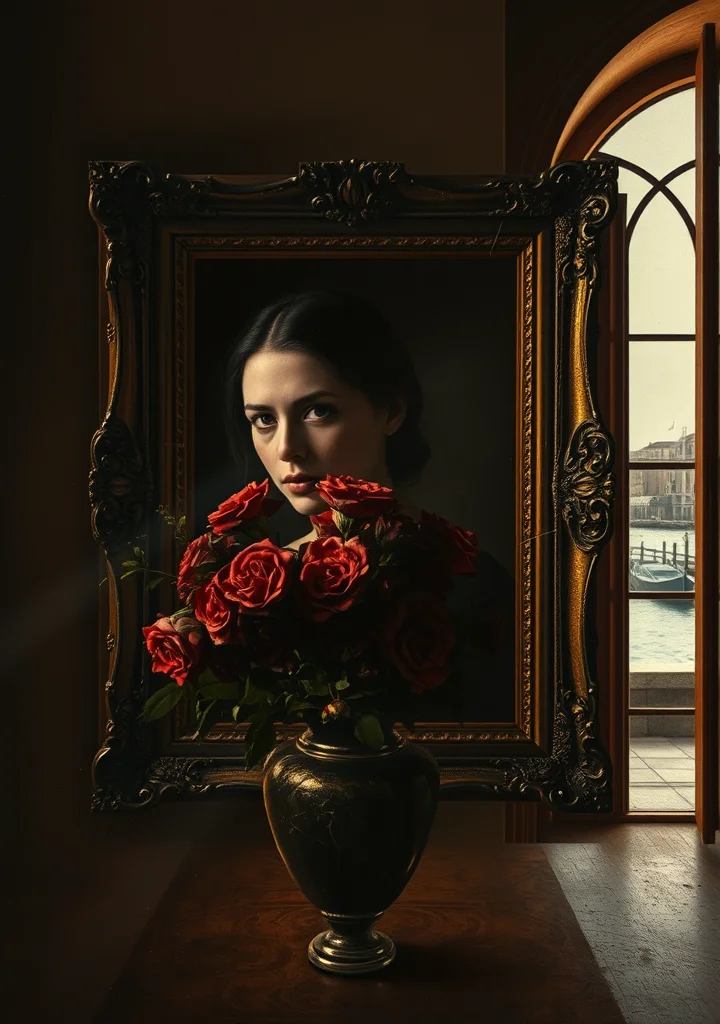
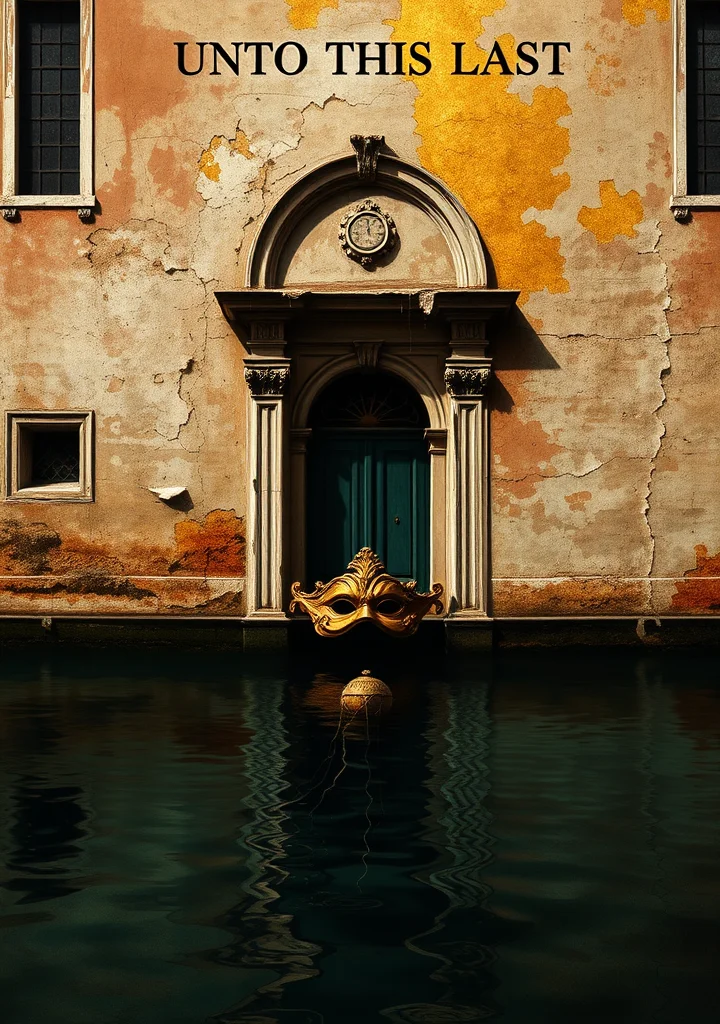
A creeping dampness clings to the stones of the Venetian palaces, mirrored in the stagnant canals where shadows breed. Ruskin’s narrative exhales the decay of a gilded age, a slow rot blooming within the opulence. It is a story not of grand betrayal, but of insidious unraveling—the erosion of beauty by avarice, the fracturing of faith within echoing chambers.
The air hangs thick with the scent of brine and fading frescoes, a melancholic perfume clinging to every gilded frame. You feel the weight of centuries pressing down, the whispers of forgotten artisans haunting the shadowed workshops. The narrative unfolds like a fever dream amidst crumbling grandeur, a labyrinthine exploration of moral contagion.
A pervasive unease settles in the bones. The architecture itself seems to mourn, its very stones weeping under the weight of unearned fortunes. Every act of charity feels tainted by the rot beneath, every act of generosity shadowed by the specter of self-interest. It is a gothic study of the soul’s corrosion, where the light flickers and dies within the labyrinthine heart of a decaying paradise, leaving only the cold, damp stone to witness the fall. The silence is not emptiness, but a suffocating weight—the breath held tight against the scent of ruin.
Copyright: Public Domain
This license allows anyone to use your story for any purpose, including printing, selling, or adapting it into a film freely.
This license allows anyone to use your story for any purpose, including printing, selling, or adapting it into a film freely.
More like this