
-
Read 303
-
0
-
Part 22
Completed, First published Mar 02, 2026
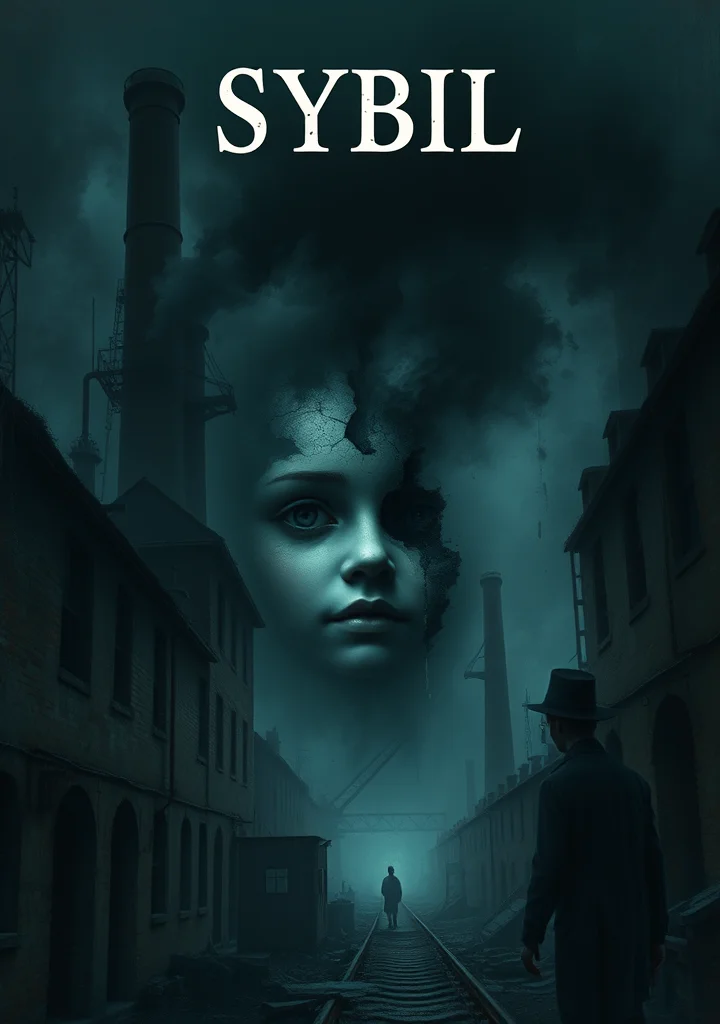
Dust motes dance in the perpetual twilight of Chicago’s steel-ribbed canyons, mirroring the slow, suffocating ascent of Sybil Gerhardt. Born to a Prussian immigrant father consumed by ambition and a mother whose silence holds the weight of prairie winters, she rises not through privilege, but through the relentless, grinding machinery of a city built on dreams and crushed hopes. The novel breathes with the scent of coal smoke and damp brick, a claustrophobic world where fortunes are built on the backs of the unseen, and where a woman’s worth is measured in the height of her husband’s empire.
It isn’t a tale of grand romance, but of a creeping, insidious loneliness. Sybil’s growth isn’t celebrated, but observed, as if she were a specimen pinned under glass, her triumphs shadowed by a creeping, spectral emptiness. The narrative clings to the grime-stained windows of boarding houses, to the echoing emptiness of gilded ballrooms, to the chilling realization that the “so big” she pursues is less a measure of her life, and more the suffocating weight of expectation. The city itself is a character—a gothic beast of iron and glass, consuming those who dare to reach for its impossible heights, leaving only a residue of regret in the gathering dusk. It is a haunting portrait of ambition, and the hollow ache of a life measured by what is built *around* a woman, not *within* her.
Copyright: Public Domain
This license allows anyone to use your story for any purpose, including printing, selling, or adapting it into a film freely.
This license allows anyone to use your story for any purpose, including printing, selling, or adapting it into a film freely.
More like this