
-
Read 375
-
0
-
Part 20
Completed, First published Mar 02, 2026
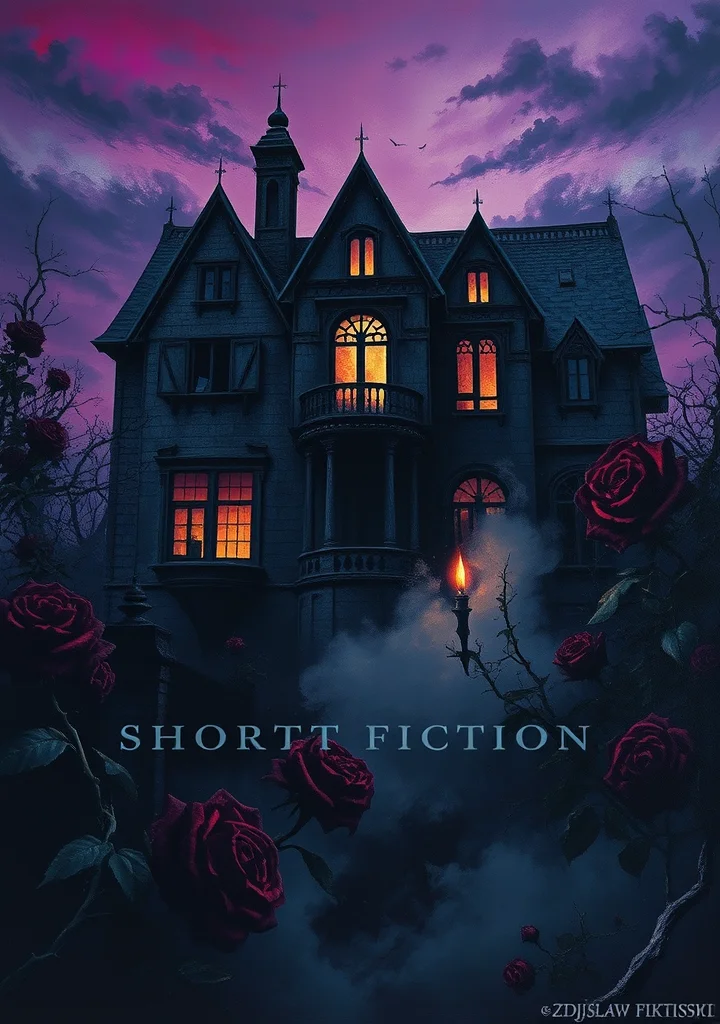
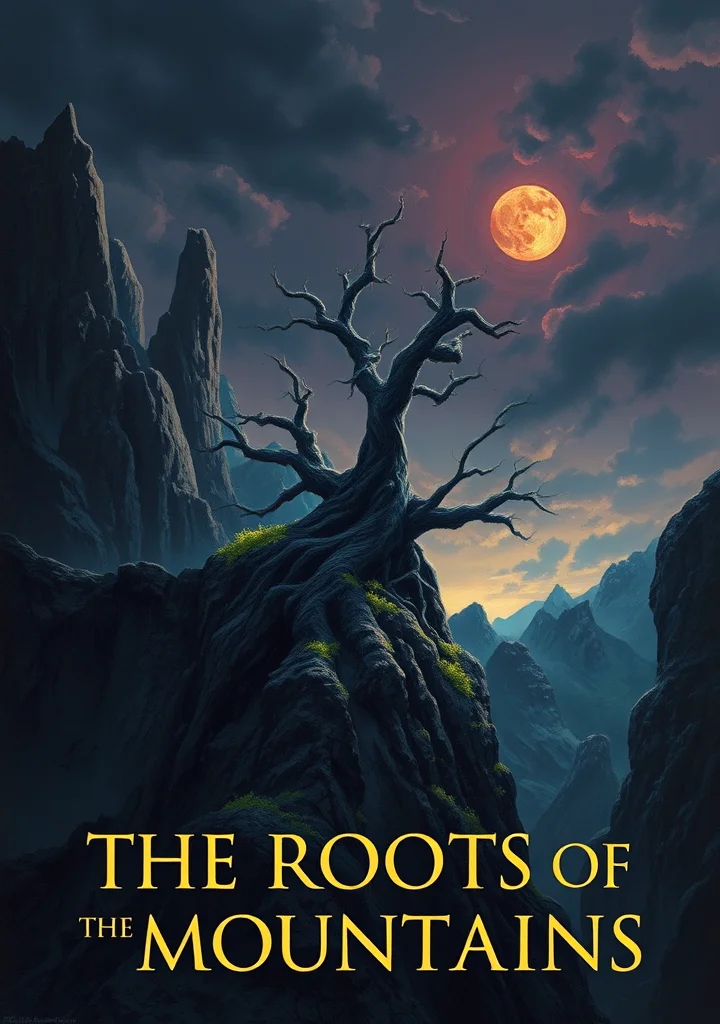
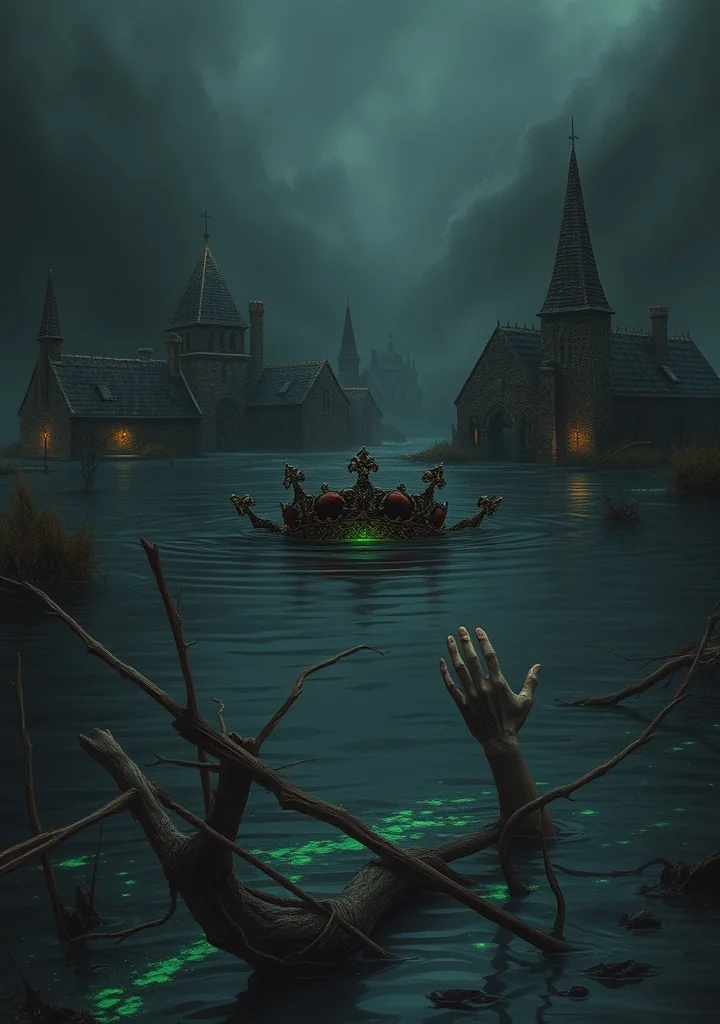
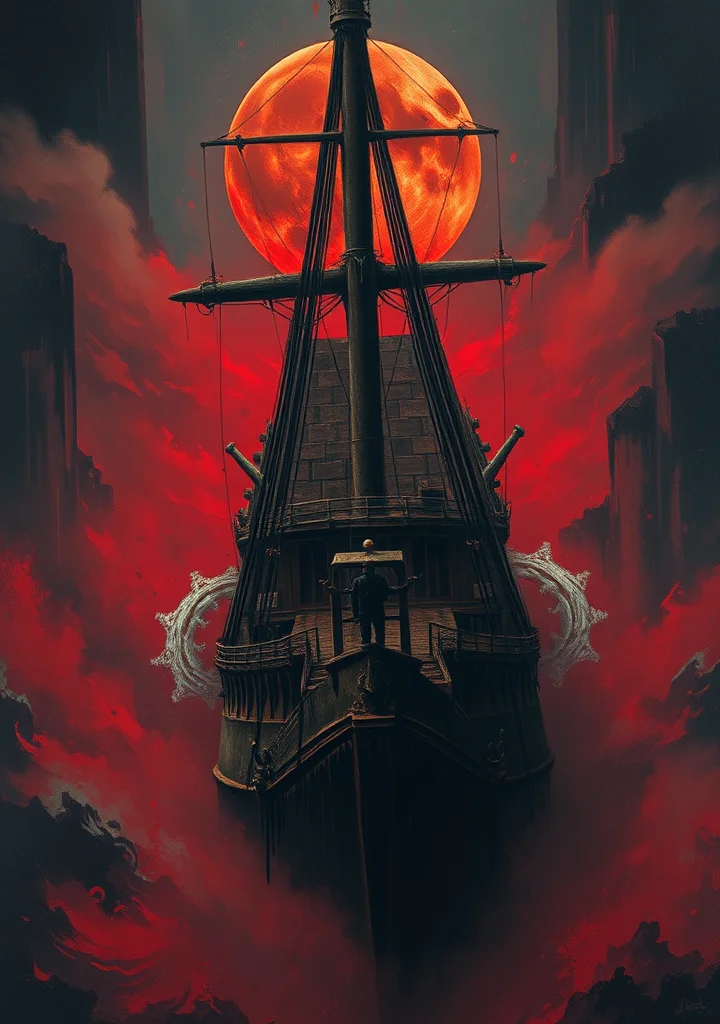
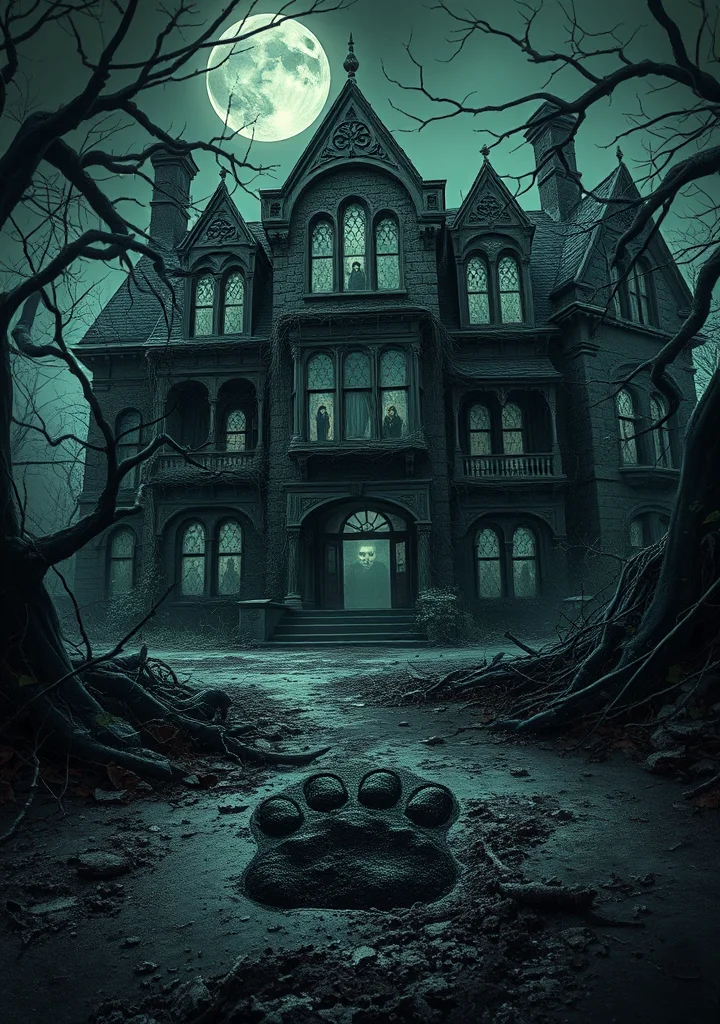
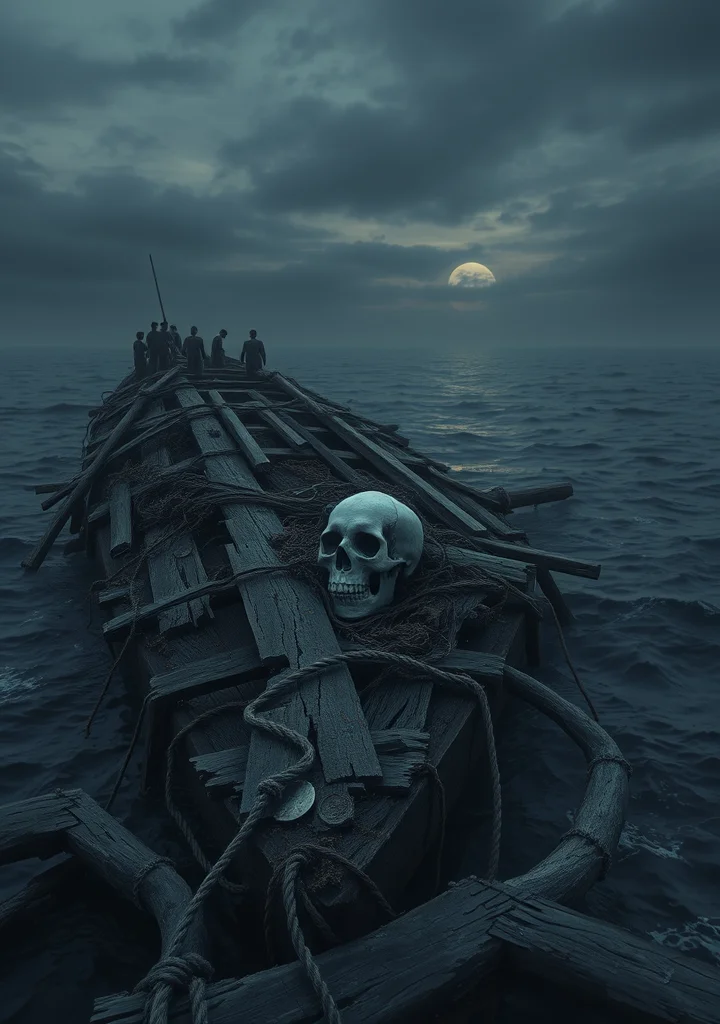
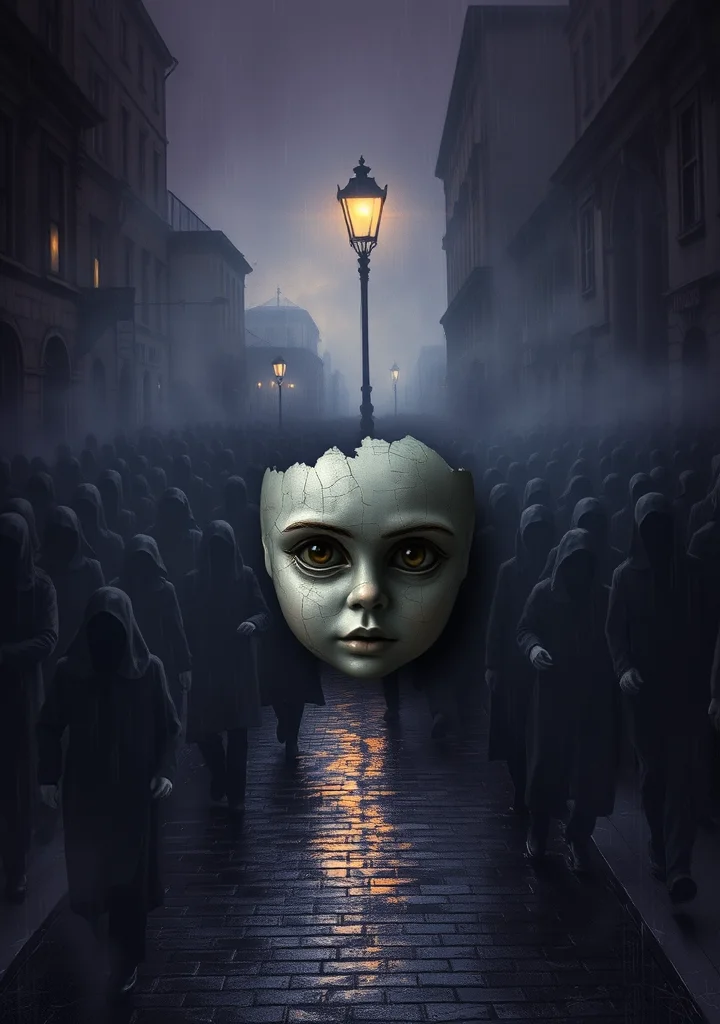
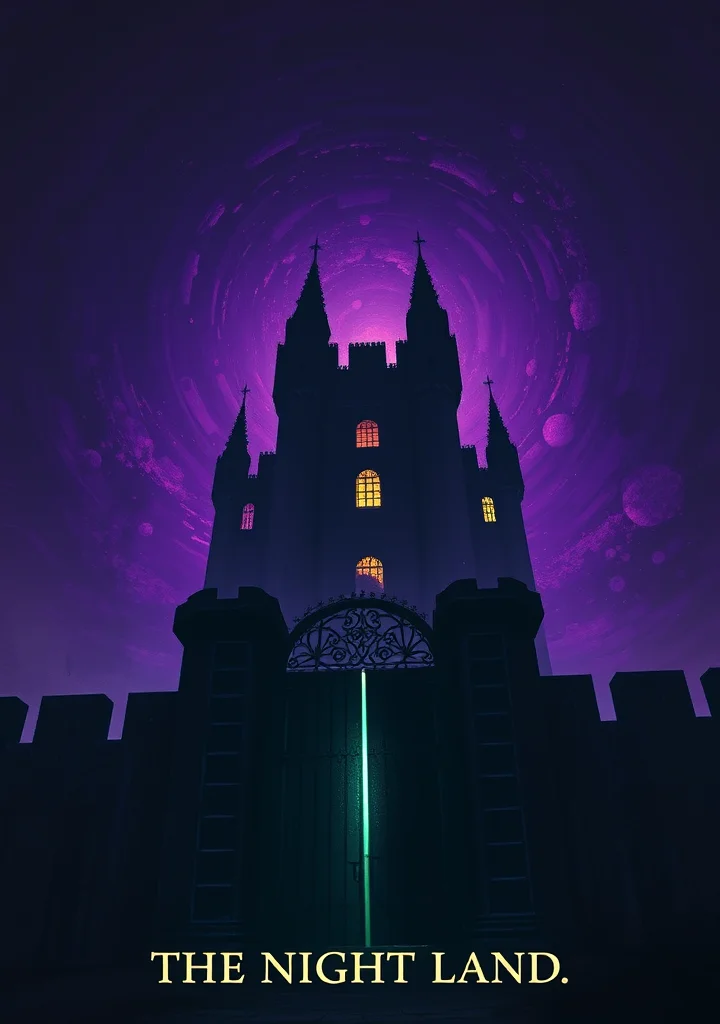
A creeping dread, older than the dust of stars, clings to the last, dwindling fires of humanity. The world is not gone, but *behind* – sealed off by a wall of unimaginable darkness. This is not a land of monsters, but of *waiting*. Of things that press against the fragile barrier, whispering in the void. Hodgson’s prose is a glacial drift of despair, detailing a world where the sun has died and the last men huddle in a crumbling fortress, haunted by the memory of a lost golden age. Each chapter unfolds like a nightmare etched in frost, populated by figures shrouded in shadow, their faces mirroring the abyss. The narrative is less a story of action, and more a descent into the echoing silence beyond the wall – a silence punctuated by the distant, monstrous *thump* of something vast and alien stirring in the darkness. The atmosphere is one of suffocating claustrophobia, not within walls, but within the very fabric of existence. It’s a world where hope is a flickering candle in a howling gale, and the true horror lies not in what is seen, but in the chilling certainty of what waits, *just beyond*. The prose itself feels like a slow, inevitable burial under a weightless, crushing darkness. A land of ghosts, not of the dead, but of the living, already consumed by the encroaching void.
Copyright: Public Domain
This license allows anyone to use your story for any purpose, including printing, selling, or adapting it into a film freely.
This license allows anyone to use your story for any purpose, including printing, selling, or adapting it into a film freely.
More like this