
-
Read 351
-
0
-
Part 38
Completed, First published Mar 02, 2026
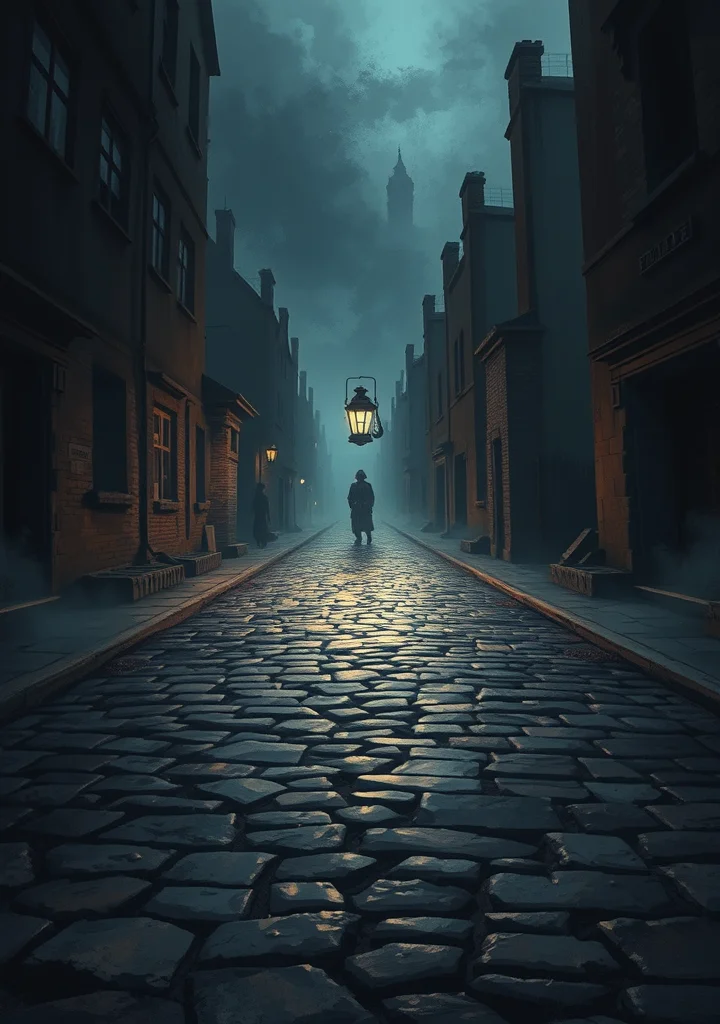
A shadowed inheritance. The scent of magnolia and decay clings to the Louisiana plantation where Iola Leroy, a woman passing for white, is drawn into a web of concealed histories and simmering resentments. She moves as a phantom through drawing rooms lit with candelabra fire, her own past a carefully constructed illusion. The air thickens with the whispers of those she has left behind—the mother she can barely recall, the stolen childhood, the weight of a lineage fractured by the auction block.
But the house itself breathes with a history far older than its owners, a history woven into the very timbers and draped in the Spanish moss that suffocates the grounds. Every chipped porcelain doll, every tarnished silver frame, seems to watch her with vacant, accusing eyes. Iola’s every kindness is met with a chilling politeness that hides a predatory hunger.
The narrative unravels like a tapestry frayed by moths—fragments of letters, snatched conversations overheard in darkened hallways, the slow, deliberate reveal of a secret that threatens to consume Iola’s fragile composure. A sense of creeping dread permeates the narrative, born not from overt violence, but from the stifling weight of expectation, the suffocating silence of complicity, and the ever-present fear of exposure. The garden blooms with poisonous beauty, mirroring the delicate lies upon which Iola’s existence is built. The novel is a slow descent into a haunted landscape of the heart, where the boundaries between self and shadow blur, and the price of freedom is measured in stolen breaths and half-truths.
Copyright: Public Domain
This license allows anyone to use your story for any purpose, including printing, selling, or adapting it into a film freely.
This license allows anyone to use your story for any purpose, including printing, selling, or adapting it into a film freely.
Chapter List
-
« Iola Leroy »📖 Continue Reading
-
« Chapter_3 »
-
« Introduction »
-
« Iola Leroy »
-
« I »
-
« II »
-
« III »
-
« IV »
-
« V »
-
« VI »
-
« VII »
-
« VIII »
-
« IX »
-
« X »
-
« XI »
-
« XII »
-
« XIII »
-
« XIV »
-
« XV »
-
« XVI »
-
« XVII »
-
« XVIII »
-
« XIX »
-
« XX »
-
« XXI »
-
« XXII »
-
« XXIII »
-
« XXIV »
-
« XXV »
-
« XXVI »
-
« XXVII »
-
« XXVIII »
-
« XXIX »
-
« XXX »
-
« XXXI »
-
« XXXII »
-
« XXXIII »
-
« Note »
38
-
« Iola Leroy »
-
« Chapter_3 »
-
« Introduction »
-
« Iola Leroy »
-
« I »
-
« II »
-
« III »
-
« IV »
-
« V »
-
« VI »
-
« VII »
-
« VIII »
-
« IX »
-
« X »
-
« XI »
-
« XII »
-
« XIII »
-
« XIV »
-
« XV »
-
« XVI »
-
« XVII »
-
« XVIII »
-
« XIX »
-
« XX »
-
« XXI »
-
« XXII »
-
« XXIII »
-
« XXIV »
-
« XXV »
-
« XXVI »
-
« XXVII »
-
« XXVIII »
-
« XXIX »
-
« XXX »
-
« XXXI »
-
« XXXII »
-
« XXXIII »
-
« Note »
More like this