
Human Nature and Conduct
  • 246
  • 0
  • 35
  • Reads 246
  • 0
  • Part 35
Completed, First published Mar 02, 2026

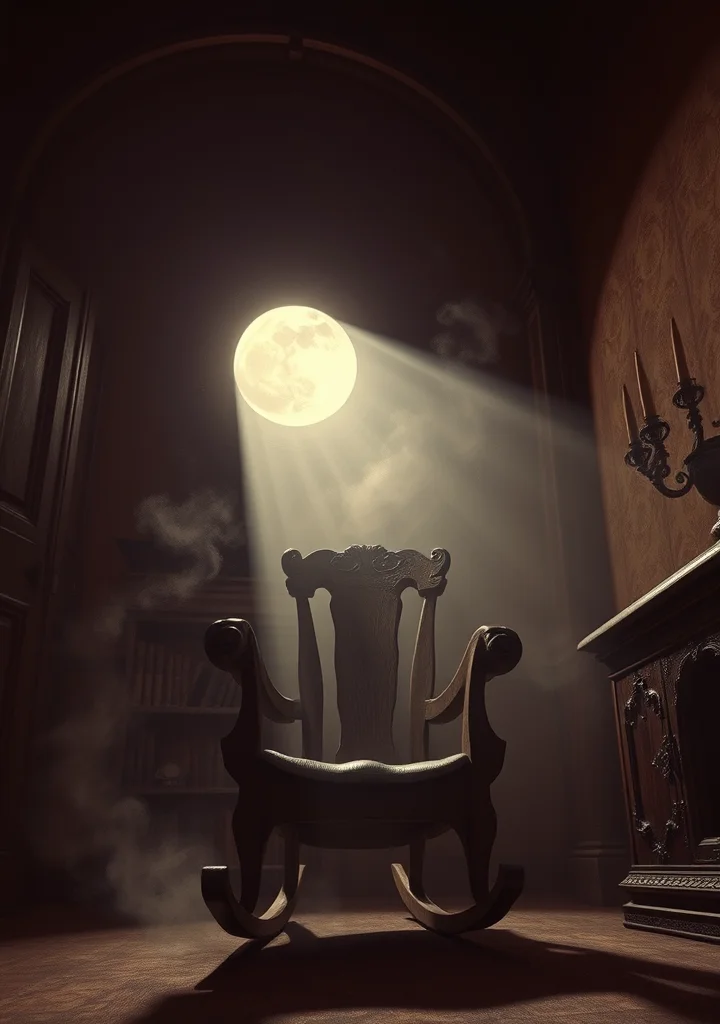
A creeping fog clings to the shadowed halls of intention, where the architecture of self is both built and dismantled by the relentless tide of experience. This is not a tale of monsters under the bed, but of the monstrous potential *within* the very marrow of becoming. Each chapter unfolds like a slow dissection of the will, revealing the damp, echoing chambers of habit and impulse. The narrative breathes with the chill of observation—a clinical study rendered in shades of gray, where the boundaries between observer and observed blur into a suffocating unity. There’s a pervasive dampness here, not of rain, but of the unacknowledged desires that bloom in the darkness of the psyche. The characters are less figures of flesh and blood than specimens pinned under glass, their struggles for autonomy shadowed by the inevitability of constraint. A sense of claustrophobia doesn't stem from physical confinement, but from the suffocating weight of expectation, the unseen pressures that mold the human form. The atmosphere is one of decaying idealism, a slow erosion of principle under the acid rain of consequence. One feels the weight of accumulated choices, the ghostly fingerprints of past selves clinging to every action. It’s a study of how easily the noble edifice of the mind can be undermined by the shifting sands of circumstance, leaving behind only the hollow shell of what *should* have been. The silence here is not peaceful, but pregnant with the unspoken justifications for every compromise, every surrender. A cold, sterile light illuminates the wreckage of unfulfilled potential.

Copyright: Public Domain
This license allows anyone to use your story for any purpose, including printing, selling, or adapting it into a film freely.
Recommended for you
70 Part
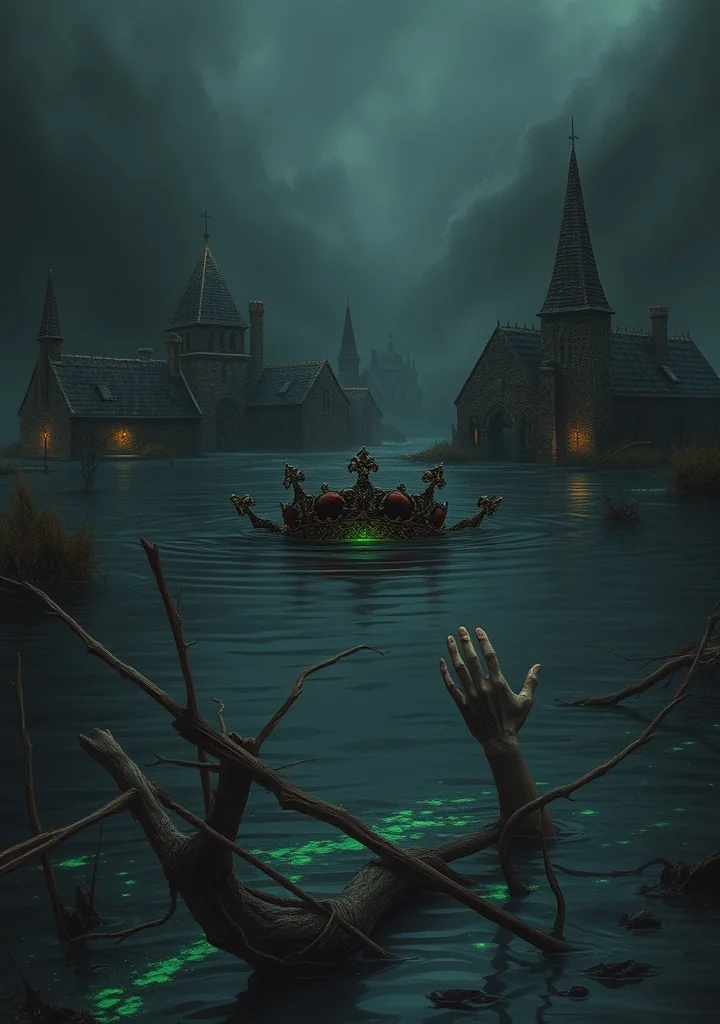
A creeping dread settles over the marshlands of Anglia, mirroring the slow rot within the bones of its last kings. Morris weaves a tale not of glorious battle, but of a world drowning—not in water alone, but in the melancholic decay of forgotten gods and the venomous whispers of those who would usurp them. The narrative clings to the peat bogs like a clinging mist, smelling of salt and brine, of drowned things and the iron tang of blood. Villages vanish beneath encroaching tides, their stone foundations swallowed by the relentless grey, while within crumbling halls, the remnants of a fractured kingdom barter with shadow-things for survival. Each chapter feels like a descent into a waterlogged grave, the prose thick with the weight of loss and the insidious bloom of fungal blooms on rotting timbers. The sun, when it dares to appear, casts no warmth, only long, skeletal shadows stretching across the drowned fields. A sense of inevitable collapse permeates every line; not a heroic struggle against fate, but a mournful acceptance of its glacial, crushing embrace. The flood isn’t merely a rising water level, but a fracturing of the world itself, revealing the skeletal truths of a land consumed by its own melancholic past. The voices that linger are not those of the living, but the drowned echoes of kings, lovers, and children, murmuring from beneath the surface, beckoning the reader to join them in the cold, suffocating embrace of the sundering flood.
71 Part
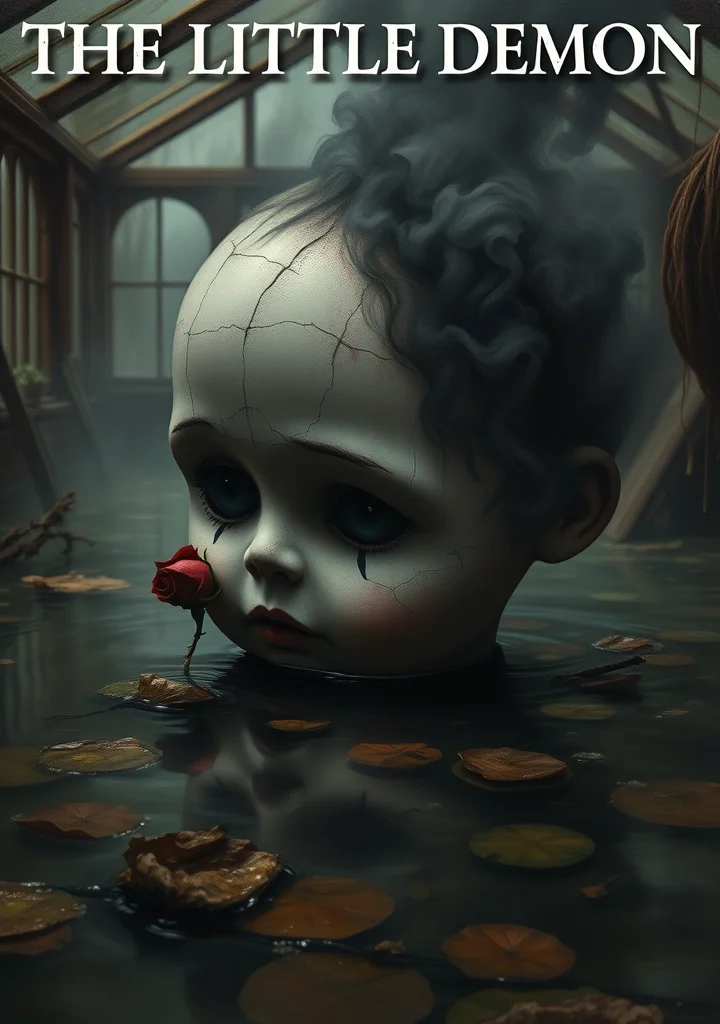
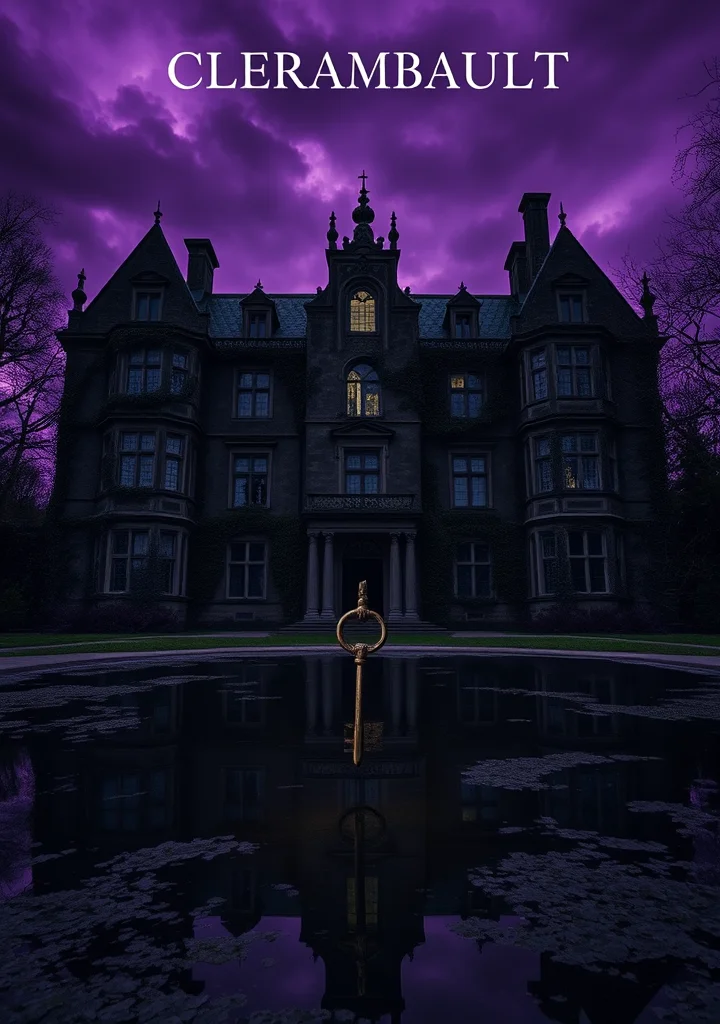
The air hangs thick with dust and the scent of decay, clinging to the shadowed corners of a decaying manor house. Within, a life unfolds not as a grand narrative, but as a series of fragmented recollections – whispers of a man diminished, both physically and in stature, swallowed by the suffocating grandeur of his ancestral home. The narrative coils like ivy around crumbling stone, a slow, deliberate unveiling of isolation. Each memory is a chipped porcelain doll, beautiful yet fractured, reflecting a childhood steeped in morbid fascination and the stifled resentment of those who towered above him. The prose is a draught from a forgotten cellar, laced with the chill of loneliness. Sunlight feels like an intrusion, unwelcome on skin that has grown accustomed to perpetual twilight. The reader is not merely told of the man’s smallness, but *feels* it – the weight of averted gazes, the echoing emptiness of rooms too vast for his presence, the insidious erosion of self-worth. The house itself breathes, a living thing that both protects and imprisons. The garden, overgrown and feral, mirrors the tangled, thorny emotions within. A palpable sense of dread permeates every chapter, not from external horrors, but from the creeping rot of a soul consumed by its own quiet desperation. It is a haunting, not of ghosts and ghouls, but of the hollow ache of being unseen, unheard, and utterly alone in a world built for giants. The final pages feel like a descent into a suffocating darkness, where the only sound is the fading echo of a life lived beneath the shadow of its own making.