
-
Read 314
-
0
-
Part 23
Completed, First published Mar 02, 2026
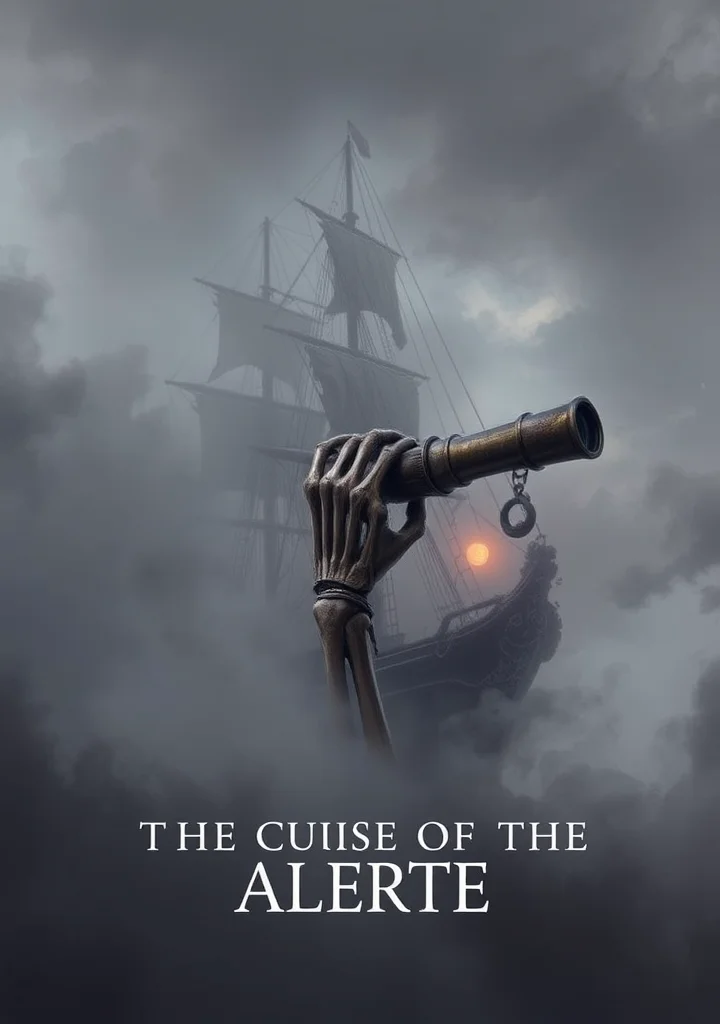
The salt-laced air hangs thick with regret, clinging to the decaying timbers of the *Alerte* as she drifts through the desolate Bering Sea. Fog, the colour of bruised bone, swallows the vessel whole, mirroring the creeping despair within Captain Thorne’s heart. This is not a voyage of discovery, but a slow unraveling – a descent into the icy grip of obsession and the ghosts of a forgotten gold rush. Each creak of the ship, each mournful cry of the gulls, echoes with the fractured memories of men driven mad by greed and the brutal beauty of the Arctic. The narrative winds like a frozen river, carving a path through the captain’s haunted past and the desperate, feverish dreams of his crew. A palpable sense of dread permeates every page, not from monsters or supernatural horrors, but from the insidious rot of isolation and the slow, agonizing surrender to the wilderness. The *Alerte* becomes a coffin afloat, bound not by ropes and timber, but by the weight of unfulfilled desires and the chilling realization that some journeys leave no return. The narrative is a pressure, a cold weight on the chest, a story breathed out with the dying breaths of men swallowed by the white silence. It is a world where the line between hunter and hunted blurs into a single, shivering desperation, and where the horizon holds not hope, but the promise of an icy oblivion.
Copyright: Public Domain
This license allows anyone to use your story for any purpose, including printing, selling, or adapting it into a film freely.
This license allows anyone to use your story for any purpose, including printing, selling, or adapting it into a film freely.
More like this