
Privy Seal
  • 118
  • 0
  • 23
  • Reads 118
  • 0
  • Part 23
Completed, First published Mar 02, 2026

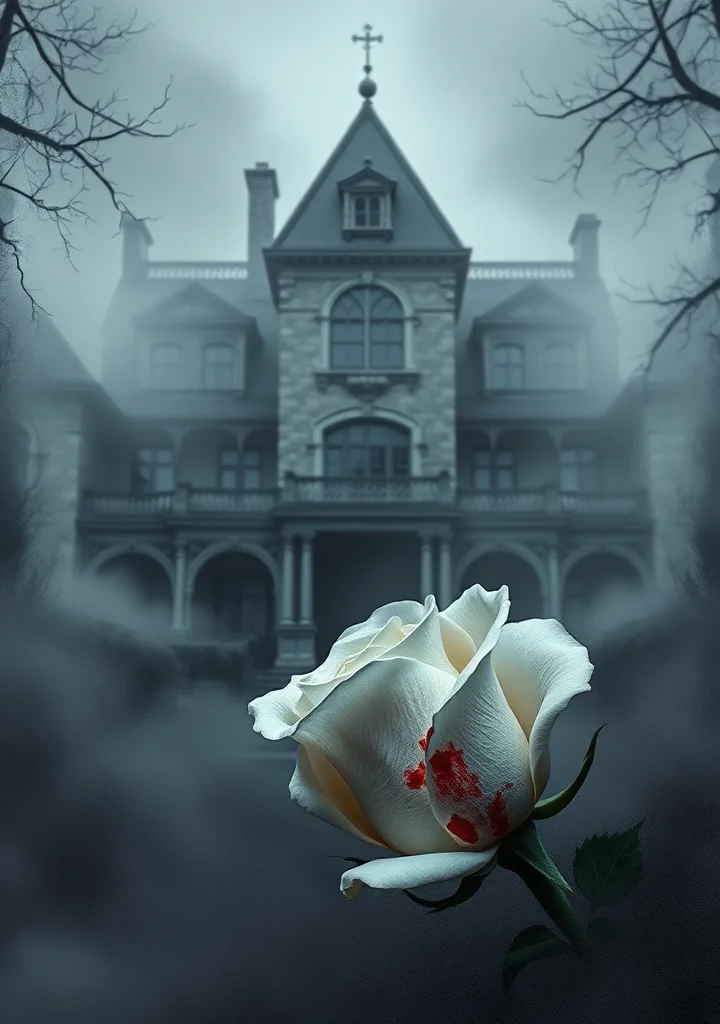
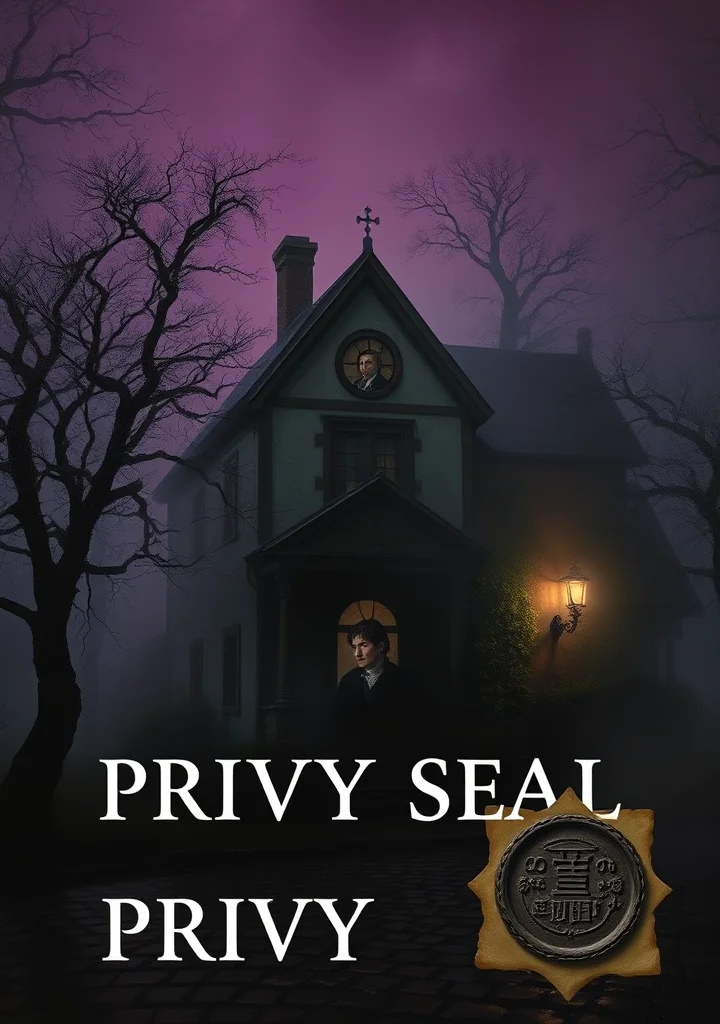
The fog clings to the Belgian coast, mirroring the miasma of secrets that shroud the Pryke family. A crumbling manor, shadowed by ancient pines, breathes with the stifled desires and decaying fortunes of its inhabitants. Here, amidst the ritualistic unfolding of inherited grief, a young man’s unwitting entanglement with a spectral inheritance—a sealed confession, a portrait veiled in mourning crepe—unearths a history of hushed scandals and predatory affections. The air is thick with the scent of damp wool and decaying lace, echoing with the ghostly tread of past betrayals. Each darkened corridor, each whispered confidence, feels haunted by the weight of unspoken accusations. A creeping dread descends as the protagonist, adrift in a sea of inherited melancholia, discovers that the seal binding the Pryke family’s fate is not merely legal, but woven into the very fabric of their existence—a legacy of obsession, deceit, and the suffocating grip of a love that festers beyond the grave. The narrative unfolds with the slow, deliberate chill of a winter night, drawing the reader into a suffocating world where the past bleeds into the present, and every glance holds the shadow of a long-forgotten sin.
Copyright: Public Domain
This license allows anyone to use your story for any purpose, including printing, selling, or adapting it into a film freely.

Recommended for you
8 Part
A suffocating stillness clings to the Gabler estate, a mausoleum of inherited wealth and decaying ambition. Within its shadowed parlors, Hedda, a bride newly returned, breathes a discontent that curdles the air. Not a tale of spectral hauntings, but of a hollowness that consumes from within. The scent of withered blooms and unsent letters permeates every room, mirroring the slow rot of Hedda’s spirit. A suffocating marriage, a stifled legacy—these become the bars of her gilded cage. The narrative unfolds as a slow bleed of frustration, a poisonous flowering of cruelty masked by polite society’s veneer. Each conversation, a brittle exchange of veiled threats and unspoken desires. A creeping dread settles with the dusk, fueled by whispered secrets and the echoes of past tragedies. The estate itself becomes a character, its oppressive architecture mirroring Hedda’s constriction, the scent of decay clinging to her every action. The air thickens with the weight of unfulfilled longing, a perverse obsession with control blooming in the shadows of her discontent. A sense of inevitable collapse permeates the story, not through grand catastrophe, but through the quiet, agonizing unraveling of a woman suffocated by expectation, driven to desperate measures within the suffocating confines of her own making. The ending lingers not as a resolution, but as a chilling residue—a cold, elegant despair that seeps into the very foundations of the house and the reader’s soul.
35 Part
Dust motes dance in the perpetual twilight of Procopius’s *The Secret History*, a novel steeped in the scent of decaying parchment and the chill of forgotten crypts. The narrative unfolds not as a chronicle of events, but as a slow erosion of sanity within the crumbling walls of a secluded manor—Blackwood Hall—where shadows cling to every surface and whispers coil like serpents in the corridors. A family, fractured by generations of inherited madness and a pact with something ancient and hungry, unravels under the weight of their ancestral sins. The prose itself is a creeping vine, strangling the reader with baroque sentences and suffocating detail. Each chapter bleeds into the next, mirroring the Hall’s labyrinthine layout and the blurring of reality within its confines. A suffocating dread permeates every page, born not of overt horror, but of the insidious suggestion that the very stones of Blackwood Hall remember every atrocity committed within its walls. The story is told through fragmented diary entries, brittle letters, and the testimony of a fever-haunted caretaker—voices warped by isolation and the encroaching darkness. The air thickens with the scent of brine and rot, with the distant tolling of unseen bells and the faint, rhythmic dripping of water—always water—from somewhere deep within the Hall’s foundations. It is a history not of kings and conquests, but of rot and ruin, a testament to the suffocating power of silence, and the monstrous legacy left to those who inherit the weight of secrets better left undisturbed. The reader is left to wander the echoing chambers alongside the doomed characters, breathing in the same poisoned air, and ultimately, to question if Blackwood Hall has claimed not just its inhabitants, but a piece of their own soul as well.

32 Part
A perpetual twilight clings to the shadowed corners of New Moon, a desolate, windswept inheritance haunted by whispers of misfortune. The orphaned Emily Byrd, a creature of wild imagination and fiery spirit, arrives to claim her legacy—a decaying ancestral home steeped in the lore of a cursed lineage. But the house breathes with a sorrow that seeps into Emily's very soul, mirroring the spectral grief of her mother, a phantom presence woven into the very fabric of the moors. The narrative unfolds as a slow, melancholic descent into a world where dreams and realities blur, where the scent of heather and brine mingles with the bitterness of forgotten promises. Each chamber of New Moon holds a fragment of the past—a tarnished mirror reflecting a forgotten face, a faded portrait hinting at a tragic fate, a diary bound in leather stained with tears. Emily’s burgeoning poetic gifts become a conduit to the unseen, drawing her closer to the secrets buried within the family’s history. She is watched over by the silent, watchful eyes of the old servants, their faces etched with the weight of generations past. But the beauty of the landscape is deceptive, for the moor itself seems to possess a hungry darkness, a longing to reclaim what was lost. As Emily’s heart blossoms with both love and loss, she finds herself entangled in a web of family secrets, shadowed by the looming possibility that she too is destined to be consumed by the curse of New Moon. The novel is a slow burn, a haunting exploration of loneliness, resilience, and the enduring power of memory—a place where the boundary between life and death feels fragile as a moonbeam on a stormy sea.