
-
Read 503
-
0
-
Part 29
Completed, First published Mar 02, 2026
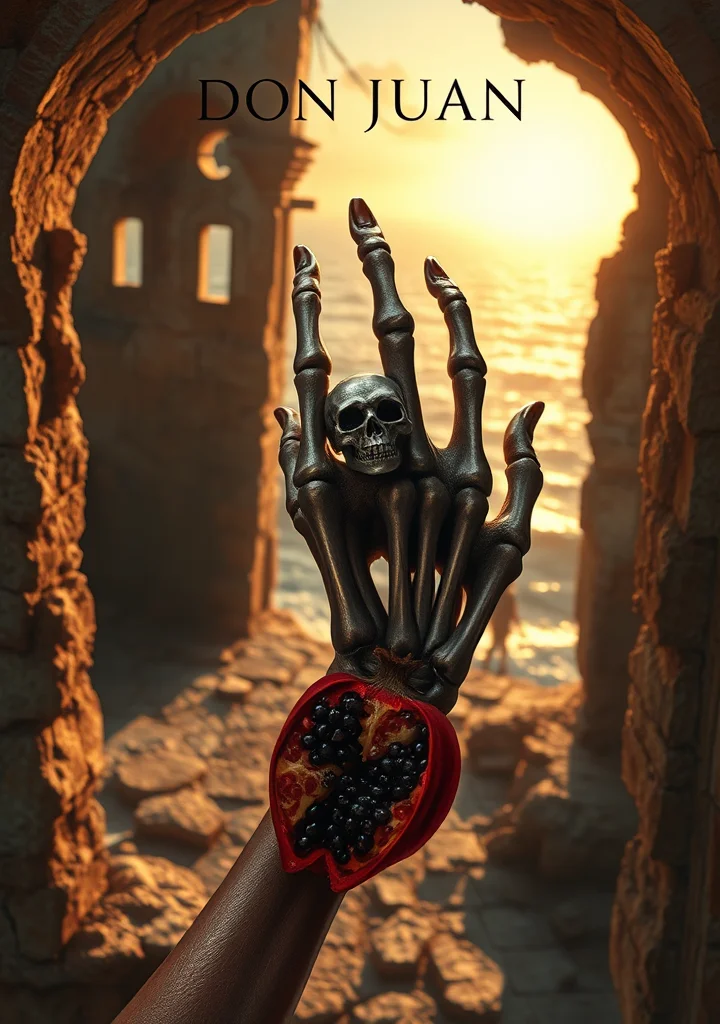
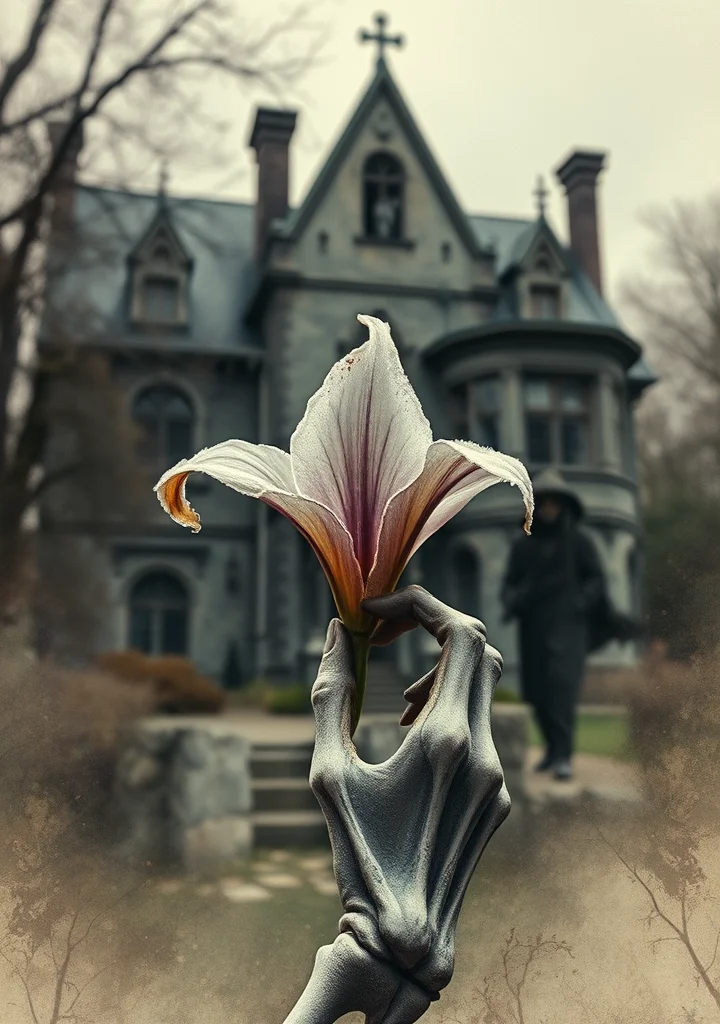
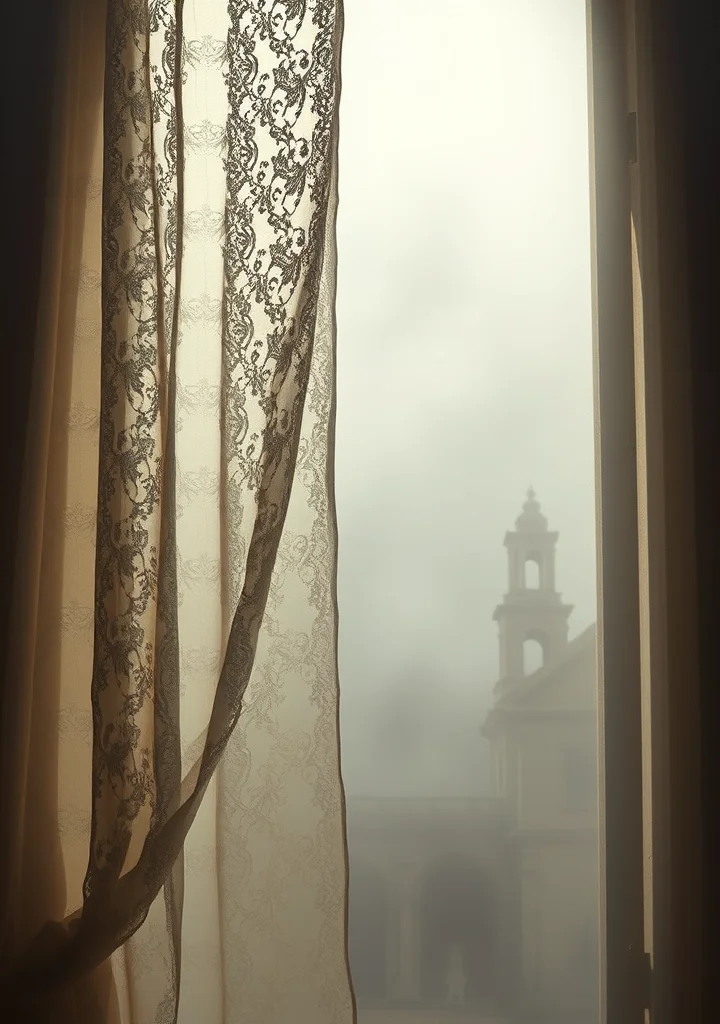
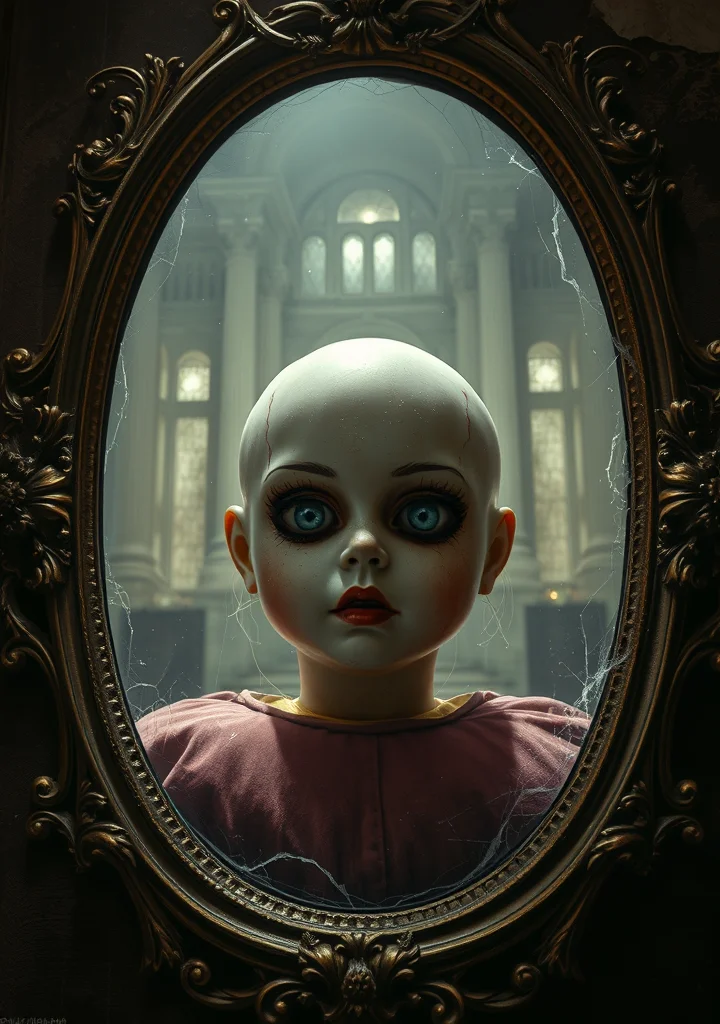
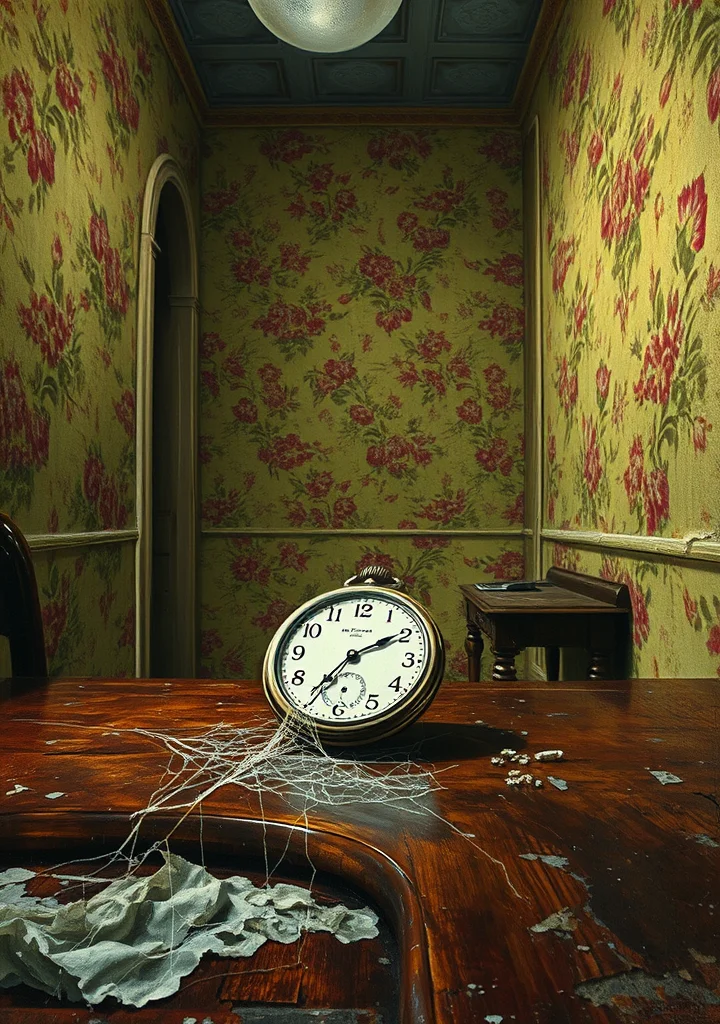
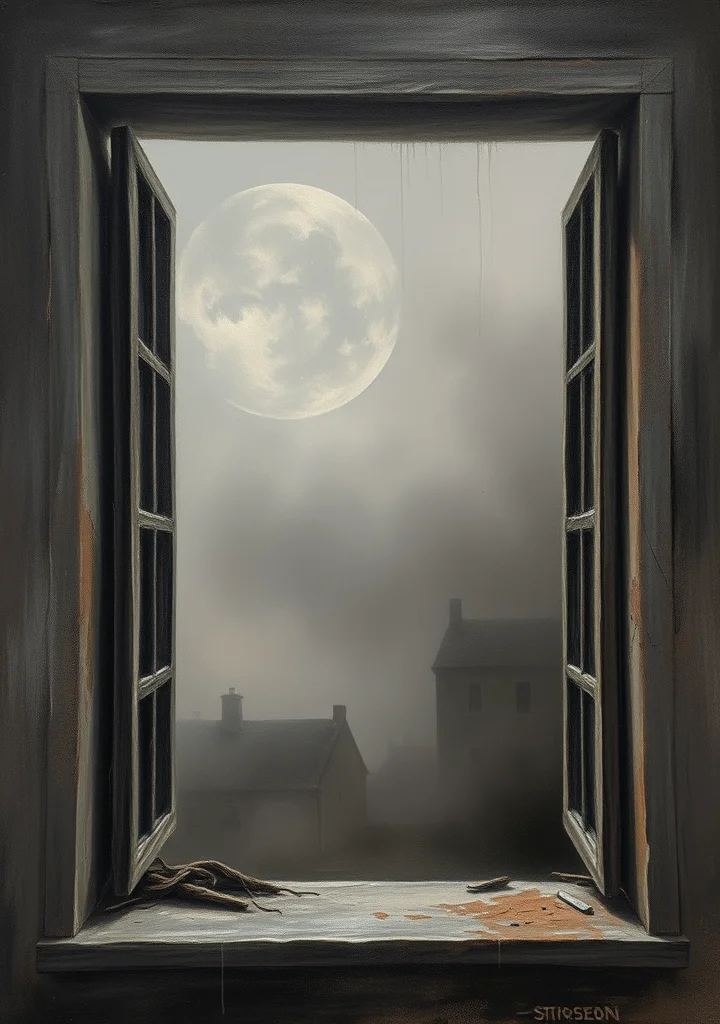
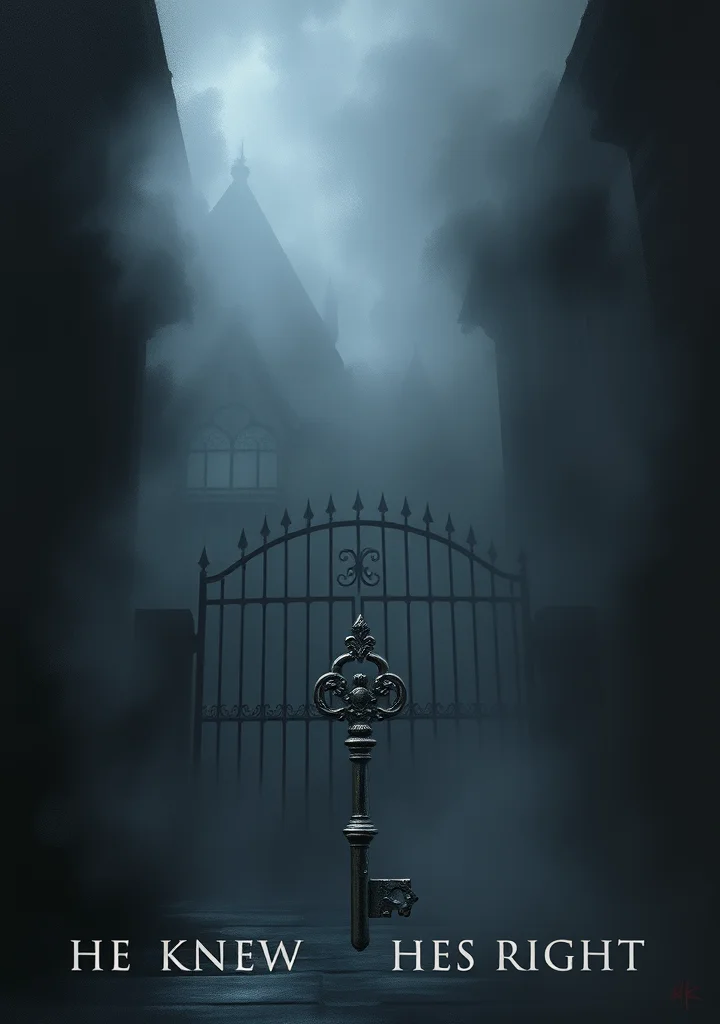
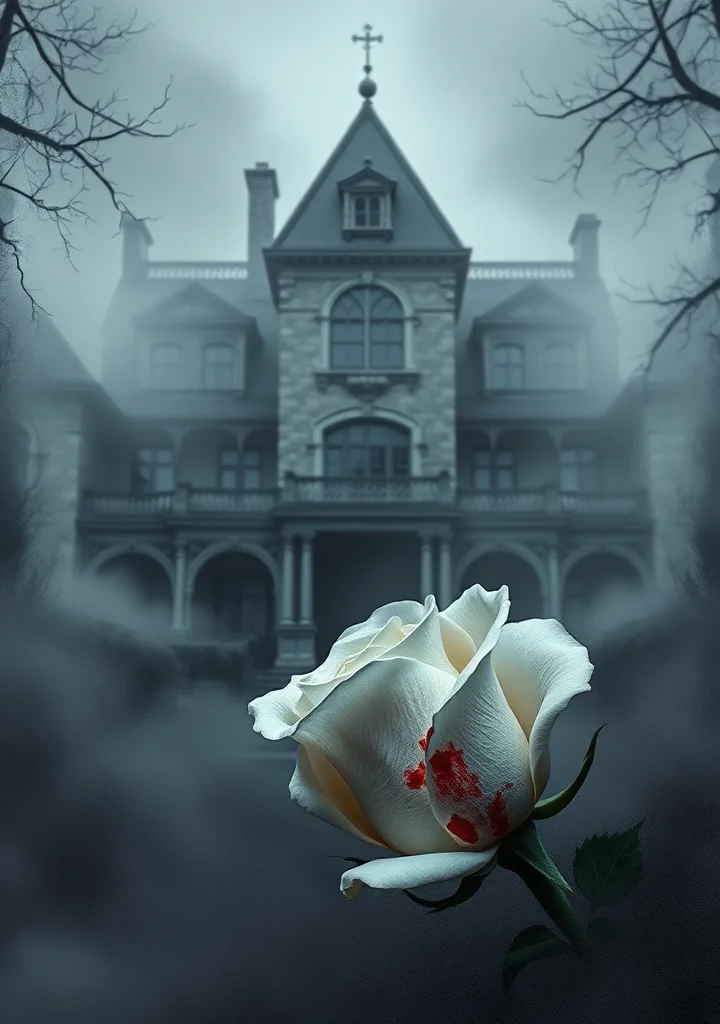
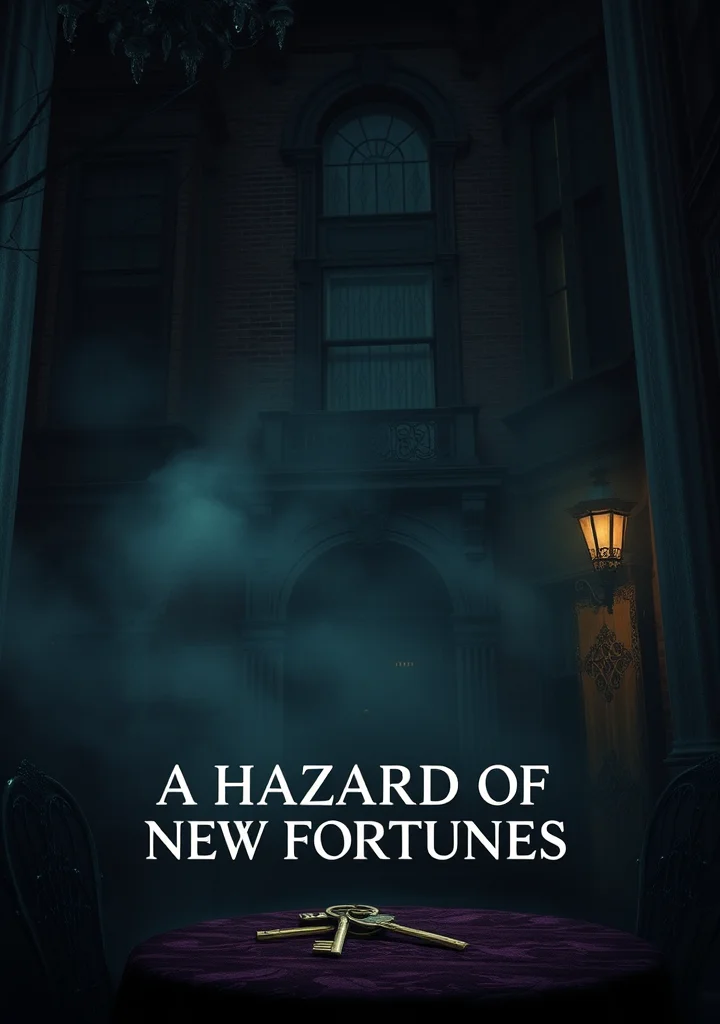
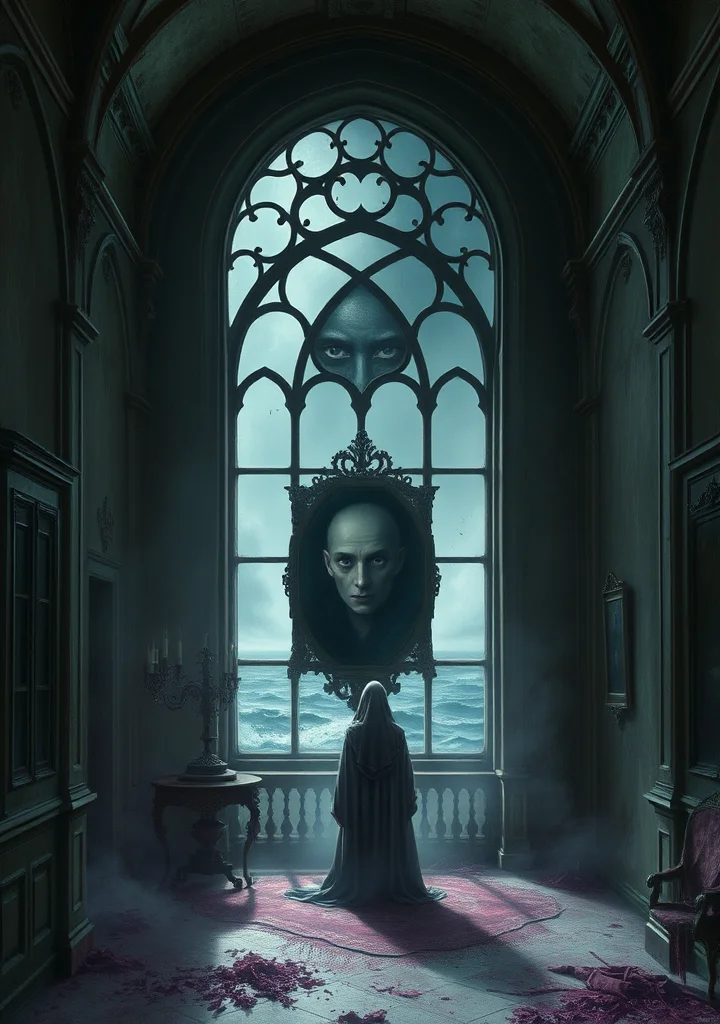
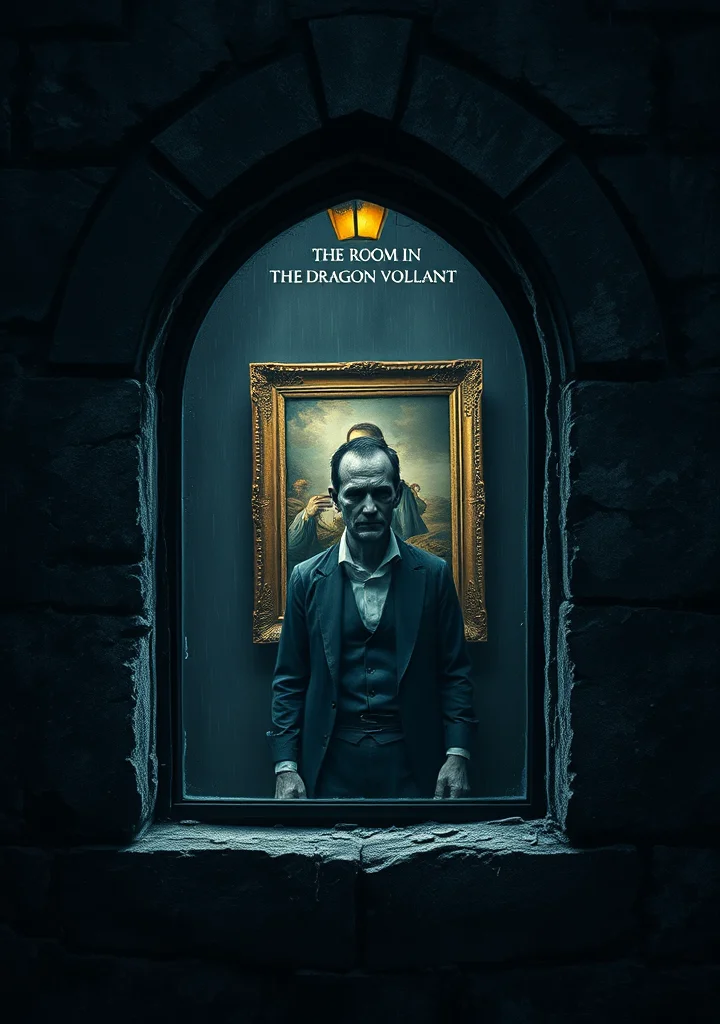
A creeping dread clings to the ancient Irish manor of Dr. Norbury, a dread born not of spectral hauntings, but of a suffocating, inherited despair. The room itself – the titular Dragon Volant – is a sealed chamber within the decaying family seat, rumored to be the scene of a long-forgotten horror, a madness that bled into the very stones. Each generation witnesses a spectral recurrence: a man, identical to a portrait of Norbury’s ancestor, appearing at the window, gazing with an unbearable, silent grief. The narrative unfolds as a slow erosion of sanity, a descent into the shadowed corners of familial history where the veil between the living and the dead is threadbare. Dust motes dance in perpetual twilight, mirroring the fragmented memories unearthed within the crumbling estate. The air is thick with the scent of damp earth and decaying linen, a tangible weight pressing upon the chest. It’s a story not of jump scares, but of a chilling, methodical unraveling—the insidious bloom of terror within the heart of a man haunted by a lineage of sorrow and the suffocating knowledge that the past isn’t merely remembered, but *relived*. The horror isn’t what is seen, but what is *felt* – a cold, clammy touch against the soul, a whisper of something irrevocably lost.
Copyright: Public Domain
This license allows anyone to use your story for any purpose, including printing, selling, or adapting it into a film freely.
This license allows anyone to use your story for any purpose, including printing, selling, or adapting it into a film freely.
Chapter List
-
« The Room in the Dragon Volant »📖 Continue Reading
-
« Prologue »
-
« The Room in the Dragon Volant »
-
« I »
-
« II »
-
« III »
-
« IV »
-
« V »
-
« VI »
-
« VII »
-
« VIII »
-
« IX »
-
« X »
-
« XI »
-
« XII »
-
« XIII »
-
« XIV »
-
« XV »
-
« XVI »
-
« XVII »
-
« XVIII »
-
« XIX »
-
« XX »
-
« XXI »
-
« XXII »
-
« XXIII »
-
« XXIV »
-
« XXV »
-
« XXVI »
More like this