
-
Read 485
-
0
-
Part 36
Completed, First published Mar 02, 2026
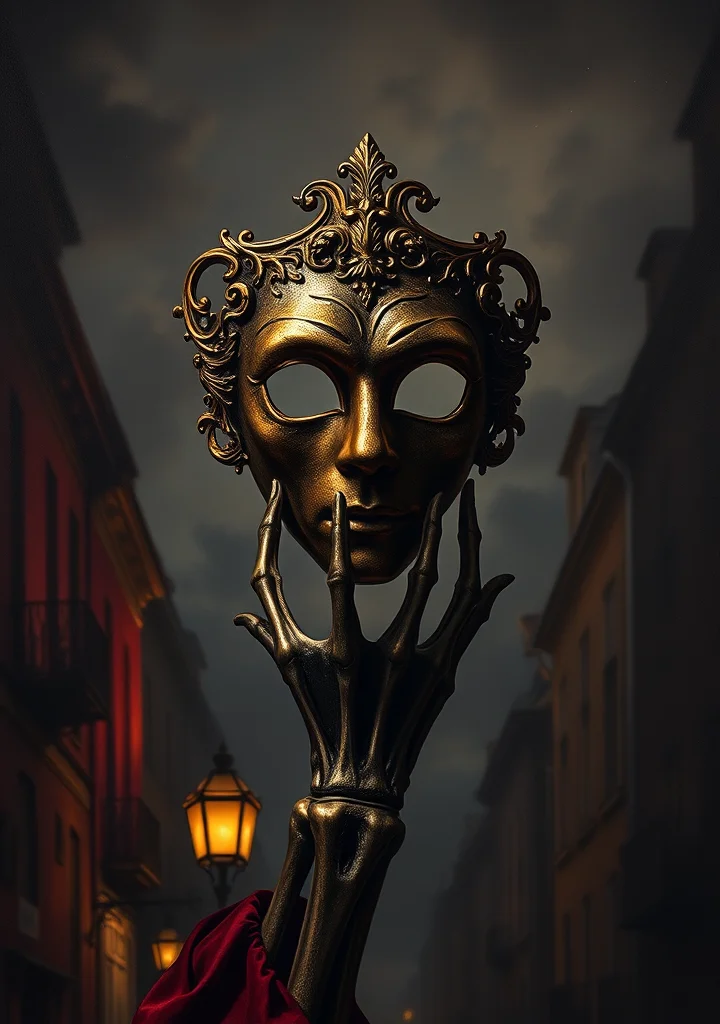
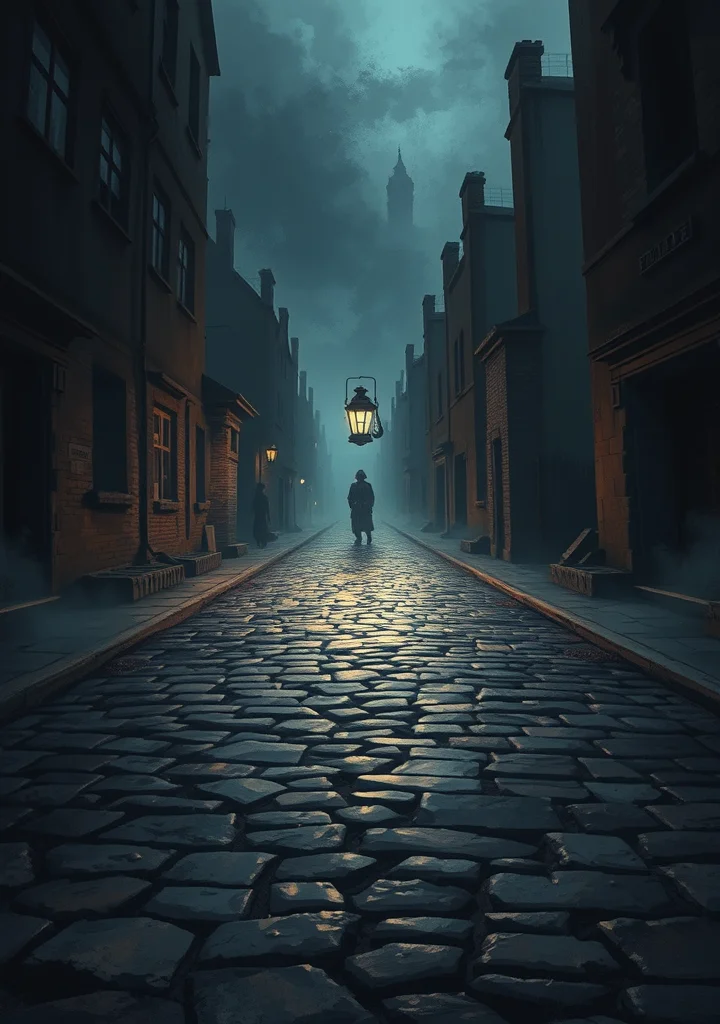
A stifling humidity clings to the brownstone steps of Harlem, mirroring the suffocating expectations that bind Plum Bun’s life. She exists as a phantom, passing for white, a gilded cage built upon inherited secrets and the delicate fracture of a family’s past. The air smells of jasmine and deferred desires, each blossom a whispered plea for recognition in a world built on the shifting sands of color. Sunlight, usually a blessing, feels instead like a harsh interrogation, exposing the lies woven into Plum’s very skin.
The narrative unfurls like a slow burn beneath a velvet drape. Each stolen glance, each hushed conversation, is shadowed by the weight of a double life. Her beauty is a weapon, her silence a shield against the inevitable unraveling of her carefully constructed identity. Shadows lengthen with each passing season, stretching from the elegant parlors of her white-passing aunt to the smoky, vibrant heart of Harlem’s jazz clubs—places where truth and deception dance in equal measure. A brittle elegance pervades every scene, laced with the bitter tang of disillusionment. The novel breathes with the hushed desperation of a woman trapped between worlds, haunted by the ghosts of her ancestors and the chilling realization that her very existence is a fragile performance. The scent of decay, not of bodies but of dreams, clings to the edges of every page, promising a fall from grace as inevitable as the evening shadows.
Copyright: Public Domain
This license allows anyone to use your story for any purpose, including printing, selling, or adapting it into a film freely.
This license allows anyone to use your story for any purpose, including printing, selling, or adapting it into a film freely.
Chapter List
-
« Plum Bun »📖 Continue Reading
-
« Chapter_3 »
-
« Chapter_4 »
-
« Plum Bun »
-
« Home »
-
« I »
-
« II »
-
« III »
-
« IV »
-
« V »
-
« VI »
-
« Market »
-
« I »
-
« II »
-
« III »
-
« IV »
-
« V »
-
« VI »
-
« VII »
-
« Plum Bun »
-
« I »
-
« II »
-
« III »
-
« IV »
-
« V »
-
« Home Again »
-
« I »
-
« II »
-
« III »
-
« IV »
-
« V »
-
« VI »
-
« Market Is Done »
-
« I »
-
« II »
-
« III »
36
-
« Plum Bun »
-
« Chapter_3 »
-
« Chapter_4 »
-
« Plum Bun »
-
« Home »
-
« I »
-
« II »
-
« III »
-
« IV »
-
« V »
-
« VI »
-
« Market »
-
« I »
-
« II »
-
« III »
-
« IV »
-
« V »
-
« VI »
-
« VII »
-
« Plum Bun »
-
« I »
-
« II »
-
« III »
-
« IV »
-
« V »
-
« Home Again »
-
« I »
-
« II »
-
« III »
-
« IV »
-
« V »
-
« VI »
-
« Market Is Done »
-
« I »
-
« II »
-
« III »
More like this