
Roads to Freedom
  • 105
  • 0
  • 16
  • Reads 105
  • 0
  • Part 16
Completed, First published Mar 02, 2026

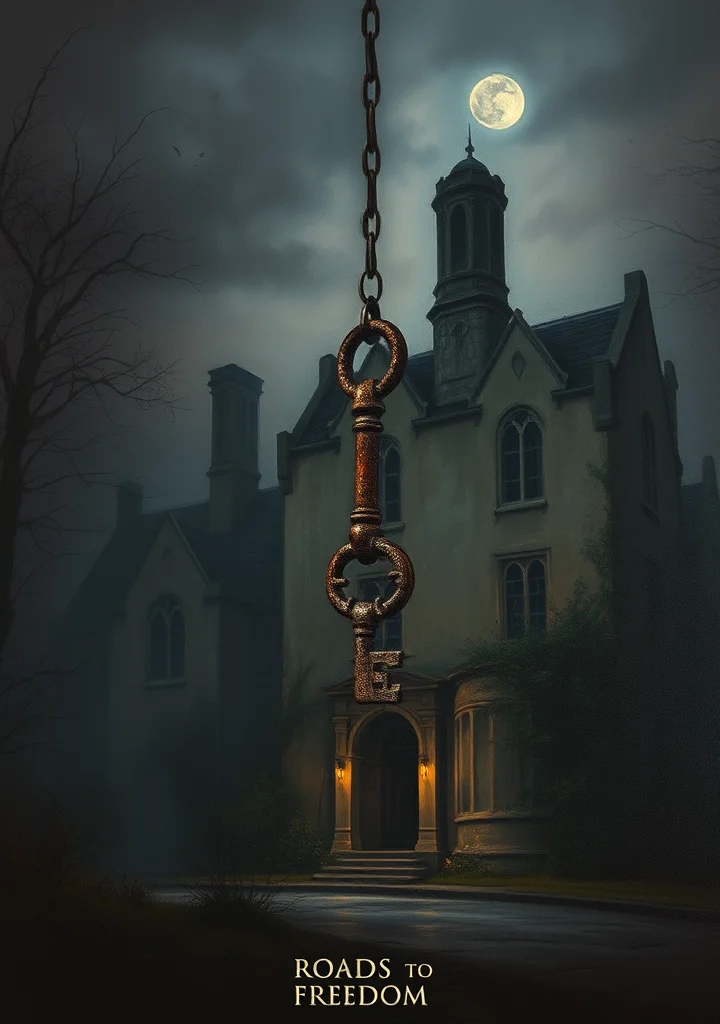
Dust motes dance in the perpetual twilight of a decaying estate, mirroring the fractured paths of its inhabitants. This is a chronicle not of triumph, but of unraveling—a descent into the shadowed corners of conviction where liberty itself becomes a haunting specter. The narrative clings to the damp stone walls of prisons both physical and ideological, charting the slow erosion of faith in systems built on promises of deliverance. Each road, paved with earnest struggle, leads only to further isolation, to the echoing emptiness of choice unbound by consequence. A pervasive chill seeps from the prose, born not of winter’s frost but of the soul’s slow, deliberate freezing. The air hangs thick with the scent of disillusionment, a metallic tang of broken chains and the lingering ache of unfulfilled desires. Figures stumble through fog-choked landscapes, their faces gaunt with the weight of their own liberation, shadows stretching long and distorted across the barren fields. It is a freedom purchased at the cost of all solace, a freedom that breeds not joy but a hollow, echoing dread within the heart. The very language feels brittle, cracking under the weight of its own truths, each word a chipped fragment of a shattered ideal.

Copyright: Public Domain
This license allows anyone to use your story for any purpose, including printing, selling, or adapting it into a film freely.
Recommended for you
2014 Part
A chill wind whispers through sun-bleached Spanish ruins, carrying the scent of brine and decay. Don Juan is not merely a man, but a shadow stretched long across a continent, a fever dream of indulgence and disillusionment. His journey is one of restless flight, not from justice, but from the suffocating weight of a world built on hypocrisy. Each port, each encounter, peels back another layer of gilded rot, revealing a darkness that clings to him like the salt spray on a decaying mast. The narrative unravels through fractured confessions, a labyrinth of wit and weariness where cynicism blooms like night-blooming cereus. Every smile is a reprieve from a deeper, unspoken grief; every embrace, a fleeting warmth against an encroaching cold. The Mediterranean burns with a feverish brilliance, mirroring the protagonist’s own self-consuming passions, while the echoes of battles – both won and lost – resonate in the hollow chambers of his heart. He drifts through aristocratic salons and Moorish harems, a phantom observer caught between desire and despair. The sea itself seems to conspire with his melancholic fate, drawing him towards a horizon perpetually shrouded in mist. His is a tale of exquisite ruin, where beauty and brutality intertwine, leaving the reader adrift in a sea of unanswered questions and the lingering scent of jasmine and gunpowder. A perpetual twilight clings to his existence, a haunting reminder that even the most dazzling brilliance casts the longest shadows.
49 Part
A suffocating mist clings to Lost Man’s Lane, a ribbon of shadowed dirt winding through the decaying grandeur of the Van Alstyne estate. The air hangs thick with the scent of damp earth and forgotten things – a perfume of regret and lingering dread. Here, amidst crumbling stone and overgrown ivy, a disappearance unravels not as a simple vanishing, but as a slow erosion of truth. The narrative unfolds in fragments, whispers overheard through warped floorboards and shadowed windows. Each encounter feels weighted with unspoken accusations, the very stones of the Van Alstyne manor seeming to observe with silent judgment. A claustrophobic sense of confinement pervades; not just of place, but of circumstance. The characters move like moths drawn to a flickering flame, each harboring secrets within their shadowed hearts. The Lane itself seems to breathe, exhaling fragments of the past, twisting the present into a macabre echo of former lives. The narrative is less a straightforward investigation and more a descent into a labyrinth of inherited despair, where the boundaries between victim and perpetrator blur in the gathering gloom. Every rustle of leaves, every creak of a weathered door, promises a revelation steeped in the rot of family legacy and the chilling weight of what remains unsaid. A sense of inescapable finality permeates the atmosphere, suggesting that some losses leave not only a void, but a haunting claim upon those left behind.