
Doctor Syn
  • 185
  • 0
  • 41
  • Reads 185
  • 0
  • Part 41
Completed, First published Mar 02, 2026

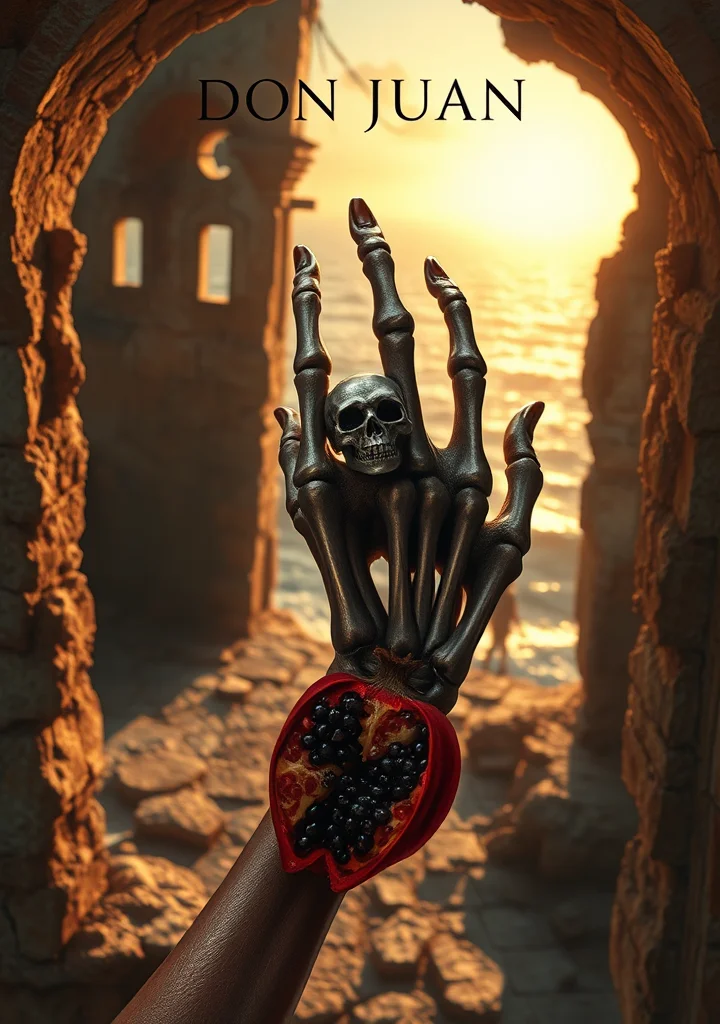
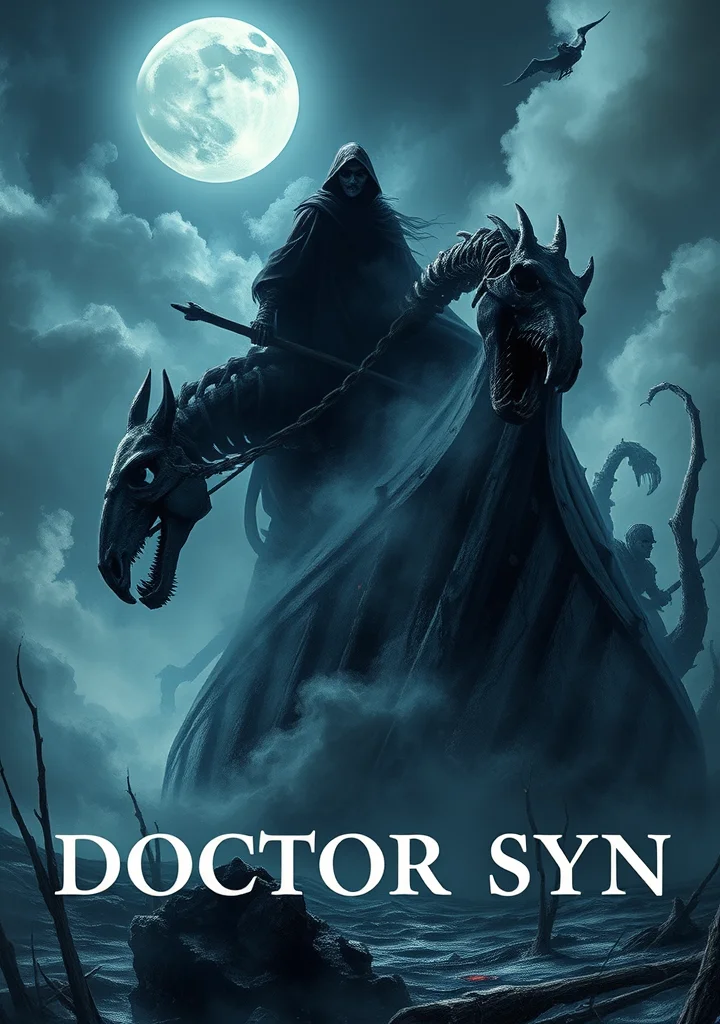
The salt-laced wind howls through the crumbling eaves of Dymchurch, a village steeped in shadow and rumour. Here, the legendary Doctor Syn, a man masked in white, rides with a phantom following – the resurrected dead of smuggling raids, men returned to claim their vengeance upon the living. Fog clings to the marshes, obscuring the skeletal remains of wrecked ships, each a testament to the Doctor’s grim authority. His chapel, carved from the heart of the storm-battered coast, breathes with the cold breath of the sea and the whispers of those he’s called back from watery graves. A creeping dread descends with each tide, as villagers, caught between the gallows’ threat and the Doctor’s spectral justice, find their loyalties fracturing in the face of a terror born of brine and bone. The air tastes of saltpeter and decay, the scent of rebellion mingling with the rot of forgotten sins. It is a world where the line between the living and the damned blurs with every toll of the bell, where the Doctor’s masked face becomes a mirror reflecting the darkest desires of a coast consumed by vengeance. The very stones of Dymchurch seem to weep with the weight of its secrets, held captive by the Doctor’s ghostly command.
Copyright: Public Domain
This license allows anyone to use your story for any purpose, including printing, selling, or adapting it into a film freely.
Recommended for you
6 Part
Dust motes dance in the perpetual twilight of Rackrent Castle, a crumbling edifice steeped in the melancholic scent of damp stone and forgotten linen. Here, generations of the Rackrent family have clung to their ancestral lands, bound by a peculiar, insidious devotion to the estate itself—a devotion that festers alongside the rot in the ancient timbers. The narrative unravels not as a grand saga of heroes, but as a slow, deliberate erosion of fortune and character, narrated by a cynical, observing steward whose voice is as grey as the castle walls. Each chapter whispers of debts accrued, of tenants exploited, and of a creeping moral decay that mirrors the decay of the castle’s fabric. The very air hangs heavy with the weight of unfulfilled promises and the lingering resentment of those who have witnessed the Rackrent legacy unfold. It is a story told in shadows, where the true horror isn’t found in spectral apparitions, but in the quiet, suffocating grip of avarice and the brutal logic of inheritance. The landscape itself becomes a character, a desolate expanse mirroring the barrenness of the Rackrent hearts. The castle’s stones seem to absorb the grief and ambition of each passing generation, becoming a silent judge of their failings. A sense of claustrophobia pervades, not from confined spaces, but from the inescapable weight of the past, pressing down upon the present like a shroud. It is a story of possession – not by ghosts, but by the land, and the insidious power it wields over those who claim to own it.
13 Part
Dust motes dance in the perpetual twilight of the Algerian Sahara, clinging to the crumbling adobe walls of a forgotten fortress. Here, amidst shifting dunes and whispers of ancient Berber lore, lies Khaled, a man bound by a pact with djinn and shadowed by a legacy of blood and sand. The air itself tastes of regret, thick with the scent of myrrh and the phantom cries of generations consumed by the desert’s hunger. Crawford weaves a narrative steeped in the oppressive heat, where loyalty is a brittle thing, and the line between the living and the damned blurs with each scorching sunrise. Khaled isn’t merely a man, but a vessel for a history of violence, haunted by the spirits of those he’s sworn to protect – or to betray. The fortress becomes a suffocating tomb, echoing with the weight of forgotten oaths and the slow decay of stone. Every shadow conceals a betrayal, every whisper carries the threat of a reckoning. The landscape itself becomes a character, mirroring the fractured soul of the man at its heart. Expect not grand spectacle, but the creeping dread of isolation, the suffocating weight of tradition, and the unnerving realization that the true monsters are not those lurking in the darkness, but those born from the sun-scorched earth and the silences between breaths. The story unfolds like a slow poison, seeping into the marrow of your bones until you, too, feel the weight of Khaled’s burden, the desert’s curse, and the chilling promise of oblivion.
11 Part
The Alpine air chills not just the skin, but the very bone, in Johanna Spyri’s *Cornelli*. This is not a tale of pastoral idyll, but of a fractured inheritance clinging to a precipice of stone and shadow. The story unfolds within a fortress of a farmhouse, carved into a mountainside that seems to bleed into the grey sky. A young woman, adrift from a fractured family, finds herself bound to this lonely place – a ward of its ancient, echoing rooms and the silence that clings to them like a shroud. The weight of generations presses down with every gust of wind, and the surrounding peaks seem to watch with cold, unforgiving eyes. The narrative doesn’t rush, but *seeps* into the reader’s consciousness, mirroring the slow erosion of the mountains themselves. It’s a landscape of muted colours, of perpetual twilight, where even the sun feels distant and spectral. The house itself breathes with a history of loss and isolation, each room a mausoleum of forgotten lives. A creeping sense of dread permeates the narrative, not from any overt horror, but from the suffocating weight of loneliness and the unyielding grip of the mountains. *Cornelli* is a novel of confinement, not merely physical, but within the echoing chambers of a haunted past, where the secrets of the land and the family’s history are buried as deep as the roots of the ancient pines. The atmosphere is one of pervasive melancholy, a slow, beautiful decay that clings to the reader long after the final page is turned.