
-
Read 1.5K
-
0
-
Part 222
Completed, First published Mar 02, 2026
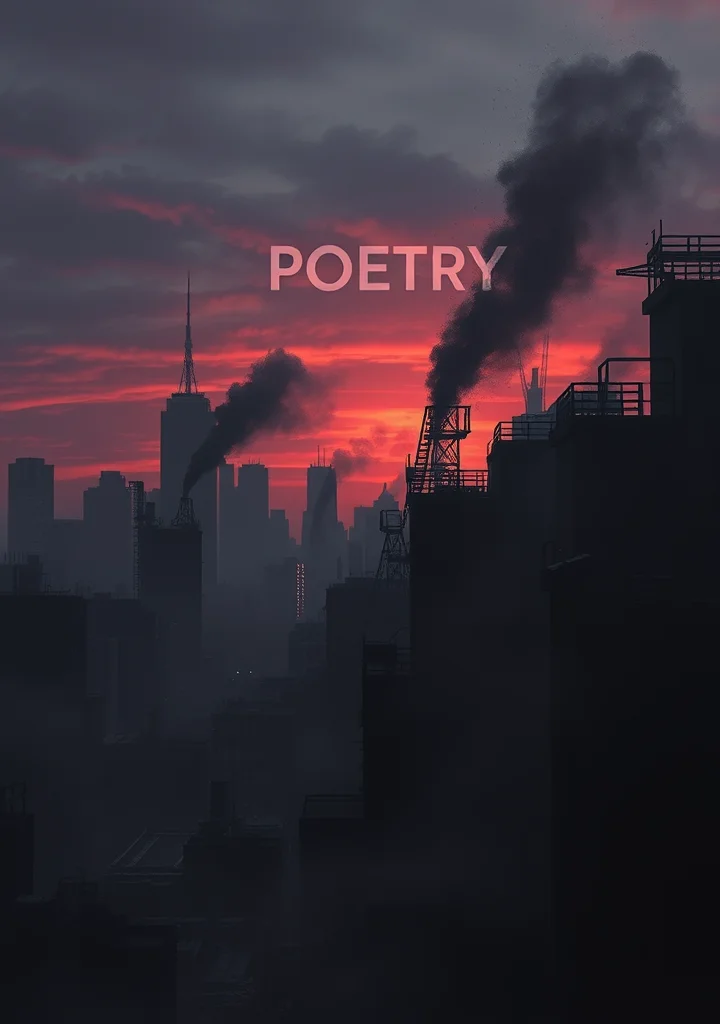
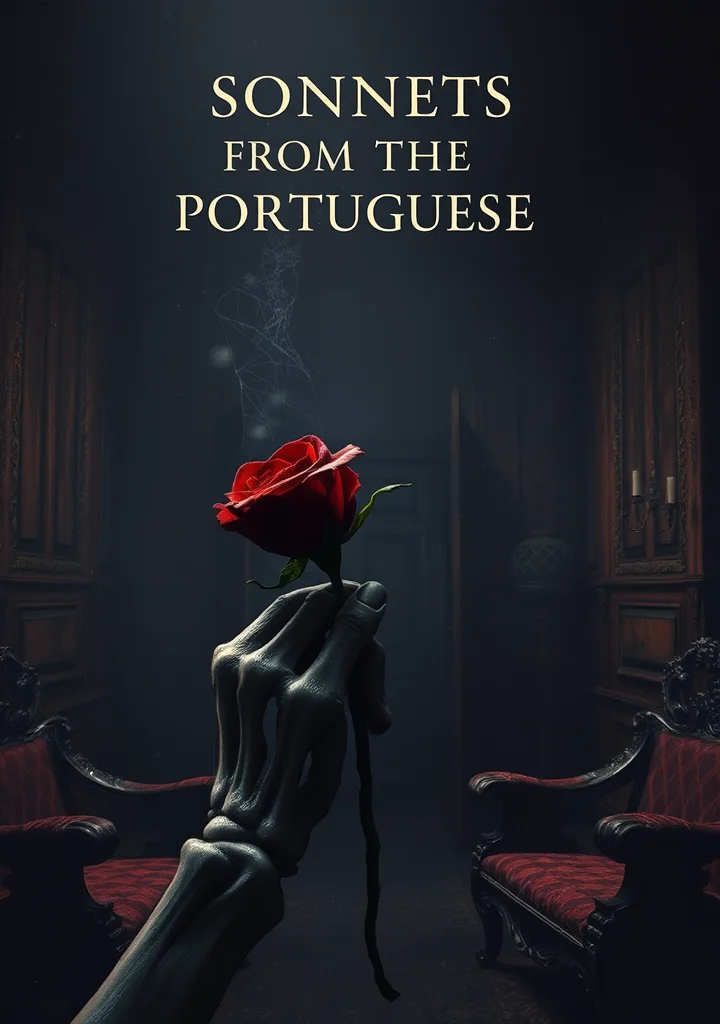
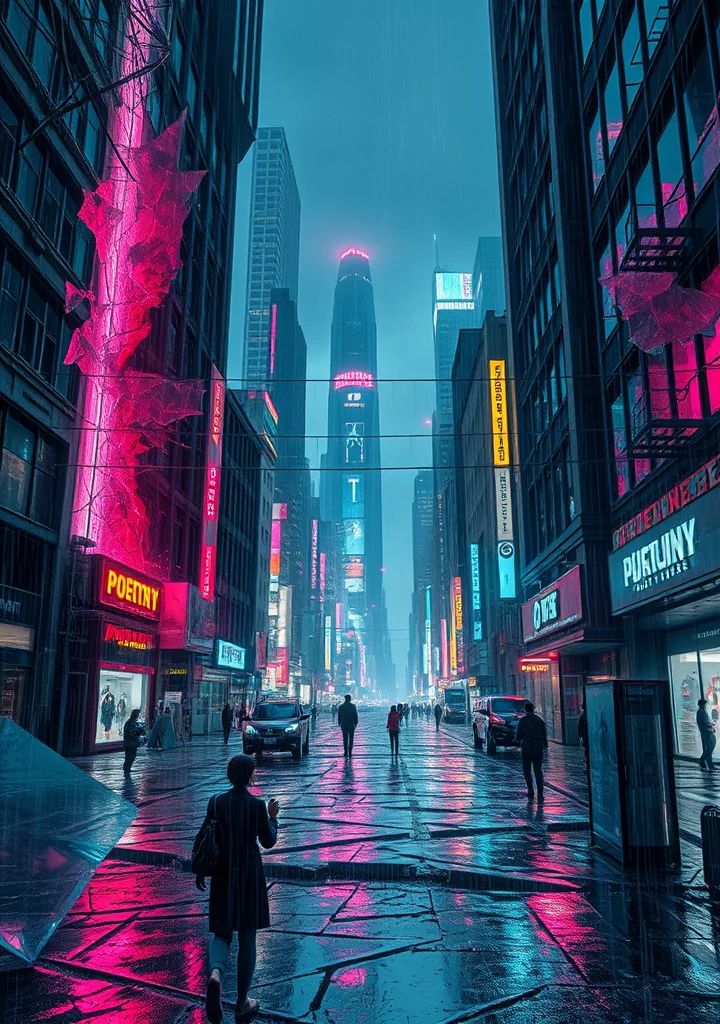
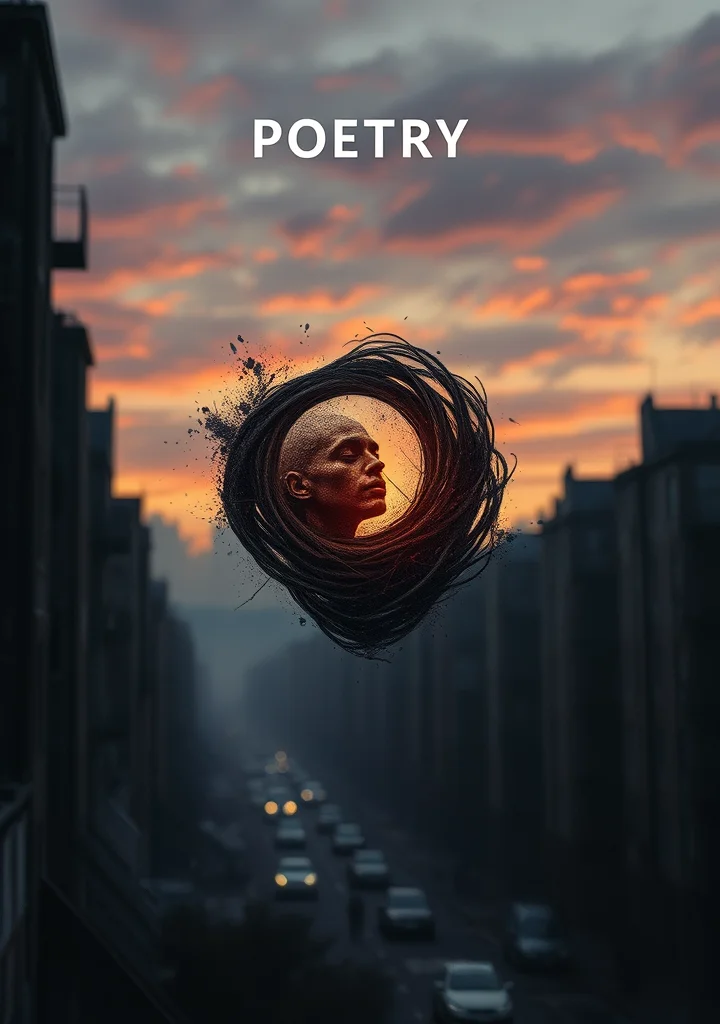
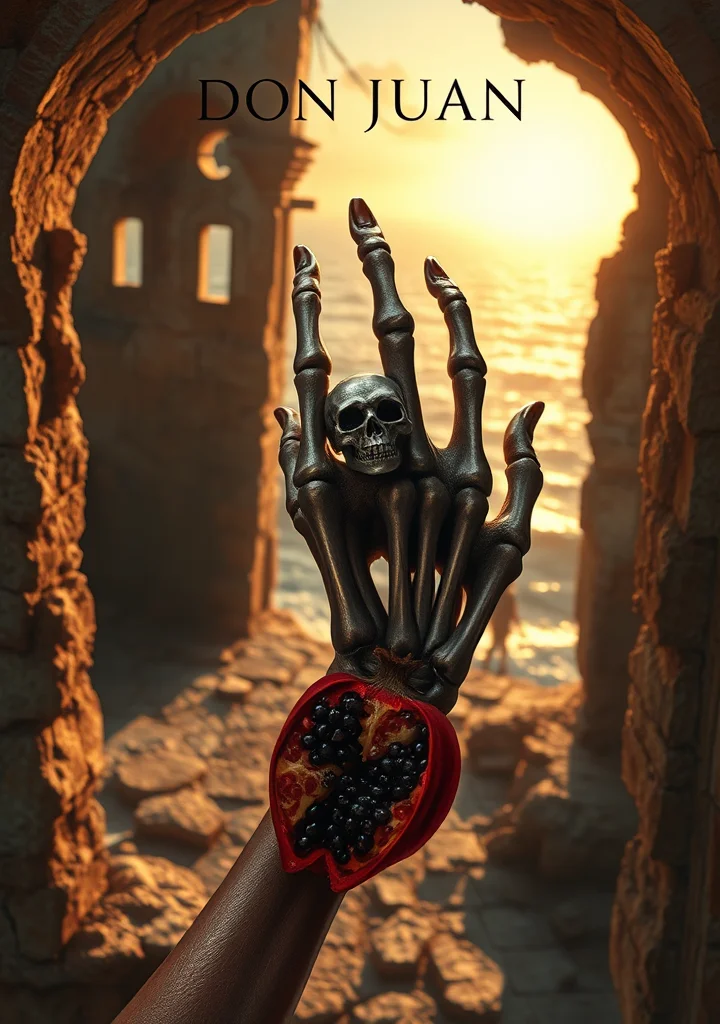
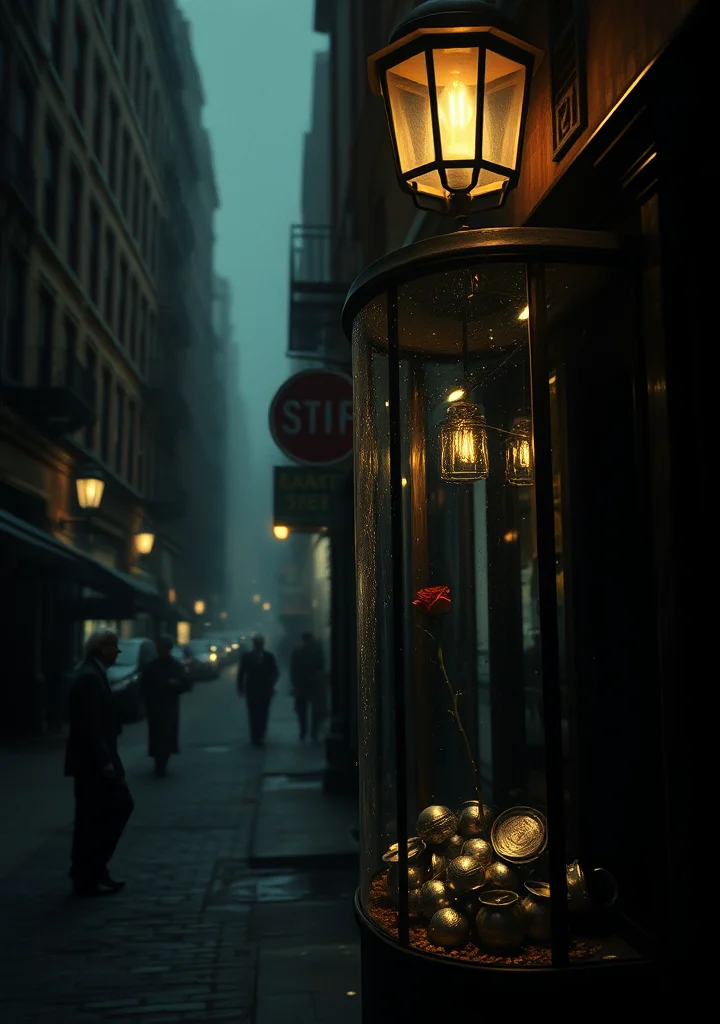
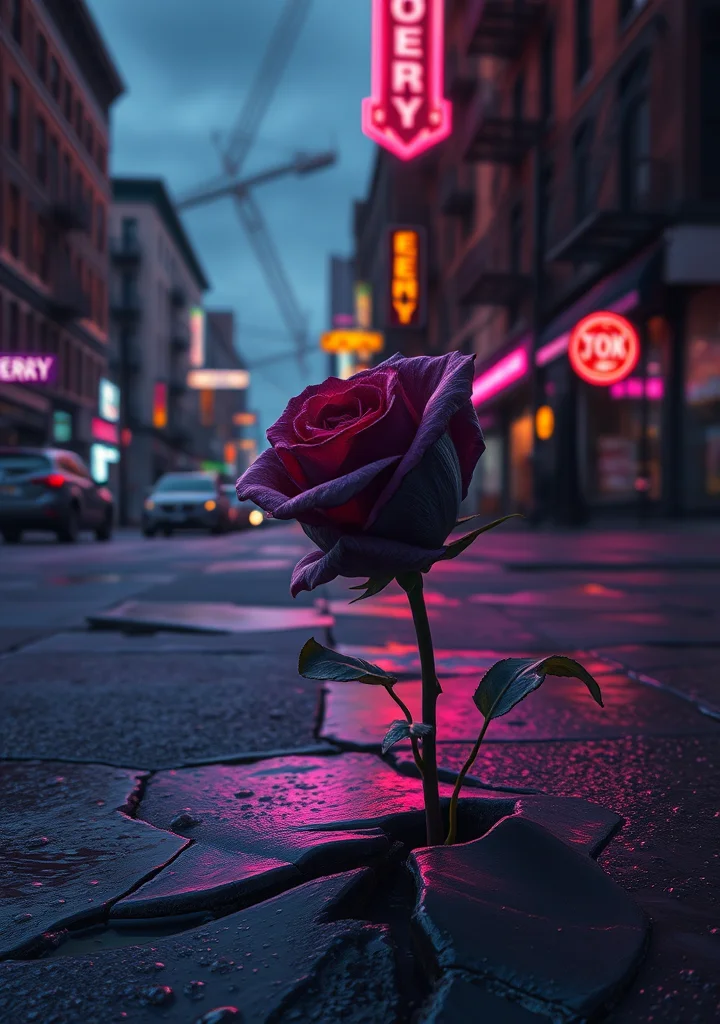
A bruised twilight clings to the shadowed corners of Harlem, where whispers of forgotten gods mingle with the jazzman’s mournful cry. This is not a story of polished verses, but of raw bone-song unearthed from the city’s asphalt heart. Each poem is a cracked windowpane, revealing glimpses of a bruised and beautiful decay—lovers’ promises etched in soot, the weight of ancestral grief clinging to brick walls, and the slow bloom of defiance in the face of a smothering despair.
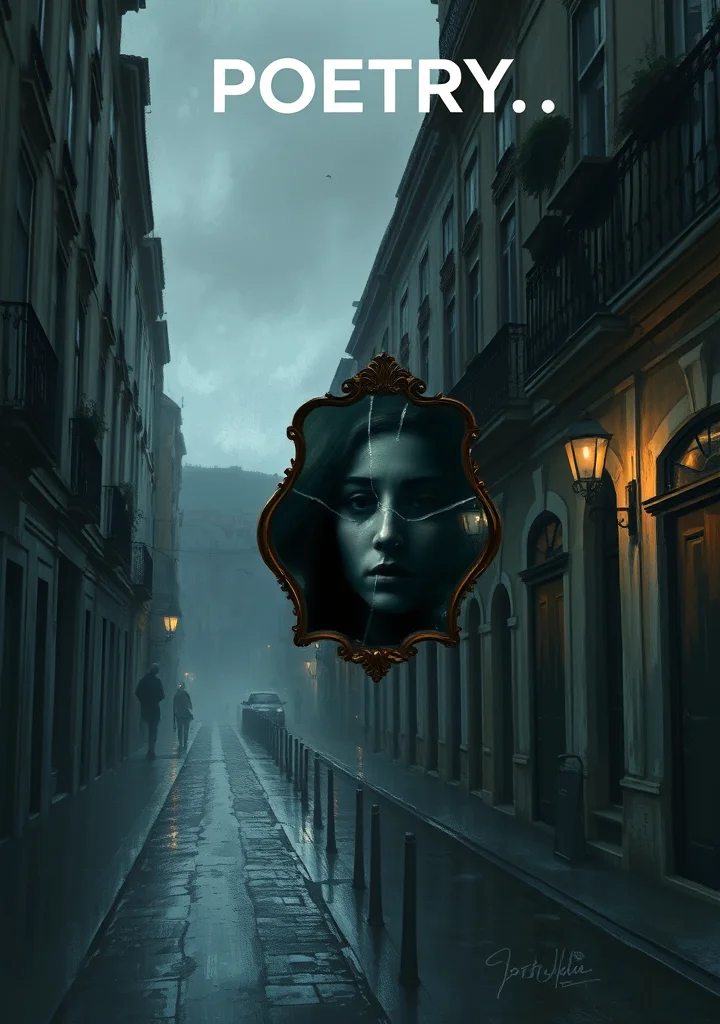
The air hangs thick with the scent of honeysuckle and regret, stained crimson with the ache of blues notes. Here, the streets breathe with a spectral rhythm, and shadows stretch long fingers across tenements teeming with ghosts. A fever-dream of longing pulses beneath the rhythm—a desperate reaching for light in a labyrinth of shadowed alleys. It's a collection of stolen breaths, held too long in the lungs of a city choking on its own sorrow. The pulse of the city is a heartbeat, and the poems are the blood that stains its streets. The words themselves feel like fragments of shattered mirrors, each reflecting a different facet of a soul fractured by longing.
Copyright: Public Domain
This license allows anyone to use your story for any purpose, including printing, selling, or adapting it into a film freely.
This license allows anyone to use your story for any purpose, including printing, selling, or adapting it into a film freely.
Chapter List
-
« Poetry »📖 Continue Reading
-
« Fairies »
-
« Winter Sweetness »
-
« Signs of Spring »
-
« An April Rain Song »
-
« Chapter_7 »
-
« Aunt Sue’s Stories »
-
« The Lament of a Vanquished Beau »
-
« Mister Sandman »
-
« Autumn Thought »
-
« Thanksgiving Time »
-
« The Negro »
-
« Question »
-
« Mexican Market Woman »
-
« The New Moon »
-
« To a Dead Friend »
-
« My Loves »
-
« The South »
-
« Laughers »
-
« Danse Africaine »
-
« After Many Springs »
-
« Beggar Boy »
-
« Song for a Banjo Dance »
-
« Mother to Son »
-
« When Sue Wears Red »
-
« A Black Pierrot »
-
« Justice »
-
« Monotony »
-
« Dreams »
-
« Poem »
-
« Our Land »
-
« The Last Feast of Belshazzar »
-
« Young Prostitute »
-
« Jazzonia »
-
« Shadows »
-
« Cabaret »
-
« Winter Moon »
-
« Young Singer »
-
« Prayer Meeting »
-
« Poem »
-
« The Little Frightened Child »
-
« My Beloved »
-
« The White Ones »
-
« Grant Park »
-
« Gods »
-
« Fire-Caught »
-
« Song for a Suicide »
-
« Prayer for a Winter Night »
-
« Lament for Dark Peoples »
-
« Fascination »
-
« Poem »
-
« Mammy »
-
« Dream Variation »
-
« Afraid »
-
« Subway Face »
-
« A Song to a Negro Wash-Woman »
-
« The Poppy Flower »
-
« Troubled Woman »
-
« Johannesburg Mines »
-
« To Certain Intellectuals »
-
« Steel Mills »
-
« Negro Dancer »
-
« Liars »
-
« Sea Charm »
-
« The Dream Keeper »
-
« Song »
-
« Poem »
-
« An Earth Song »
-
« I Too »
-
« Chapter_71 »
-
« God to Hungry Child »
-
« Chapter_73 »
-
« Park Benching »
-
« Rising Waters »
-
« The Weary Blues »
-
« Prayer »
-
« Poem »
-
« America »
-
« To Certain “Brothers” »
-
« Suicide’s Note »
-
« Fantasy in Purple »
-
« To Midnight Nan at Leroy’s »
-
« Young Bridge »
-
« The Jester »
-
« Soledad »
-
« Poem »
-
« Cross »
-
« Summer Night »
-
« Disillusion »
-
« Jazz Band in a Parisian Cabaret »
-
« Minstrel Man »
-
« Nude Young Dancer »
-
« Songs to the Dark Virgin »
-
« Young Sailor »
-
« Joy »
-
« Strange Hurt She Knew »
-
« Star Seeker »
-
« Lullaby »
-
« Salome »
-
« The Ring »
-
« Midwinter Blues »
-
« Gypsy Man »
-
« Ma Man »
-
« Love Song for Lucinda »
-
« Teacher »
-
« Minnie Sings Her Blues »
-
« Listen Here Blues »
-
« Fortune Teller Blues »
-
« Judgment Day »
-
« Wide River »
-
« Homesick Blues »
-
« Ruby Brown »
-
« Formula »
-
« Autumn Note »
-
« For Dead Mimes »
-
« New Year »
-
« Epitaph »
-
« To Beauty »
-
« Bound No’th Blues »
-
« Lonesome Place »
-
« Misery »
-
« Bad Luck Card »
-
« Feet o’ Jesus »
-
« Down an’ Out »
-
« Fog »
-
« Pictures to the Wall »
-
« Walls »
-
« Beale Street Love »
-
« Dressed Up »
-
« A House in Taos »
-
« Rain »
-
« Sun »
-
« Moon »
-
« Wind »
-
« Suicide »
-
« Hard Luck »
-
« Po’ Boy Blues »
-
« Red Roses »
-
« Railroad Adventure »
-
« Elevator Boy »
-
« Stars »
-
« Brass Spitoons »
-
« The New Cabaret Girl »
-
« Argument »
-
« Saturday Night »
-
« The Cat and the Saxophone »
-
« To a Little Lover-Lass, Dead »
-
« Harlem Night Club »
-
« To a Black Dancer in “The Little Savoy” »
-
« Blues Fantasy »
-
« Lenox Avenue: Midnight »
-
« Poème d’Automne »
-
« March Moon »
-
« As I Grew Older »
-
« Harlem Night Song »
-
« Ardella »
-
« Pierrot »
-
« Water-Front Streets »
-
« A Farewell »
-
« Long Trip »
-
« Port Town »
-
« Sea Calm »
-
« Caribbean Sunset »
-
« Natcha »
-
« Death of an Old Seaman »
-
« Sick Room »
-
« To the Dark Mercedes of “El Palacio de Amor” »
-
« Mulatto »
-
« A Letter to Anne »
-
« In the Mist of the Moon »
-
« Song »
-
« For an Indian Screen »
-
« Day »
-
« Passing Love »
-
« Chapter_176 »
-
« Song for a Dark Girl »
-
« Gal’s Cry for a Dying Lover »
-
« Desire »
-
« Bulwark »
-
« Wise Men »
-
« Poem for Youth »
-
« The Naughty Child »
-
« Mona »
-
« Ma Lord »
-
« Tapestry »
-
« Nocturne for the Drums »
-
« Success »
-
« Being Old »
-
« Montmartre Beggar Woman »
-
« I Thought It Was Tangiers I Wanted »
-
« Dreamer »
-
« Hey! »
-
« Hey! Hey! »
-
« Bad Man »
-
« Closing Time »
-
« Prize Fighter »
-
« Crap Game »
-
« Ballad of Gin Mary »
-
« Death of Do Dirty »
-
« Porter »
-
« Sport »
-
« Shout »
-
« Fire »
-
« Moan »
-
« Angels Wings »
-
« Sinner »
-
« Cora »
-
« Workin’ Man »
-
« Baby »
-
« Evil Woman »
-
« A Ruined Gal »
-
« Sun Song »
-
« Magnolia Flowers »
-
« Red Silk Stockings »
-
« Young Gal’s Blues »
-
« Hard Daddy »
-
« Sunset—Coney Island »
-
« Nonette »
-
« Chapter_220 »
-
« Mazie Dies Alone in the City Hospital »
-
« Hurt »
-
« Lady in Cabaret »
222
-
« Poetry »
-
« Fairies »
-
« Winter Sweetness »
-
« Signs of Spring »
-
« An April Rain Song »
-
« Chapter_7 »
-
« Aunt Sue’s Stories »
-
« The Lament of a Vanquished Beau »
-
« Mister Sandman »
-
« Autumn Thought »
-
« Thanksgiving Time »
-
« The Negro »
-
« Question »
-
« Mexican Market Woman »
-
« The New Moon »
-
« To a Dead Friend »
-
« My Loves »
-
« The South »
-
« Laughers »
-
« Danse Africaine »
-
« After Many Springs »
-
« Beggar Boy »
-
« Song for a Banjo Dance »
-
« Mother to Son »
-
« When Sue Wears Red »
-
« A Black Pierrot »
-
« Justice »
-
« Monotony »
-
« Dreams »
-
« Poem »
-
« Our Land »
-
« The Last Feast of Belshazzar »
-
« Young Prostitute »
-
« Jazzonia »
-
« Shadows »
-
« Cabaret »
-
« Winter Moon »
-
« Young Singer »
-
« Prayer Meeting »
-
« Poem »
-
« The Little Frightened Child »
-
« My Beloved »
-
« The White Ones »
-
« Grant Park »
-
« Gods »
-
« Fire-Caught »
-
« Song for a Suicide »
-
« Prayer for a Winter Night »
-
« Lament for Dark Peoples »
-
« Fascination »
-
« Poem »
-
« Mammy »
-
« Dream Variation »
-
« Afraid »
-
« Subway Face »
-
« A Song to a Negro Wash-Woman »
-
« The Poppy Flower »
-
« Troubled Woman »
-
« Johannesburg Mines »
-
« To Certain Intellectuals »
-
« Steel Mills »
-
« Negro Dancer »
-
« Liars »
-
« Sea Charm »
-
« The Dream Keeper »
-
« Song »
-
« Poem »
-
« An Earth Song »
-
« I Too »
-
« Chapter_71 »
-
« God to Hungry Child »
-
« Chapter_73 »
-
« Park Benching »
-
« Rising Waters »
-
« The Weary Blues »
-
« Prayer »
-
« Poem »
-
« America »
-
« To Certain “Brothers” »
-
« Suicide’s Note »
-
« Fantasy in Purple »
-
« To Midnight Nan at Leroy’s »
-
« Young Bridge »
-
« The Jester »
-
« Soledad »
-
« Poem »
-
« Cross »
-
« Summer Night »
-
« Disillusion »
-
« Jazz Band in a Parisian Cabaret »
-
« Minstrel Man »
-
« Nude Young Dancer »
-
« Songs to the Dark Virgin »
-
« Young Sailor »
-
« Joy »
-
« Strange Hurt She Knew »
-
« Star Seeker »
-
« Lullaby »
-
« Salome »
-
« The Ring »
-
« Midwinter Blues »
-
« Gypsy Man »
-
« Ma Man »
-
« Love Song for Lucinda »
-
« Teacher »
-
« Minnie Sings Her Blues »
-
« Listen Here Blues »
-
« Fortune Teller Blues »
-
« Judgment Day »
-
« Wide River »
-
« Homesick Blues »
-
« Ruby Brown »
-
« Formula »
-
« Autumn Note »
-
« For Dead Mimes »
-
« New Year »
-
« Epitaph »
-
« To Beauty »
-
« Bound No’th Blues »
-
« Lonesome Place »
-
« Misery »
-
« Bad Luck Card »
-
« Feet o’ Jesus »
-
« Down an’ Out »
-
« Fog »
-
« Pictures to the Wall »
-
« Walls »
-
« Beale Street Love »
-
« Dressed Up »
-
« A House in Taos »
-
« Rain »
-
« Sun »
-
« Moon »
-
« Wind »
-
« Suicide »
-
« Hard Luck »
-
« Po’ Boy Blues »
-
« Red Roses »
-
« Railroad Adventure »
-
« Elevator Boy »
-
« Stars »
-
« Brass Spitoons »
-
« The New Cabaret Girl »
-
« Argument »
-
« Saturday Night »
-
« The Cat and the Saxophone »
-
« To a Little Lover-Lass, Dead »
-
« Harlem Night Club »
-
« To a Black Dancer in “The Little Savoy” »
-
« Blues Fantasy »
-
« Lenox Avenue: Midnight »
-
« Poème d’Automne »
-
« March Moon »
-
« As I Grew Older »
-
« Harlem Night Song »
-
« Ardella »
-
« Pierrot »
-
« Water-Front Streets »
-
« A Farewell »
-
« Long Trip »
-
« Port Town »
-
« Sea Calm »
-
« Caribbean Sunset »
-
« Natcha »
-
« Death of an Old Seaman »
-
« Sick Room »
-
« To the Dark Mercedes of “El Palacio de Amor” »
-
« Mulatto »
-
« A Letter to Anne »
-
« In the Mist of the Moon »
-
« Song »
-
« For an Indian Screen »
-
« Day »
-
« Passing Love »
-
« Chapter_176 »
-
« Song for a Dark Girl »
-
« Gal’s Cry for a Dying Lover »
-
« Desire »
-
« Bulwark »
-
« Wise Men »
-
« Poem for Youth »
-
« The Naughty Child »
-
« Mona »
-
« Ma Lord »
-
« Tapestry »
-
« Nocturne for the Drums »
-
« Success »
-
« Being Old »
-
« Montmartre Beggar Woman »
-
« I Thought It Was Tangiers I Wanted »
-
« Dreamer »
-
« Hey! »
-
« Hey! Hey! »
-
« Bad Man »
-
« Closing Time »
-
« Prize Fighter »
-
« Crap Game »
-
« Ballad of Gin Mary »
-
« Death of Do Dirty »
-
« Porter »
-
« Sport »
-
« Shout »
-
« Fire »
-
« Moan »
-
« Angels Wings »
-
« Sinner »
-
« Cora »
-
« Workin’ Man »
-
« Baby »
-
« Evil Woman »
-
« A Ruined Gal »
-
« Sun Song »
-
« Magnolia Flowers »
-
« Red Silk Stockings »
-
« Young Gal’s Blues »
-
« Hard Daddy »
-
« Sunset—Coney Island »
-
« Nonette »
-
« Chapter_220 »
-
« Mazie Dies Alone in the City Hospital »
-
« Hurt »
-
« Lady in Cabaret »
More like this