
-
Read 748
-
0
-
Part 46
Completed, First published Mar 02, 2026
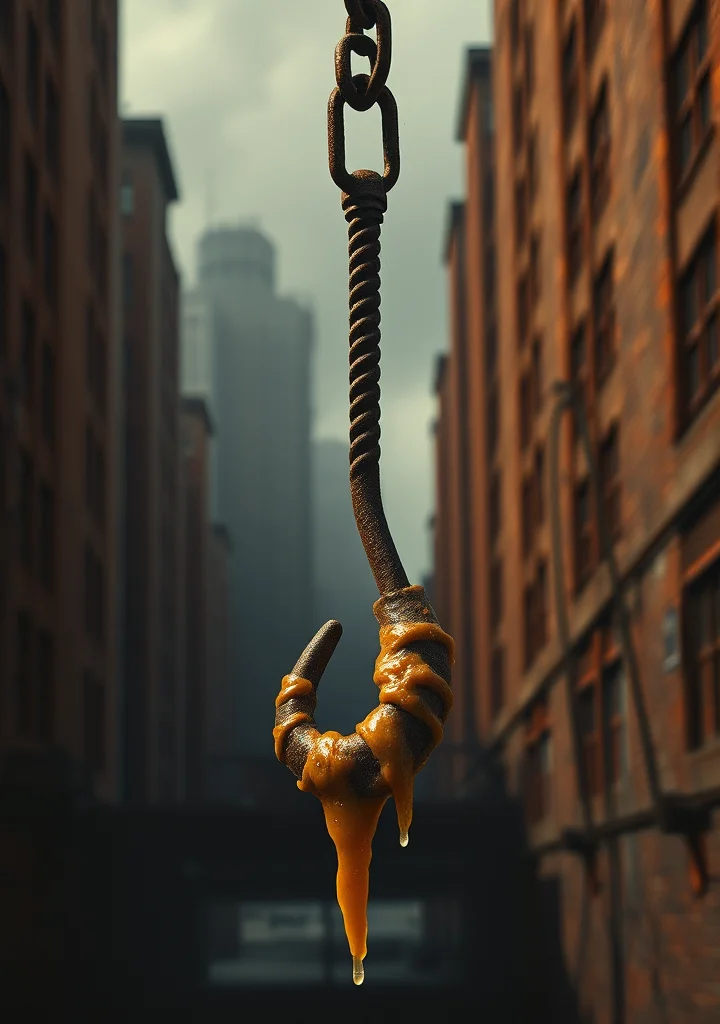
A suffocating humidity clings to every shadowed corner of the narrative, thick with the scent of rot and despair. The Louisiana bayous breathe a feverish stillness, mirroring the stifled cries within plantation houses built on foundations of bone dust. Sun-drenched fields bleed into the darkness of slave pens, where the air hangs heavy with the weight of broken promises and the metallic tang of blood. Though ostensibly a tale of escape, the true horror isn’t the lash or the chain, but the insidious decay of the human spirit – a slow, deliberate fracturing of faith witnessed through the vacant eyes of those deemed property. The cabins themselves become tombs, haunted by the ghosts of stolen futures and the silent lament of mothers mourning children torn from their arms. A relentless, creeping dread permeates the story, not from monstrous villains, but from the casual cruelty woven into the very fabric of a society. The narrative is less a flight *from* bondage, and more a descent into a suffocating, inescapable darkness where even salvation feels like a phantom limb. The whispers of hope are fragile as moth wings, easily crushed beneath the weight of a world built on the commodity of human suffering, leaving only the echo of weeping in the cypress swamps.
Copyright: Public Domain
This license allows anyone to use your story for any purpose, including printing, selling, or adapting it into a film freely.
This license allows anyone to use your story for any purpose, including printing, selling, or adapting it into a film freely.
Chapter List
-
« Uncle Tom’s Cabin »📖 Continue Reading
-
« I »
-
« II »
-
« III »
-
« IV »
-
« V »
-
« VI »
-
« VII »
-
« VIII »
-
« IX »
-
« X »
-
« XI »
-
« Chapter_15 »
-
« XIII »
-
« Chapter_17 »
-
« XV »
-
« XVI »
-
« XVII »
-
« XVIII »
-
« XIX »
-
« XX »
-
« XXI »
-
« XXII »
-
« XXIII »
-
« XXIV »
-
« XXV »
-
« Chapter_30 »
-
« XXVII »
-
« XXVIII »
-
« XXIX »
-
« XXX »
-
« Chapter_35 »
-
« Chapter_36 »
-
« Chapter_37 »
-
« Chapter_38 »
-
« Chapter_39 »
-
« XXXVI »
-
« Chapter_41 »
-
« Chapter_42 »
-
« Chapter_43 »
-
« Chapter_44 »
-
« XLI »
-
« XLII »
-
« XLIII »
-
« XLIV »
-
« XLV »
46
-
« Uncle Tom’s Cabin »
-
« I »
-
« II »
-
« III »
-
« IV »
-
« V »
-
« VI »
-
« VII »
-
« VIII »
-
« IX »
-
« X »
-
« XI »
-
« Chapter_15 »
-
« XIII »
-
« Chapter_17 »
-
« XV »
-
« XVI »
-
« XVII »
-
« XVIII »
-
« XIX »
-
« XX »
-
« XXI »
-
« XXII »
-
« XXIII »
-
« XXIV »
-
« XXV »
-
« Chapter_30 »
-
« XXVII »
-
« XXVIII »
-
« XXIX »
-
« XXX »
-
« Chapter_35 »
-
« Chapter_36 »
-
« Chapter_37 »
-
« Chapter_38 »
-
« Chapter_39 »
-
« XXXVI »
-
« Chapter_41 »
-
« Chapter_42 »
-
« Chapter_43 »
-
« Chapter_44 »
-
« XLI »
-
« XLII »
-
« XLIII »
-
« XLIV »
-
« XLV »
More like this