
Behind a Mask
  • 76
  • 0
  • 10
  • Reads 76
  • 0
  • Part 10
Completed, First published Mar 02, 2026

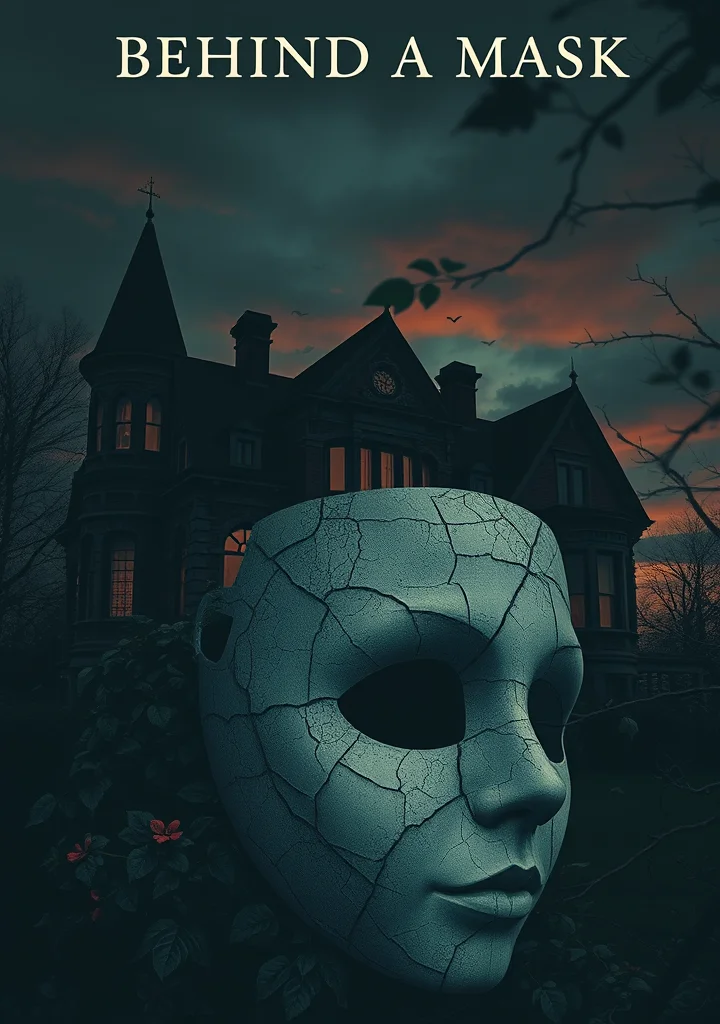
A creeping dread clings to the shadowed halls of Blackwood Manor, where Jean Muir, orphaned and veiled in circumstance, arrives as a governess. Not for children, but for the haunted legacy of Lord Ashworth, a man consumed by grief and shadowed by whispers of a stolen inheritance. The estate breathes with a stifled sorrow, mirroring the secrets Jean unearths within the Ashworth family – a lineage fractured by ambition, veiled identities, and a chilling obsession with preserving appearances. Each darkened room seems to hold a phantom echo of past betrayals, while the winter landscape outside mirrors the frigid isolation closing around Jean. Her every kindness, her attempts to unravel the Ashworth’s despair, are met with veiled resistance and a growing sense of being watched. The mask worn by Lord Ashworth is not merely sorrow; it is a shield for something far more sinister, and Jean finds herself drawn into a labyrinth of deception where love and loyalty are bartered for power, and the truth is buried beneath layers of perfidy. A suffocating elegance pervades the manor, a stifling perfume of decay clinging to antique fabrics and polished wood. The air itself feels thick with the weight of unspoken accusations, and Jean, though determined, feels increasingly trapped within a web of inherited malice. The shadows lengthen with each passing day, and the line between protector and prisoner blurs as she discovers that behind every mask lies a darkness eager to consume her.
Copyright: Public Domain
This license allows anyone to use your story for any purpose, including printing, selling, or adapting it into a film freely.
Recommended for you
13 Part
A creeping dampness clings to the cobblestones of Harrowgate, mirroring the rot within the gilded cages of its elite. Tawney’s narrative exhumes a city suffocated not by plague, but by insatiable appetite—a hunger for legacy, for possessions, for the very husks of lives consumed by ambition. Each manor house exhales secrets in the draughty hallways, whispers of fortunes built on shadowed deals and the slow, deliberate erasure of inconvenient kin. The air is thick with the scent of beeswax polish masking decay, of velvet drapes concealing dust-motes dancing in the perpetual twilight. A brittle elegance permeates everything, a performance of refinement barely masking the desperation beneath. The protagonist, a scholar of inherited debts, is drawn into a labyrinth of estates where the acquisition of wealth has birthed a monstrous lineage, each heir a parasite feeding on the dwindling inheritance of their predecessors. Shadows stretch long from the gas lamps, revealing not merely figures in the gloom, but the spectral remnants of those whose possessions were claimed—their faces etched into the very wallpaper, their voices woven into the fabric of the antique furniture. The true horror isn’t the taking of things, but the hollowness that remains when everything has been bought and sold, leaving only the echoing emptiness of a soul willingly traded for another’s gain. A creeping dread permeates every room, a sense of being watched by the objects themselves, each piece of furniture a silent judge, each portrait a veiled accusation.

42 Part
A chilling wind sweeps across frozen plains, mirroring the fracturing of ideals within Emma Goldman’s heart. This is not a chronicle of revolution’s triumph, but a descent into the grey, suffocating disillusionment of a promised land turned prison. The narrative unfolds amidst snow-drifted streets and shadowed interiors, where the fervor of anarchist dreams curdles into the bitter taste of betrayal. Goldman’s prose bleeds with the icy resignation of witnessing a people’s hope strangled by bureaucracy and the suffocating weight of a new tyranny. The air hangs thick with the scent of coal smoke and unspoken despair, as Goldman navigates a landscape of whispered accusations and broken promises. Every encounter – a hushed conversation in a cramped apartment, a furtive exchange of pamphlets, a glimpse of hollow eyes in the breadline – is rendered in shades of muted grey, reflecting the erosion of conviction. It is a story of isolation, of the agonizing realization that even in the wake of upheaval, the chains of oppression merely shift their hold, tightening around the spirit. A haunting stillness pervades the pages, broken only by the distant howl of wolves and the echoing thud of boots on cobblestones, a constant reminder of the ever-present surveillance. The narrative doesn't offer explosions of rebellion, but the slow, agonizing freeze of a heart witnessing the birth of a new darkness, a darkness born not of malice, but of the crushing weight of unrealized expectation.