
The Rector and The Doctor’s Family
  • 102
  • 0
  • 25
  • Reads 102
  • 0
  • Part 25
Completed, First published Mar 02, 2026

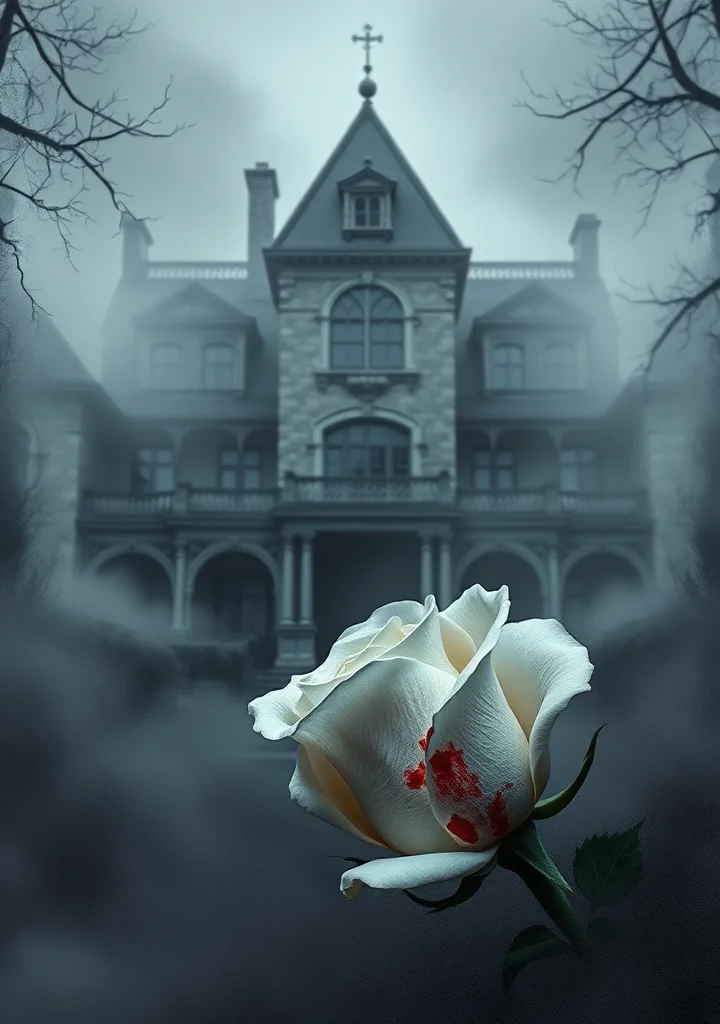
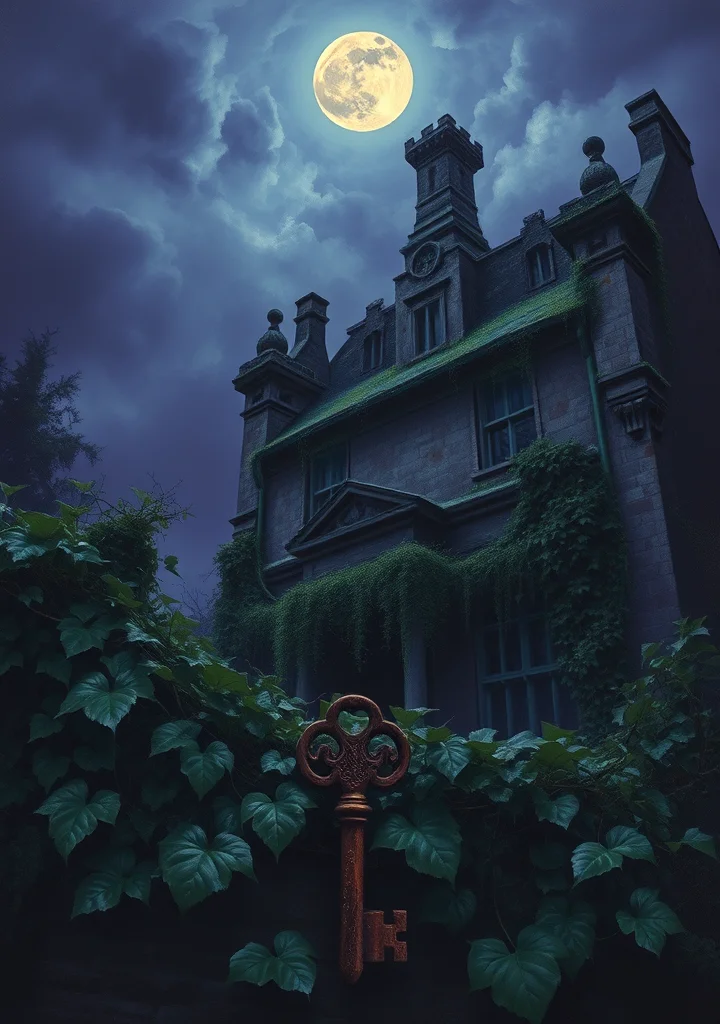
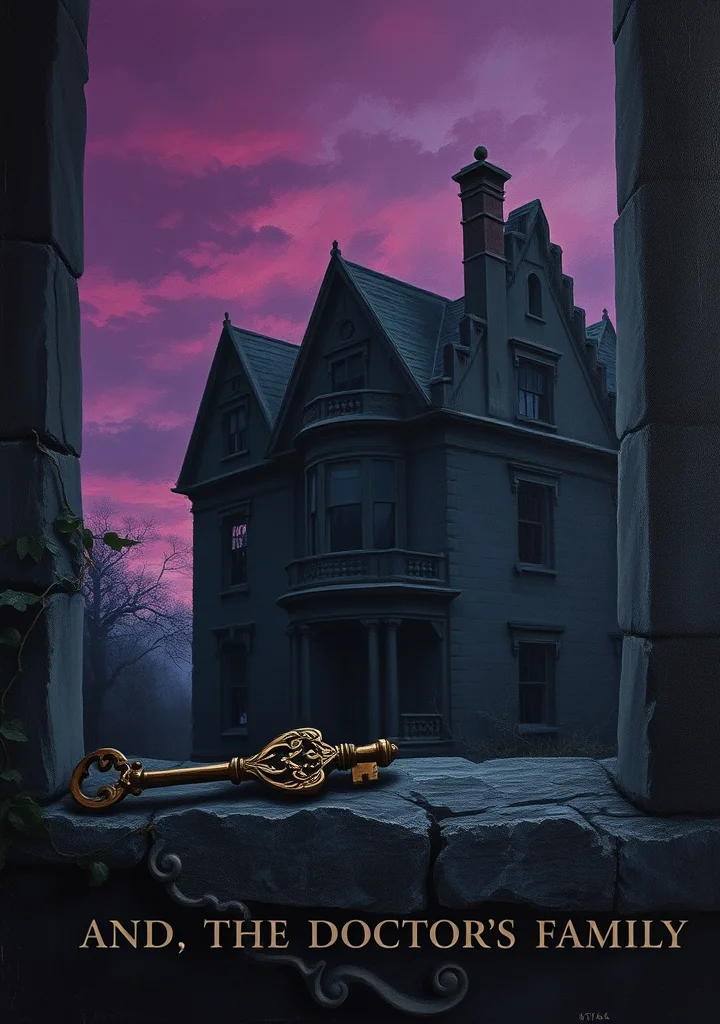
A creeping dread settles over the village of Lindeth, a place steeped in shadow and the scent of decaying grandeur. The Rector, a man haunted by quiet grief and a past he cannot outrun, finds himself inexorably drawn into the orbit of the Doctor’s family – a brittle, decaying lineage clinging to respectability amidst whispers of inherited madness. The house itself, a stone leviathan overlooking the grey expanse of the moor, breathes with a suffocating stillness, mirroring the suffocated lives within. A subtle unraveling begins, a slow bleed of secrets into the damp air. The Doctor's wife, a woman carved from ice and regret, watches her children with a chilling detachment, while their very existence feels predicated on a delicate, unspoken bargain. The Rector’s attempts at benevolent observation become entangled in a web of suppressed resentments, hidden debts, and a history of heartbreak that stains every antique surface. Fog clings to the cobbled streets, mirroring the obscuring influence of family history. The narrative moves not with swift shocks, but with the slow, deliberate chill of a winter frost. Each act of kindness, each offered prayer, feels tainted by the pervasive sense that something unspeakable is being prolonged, not prevented. A suffocating claustrophobia descends as the Rector's sympathy becomes complicity, and the house, the family, and the moor itself conspire to conceal a darkness at the heart of Lindeth’s soul. It is a story of the living dead, bound by obligation and circumstance, where the true horror lies not in what is revealed, but in what remains forever buried within the stone walls and fractured hearts.
Copyright: Public Domain
This license allows anyone to use your story for any purpose, including printing, selling, or adapting it into a film freely.
Recommended for you
38 Part
The manor exhales rot and regret. Dust motes dance in the slivers of moonlight piercing the boarded windows of Harrowgate, a place already swallowed by shadow before the first stone was laid. Within, the sisters – Elara, Lyra, and Wren – move as ghosts among the decaying finery, each blind in her own way. Not with eyes unseeing, but with hearts hollowed by a grief that curdles into something venomous, something hungry. They were born of a bargain struck with the land itself, a pact made to ensure their father’s fortune. Now, he’s gone, leaving only whispers of a monstrous inheritance and the echoing click of claws on stone floors. Each sister sees glimpses – fractured reflections in cracked mirrors, the phantom touch of cold hands, the scent of wet earth rising from beneath the floorboards. The manor breathes with the memory of their mother, lost to the labyrinthine gardens years ago, a loss they were told was a fever. But the whispers insist it was something else, something woven into the very fabric of Harrowgate. A darkness that doesn't merely haunt the house, but *is* the house. As the sisters unravel the threads of their father’s secrets, they discover that their blindness isn't merely sorrow, but a shield. For the things that stalk the corridors of Harrowgate are drawn to those who see too much. And the closer they come to the truth, the more they realize that they are not just hunted by what lurks within the manor walls, but by the insidious rot blooming within their own bloodlines. Each shadowed corner holds a fragment of a forgotten ritual, a piece of a monstrous puzzle, and the creeping realization that they, too, are becoming something monstrously akin to the darkness they seek to understand.
45 Part
A perpetual twilight clings to the crumbling manors and shadowed forests of Värmland, where the legend of Gösta Berling unfolds. He is a ghost amongst the living, a disinherited nobleman drifting through the estates of his former masters, bound by a debt of storytelling to the aging, melancholic Ylva. Each tale he spins is a fragment of a fractured past—of forbidden loves, of battles lost and won in the hearts of men, of the spectral weight of ancestral sins. The air is thick with the scent of decaying grandeur, the rustle of secrets in long corridors, and the mournful howl of wolves mirroring the hunger within Gösta’s own soul. The narrative is less a linear progression than a haunting procession of characters—a spectral cavalcade of priests, peasants, and fallen aristocrats—each touched by Gösta’s wandering hand. Their lives intertwine and unravel amidst the harsh beauty of the Scandinavian landscape, stained crimson by autumn’s decay. A simmering, fatalistic romance blooms within the confines of Ylva's decaying manor, shadowed by the specter of Gösta's past and the encroaching darkness of a world indifferent to honor or grace. Every whispered confidence, every stolen glance, is laced with the premonition of tragedy—a world where salvation is a fragile illusion and the echoes of loss resonate through generations. The very stones of the estates seem to weep with forgotten grief, absorbing the stories Gösta tells until they become indistinguishable from the land’s own ancient sorrow.

72 Part
The air hangs thick with the scent of decay and damp earth within the crumbling chateau of Clerambault. Here, amidst shadowed corridors and portraits whose eyes seem to follow your every move, a man named Jean, haunted by a past he cannot escape, wages a silent war against his own fracturing mind. The estate itself is a character—a labyrinthine monument to a noble lineage crumbling under the weight of inherited madness and suffocating isolation. Rolland weaves a suffocating atmosphere of psychological torment, where the boundaries between reality and delusion blur with each echoing footstep. Jean's descent is not marked by dramatic outbursts, but by a creeping, insidious unraveling—a quiet rot consuming him from within. The oppressive weight of family history, the suffocating expectations of his ancestral home, and the insidious whispers of his own internal demons create a sense of dread that clings to the reader like a shroud. Sunlight rarely penetrates the overgrown gardens or the dust-veiled windows, lending the narrative a perpetual twilight. Every creaking floorboard, every rustle of leaves, is imbued with a sinister significance. The true horror isn’t found in specters or ghouls, but in the slow, agonizing disintegration of a man’s sanity, witnessed through the fractured lens of his own unreliable perception. It is a story steeped in the melancholic beauty of ruin, a haunting meditation on the fragility of the self, and the suffocating power of memory.