
-
Read 458
-
0
-
Part 38
Completed, First published Mar 02, 2026
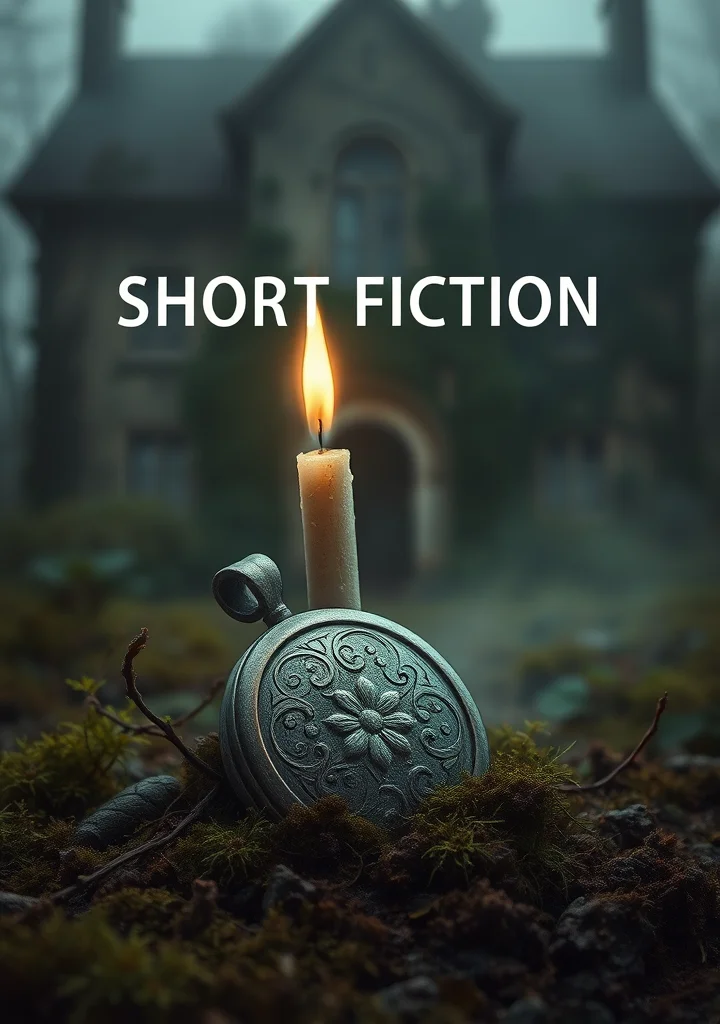
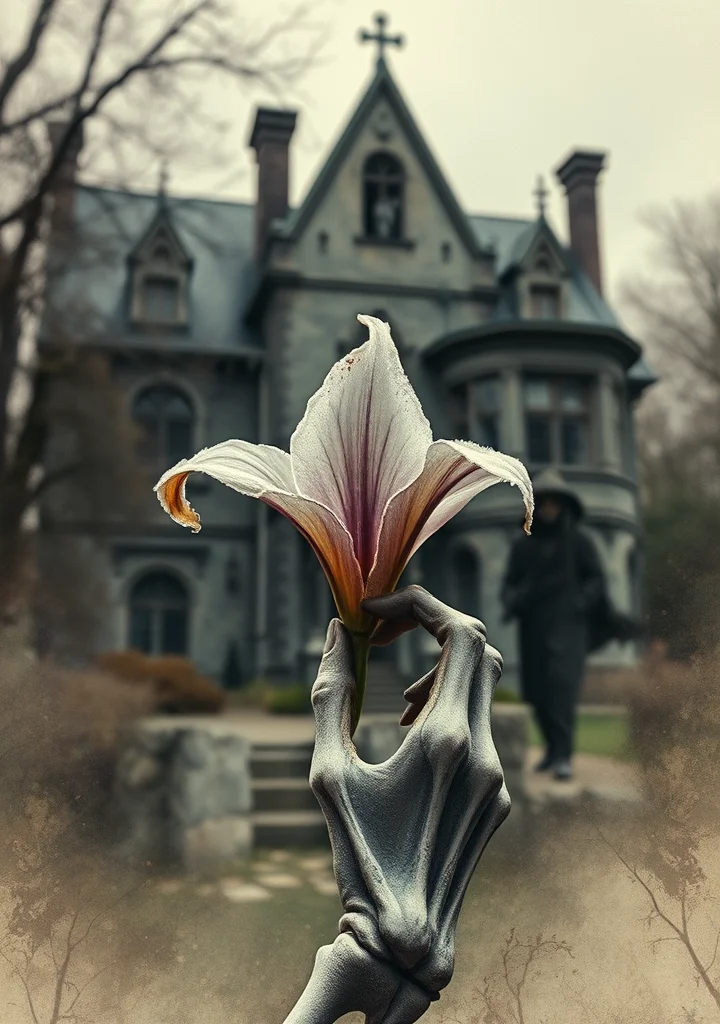
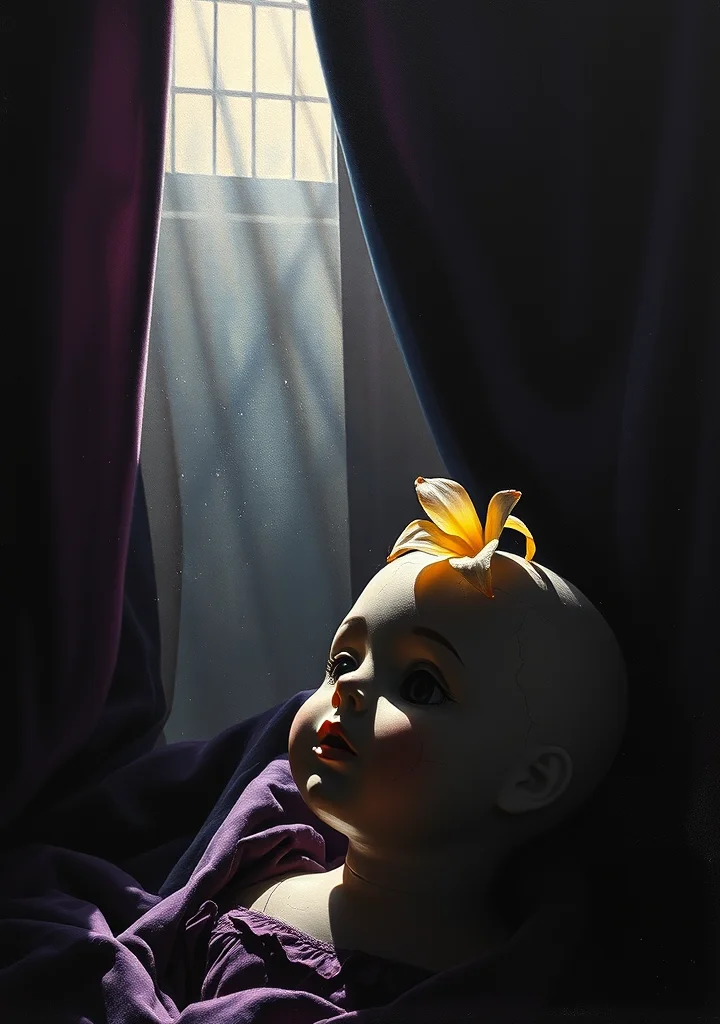
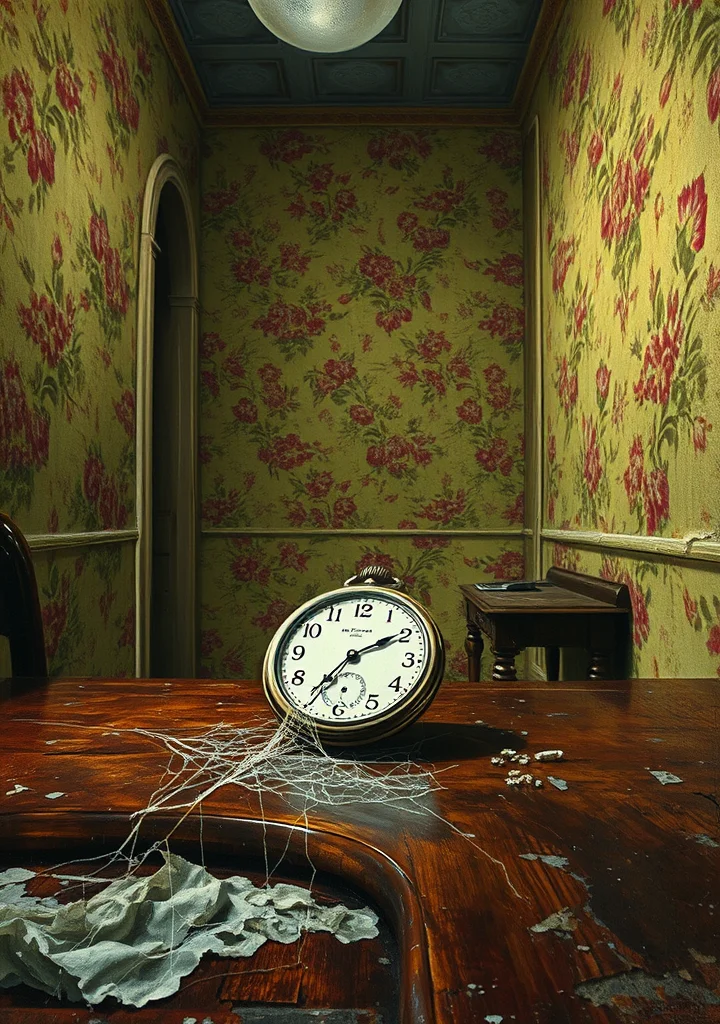
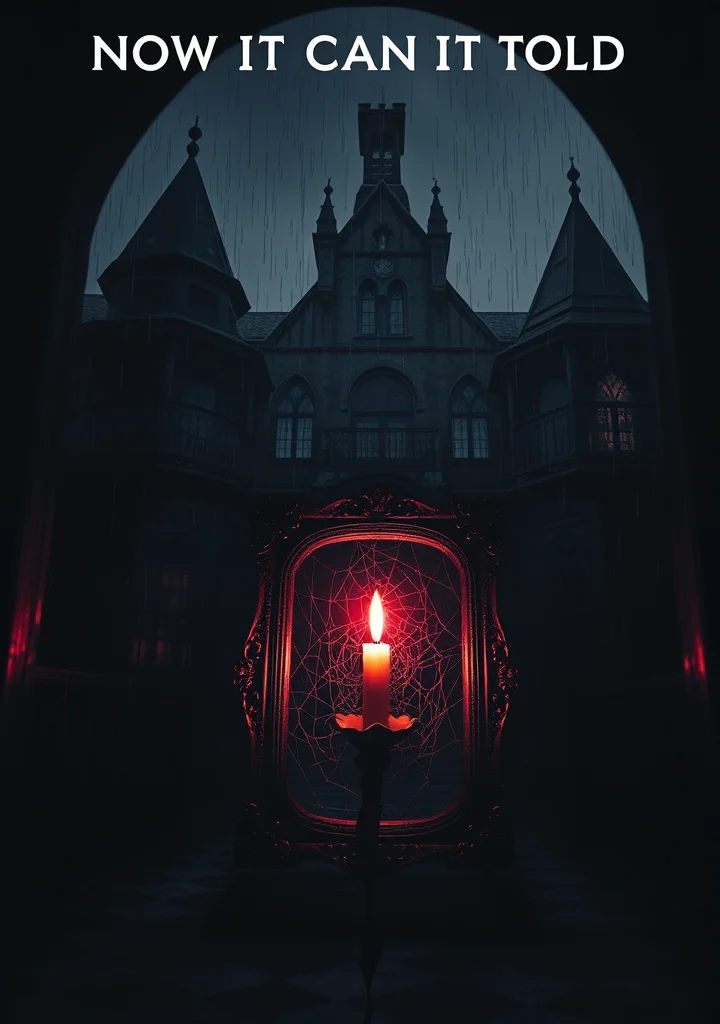
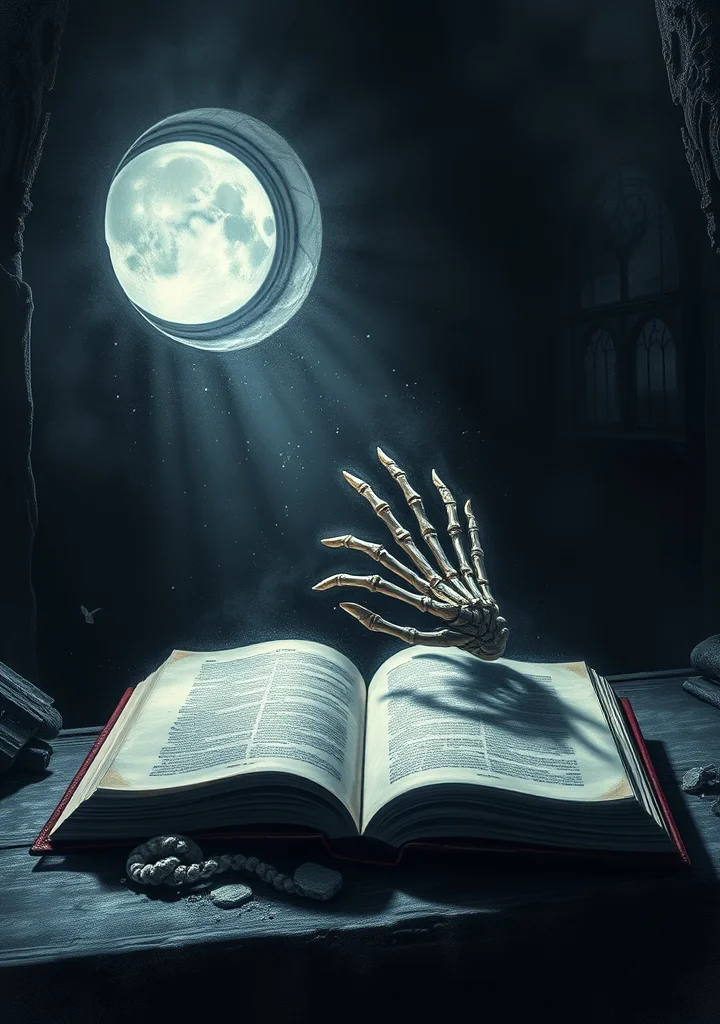
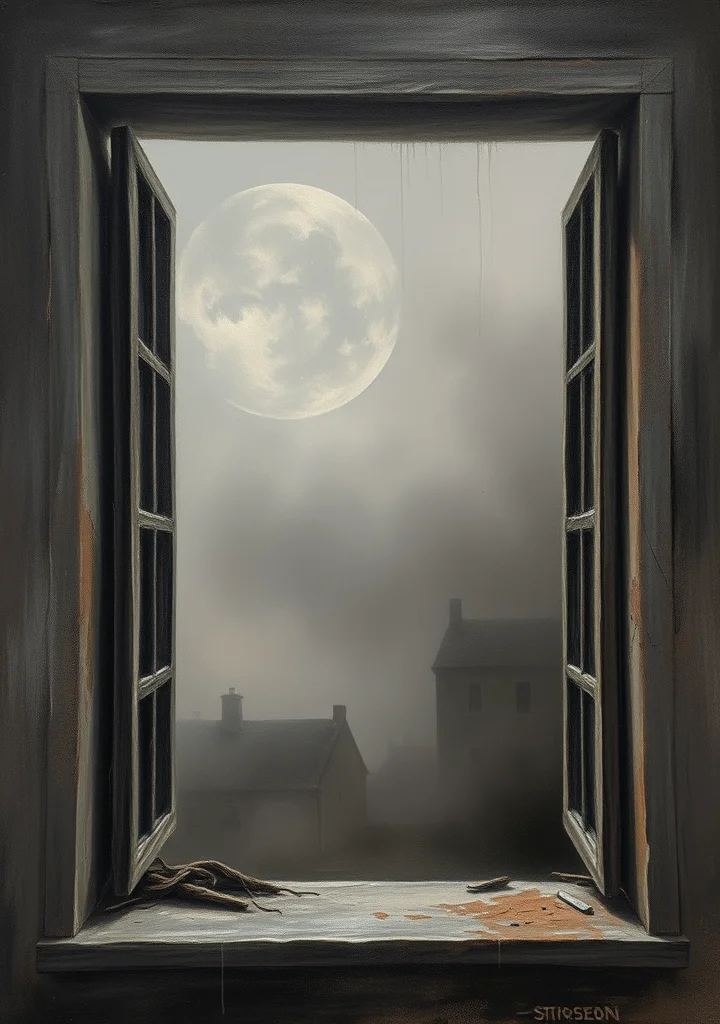
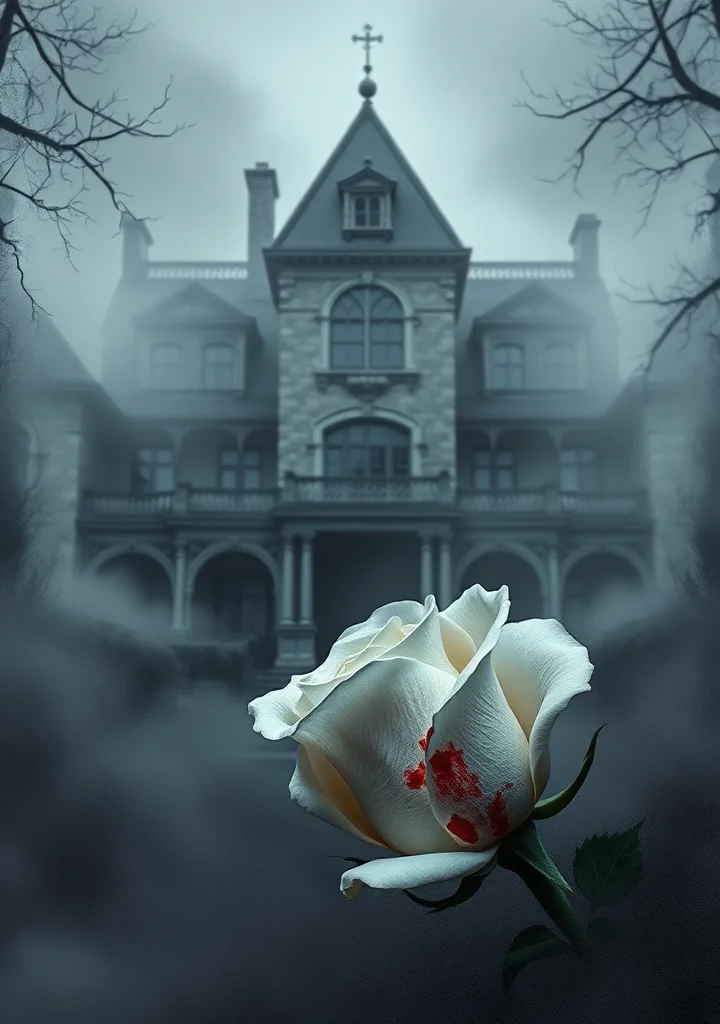
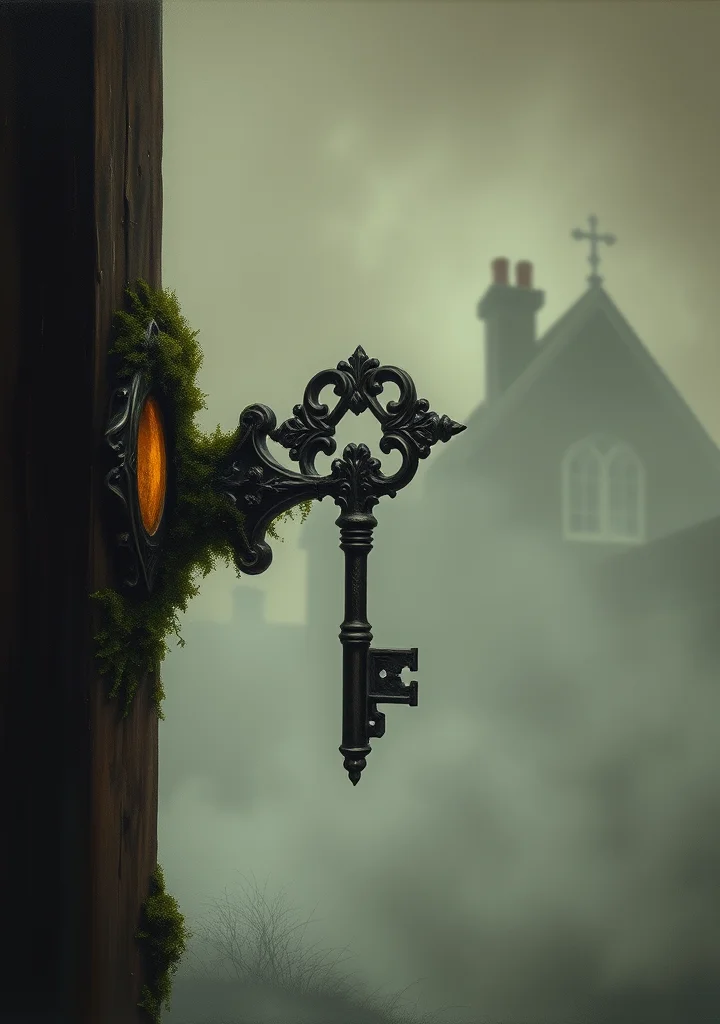
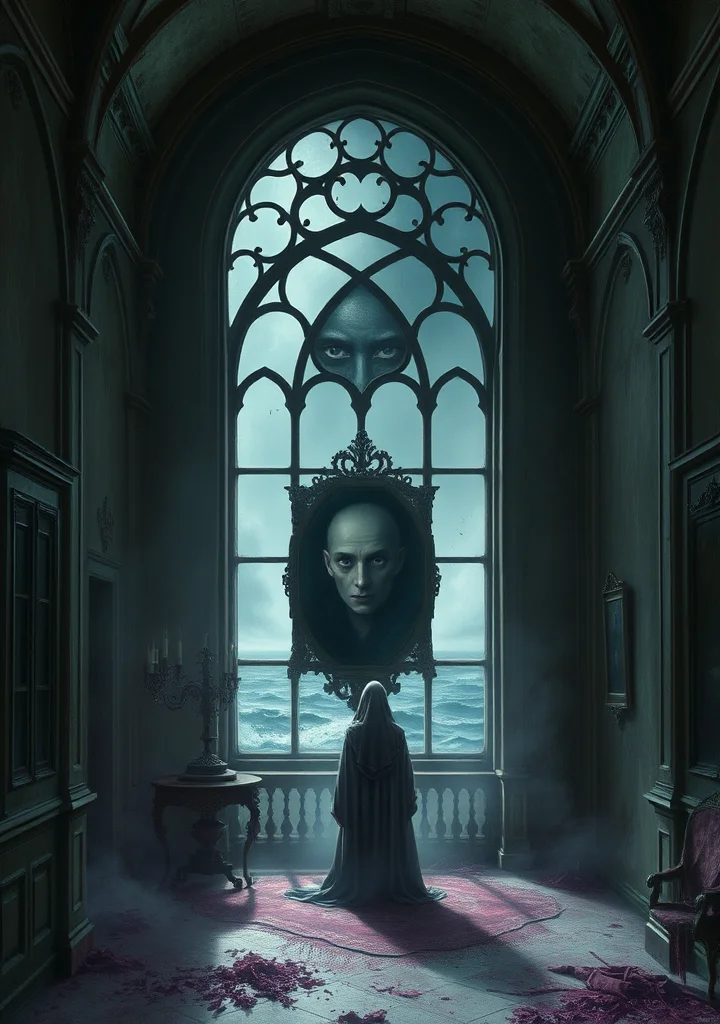
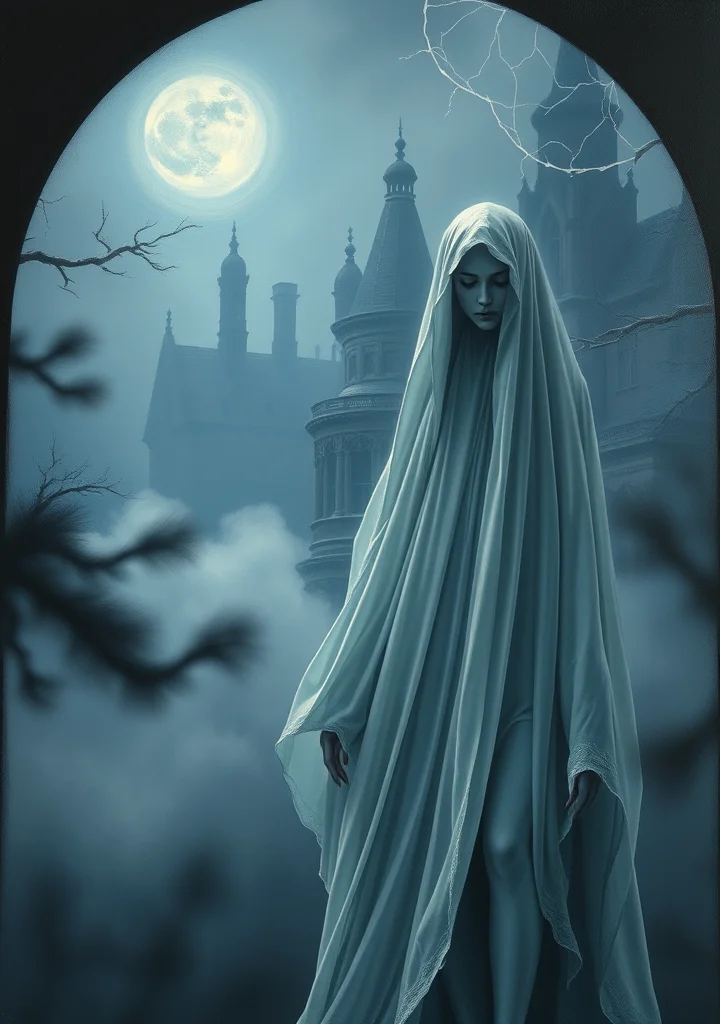
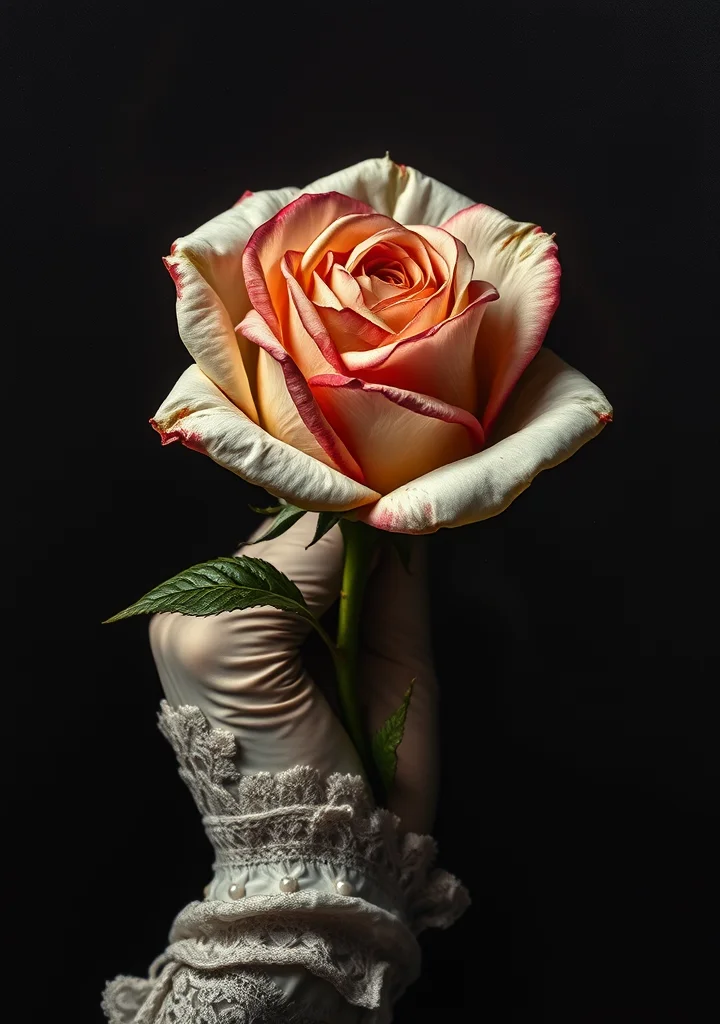
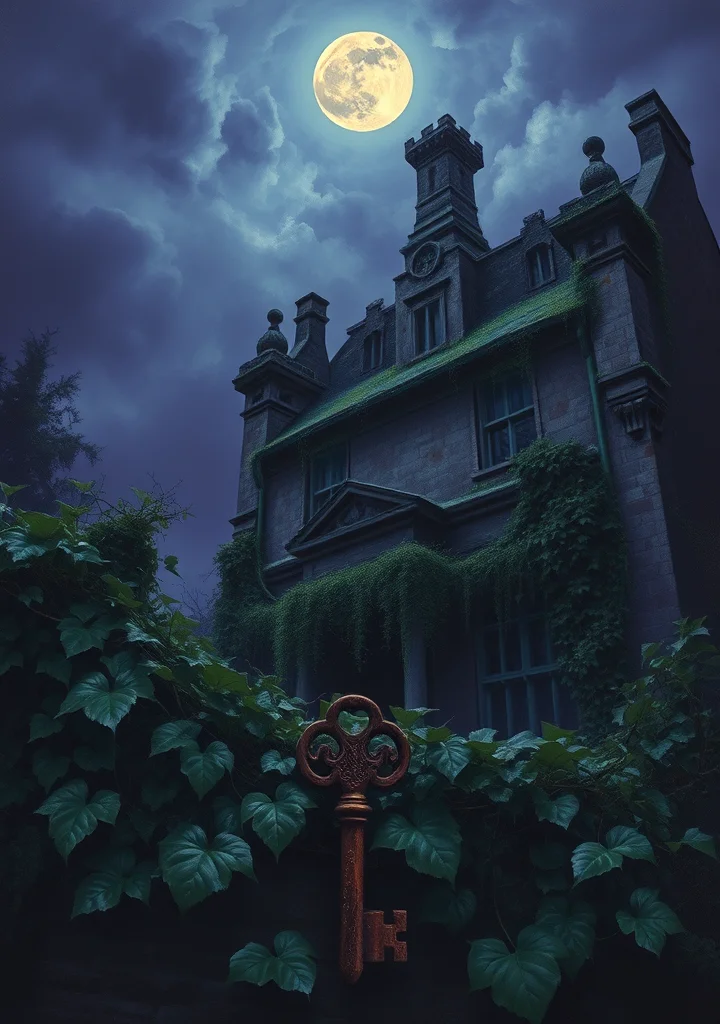
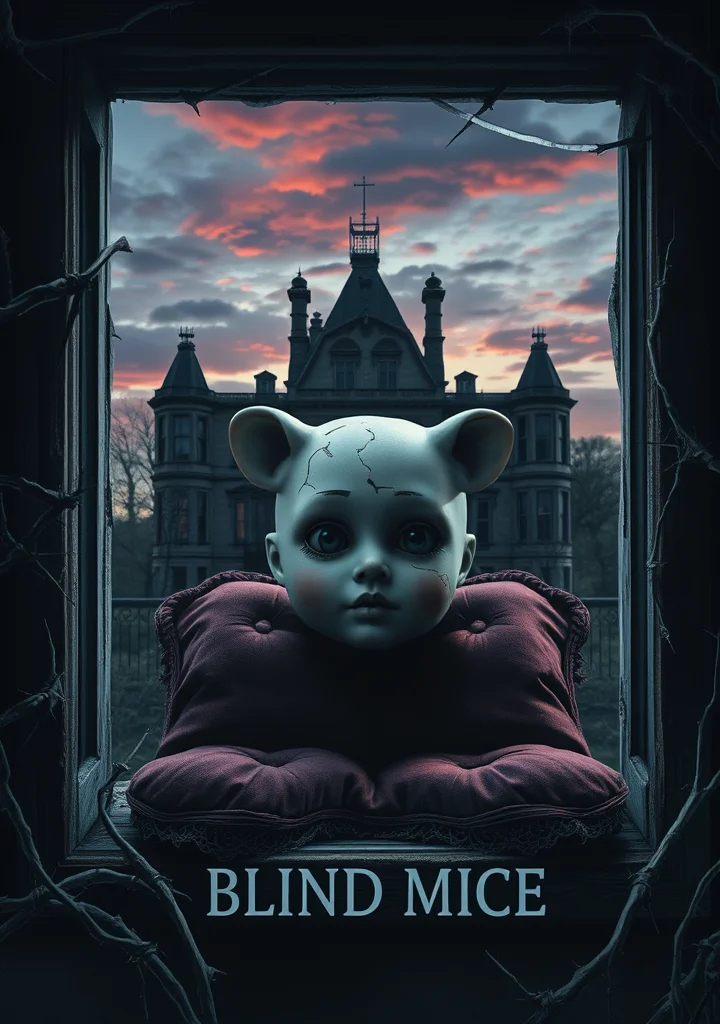
The manor exhales rot and regret. Dust motes dance in the slivers of moonlight piercing the boarded windows of Harrowgate, a place already swallowed by shadow before the first stone was laid. Within, the sisters – Elara, Lyra, and Wren – move as ghosts among the decaying finery, each blind in her own way. Not with eyes unseeing, but with hearts hollowed by a grief that curdles into something venomous, something hungry.
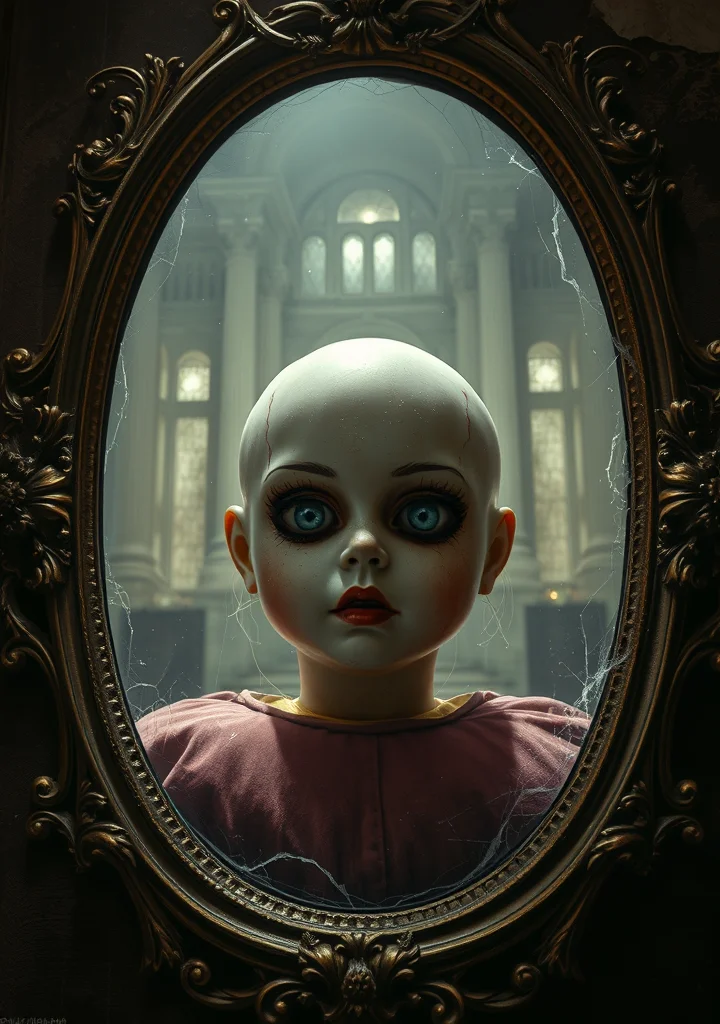
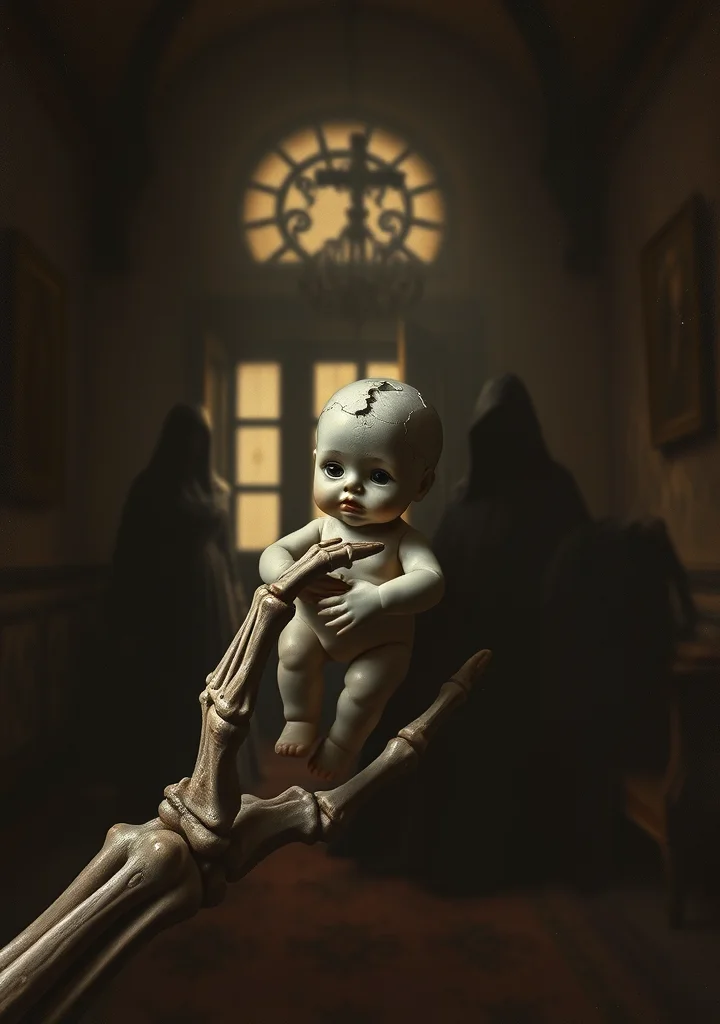
They were born of a bargain struck with the land itself, a pact made to ensure their father’s fortune. Now, he’s gone, leaving only whispers of a monstrous inheritance and the echoing click of claws on stone floors. Each sister sees glimpses – fractured reflections in cracked mirrors, the phantom touch of cold hands, the scent of wet earth rising from beneath the floorboards.
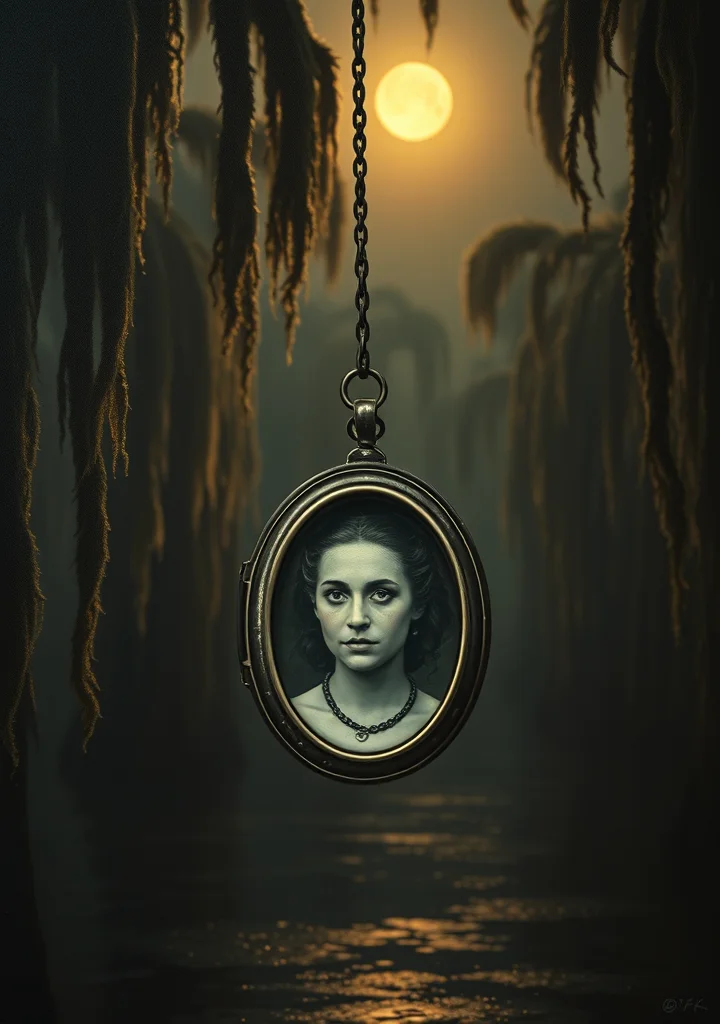
The manor breathes with the memory of their mother, lost to the labyrinthine gardens years ago, a loss they were told was a fever. But the whispers insist it was something else, something woven into the very fabric of Harrowgate. A darkness that doesn't merely haunt the house, but *is* the house.
As the sisters unravel the threads of their father’s secrets, they discover that their blindness isn't merely sorrow, but a shield. For the things that stalk the corridors of Harrowgate are drawn to those who see too much. And the closer they come to the truth, the more they realize that they are not just hunted by what lurks within the manor walls, but by the insidious rot blooming within their own bloodlines. Each shadowed corner holds a fragment of a forgotten ritual, a piece of a monstrous puzzle, and the creeping realization that they, too, are becoming something monstrously akin to the darkness they seek to understand.
Copyright: Public Domain
This license allows anyone to use your story for any purpose, including printing, selling, or adapting it into a film freely.
This license allows anyone to use your story for any purpose, including printing, selling, or adapting it into a film freely.
Chapter List
-
« Blind Mice »📖 Continue Reading
-
« Chapter_3 »
-
« I »
-
« II »
-
« III »
-
« IV »
-
« V »
-
« VI »
-
« VII »
-
« VIII »
-
« IX »
-
« X »
-
« XI »
-
« XII »
-
« XIII »
-
« XIV »
-
« XV »
-
« XVI »
-
« XVII »
-
« XVIII »
-
« XIX »
-
« XX »
-
« XXI »
-
« XXII »
-
« XXIII »
-
« XXIV »
-
« XXV »
-
« XXVI »
-
« XXVII »
-
« XXVIII »
-
« XXIX »
-
« XXX »
-
« XXXI »
-
« XXXII »
-
« XXXIII »
-
« XXXIV »
-
« XXXV »
-
« XXXVI »
38
-
« Blind Mice »
-
« Chapter_3 »
-
« I »
-
« II »
-
« III »
-
« IV »
-
« V »
-
« VI »
-
« VII »
-
« VIII »
-
« IX »
-
« X »
-
« XI »
-
« XII »
-
« XIII »
-
« XIV »
-
« XV »
-
« XVI »
-
« XVII »
-
« XVIII »
-
« XIX »
-
« XX »
-
« XXI »
-
« XXII »
-
« XXIII »
-
« XXIV »
-
« XXV »
-
« XXVI »
-
« XXVII »
-
« XXVIII »
-
« XXIX »
-
« XXX »
-
« XXXI »
-
« XXXII »
-
« XXXIII »
-
« XXXIV »
-
« XXXV »
-
« XXXVI »
More like this