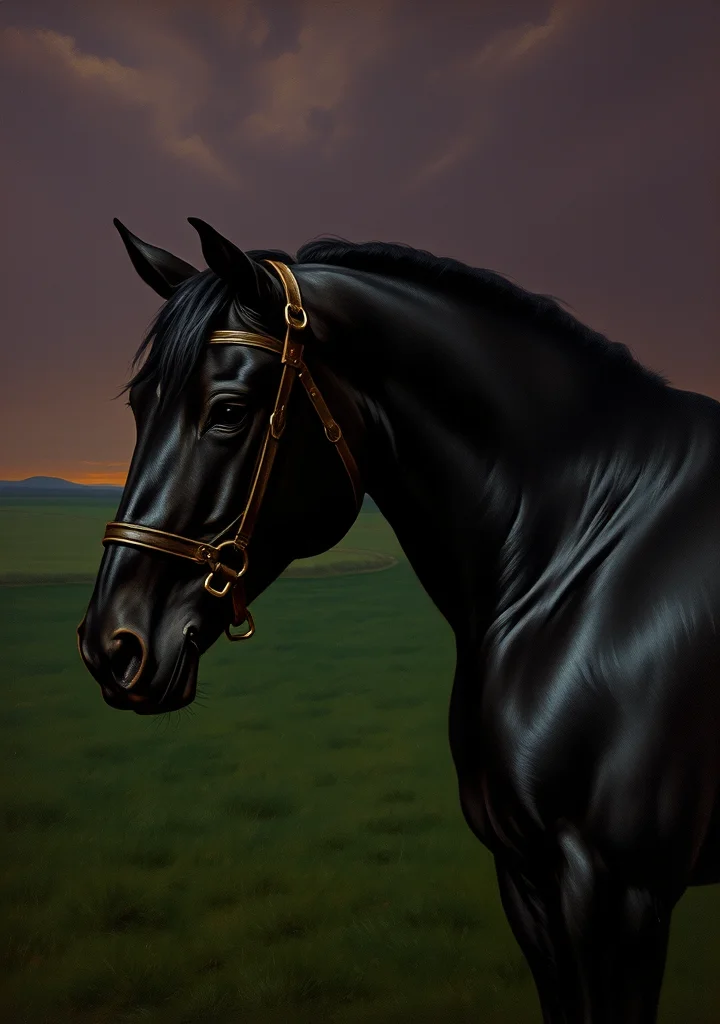

Black Beauty
  • 283
  • 0
  • 55
  • Reads 283
  • 0
  • Part 55
Completed, First published Mar 02, 2026

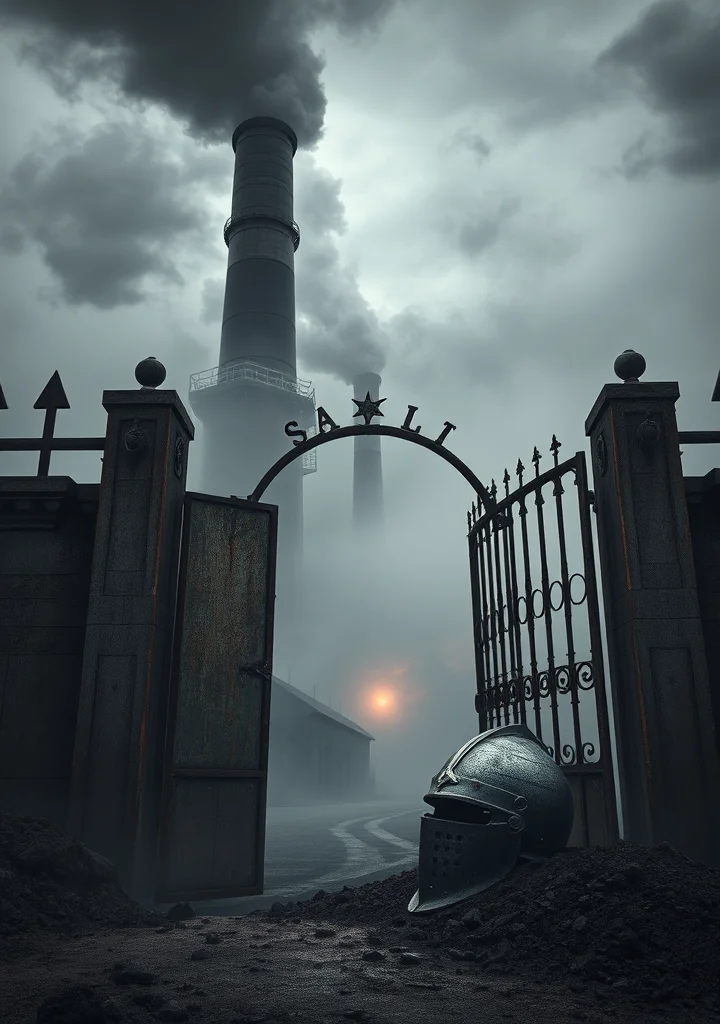
A shadow falls across the emerald pastures of Victorian England, not from storm clouds, but from the eyes of a creature marked by circumstance. Black Beauty isn’t merely a horse, but a witness to the cruelties and fleeting kindnesses that stain the heart of man. His narrative unfolds as a slow bleed of innocence, each new owner a tightening coil of fate. The scent of leather and polished harness mingles with the metallic tang of blood and the dust of forgotten stables. He is driven – and driven *to* – a melancholic existence, shifting from gentle hands to brutal whips, from sun-drenched fields to the suffocating darkness of coal mines. A persistent ache permeates his world: the chill of damp stalls, the echoing emptiness of a stable left to rot, the phantom weight of a broken bridle. The story is a descent into a muted despair, a haunting whisper of broken bodies and the stifled cries of animals mirroring the suppressed anguish of their masters. It’s a world where beauty is a fragile commodity, easily fractured by greed and indifference, where even the strongest heart can be broken by the weight of a single, careless act. The very air thickens with the unspoken anxieties of a society built on hierarchies and silenced suffering. His endurance isn’t triumph, but a weary resignation, a blackness blooming within a creature forced to bear witness to the unraveling of his own gilded world.
Copyright: Public Domain
This license allows anyone to use your story for any purpose, including printing, selling, or adapting it into a film freely.
Chapter List

55

Recommended for you
32 Part
The salt-laced air hangs thick with the scent of decay, mirroring the crumbling timbers of the Nova Scotian fishing village where the tale unfolds. A chilling draught whispers through the narrative, born not of wind, but of the encroaching madness that clings to the manuscript’s pages. It’s a story pulled from the brine-soaked depths of memory, a fragmented confession unearthed within a sealed copper cylinder—a vessel seemingly designed to contain, not preserve, the horror within. The prose itself is feverish, a descent into delirium as the unnamed narrator recounts his journey aboard the *Aurora*, a vessel swallowed by the Arctic’s icy grip. Sunken hulls, phantom ships, and the spectral echoes of a doomed crew bleed into the present, blurring the lines between waking nightmare and frozen reality. A creeping dread permeates every passage, not from monstrous beasts or supernatural horrors, but from the insidious erosion of sanity, the slow unraveling of a man confronted by an impossible truth. The cylinder’s weight, the copper’s cold embrace—these become tangible elements of the narrative’s claustrophobia. The reader is submerged alongside the narrator, adrift on a sea of escalating terror, trapped within a narrative that threatens to consume all reason. It's a story less about what happened, and more about the fracturing of the mind *during* what happened—a descent into the black, echoing void where the Aurora vanished, and something monstrous returned with the thaw. The manuscript doesn’t offer answers, only the chilling certainty that some horrors are best left entombed in the ice, and within the corroded metal of a forgotten cylinder.
56 Part
A creeping dread clings to the shadowed lanes surrounding Wildfell Hall, a manor steeped in rumour and whispered anxieties. The narrative unfolds through the anxious observations of a young gentleman drawn into the isolated community, but quickly becomes consumed by the mystery of its reclusive mistress, Helen. She arrives fleeing a monstrous secret, a husband whose depravity festers within the confines of their marriage. The Hall itself breathes with a history of decay, a gothic fortress concealing not merely stone and timber, but the unraveling of a woman’s spirit. The story is one of entrapment—not within walls, but within a marriage that slowly poisons the soul. Helen’s diary, unearthed like a tomb’s unearthed remains, reveals a descent into darkness, fuelled by alcohol-soaked brutality and the insidious erosion of self-worth. Every shadowed room, every stolen glance, echoes with the suffocating weight of a life slowly extinguishing under the weight of a monstrous devotion. The landscape mirrors the internal torment; bleak moors and desolate farmhouses reflect the emotional barrenness of her existence. A relentless tension builds, punctuated by the chilling details of her husband’s escalating cruelty, until the reader is left gasping with Helen, trapped within a nightmare of domestic horror. It is a tale of escape, yes, but the price of freedom is etched in scars both visible and unseen, leaving Wildfell Hall a monument to the harrowing power of abuse and the desperate will to survive.
32 Part
A creeping mist clings to the shadowed valley of Blithedale, a haven built on the fractured dreams of reformers and the hollow promises of a new Eden. Within its decaying grandeur, a subtle rot permeates not just the timber and stone, but the very souls of those who seek refuge there. The air hangs thick with unspoken desires, simmering resentments, and the stifled cries of past failures. A young surveyor, drawn into the web of this communal experiment, finds himself caught between the magnetic fervor of a visionary founder and the haunting beauty of a woman haunted by a grief that seems to bleed into the landscape itself. Every shadowed corner breathes with the weight of unfulfilled longing, while the sun-drenched fields conceal a darkness born of obsession. The narrative unravels not as a tale of progress, but as a slow exposure of the decay beneath the surface—a crumbling edifice of idealism haunted by the specters of unacknowledged desires. The scent of dying flowers, the rustle of unseen presences in the overgrown gardens, and the chilling silence of moonlit nights weave a tapestry of melancholy, revealing a world where the pursuit of perfection breeds only despair, and the heart, once aflame with conviction, is left to wither in the cold embrace of disillusionment. It is a place where the boundaries between reality and illusion blur, where the past refuses to remain buried, and where the seeds of ruin are sown within the very soil of hope.
41 Part
Dust motes dance in the perpetual twilight of the manor, clinging to the heavy velvet drapes and the portraits whose eyes follow you down shadowed halls. A suffocating stillness hangs in the air, thick with the scent of decaying roses and damp earth. The women of Blackwood House are draped in mourning—not for the dead, but for lives surrendered before they were lived. Each wears a veil of silk or lace, obscuring not just their faces, but their histories, their desires, their very selves. The estate breathes with a melancholic rhythm, mirroring the slow unraveling of its mistress, Elara. She moves through the corridors like a ghost, haunted by whispers that snake through the ancient stone walls—secrets carried on the breath of the wind that claws at the leaded windows. A creeping dread seeps from the garden, where twisted vines strangle the statues of forgotten saints, mirroring the suffocating grip of tradition on the women trapped within. Every shadow holds a betrayal, every locked door a confession. The narrative unfolds like a slow poisoning, revealing the rot beneath the gilded surfaces—a web of obsession, forbidden love, and the desperate measures taken to preserve a fragile legacy. The silence is never empty; it pulses with the weight of unspoken grief, the echoing screams of those who vanished into the labyrinthine heart of Blackwood House, swallowed by the veils and the darkness they conceal. A palpable fear clings to the very stones, a promise of something terrible unearthed with each passing hour.
20 Part
Beneath a bruised and perpetual twilight, where the sea gnaws at the cliffs like a starving beast, a child is born not of flesh and blood, but of shadow and stone. Verne’s narrative descends into a labyrinth of echoing tunnels carved into the heart of a forgotten coast, a place where the tide’s rhythm mimics the beat of a decaying heart. The air hangs thick with brine and the scent of something ancient, something *grown* in darkness. The child, salvaged from a shipwreck’s wreckage, is raised by a recluse haunted by the sea’s wreckage—a man who has traded sunlight for the phosphorescent glow of subterranean life. This is not a tale of rescue, but of a gradual submergence. The cavern itself breathes, its walls weeping with mineral salts that cling to skin like frost. Each chapter unfurls like a slow unraveling, revealing a world built on the bones of drowned things and the whispers of forgotten gods. The boy’s growth is mirrored by the cavern’s expansion, a perverse symbiosis that twists him into something both feral and ethereal. He learns to navigate the tunnels not with sight, but with the tremor of the rock against his bare feet, the taste of salt on his tongue, the echo of his own heart beating against the cavern’s core. A creeping dread settles in as the narrative progresses. It isn’t the monsters lurking in the black depths that haunt, but the realization that the cavern is not merely a shelter, but a womb. A womb for something ancient and hungry, and the child is not being *raised* within it, but *prepared*. The sea is not merely a backdrop to this story, it is a hungry god, and the cavern, its festering wound. The air grows colder, the darkness more complete, and the child’s fate—a chilling descent into the cavern's unyielding heart—becomes a slow, inevitable drowning in stone.