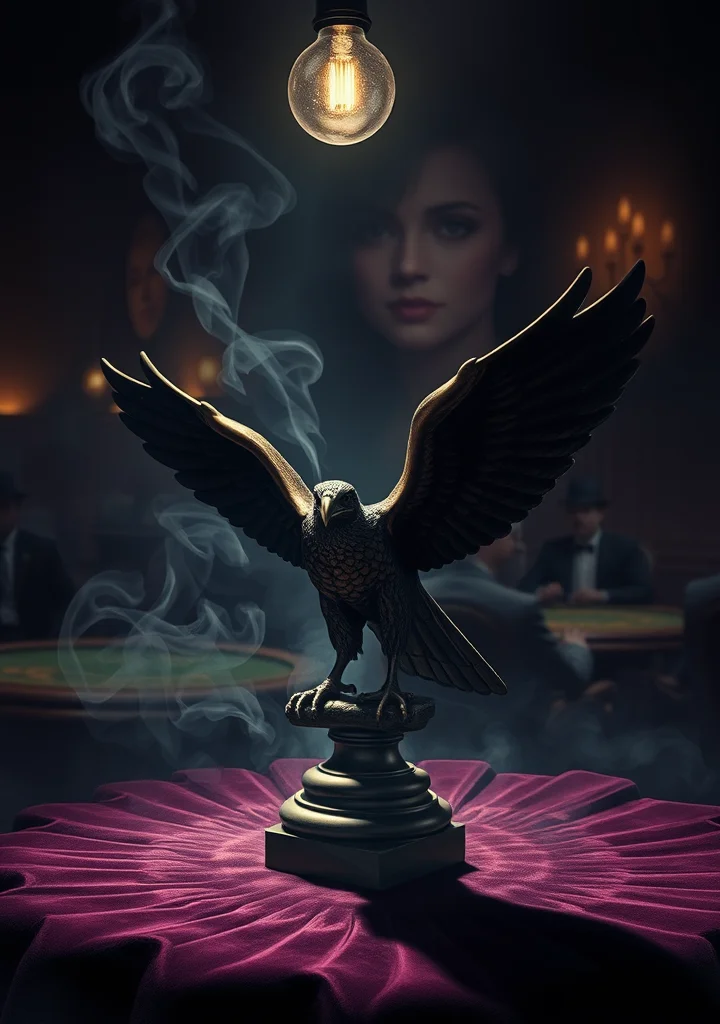

The Maltese Falcon
  • 113
  • 0
  • 22
  • Reads 113
  • 0
  • Part 22
Completed, First published Mar 02, 2026

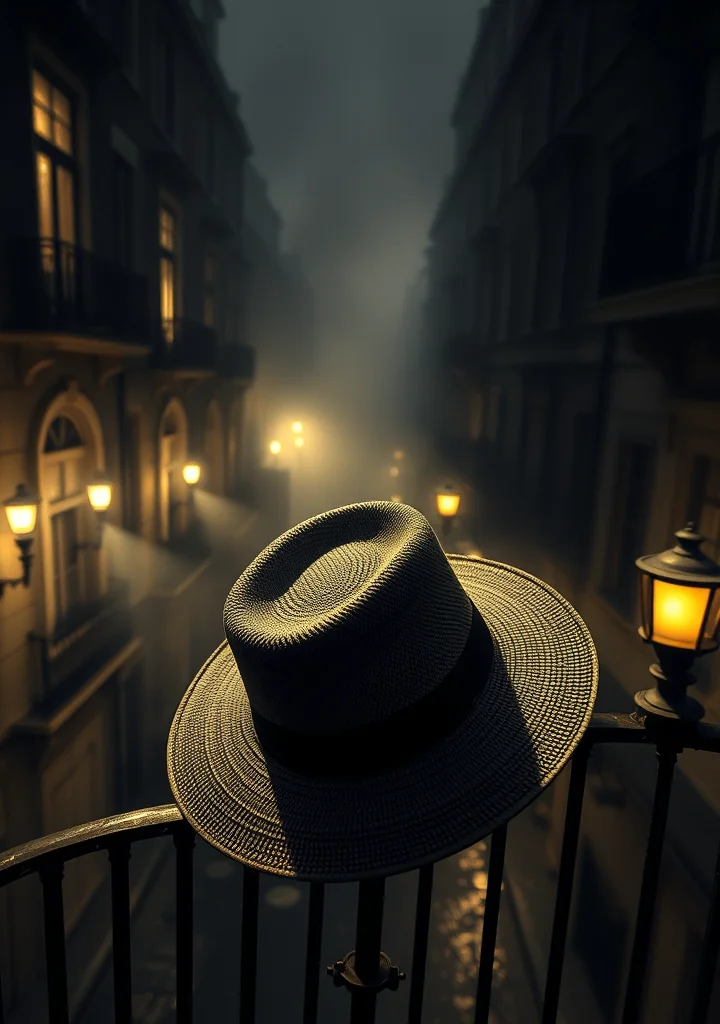
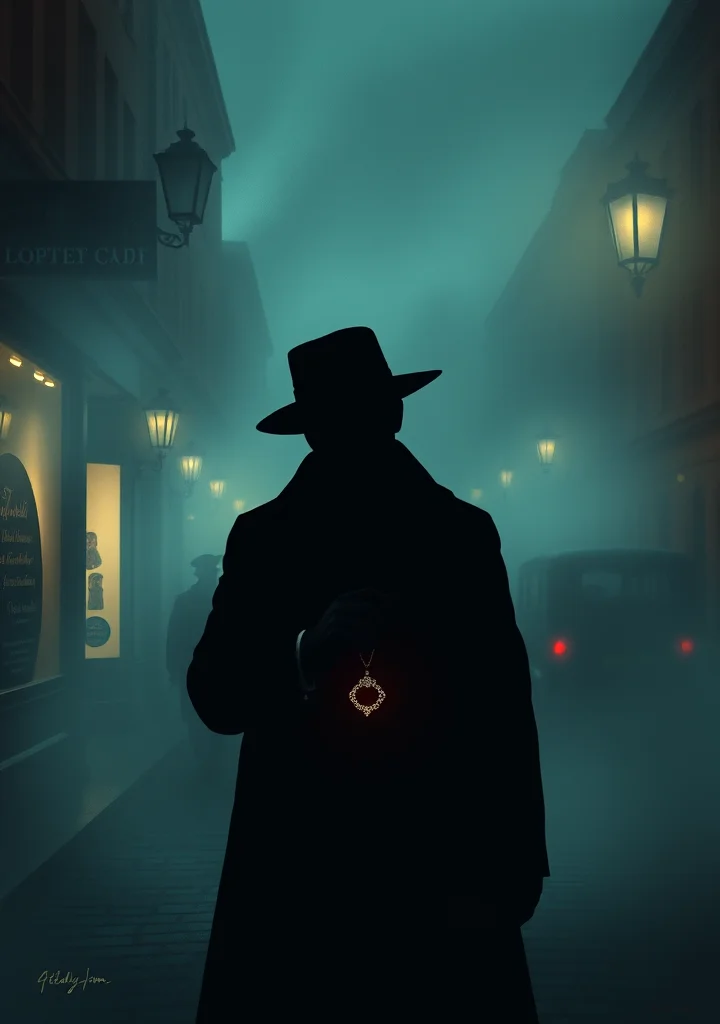
A fog-choked San Francisco bleeds into the shadowed interiors of gambling dens and backroom deals. The air tastes of stale smoke and desperation, clinging to the slicked-down hair of men who’ve seen too much. A woman—beautiful, dangerous, and draped in an expensive melancholy—draws Sam Spade into a labyrinth of obsession over a jewel-encrusted bird. It isn’t the falcon itself that chills you, but the hunger it represents: a fever dream of greed masked by polite society’s brittle veneer. Each encounter is a descent further into the city’s underbelly, where loyalty is bought and sold with a casual disregard, and every face hides a carefully constructed lie. The narrative clings to you like the damp chill of a coastal wind, a slow burn of suspicion that smolders long after the final shot rings out. It’s a world where the shadows aren’t just dark corners, but the very substance of the truth, and the only certainty is that everyone involved is already broken—or waiting to be. The scent of decay hangs heavy, not of bodies, but of dreams curdled by ambition, and the hollow echo of a fortune lost in the pursuit of a gilded, empty prize.
Copyright: Public Domain
This license allows anyone to use your story for any purpose, including printing, selling, or adapting it into a film freely.
Recommended for you
18 Part
Dust motes dance in the perpetual twilight of N’Baro, a forgotten colony world clinging to the edge of known space. Here, amidst the crumbling remnants of a long-dead civilization, a single, childlike creature—fuzzy, gentle, and utterly alien—is discovered. But this is not merely a find for curious xenologists. This ‘fuzzy’ possesses a mind, a latent intelligence woven into the very fabric of the planet’s strange flora. The story unfolds not as a grand space opera, but as a creeping dread. The silence of the abandoned cities is broken only by the rustle of unseen things in the jungle, and the echoing questions of a man named Blakes who finds himself entangled in its mysteries. The atmosphere is one of pervasive isolation, a sense of being watched by something ancient and indifferent. The crumbling structures are not merely ruins; they are bone cages, echoing with the ghosts of a forgotten race. A slow burn of paranoia grips N’Baro as the truth of the ‘fuzzy’ unravels. It’s a world where the line between predator and prey, sentience and savagery, blurs in the humid air. The colony is not merely threatened by the creature, but by the echoes of its past—a past that suggests the very planet itself is alive, and that humanity has stumbled into the domain of something profoundly, terrifyingly *other*. The narrative is haunted by the weight of centuries, and the chilling realization that what lies hidden within the jungle isn’t merely an anomaly, but a reflection of humanity's own desperate, grasping ambition.
40 Part
A creeping dread permeates the provincial air of this forgotten corner of Russia. The narrative clings to the suffocating heat of summer, to the stifling interiors of decaying estates, and the feverish imaginings of a boy named Mitya. He is not merely mischievous, but possessed—a vessel for something ancient and malevolent that stirs within the stagnant pools of his family’s decline. The story unfolds through the distorted lens of a local schoolmaster, obsessed with cataloging Mitya’s every transgression, every whispered blasphemy. But it is not Mitya's actions that haunt, but the suffocating weight of his inevitability. The boy’s ‘demonism’ isn't a mere childish outburst; it's a rot blooming from the heart of the land itself. Each chapter descends further into a mire of suspicion, where the boundary between reality and hallucination dissolves in the oppressive humidity. Whispers of pagan rites, the stench of decaying flowers, and the echoing silences of abandoned churches weave a tapestry of decay. The true horror isn't the boy’s monstrous acts, but the realization that the rot is not contained within him—it’s woven into the very fabric of their lives, a slow, insidious possession of the soul. The narrative is suffocated by the scent of dust, the weight of unsaid things, and the suffocating knowledge that something terrible has been unleashed, not upon the world, but *within* it. The atmosphere is one of unbearable, creeping stagnation—a world where even sunlight feels like a suffocating weight.