
The Maltese Falcon
  • 331
  • 0
  • 20
  • Read 331
  • 0
  • Part 20
Completed, First published Mar 02, 2026

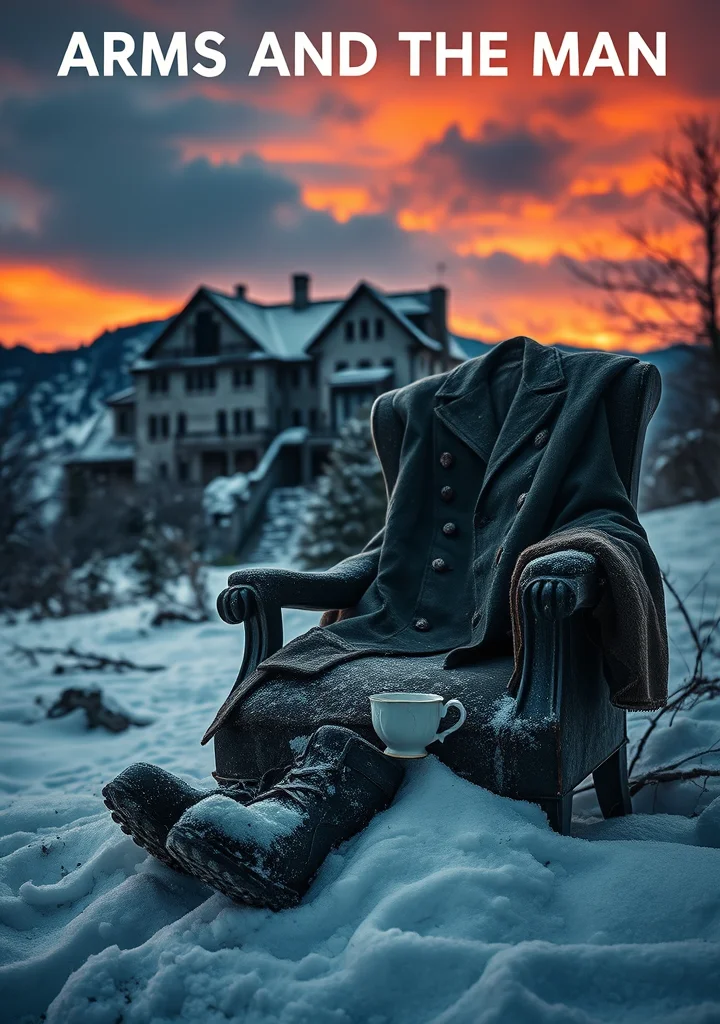
A fog-choked San Francisco bleeds into the shadowed interiors of gambling dens and backroom deals. The air tastes of stale smoke and desperation, clinging to the slicked-down hair of men who’ve seen too much. A woman—beautiful, dangerous, and draped in an expensive melancholy—draws Sam Spade into a labyrinth of obsession over a jewel-encrusted bird. It isn’t the falcon itself that chills you, but the hunger it represents: a fever dream of greed masked by polite society’s brittle veneer. Each encounter is a descent further into the city’s underbelly, where loyalty is bought and sold with a casual disregard, and every face hides a carefully constructed lie. The narrative clings to you like the damp chill of a coastal wind, a slow burn of suspicion that smolders long after the final shot rings out. It’s a world where the shadows aren’t just dark corners, but the very substance of the truth, and the only certainty is that everyone involved is already broken—or waiting to be. The scent of decay hangs heavy, not of bodies, but of dreams curdled by ambition, and the hollow echo of a fortune lost in the pursuit of a gilded, empty prize.
Copyright: Public Domain
This license allows anyone to use your story for any purpose, including printing, selling, or adapting it into a film freely.
Recommended for you
20 Part
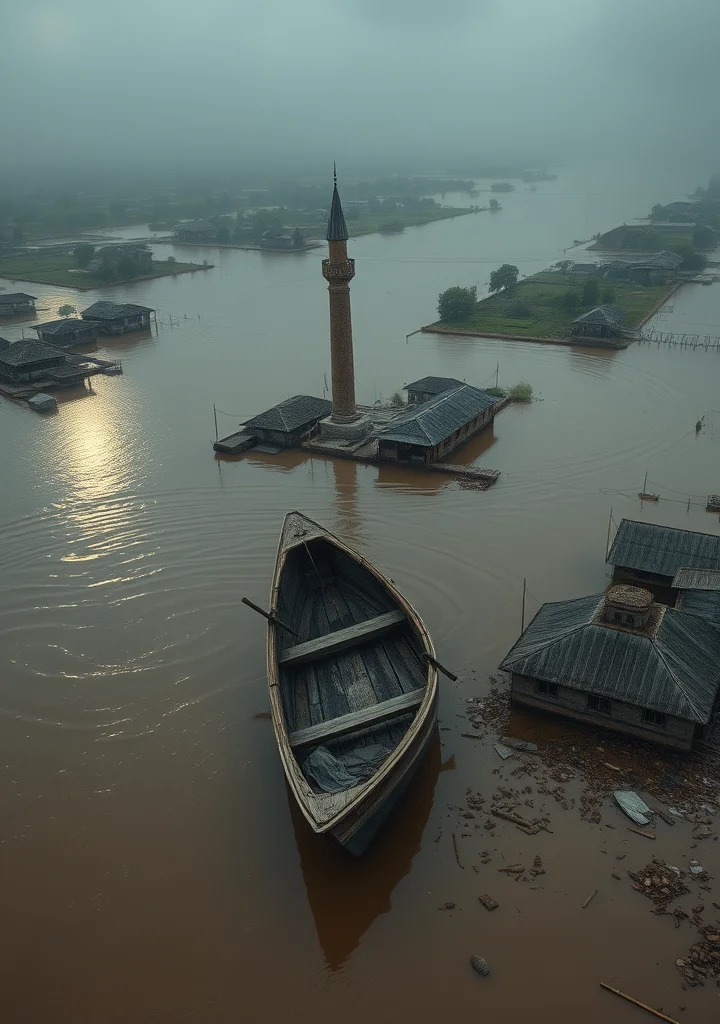
Beneath a bruised and perpetual twilight, where the sea gnaws at the cliffs like a starving beast, a child is born not of flesh and blood, but of shadow and stone. Verne’s narrative descends into a labyrinth of echoing tunnels carved into the heart of a forgotten coast, a place where the tide’s rhythm mimics the beat of a decaying heart. The air hangs thick with brine and the scent of something ancient, something *grown* in darkness. The child, salvaged from a shipwreck’s wreckage, is raised by a recluse haunted by the sea’s wreckage—a man who has traded sunlight for the phosphorescent glow of subterranean life. This is not a tale of rescue, but of a gradual submergence. The cavern itself breathes, its walls weeping with mineral salts that cling to skin like frost. Each chapter unfurls like a slow unraveling, revealing a world built on the bones of drowned things and the whispers of forgotten gods. The boy’s growth is mirrored by the cavern’s expansion, a perverse symbiosis that twists him into something both feral and ethereal. He learns to navigate the tunnels not with sight, but with the tremor of the rock against his bare feet, the taste of salt on his tongue, the echo of his own heart beating against the cavern’s core. A creeping dread settles in as the narrative progresses. It isn’t the monsters lurking in the black depths that haunt, but the realization that the cavern is not merely a shelter, but a womb. A womb for something ancient and hungry, and the child is not being *raised* within it, but *prepared*. The sea is not merely a backdrop to this story, it is a hungry god, and the cavern, its festering wound. The air grows colder, the darkness more complete, and the child’s fate—a chilling descent into the cavern's unyielding heart—becomes a slow, inevitable drowning in stone.
35 Part
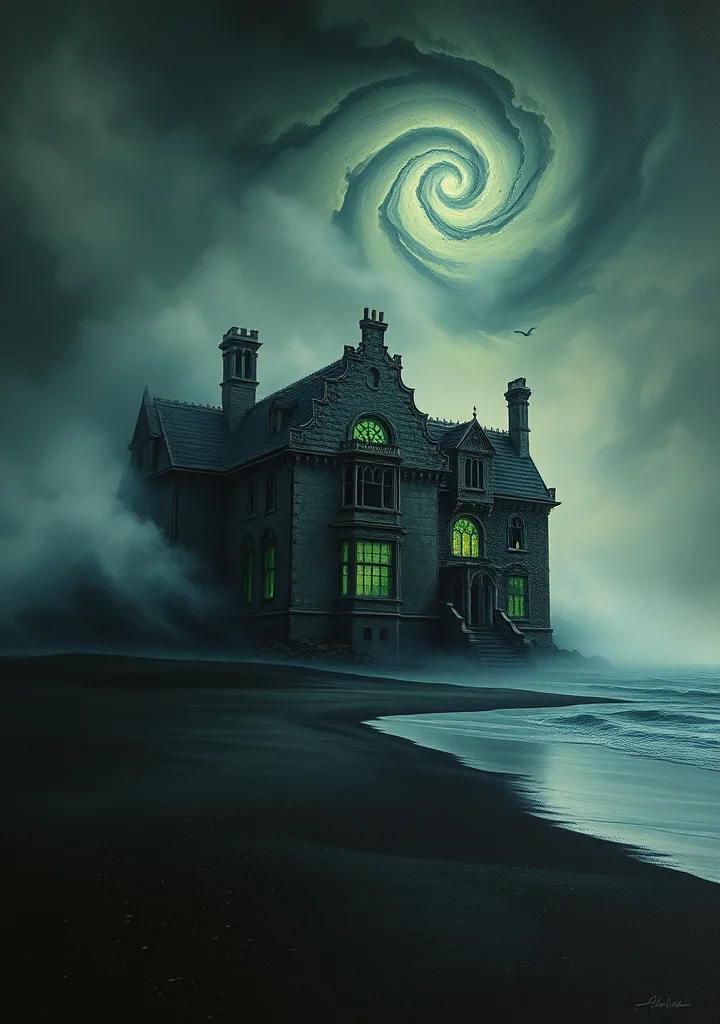
The sea claws at the edges of a crumbling estate, a place where the land itself seems to breathe with a malign intelligence. Here, the narrator, adrift in a crumbling, isolated house, charts the slow creep of dread as the boundaries between the real and the spectral dissolve. It is not merely a haunting, but an invasion – not of ghosts, but of things *between* worlds, drawn to the house’s peculiar position between dimensions. The walls themselves weep with an unearthly moisture, mirroring the encroaching nightmares that bleed from the landscape. A suffocating, claustrophobic terror permeates the narrative. The house is not simply a location, but a prison constructed of shifting geometries and suffocating silence. Each room echoes with the residue of forgotten horrors, and the very foundations seem to buckle under the weight of unseen presences. Outside, the sea delivers not wreckage, but fragments of impossible geometries, whispering of cyclopean structures and blasphemous shapes lurking beneath the waves. The air hangs thick with the scent of brine and decay, punctuated by the rasping of unseen claws on stone. It’s a descent into the abyss, not of madness, but of cosmic indifference. The narrator’s sanity frays as the house reveals its true purpose: a nexus point for horrors beyond human comprehension, a place where the veil between realities thins to a gossamer thread, and the darkness beyond stares back with cold, ancient eyes. A suffocating despair settles in, as the realization dawns that escape is not a matter of distance, but of oblivion.