
-
Read 418
-
0
-
Part 32
Completed, First published Mar 02, 2026
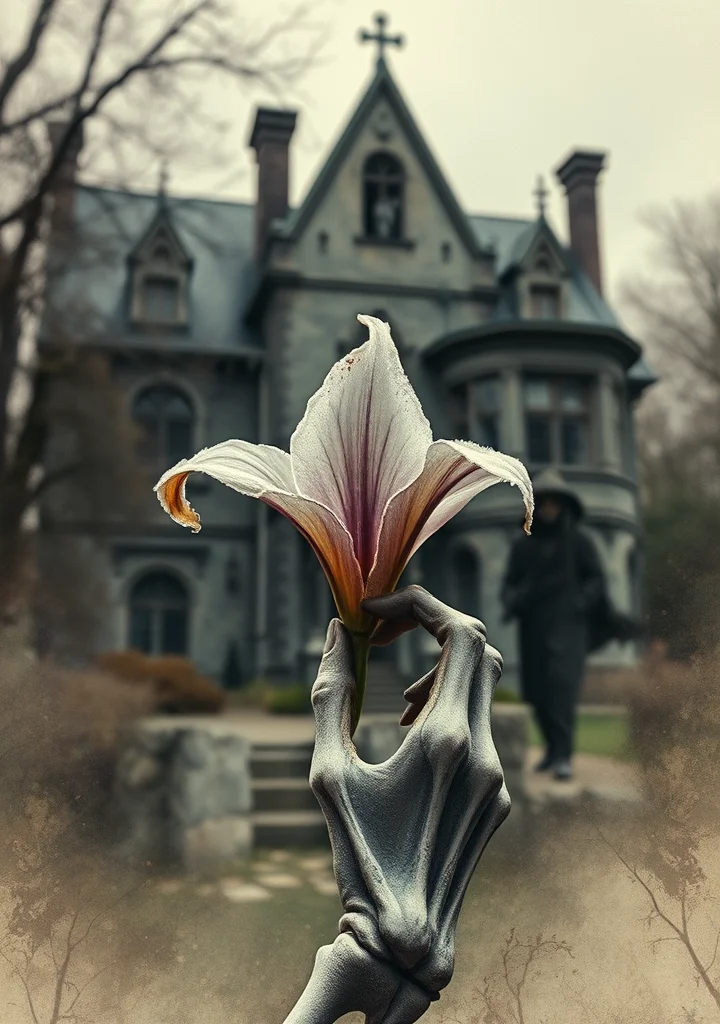
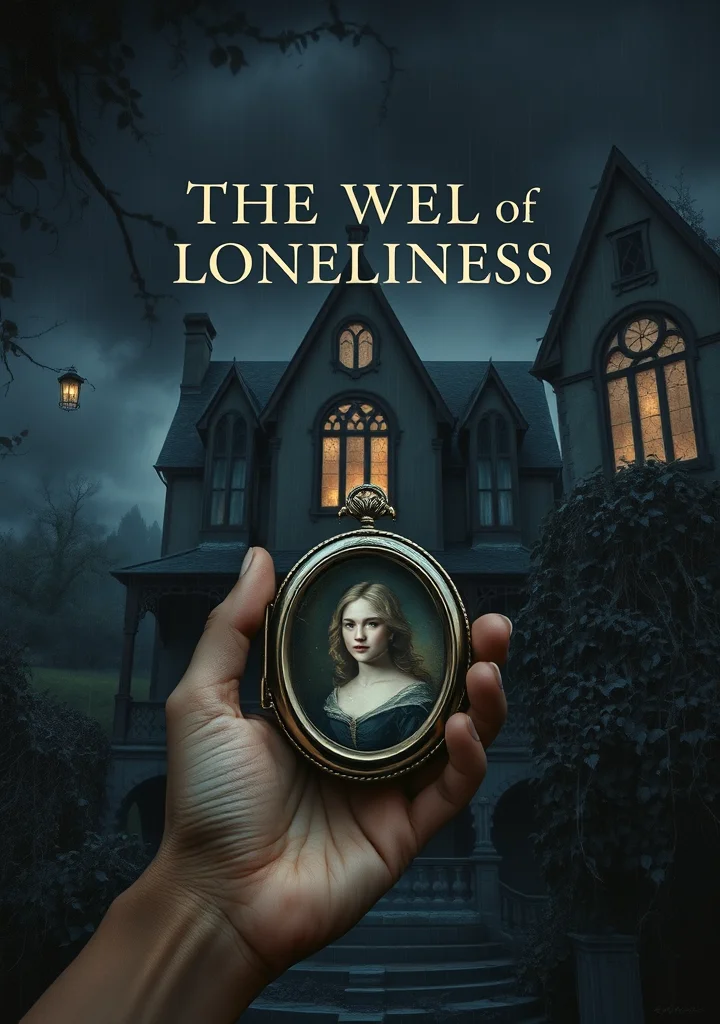
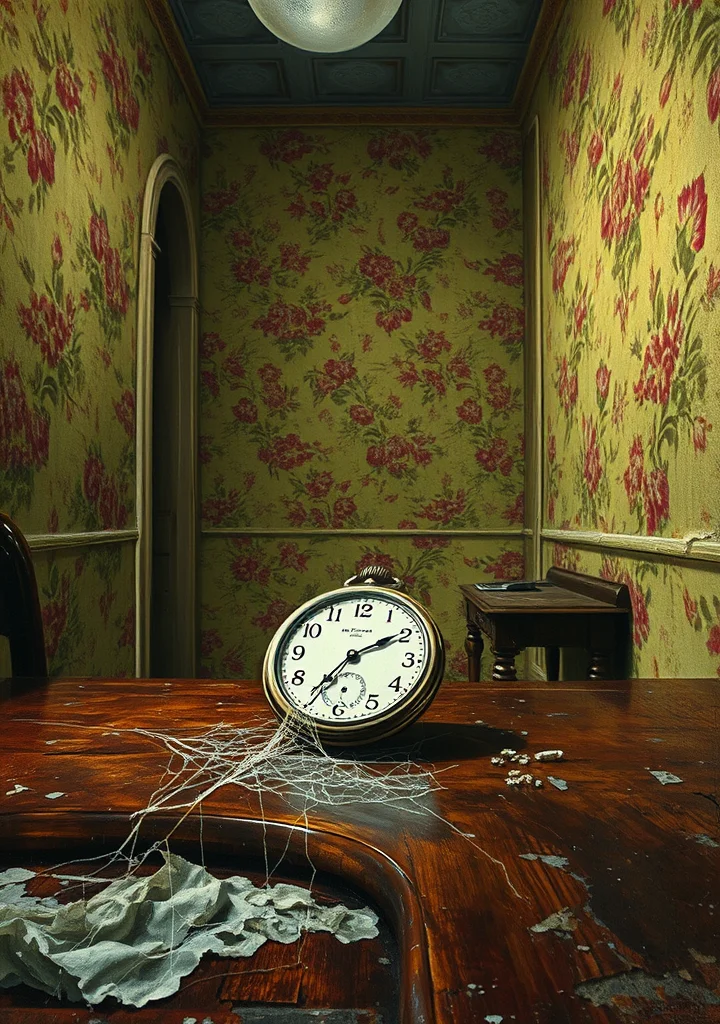
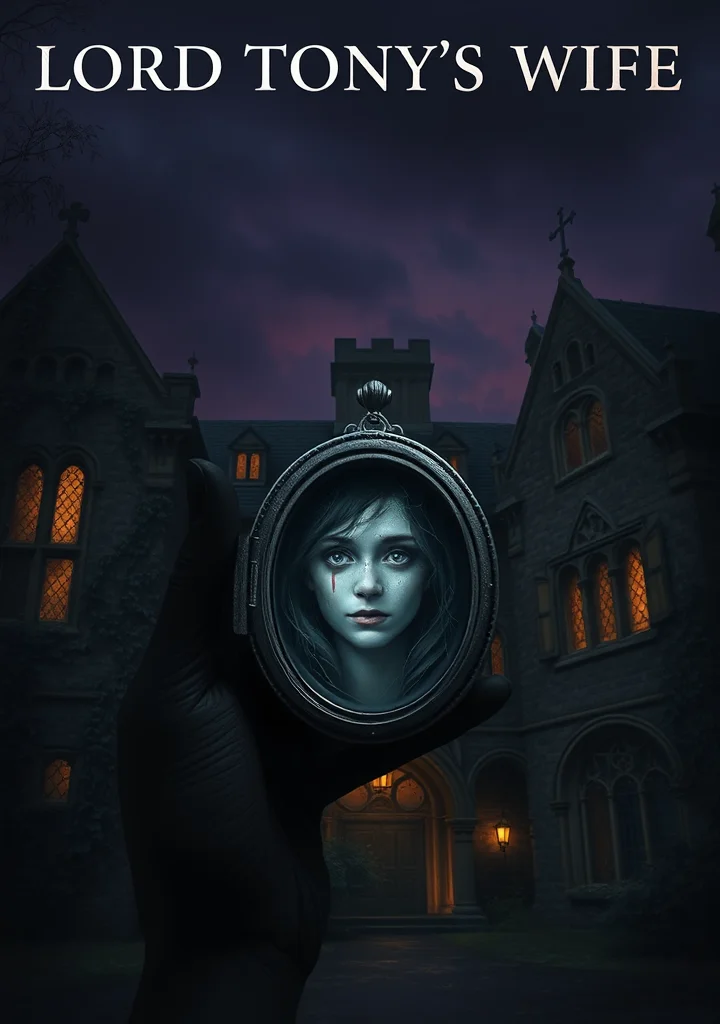
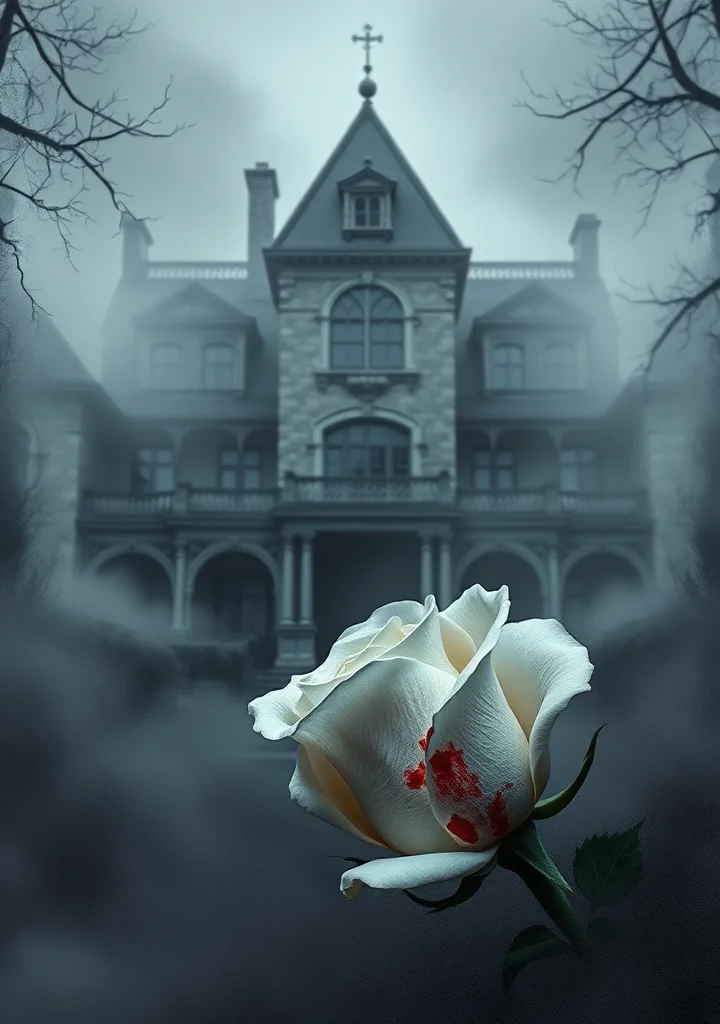
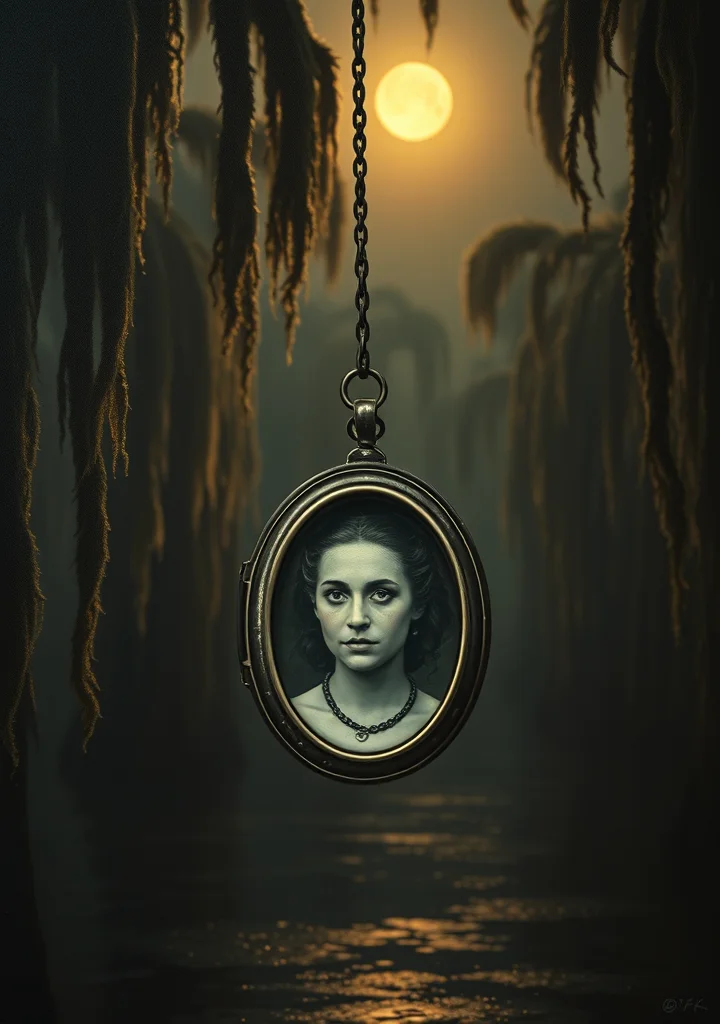
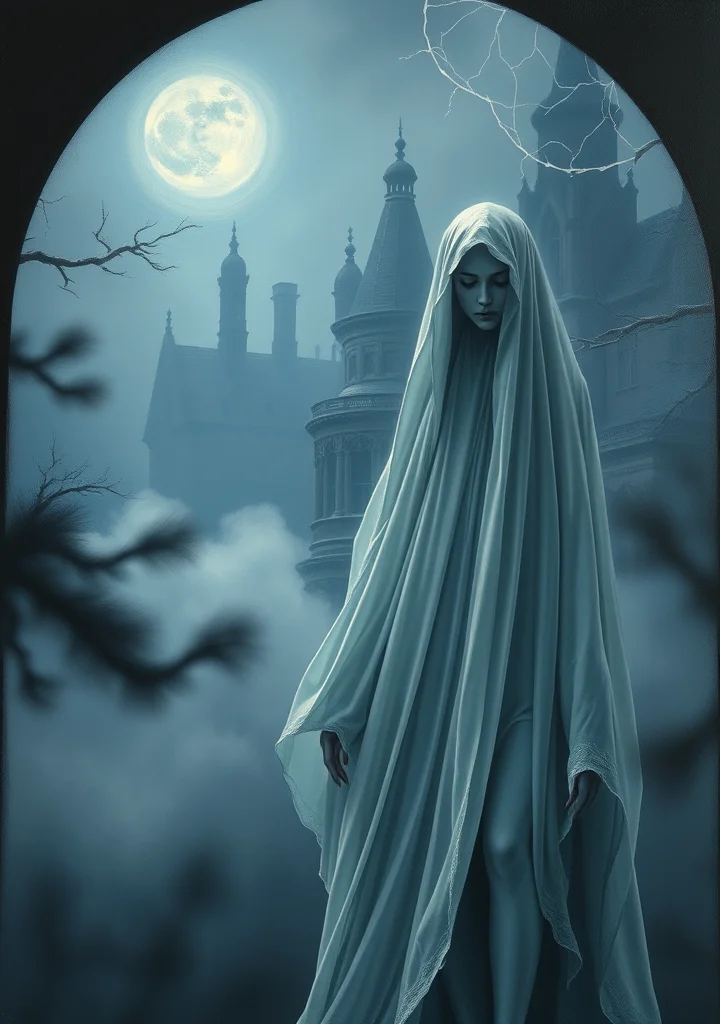
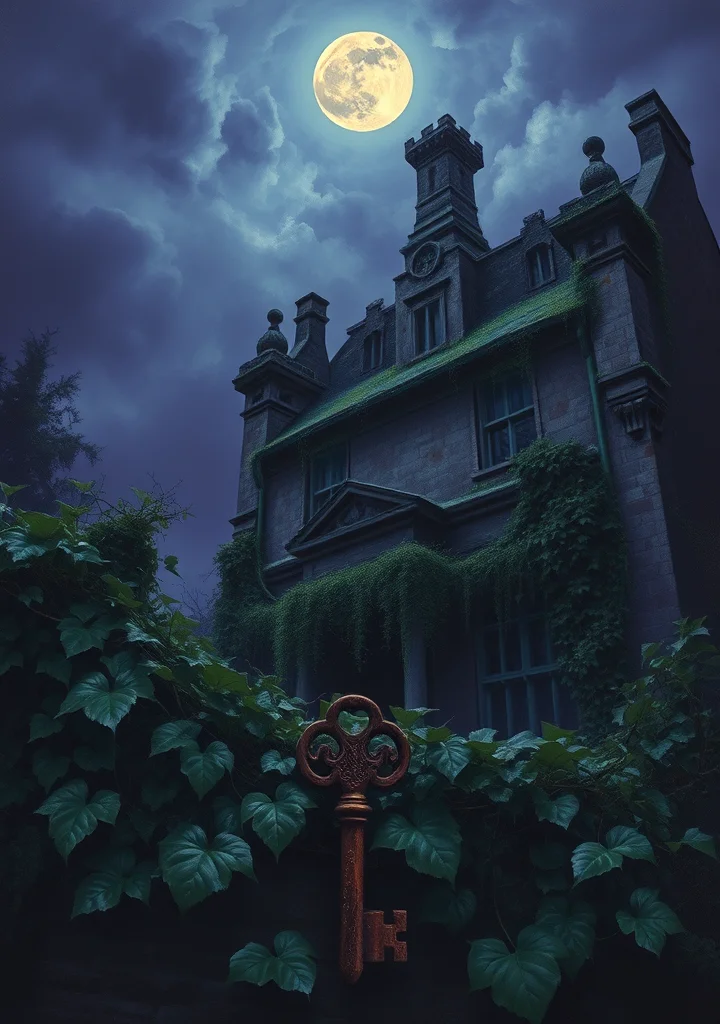
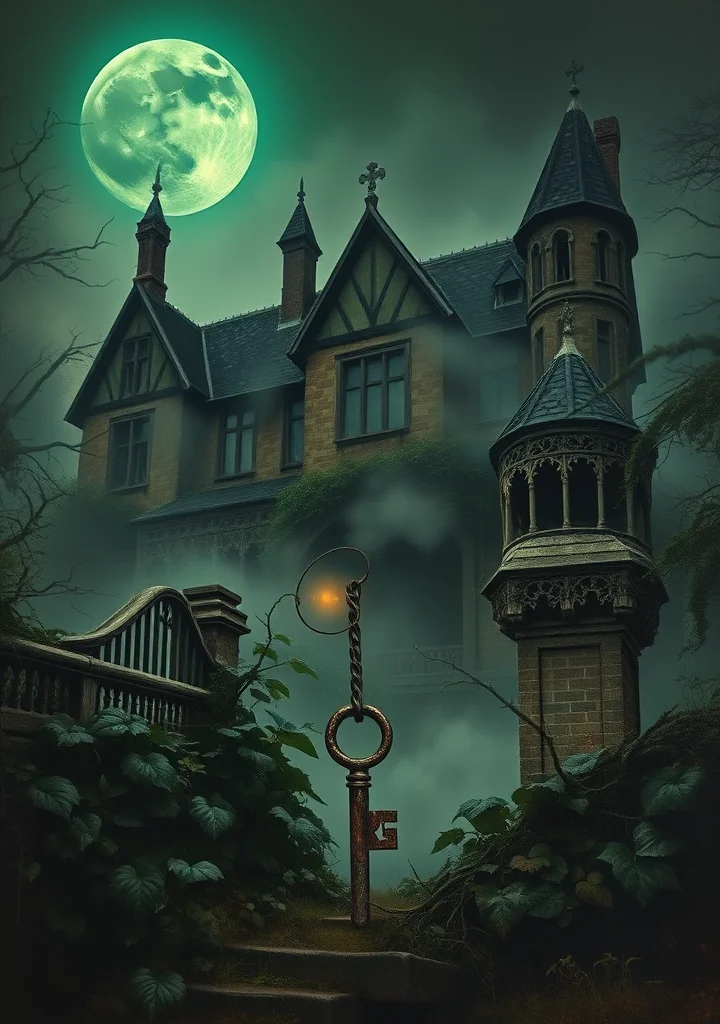
A creeping mist clings to the shadowed valley of Blithedale, a haven built on the fractured dreams of reformers and the hollow promises of a new Eden. Within its decaying grandeur, a subtle rot permeates not just the timber and stone, but the very souls of those who seek refuge there. The air hangs thick with unspoken desires, simmering resentments, and the stifled cries of past failures. A young surveyor, drawn into the web of this communal experiment, finds himself caught between the magnetic fervor of a visionary founder and the haunting beauty of a woman haunted by a grief that seems to bleed into the landscape itself.
Every shadowed corner breathes with the weight of unfulfilled longing, while the sun-drenched fields conceal a darkness born of obsession. The narrative unravels not as a tale of progress, but as a slow exposure of the decay beneath the surface—a crumbling edifice of idealism haunted by the specters of unacknowledged desires. The scent of dying flowers, the rustle of unseen presences in the overgrown gardens, and the chilling silence of moonlit nights weave a tapestry of melancholy, revealing a world where the pursuit of perfection breeds only despair, and the heart, once aflame with conviction, is left to wither in the cold embrace of disillusionment. It is a place where the boundaries between reality and illusion blur, where the past refuses to remain buried, and where the seeds of ruin are sown within the very soil of hope.
Copyright: Public Domain
This license allows anyone to use your story for any purpose, including printing, selling, or adapting it into a film freely.
This license allows anyone to use your story for any purpose, including printing, selling, or adapting it into a film freely.
Chapter List
-
« The Blithedale Romance »📖 Continue Reading
-
« Preface »
-
« The Blithedale Romance »
-
« I »
-
« II »
-
« III »
-
« IV »
-
« V »
-
« VI »
-
« VII »
-
« VIII »
-
« IX »
-
« X »
-
« XI »
-
« XII »
-
« XIII »
-
« XIV »
-
« XV »
-
« XVI »
-
« XVII »
-
« XVIII »
-
« XIX »
-
« XX »
-
« XXI »
-
« XXII »
-
« XXIII »
-
« XXIV »
-
« XXV »
-
« XXVI »
-
« XXVII »
-
« XXVIII »
-
« XXIX »
32
-
« The Blithedale Romance »
-
« Preface »
-
« The Blithedale Romance »
-
« I »
-
« II »
-
« III »
-
« IV »
-
« V »
-
« VI »
-
« VII »
-
« VIII »
-
« IX »
-
« X »
-
« XI »
-
« XII »
-
« XIII »
-
« XIV »
-
« XV »
-
« XVI »
-
« XVII »
-
« XVIII »
-
« XIX »
-
« XX »
-
« XXI »
-
« XXII »
-
« XXIII »
-
« XXIV »
-
« XXV »
-
« XXVI »
-
« XXVII »
-
« XXVIII »
-
« XXIX »
More like this