
The Vicar of Wakefield
  • 222
  • 0
  • 35
  • Reads 222
  • 0
  • Part 35
Completed, First published Mar 02, 2026

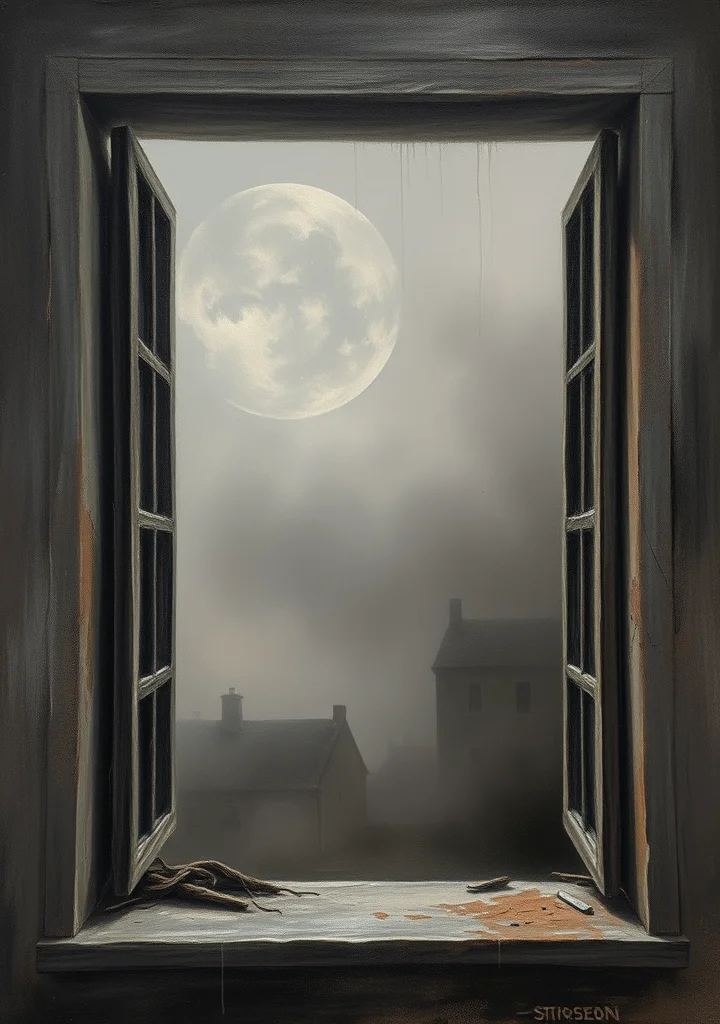
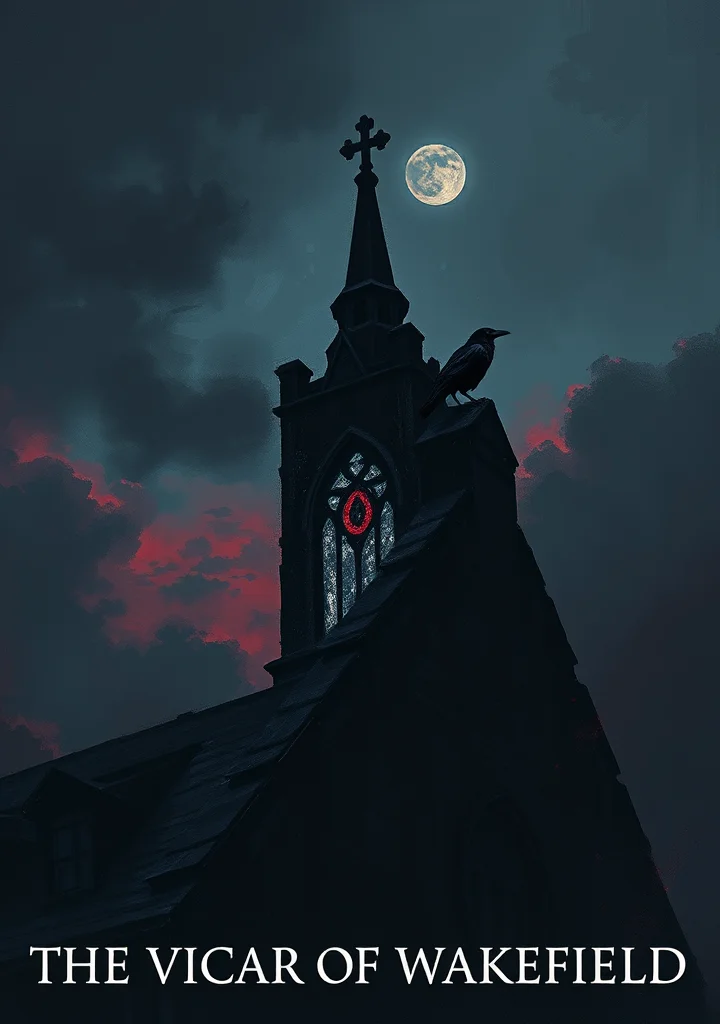
A creeping dread settles upon the reader even before the first page is turned. Wakefield, a village steeped in mist and rumour, becomes a prison of piety and hidden vice. The vicar, a man of gentle intent, finds his world unraveling not through grand tragedy, but through the insidious rot of circumstance and the blossoming sins of those closest to him. Sunlight here is brittle, casting long shadows that cling to the crumbling stone of the church and the shadowed faces of its inhabitants. The narrative breathes with the stifled sighs of daughters seduced by vanity, the desperate gambles of a brother consumed by ambition, and the slow, agonizing decay of a family’s reputation. Each act of kindness, each whispered prayer, is shadowed by the knowledge of impending ruin. A suffocating domesticity, rendered with a cold, precise hand, traps the reader within the suffocating walls of the vicarage. The air is thick with the scent of damp earth and decaying lace, a fragrance of broken promises and fractured faith. The story unfolds less as a sequence of events, and more as a gradual suffocation, the tightening of a noose woven from good intentions and the inevitable unraveling of a life lived in the shadow of expectation. It is a slow poisoning, where the poison is not malice, but the crushing weight of a world too small to contain its desires. Wakefield itself is a character—a silent, watchful entity that feeds on the failings of its inhabitants and buries their secrets in the graveyard’s cold embrace.


Copyright: Public Domain
This license allows anyone to use your story for any purpose, including printing, selling, or adapting it into a film freely.
Recommended for you
48 Part
The salt-laced wind carries whispers of decay from the crumbling manor, Blackwood, where the remnants of a forgotten Eden cling to the cliffs. A creeping dread permeates the estate, a legacy of shadowed inheritances and the fevered dreams of its last, fractured master. Old Man Silas, driven mad by a grief that blooms in the choked gardens, stalks the halls, haunted by visions of a paradise lost – and a daughter claimed by the sea. The narrative coils tight around the suffocating weight of Blackwood’s history, a relentless tide of obsession that pulls the new ward, young Elias, into Silas’s fractured world. Sunken paths lead to grottoes filled with brine-stained carvings, where the scent of rot mingles with the phantom fragrance of jasmine. Every stone breathes with a sorrowful resonance, a stifled scream locked within the stone. The fog rolls in, thick as gravecloths, obscuring not only the jagged coastline but the fragile boundaries of Elias’s sanity. He finds himself drawn to the dark heart of the estate, to the ruined chapel where the echoes of a desperate faith still linger. The narrative isn’t merely a haunting; it *is* the haunting itself—a slow, inevitable descent into the shadowed embrace of a man consumed by loss, where the line between salvation and damnation dissolves in the salt-stained twilight. The very air seems to weep with the weight of Blackwood’s sorrow, a constant, chilling reminder that Eden, once a promise, is now a tomb.
82 Part
A creeping dread clings to the shadowed corners of Sybil, a novel steeped in the miasma of industrial England’s decay. The narrative exhales a perpetual twilight, where soot-stained brick and crumbling mills mirror the fractured souls within. Disraeli doesn't offer mere poverty, but a spectral haunting of ambition, of a nation consuming itself. Sybil, the eponymous ward, drifts through a landscape of feverish unrest – a phantom flitting between the opulent indifference of the aristocracy and the ravenous hunger of the working class. The story unfolds not as a progression, but as an erosion. Each encounter, each act of charity or cruelty, feels carved from the same granite despair. A suffocating claustrophobia pervades, born not of physical confinement, but of the relentless, grinding monotony of lives lived in the shadow of the furnace. The language itself is a pallid imitation of grandeur, echoing with the hollowness of privilege. Expect not soaring romance, but the slow, agonizing unraveling of hope. The novel breathes with the chill of damp stone, the metallic tang of blood and coal dust. It’s a world where every smile is a brittle facade, every kindness laced with the bitter knowledge of its futility. A darkness, not of supernatural design, but of systemic fracture—a creeping rot that consumes the heart of England itself. The air thickens with the weight of unfulfilled promises, and the shadows lengthen with each passing, suffocating hour.
30 Part
A creeping dread clings to the crumbling chateau of Orcival, where shadows dance with secrets and the scent of decay permeates every stone. The narrative unfolds like a slow unraveling, a tapestry woven with whispers of madness and the weight of ancestral sins. Fog-choked valleys conceal not only the estate, but a legacy of betrayal that festers within the bloodline of the de Orcival family. Each room breathes with the ghosts of forgotten tragedies, the air thick with the suffocating loneliness of its sole inhabitant, the enigmatic marquis. The story is not one of swift action, but of insidious unraveling, of a mind fractured by isolation and haunted by a past it can no longer comprehend. Sunlight seems to recoil from Orcival’s walls, replaced by a perpetual twilight that mirrors the marquis’s descent into a labyrinth of delusion. Witnesses are scarce, and those who venture near the estate do so under the pallid glow of a waning moon, their testimony fragmented and laced with the chilling certainty of witnessing something utterly…wrong. The true mystery isn't a single crime, but the suffocating atmosphere itself—a suffocating dread that clings to the reader like cobwebs, leaving one questioning whether the horror resides within the chateau, or within the very heart of the man who dwells within. It is a story steeped in the gothic tradition, where the architecture itself is a character, and every shadow holds a piece of a fragmented truth.
10 Part
A suffocating heat clings to the Portuguese coast, mirroring the stifled ambitions and decaying grandeur within the crumbling estates. This is a land where translation is not merely linguistic, but of souls – where the very act of speaking fractures identity. The narrative unfolds through a haze of humid nights and the relentless drone of cicadas, a fever dream of miscommunication and simmering resentment. Every phrase, every misplaced comma in the titular lexicon, becomes a weapon wielded by the disenfranchised, a subtle sabotage against the colonial power that dictates their very tongues. Shadows stretch long from the whitewashed buildings, concealing not just illicit liaisons but the creeping rot of a society built on borrowed language. The air itself is thick with the scent of jasmine and desperation, laced with the metallic tang of unfulfilled desires. A claustrophobic sense of surveillance pervades, not from visible guards but from the insidious awareness that every utterance is parsed, every inflection judged. The story breathes with the slow, deliberate pace of a decaying bureaucracy, where each attempt at clarity only deepens the mire of misunderstanding. It’s a world where silence is a luxury few can afford, and where even the most ardent declarations of love are warped by the insidious demands of a foreign tongue. The novel’s unease doesn't lie in dramatic outbursts, but in the insidious erosion of meaning itself, leaving readers adrift in a sea of fractured syntax and unspoken dread.