
-
Read 172
-
0
-
Part 5
Completed, First published Mar 02, 2026
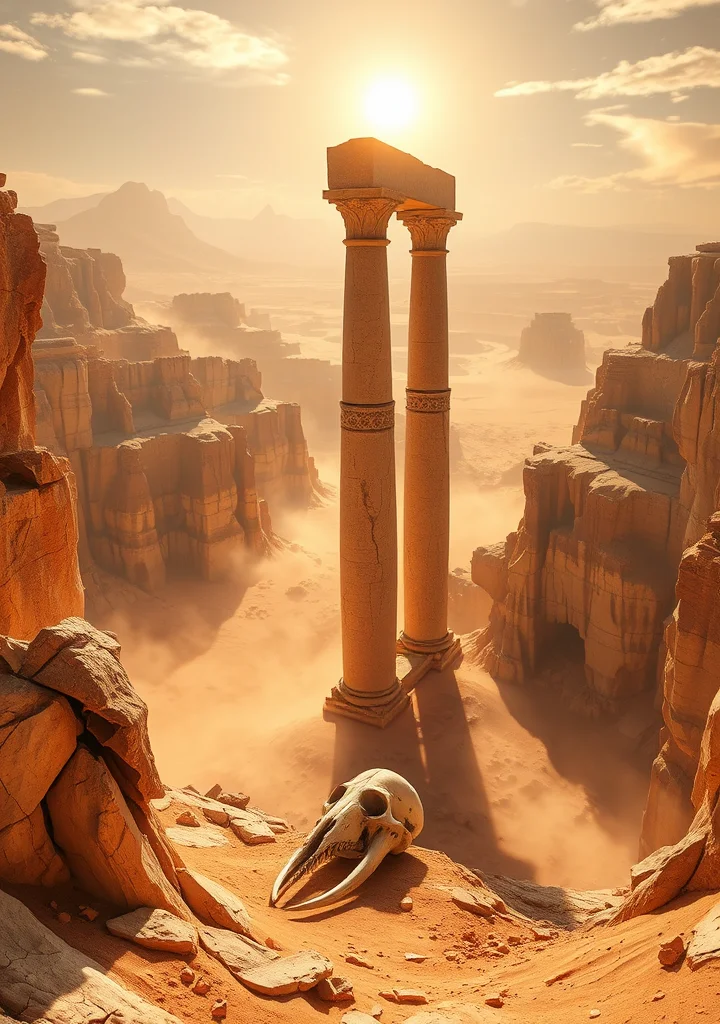
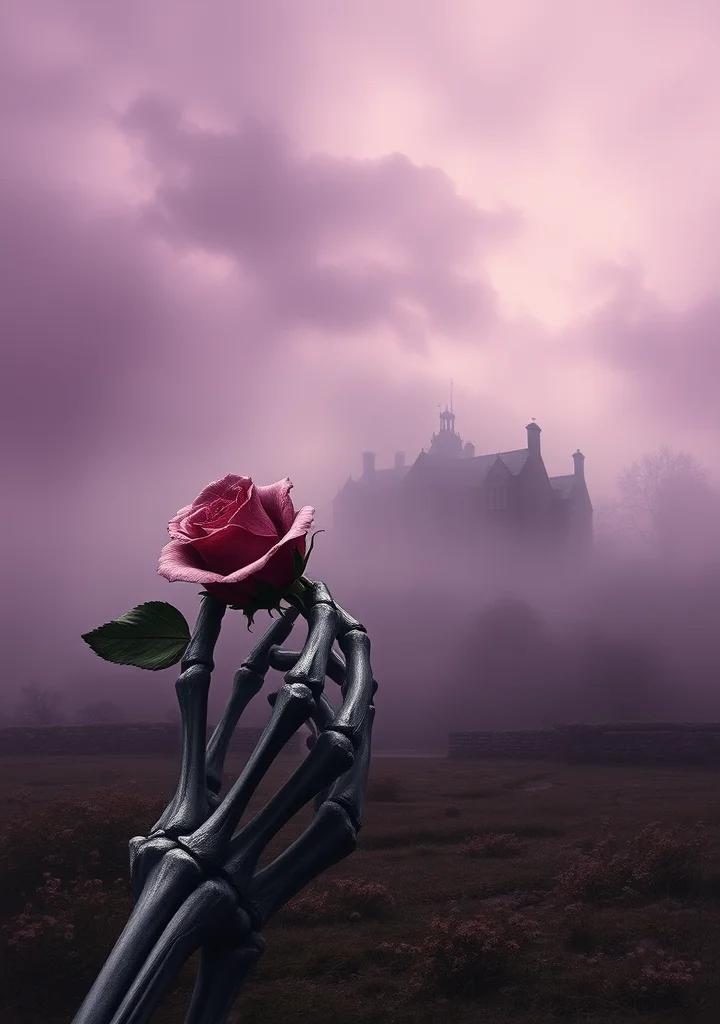
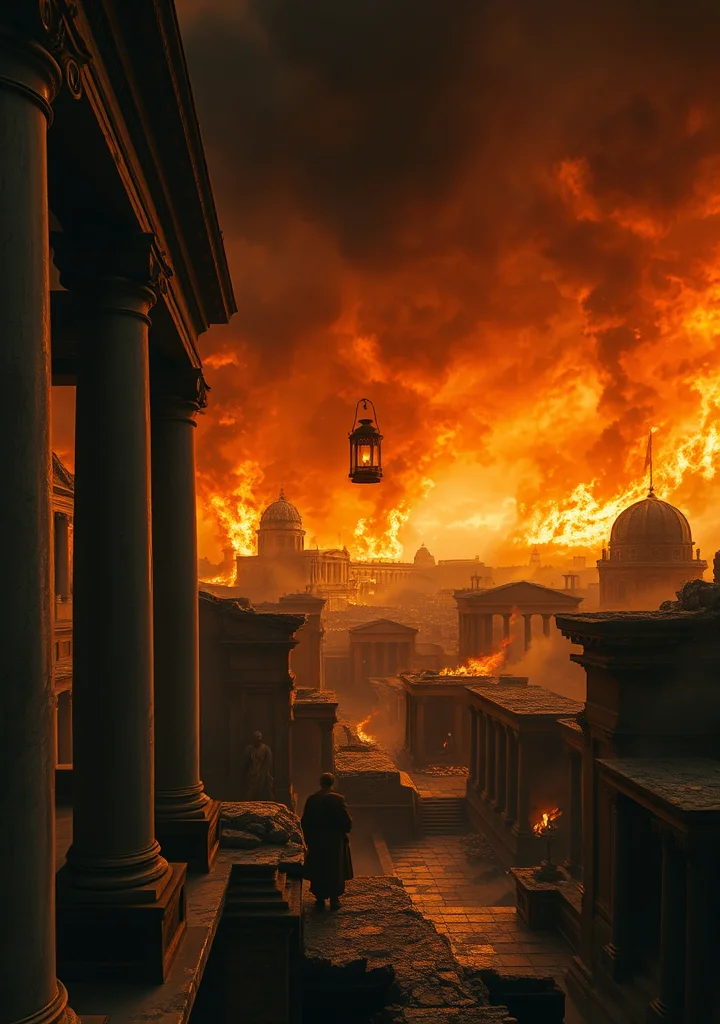
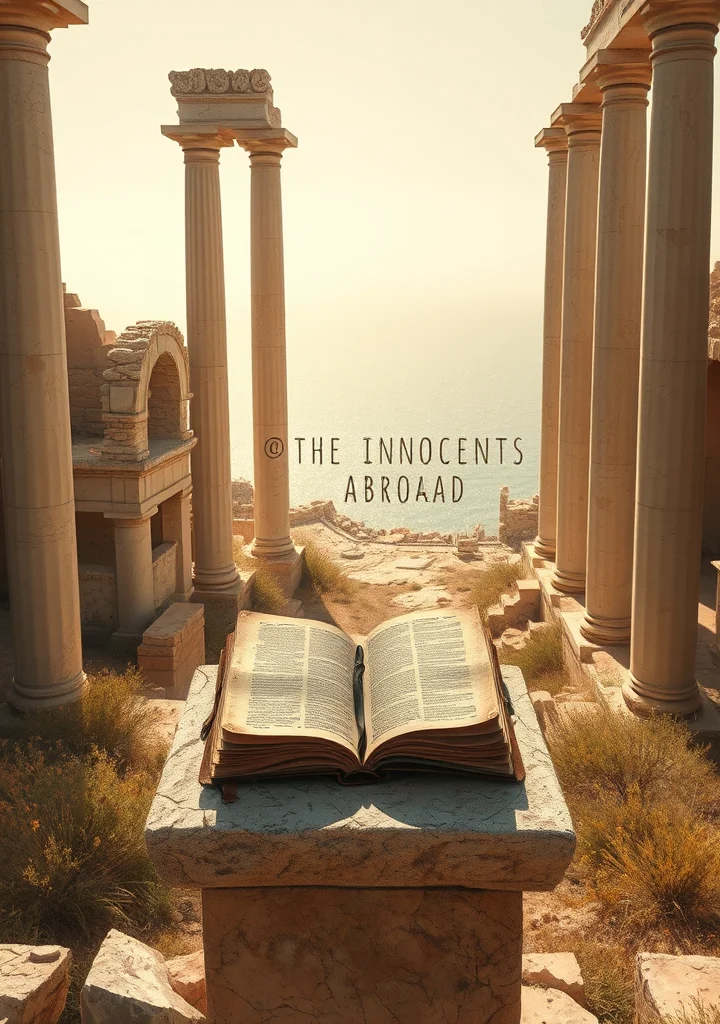
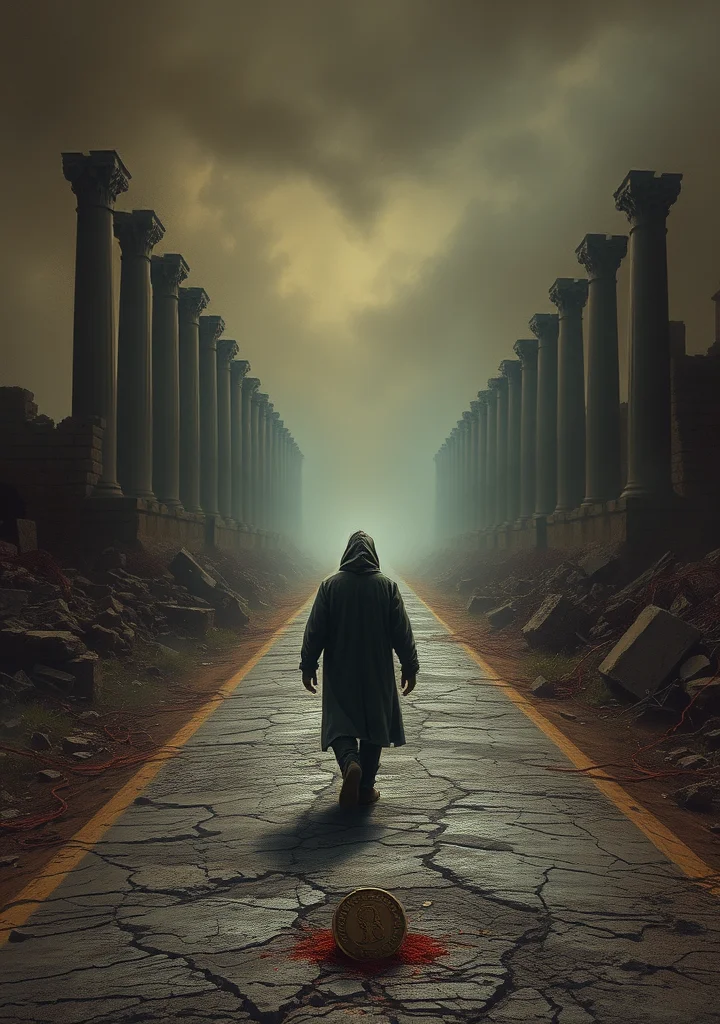
Dust motes dance in the perpetual twilight of forgotten roads. Belloc’s narrative clings to the chill bones of the Italian landscape, a slow, deliberate pilgrimage shadowed by the ghosts of ancient ambition. The air tastes of ash and the scent of damp stone, each mile marked not by distance but by the weight of history pressing down on the solitary traveler. This is a journey not toward salvation, but toward a reckoning with the decaying grandeur of a fallen empire.
The narrative breathes with the rhythm of crumbling ruins and the hollow echoes of forgotten prayers. A pervasive sense of melancholy clings to the prose, a stillness broken only by the rasp of gravel underfoot and the distant tolling of bells. It is a landscape steeped in a quiet dread, where every sun-bleached wall seems to whisper of betrayal and loss.
The path itself is less a route and more a descent – into a world where the line between faith and madness blurs with every step. The sun, when it appears, casts long, skeletal shadows that stretch across the land like grasping fingers. This is a story told in the spaces between breath, in the silence where the stones remember and the earth remembers with them. A haunting journey where the destination is not Rome, but the hollow echo of what once was.
Copyright: Public Domain
This license allows anyone to use your story for any purpose, including printing, selling, or adapting it into a film freely.
This license allows anyone to use your story for any purpose, including printing, selling, or adapting it into a film freely.
More like this