The Autobiography of Ma-Ka-Tai-Me-She-Kia-Kiak, or Black Hawk

-
539
-
0
-
41
-
Read 539
-
0
-
Part 41
Completed, First published Mar 02, 2026
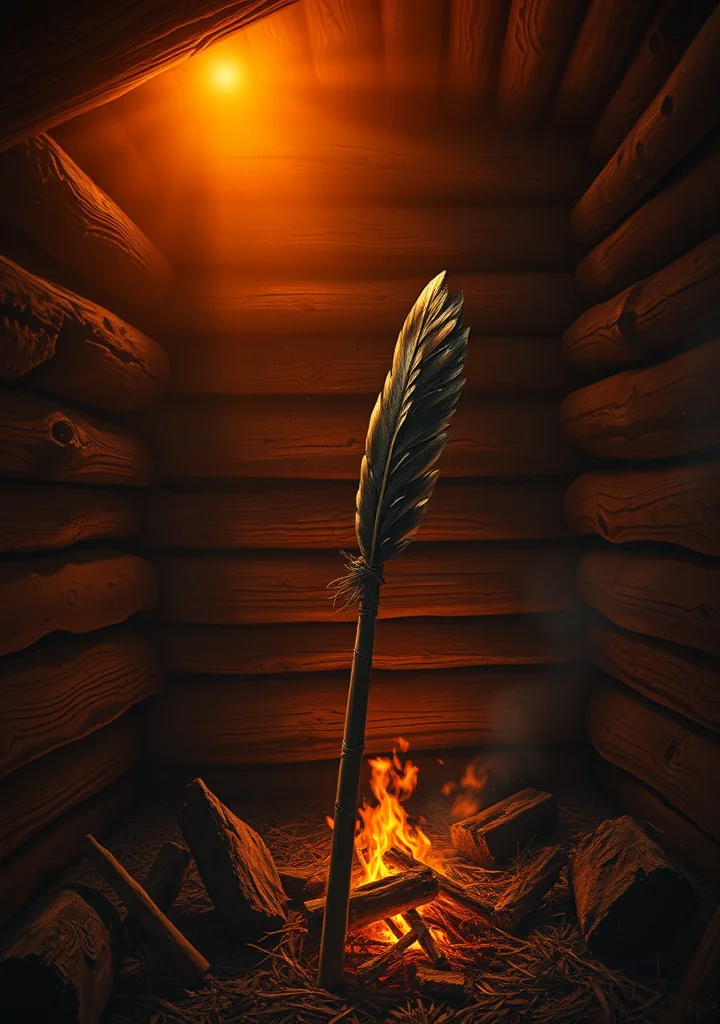
Dust motes dance in the fading light of prairie fires, mirroring the embers of a fractured nation within these pages. A voice rises from the shadowed ravines of the Midwest, not as eulogy but as witness. It is a confession etched in smoke and blood, a lament woven from the sinew of stolen lands and broken treaties. The air hangs thick with the scent of woodsmoke and grief, each chapter a slow unraveling of dignity under the weight of encroaching white settlements. This is not merely history recounted, but a spirit’s unraveling—the slow, agonizing erosion of a people's heartwood. Shadows cling to the descriptions of villages vanishing into the long grass, of promises betrayed under star-choked skies. A sense of creeping dread pervades, not of battle’s fury, but of the insidious rot of displacement—a haunting stillness that settles upon the reader like the winter snows burying the graves of forgotten warriors. The very words feel stained with the ochre of earth, the crimson of loss, and the cold gray of a future swallowed by the encroaching darkness. It is a testament not to conquest, but to the hollow ache of a world being unmade, a song sung in the voice of a ghost already walking amongst the ruins.
Copyright: Public Domain
This license allows anyone to use your story for any purpose, including printing, selling, or adapting it into a film freely.
This license allows anyone to use your story for any purpose, including printing, selling, or adapting it into a film freely.
Chapter List
-
« The Autobiography of Ma-Ka-Tai-Me-She-Kia-Kiak, or Black Hawk »📖 Continue Reading
-
« Chapter_3 »
-
« Affidavit »
-
« Chapter_5 »
-
« Chapter_6 »
-
« Advertisement »
-
« The Autobiography of Ma-Ka-Tai-Me-She-Kia-Kiak, or Black Hawk »
-
« Chapter_9 »
-
« Starts for a New Home »
-
« Black Hawk’s Last Visit »
-
« Black Hawk’s Removal to the Des Moines River »
-
« The Black Hawk Tower »
-
« The Black Hawk War »
-
« Preface »
-
« Fox Murderers Wanted »
-
« The Black Hawk War »
-
« Chapter_18 »
-
« Stillman’s Defeat »
-
« Battle of Pecatonica »
-
« Battle of Pecatonica »
-
« Fight at Apple River Fort »
-
« Apple River Fort »
-
« Kellogg’s Grove Fort »
-
« Major Dement’s Battle with the Indians »
-
« At Wisconsin Heights »
-
« SteamboatWarrior’s Fight »
-
« General Atkinson’s Report »
-
« Appendix »
-
« At Yellow Banks »
-
« Gen.Scott Arrives at Chicago »
-
« The General’s Remedy »
-
« Treaty with Sacs and Foxes »
-
« The City of Davenport, Iowa »
-
« The City of Rock Island »
-
« The City of Moline »
-
« Fifty Years Ago »
-
« The Triple Cities »
-
« Armory and Arsenal, »
-
« The City of Keokuk, Iowa »
-
« The City of Muscatine, Iowa »
-
« The City of Dubuque »
41
-
« The Autobiography of Ma-Ka-Tai-Me-She-Kia-Kiak, or Black Hawk »
-
« Chapter_3 »
-
« Affidavit »
-
« Chapter_5 »
-
« Chapter_6 »
-
« Advertisement »
-
« The Autobiography of Ma-Ka-Tai-Me-She-Kia-Kiak, or Black Hawk »
-
« Chapter_9 »
-
« Starts for a New Home »
-
« Black Hawk’s Last Visit »
-
« Black Hawk’s Removal to the Des Moines River »
-
« The Black Hawk Tower »
-
« The Black Hawk War »
-
« Preface »
-
« Fox Murderers Wanted »
-
« The Black Hawk War »
-
« Chapter_18 »
-
« Stillman’s Defeat »
-
« Battle of Pecatonica »
-
« Battle of Pecatonica »
-
« Fight at Apple River Fort »
-
« Apple River Fort »
-
« Kellogg’s Grove Fort »
-
« Major Dement’s Battle with the Indians »
-
« At Wisconsin Heights »
-
« SteamboatWarrior’s Fight »
-
« General Atkinson’s Report »
-
« Appendix »
-
« At Yellow Banks »
-
« Gen.Scott Arrives at Chicago »
-
« The General’s Remedy »
-
« Treaty with Sacs and Foxes »
-
« The City of Davenport, Iowa »
-
« The City of Rock Island »
-
« The City of Moline »
-
« Fifty Years Ago »
-
« The Triple Cities »
-
« Armory and Arsenal, »
-
« The City of Keokuk, Iowa »
-
« The City of Muscatine, Iowa »
-
« The City of Dubuque »
More like this