
-
Read 299
-
0
-
Part 14
Completed, First published Mar 02, 2026
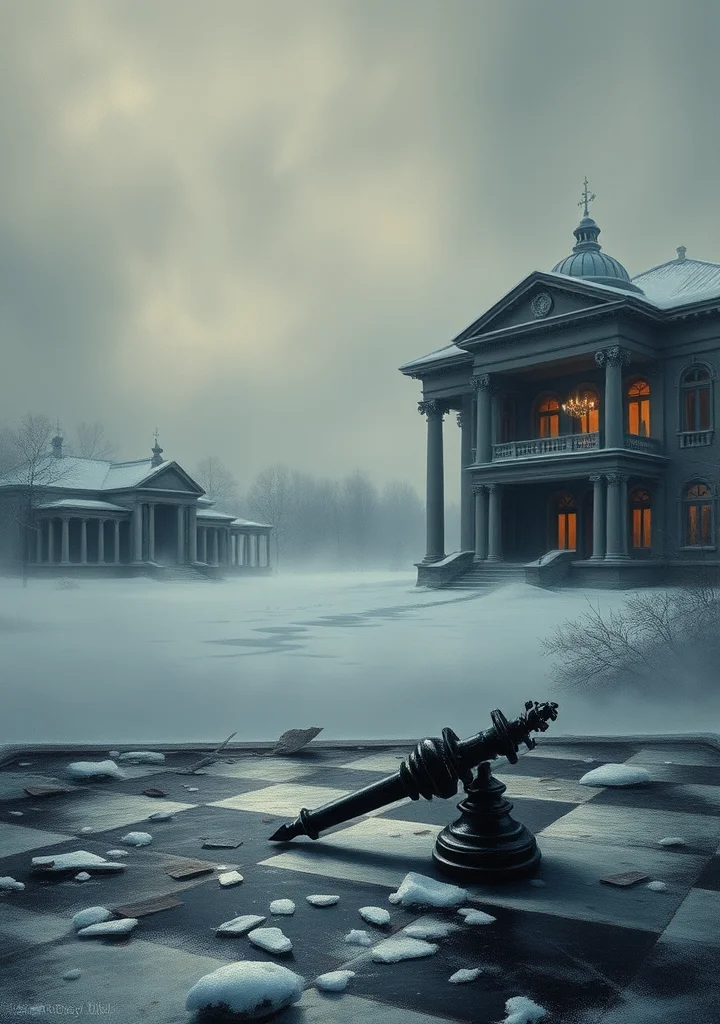
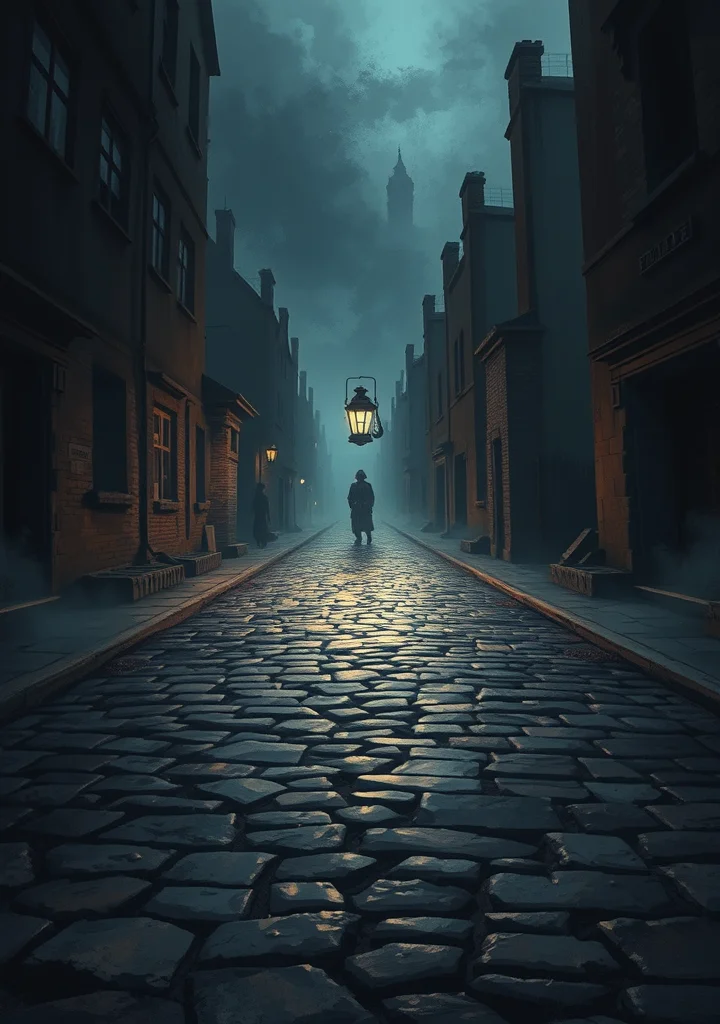
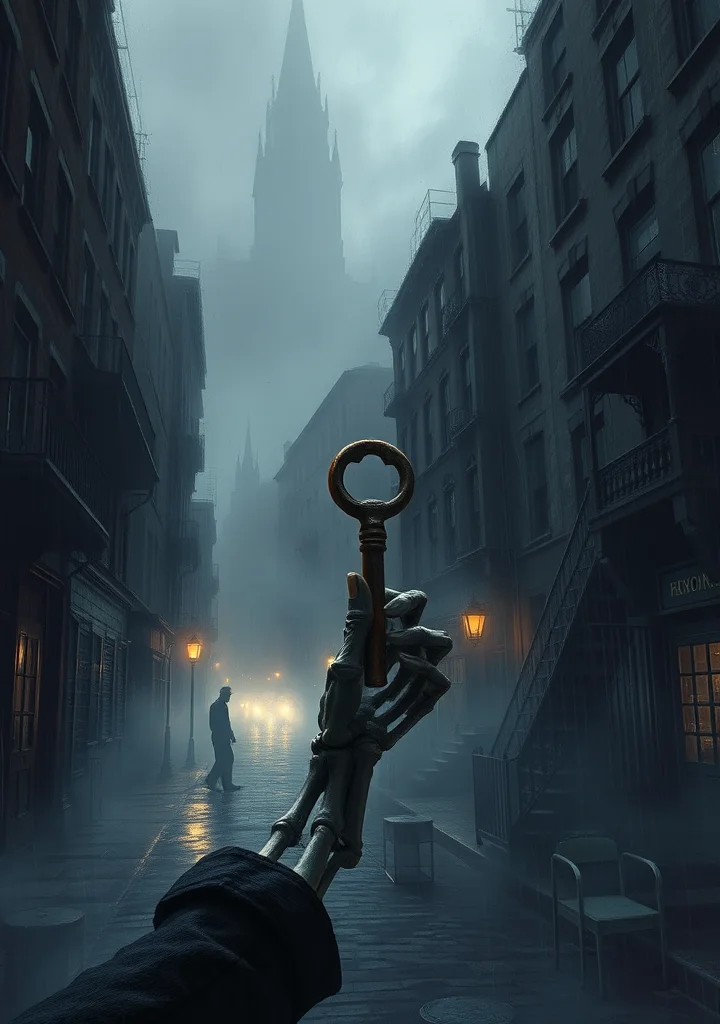
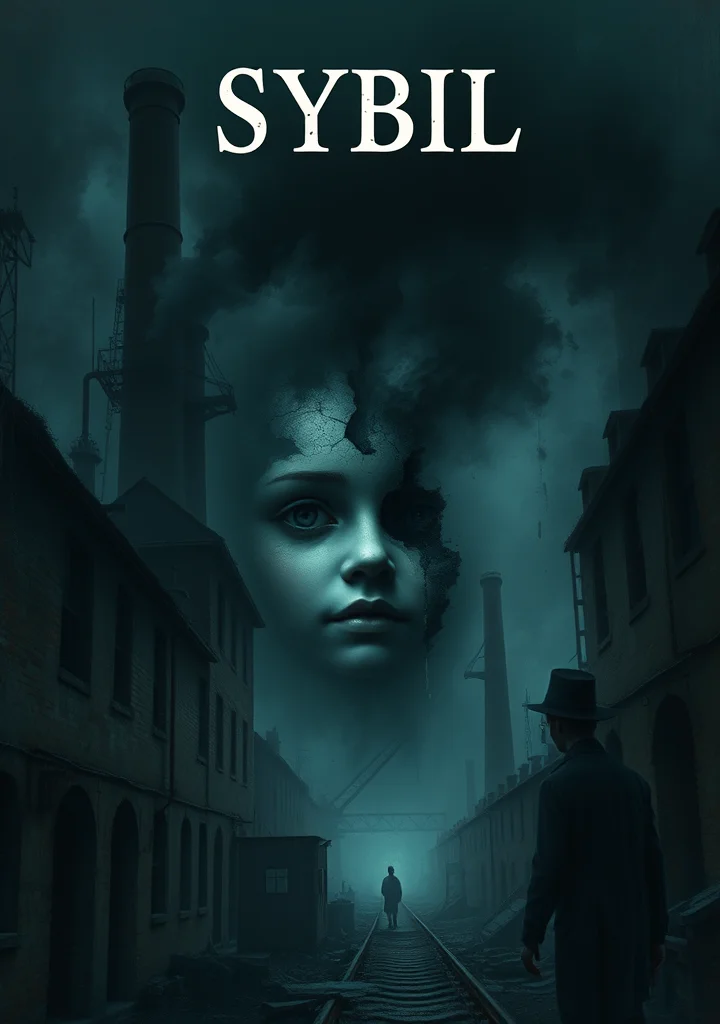
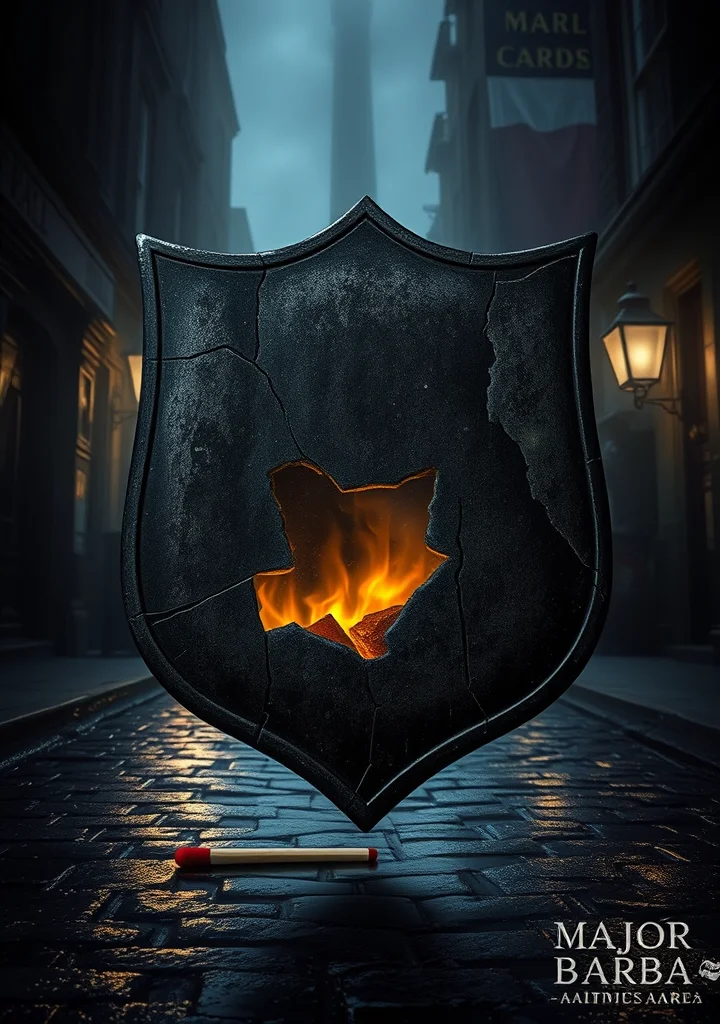
A creeping fog clings to the cobblestones of London, mirroring the moral murk that settles upon Major Barbara’s soul. The Salvation Army’s fiery convert, once a zealous evangelist, finds her convictions fracturing amidst the grimy machinery of industrial capitalism. Shaw’s London isn’t of grand estates and drawing-room dramas, but of match factories and the hollow-eyed children they bleed into profit. The air tastes of sulfur and desperation, thick with the stench of poverty masquerading as piety.
Barbara’s transformation is a slow burn, less a fall from grace than a corrosion of faith. The narrative winds through shadowed alleys where the stench of gin mingles with the desperate prayers of the damned. Each act of charity feels less a divine act, and more a grim transaction, a gilded cage for souls starved for light. The novel breathes with the rhythmic clang of factory wheels and the mournful cries of debtors. It is a world where salvation is bartered for shillings, and the very foundations of faith crumble beneath the weight of practical concerns.
The looming presence of Undershaft, a munitions magnate who claims to fund virtue through vice, casts a pall over every scene. His philosophy seeps into the narrative like a creeping poison, turning the bright promises of the Army into twisted, metallic echoes. The narrative doesn’t offer solace, but a cold, unflinching gaze at the compromises made in the pursuit of a better world, where even the most righteous find themselves stained by the grime of survival.
Copyright: Public Domain
This license allows anyone to use your story for any purpose, including printing, selling, or adapting it into a film freely.
This license allows anyone to use your story for any purpose, including printing, selling, or adapting it into a film freely.
Chapter List
-
« Major Barbara »📖 Continue Reading
-
« Chapter_3 »
-
« Preface »
-
« First Aid to Critics »
-
« The Gospel ofSt.Andrew Undershaft »
-
« The Salvation Army »
-
« Barbara’s Return to the Colors »
-
« Weaknesses of the Salvation Army »
-
« Christianity and Anarchism »
-
« Sane Conclusions »
-
« ActI »
-
« ActII »
-
« ActIII »
-
« Chapter_16 »
14
More like this