
The Last Post
  • 79
  • 0
  • 17
  • Reads 79
  • 0
  • Part 17
Completed, First published Mar 02, 2026

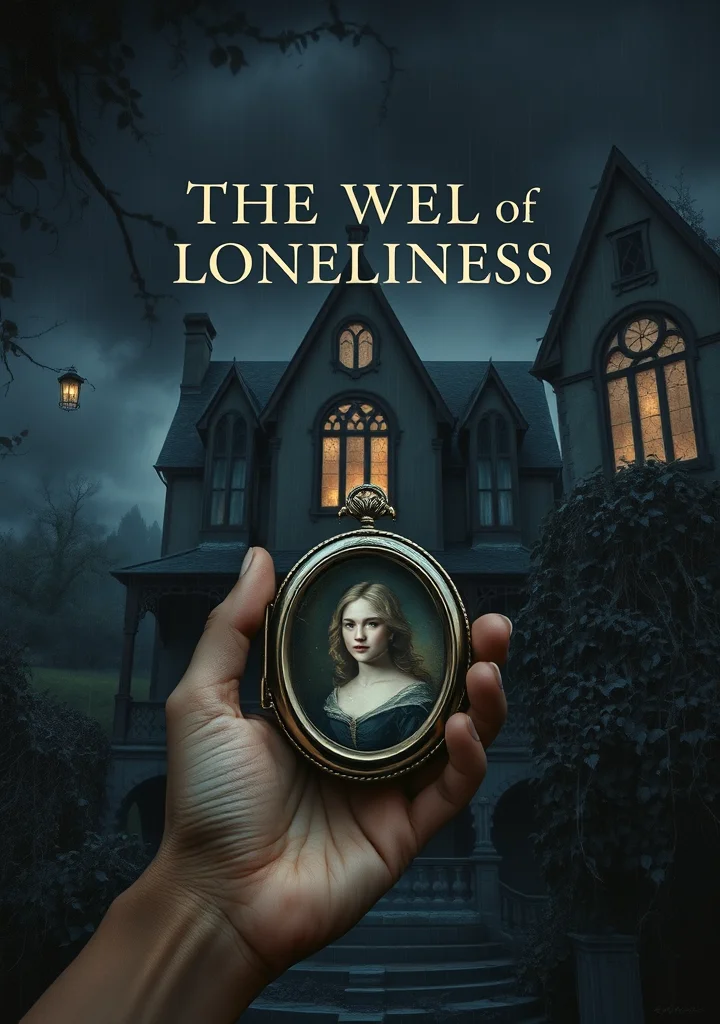
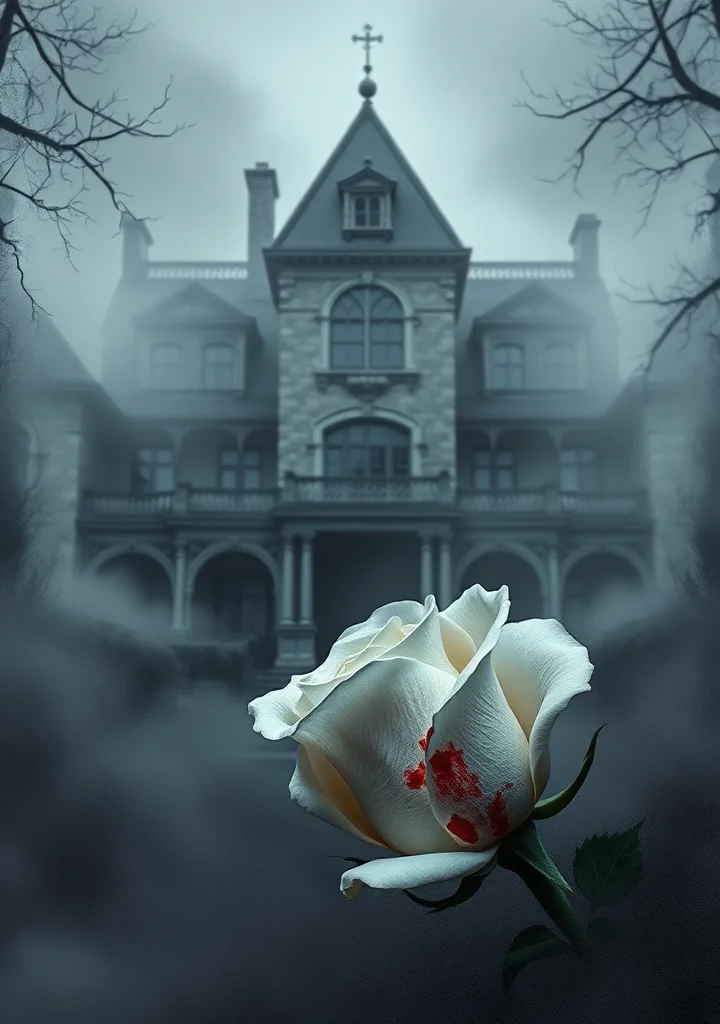
A creeping fog, thick with the scent of brine and decay, clings to the Essex marshes as Captain Nash, adrift in a sea of regret, returns to his ancestral home. The manor, Blackwater Hall, breathes with a history of shadowed loyalties and unspoken desires – a crumbling edifice mirroring the fractured state of Nash’s soul. He finds himself entangled in the brittle affections of his wife, the fading Isolde, a woman haunted by spectral presences and a past she refuses to name. Each room exhales the chill of forgotten tragedies, each portrait whispers of illicit liaisons and the slow rot of inherited wealth. A spectral presence permeates the estate, a melancholic echo of a love lost to the sea, manifesting in phantom footsteps and the mournful cry of distant gulls. The narrative unfolds like a slow poisoning, a suffocating unraveling of sanity within a landscape mirroring the characters’ inner turmoil. Sunlight is a rare visitor, replaced by perpetual twilight and the oppressive weight of secrets clinging to the damp stone walls. The story is not of grand horrors, but of the insidious corrosion of the heart, the suffocating embrace of memory, and the suffocating weight of a past that refuses to stay buried. A suffocating, mournful elegance clings to every page, a sense of irrevocable loss and the insidious creep of despair.
Copyright: Public Domain
This license allows anyone to use your story for any purpose, including printing, selling, or adapting it into a film freely.
Recommended for you
61 Part
A creeping dread clings to the salt-laced air of the Cornish coast, where the manor of Blackwood stands sentinel against a bruised and perpetual twilight. Old Man Hemlock, keeper of the lighthouse and a soul weathered by decades of isolation, hears it first – a rasping, not of wind or wave, but something *within* the stone of the tower itself. It begins subtly, a disturbance in the rhythm of the beam, a tremor in the ancient masonry, but soon it worms its way into Hemlock’s mind, mirroring the decay of his own fractured memories. The rasp grows with the rising tide, echoing the secrets buried within Blackwood’s shadowed halls – tales of a drowned lineage, of a sea captain’s obsession with a spectral wreck, and of a creature dredged up from the abyss that now haunts the jagged cliffs. Every foghorn blast feels like a summons, every shadow a grasping hand. Hemlock's descent into madness is mirrored by the lighthouse's slow, agonizing surrender to the sea, as if the tower itself is becoming a grave for something ancient and hungry. The air thickens with the scent of brine and rot, and the rasp becomes a voice - a whisper of bone against stone, promising not rescue, but oblivion. A chilling, claustrophobic narrative unfolds where the boundaries between dream and reality, sanity and delirium, blur with the churning grey of the unforgiving sea. It’s a story of a man consumed by the echo of something monstrous, and a lighthouse that remembers a darkness older than time itself.
19 Part
The salt-laced air hangs thick with dread, clinging to the rotting timbers of the *Morian*, a vessel haunted by more than just the spectral chill of the North Atlantic. A creeping contagion, born of shadowed ports and whispered bargains with sea-witchery, festers within its hold, twisting flesh and fracturing minds. The narrative unfolds not as a tale of heroic defiance, but as a slow, agonizing unraveling. Each deck becomes a labyrinth of fevered delirium and decaying grandeur, mirroring the fractured psyche of Captain Keveren, bound by duty to a cargo more terrifying than any kraken. Norton doesn’t offer swashbuckling adventure, but a claustrophobic descent into madness. The ship itself is a character—a leviathan of grief and rot, breathing out despair with every creak of its ancient frame. The crew aren’t warriors, but desperate souls clinging to the tattered remnants of their humanity as the plague consumes them, their struggles rendered in muted tones of gray and sickly green. Expect a pervasive sense of isolation, not from open ocean, but from the very bodies around you, each touch bringing closer the inevitable bloom of the sickness. The story is less about escaping the ship, and more about the horrifying realization that the plague is not merely a disease, but a haunting—a parasitic echo of something ancient and malevolent awakened by the sea. The darkness doesn’t arrive with a dramatic storm, but seeps through the planks, clinging to the skin, and ultimately, claiming the soul.
20 Part
Beneath a bruised and perpetual twilight, where the sea gnaws at the cliffs like a starving beast, a child is born not of flesh and blood, but of shadow and stone. Verne’s narrative descends into a labyrinth of echoing tunnels carved into the heart of a forgotten coast, a place where the tide’s rhythm mimics the beat of a decaying heart. The air hangs thick with brine and the scent of something ancient, something *grown* in darkness. The child, salvaged from a shipwreck’s wreckage, is raised by a recluse haunted by the sea’s wreckage—a man who has traded sunlight for the phosphorescent glow of subterranean life. This is not a tale of rescue, but of a gradual submergence. The cavern itself breathes, its walls weeping with mineral salts that cling to skin like frost. Each chapter unfurls like a slow unraveling, revealing a world built on the bones of drowned things and the whispers of forgotten gods. The boy’s growth is mirrored by the cavern’s expansion, a perverse symbiosis that twists him into something both feral and ethereal. He learns to navigate the tunnels not with sight, but with the tremor of the rock against his bare feet, the taste of salt on his tongue, the echo of his own heart beating against the cavern’s core. A creeping dread settles in as the narrative progresses. It isn’t the monsters lurking in the black depths that haunt, but the realization that the cavern is not merely a shelter, but a womb. A womb for something ancient and hungry, and the child is not being *raised* within it, but *prepared*. The sea is not merely a backdrop to this story, it is a hungry god, and the cavern, its festering wound. The air grows colder, the darkness more complete, and the child’s fate—a chilling descent into the cavern's unyielding heart—becomes a slow, inevitable drowning in stone.