
-
Read 415
-
0
-
Part 25
Completed, First published Mar 02, 2026
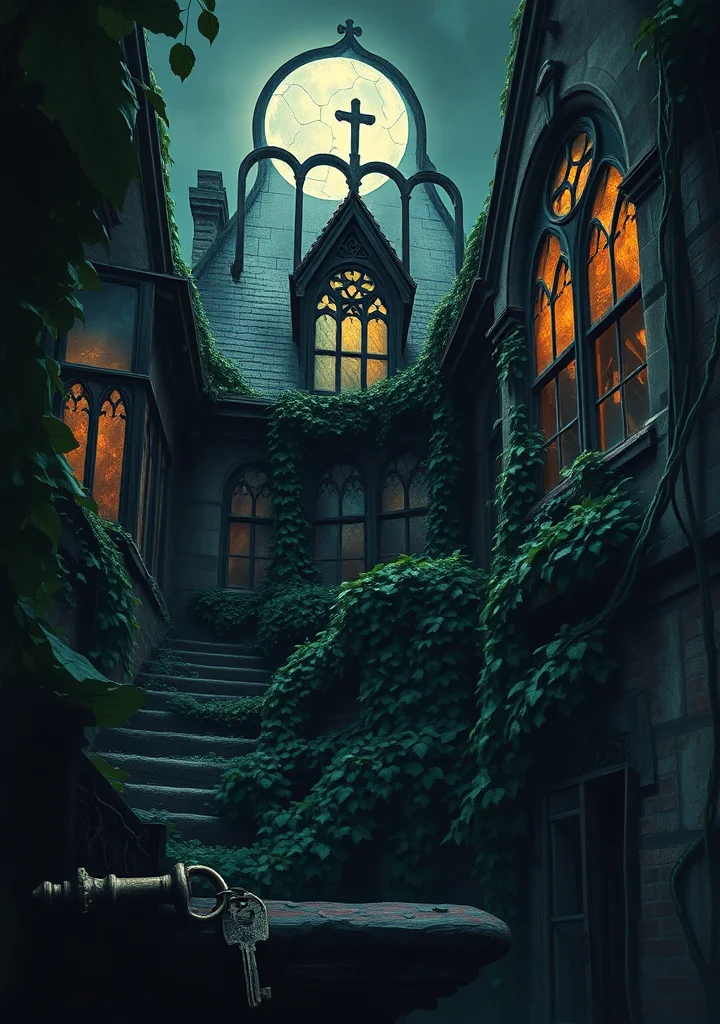
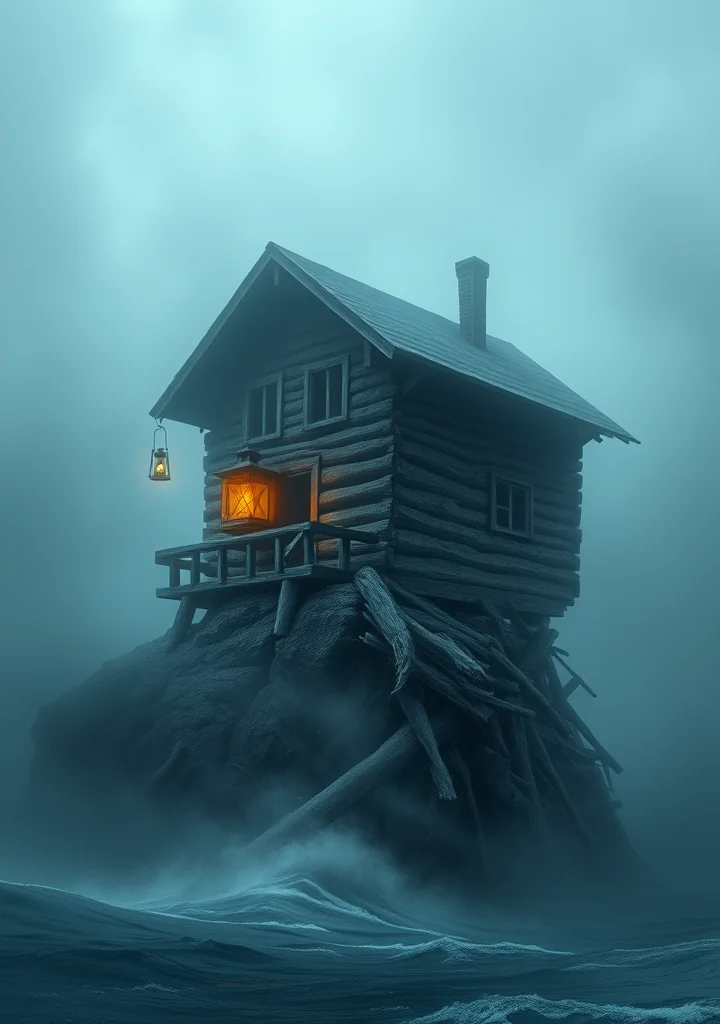
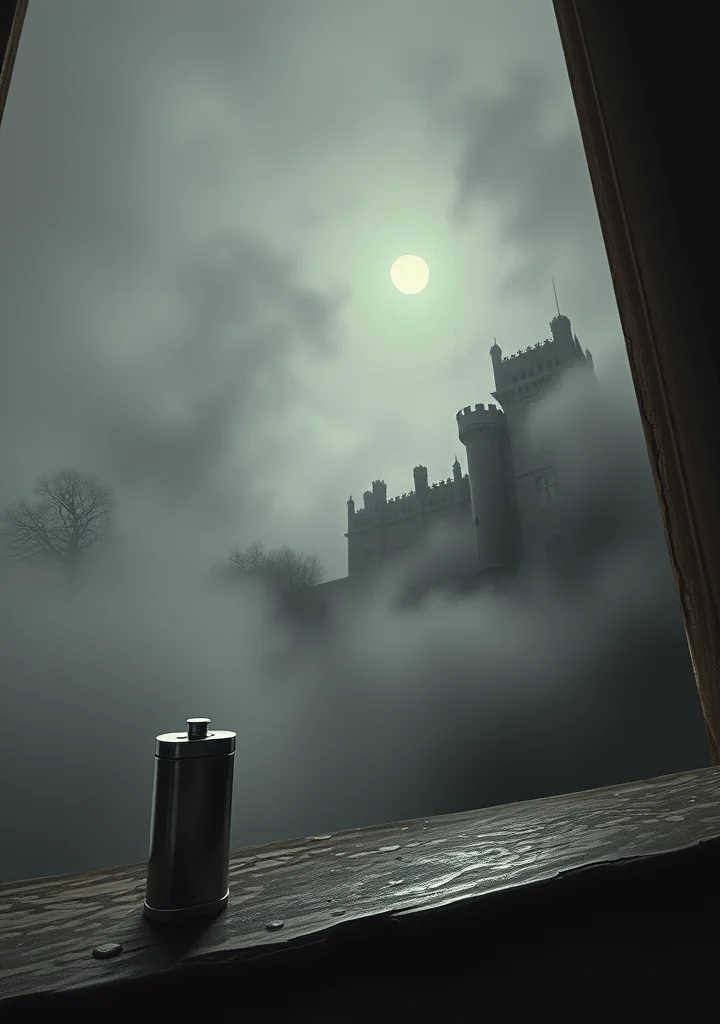
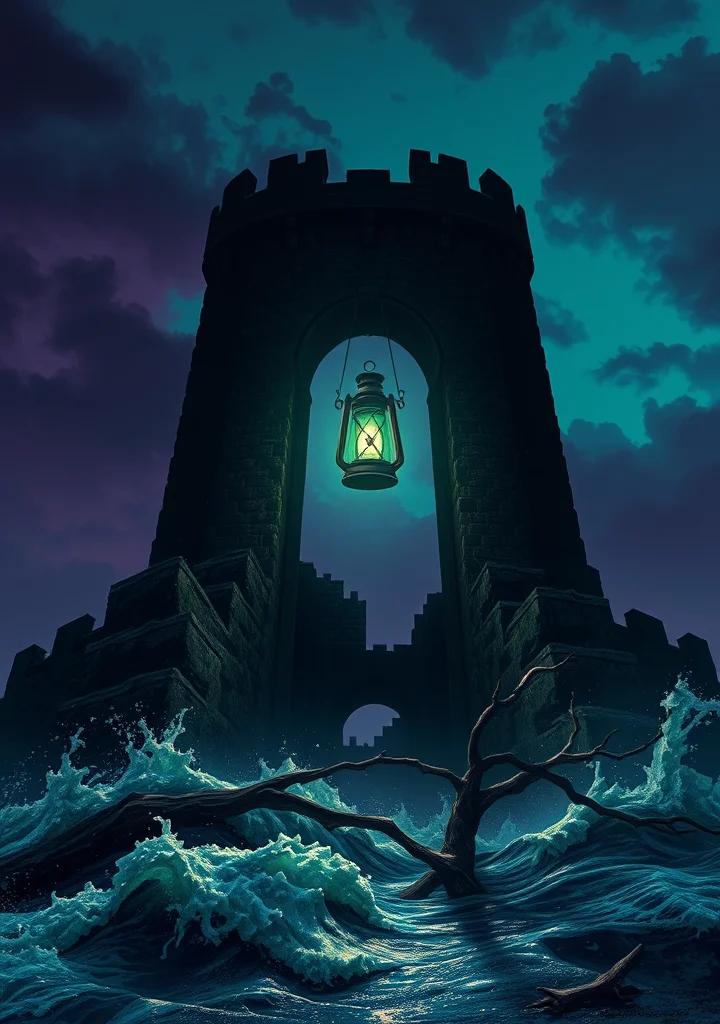
A creeping dampness clings to the stones of Blackwood Tower, a skeletal finger against the bruised twilight sky. The air tastes of brine and forgotten things, laced with the scent of mildew and the faintest whisper of salt-rotted wood. Young Frank, driven by a map scavenged from a dying sailor’s grip, finds himself swallowed by the Tower’s shadow – a place where the sea gnaws at the foundations and the gulls scream with the voices of lost men. Each spiral staircase winds tighter into a labyrinth of echoing chambers, the only light filtering through grimy, iron-barred windows, revealing dust-motes dancing in the gloom. The treasure isn’t gold, nor jewels, but a legacy of silence, guarded by shadows that stretch and writhe with the tide. The deeper Frank delves, the more the Tower seems to breathe – groaning timbers, the slosh of unseen water, and the chilling certainty that he’s not alone within its crumbling embrace. The treasure isn’t merely *found*, it’s *claimed* by the Tower itself, and Frank must unravel a web of maritime curses and long-dead keepers before the stone walls claim him as another lost echo within its heart.
Copyright: Public Domain
This license allows anyone to use your story for any purpose, including printing, selling, or adapting it into a film freely.
This license allows anyone to use your story for any purpose, including printing, selling, or adapting it into a film freely.
More like this