
-
Read 284
-
0
-
Part 23
Completed, First published Mar 02, 2026
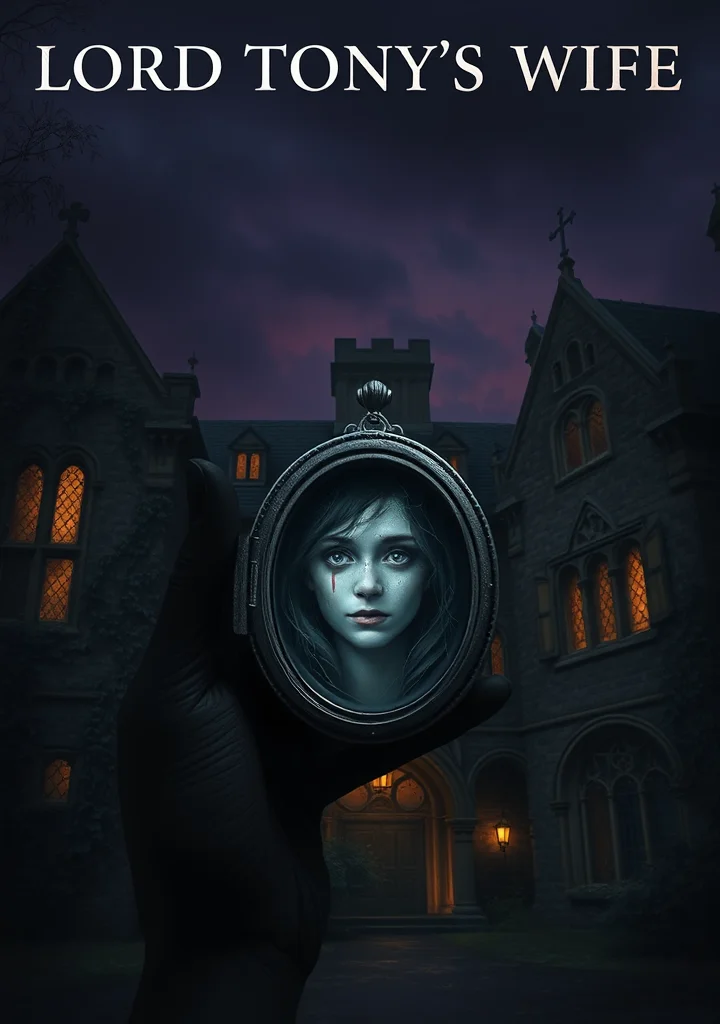
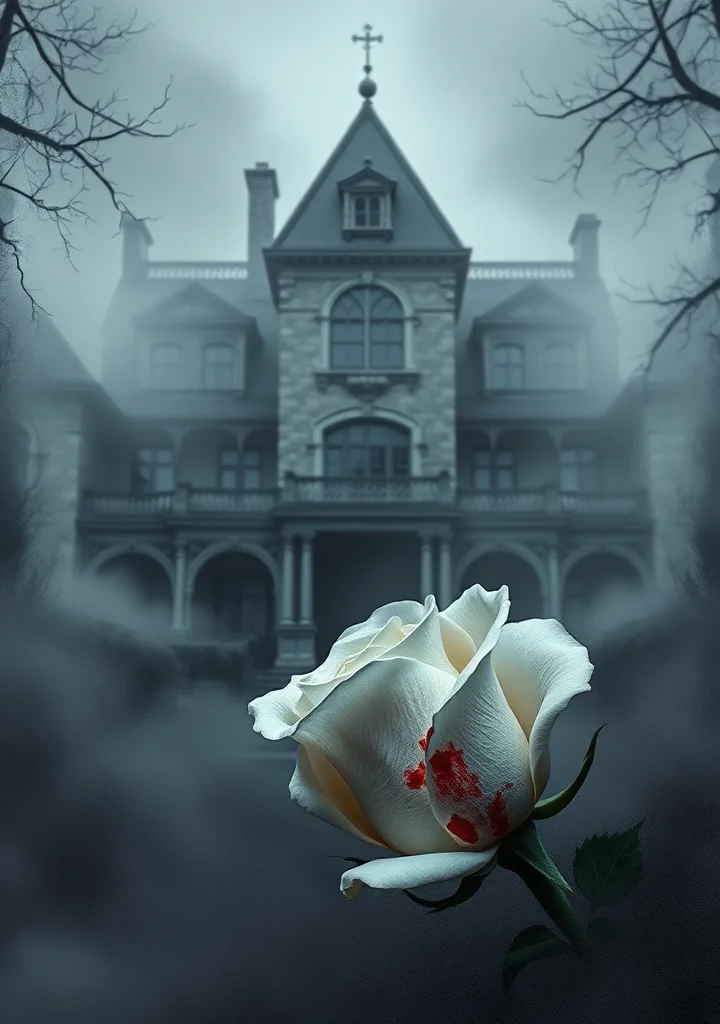
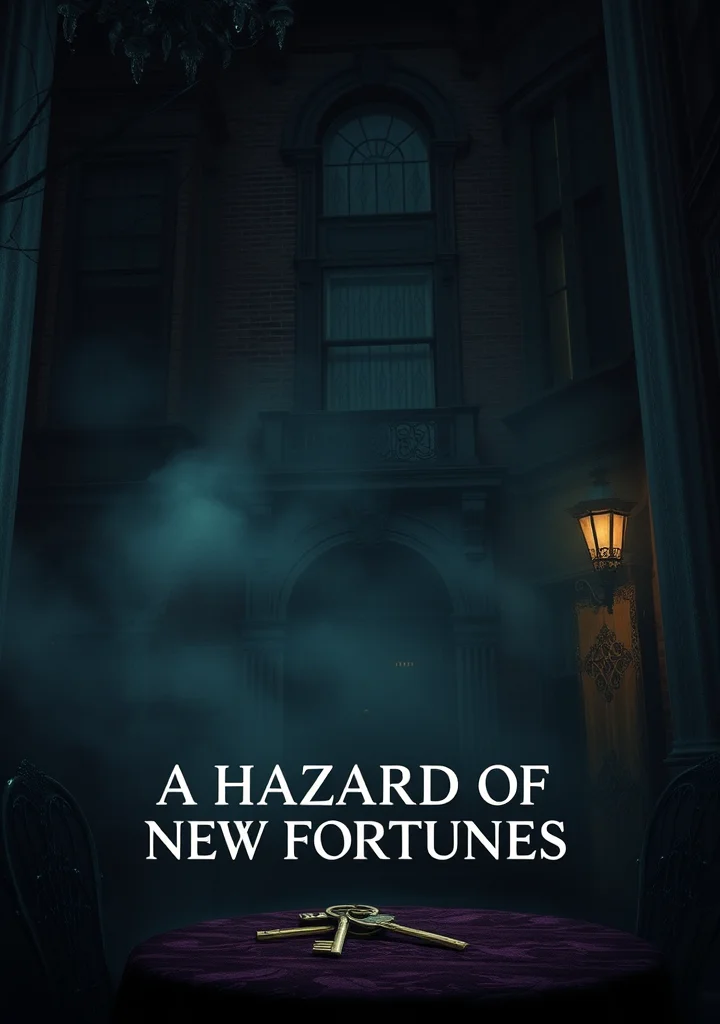
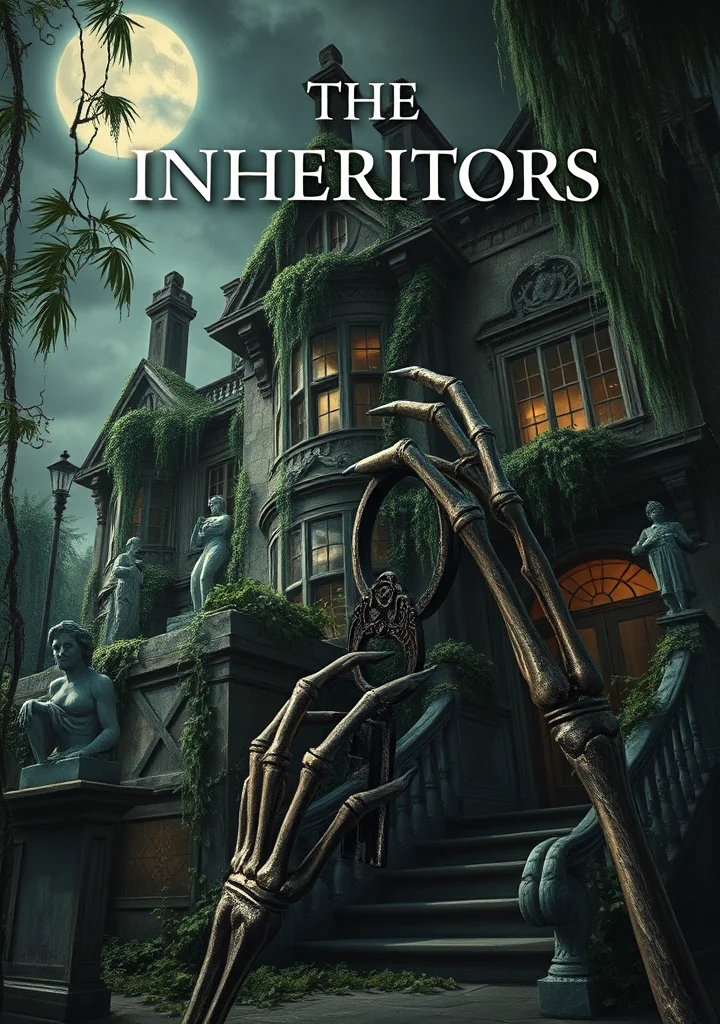
The air hangs thick with the scent of decay and brine, clinging to the crumbling facades of ancestral homes like Spanish moss. Conrad’s *The Inheritors* doesn’t concern itself with bloodlines of wealth, but with the insidious rot that blooms in the hearts of men who’ve inherited not fortunes, but the weight of generations steeped in shadow. A creeping dread permeates every shadowed corridor, every whispered conversation overheard in the stifling heat of a tropical night. The narrative unfolds as a slow unraveling, a descent into the feverish delirium of a family cursed by its own past. Sun-drenched landscapes become prisons of the mind, mirroring the suffocating ambitions that fester within the colonial estate. It’s a world where ambition breeds cruelty, where the very stones seem to weep with the memories of those broken by the demands of legacy. The characters, consumed by their inherited burdens, are ghosts haunting their own lives, adrift in a moral twilight where the boundaries between predator and prey dissolve into a sickening, humid haze. The story breathes with the stifled sighs of regret, the clink of madness in a glass, and the oppressive weight of a history that refuses to stay buried. A sense of suffocating claustrophobia grips the reader, mirroring the characters’ entrapment within a legacy of violence and the slow, inexorable decay of the soul.
Copyright: Public Domain
This license allows anyone to use your story for any purpose, including printing, selling, or adapting it into a film freely.
This license allows anyone to use your story for any purpose, including printing, selling, or adapting it into a film freely.
More like this