
A Portrait of the Artist as a Young Man
  • 67
  • 0
  • 8
  • Reads 67
  • 0
  • Part 8
Completed, First published Mar 02, 2026

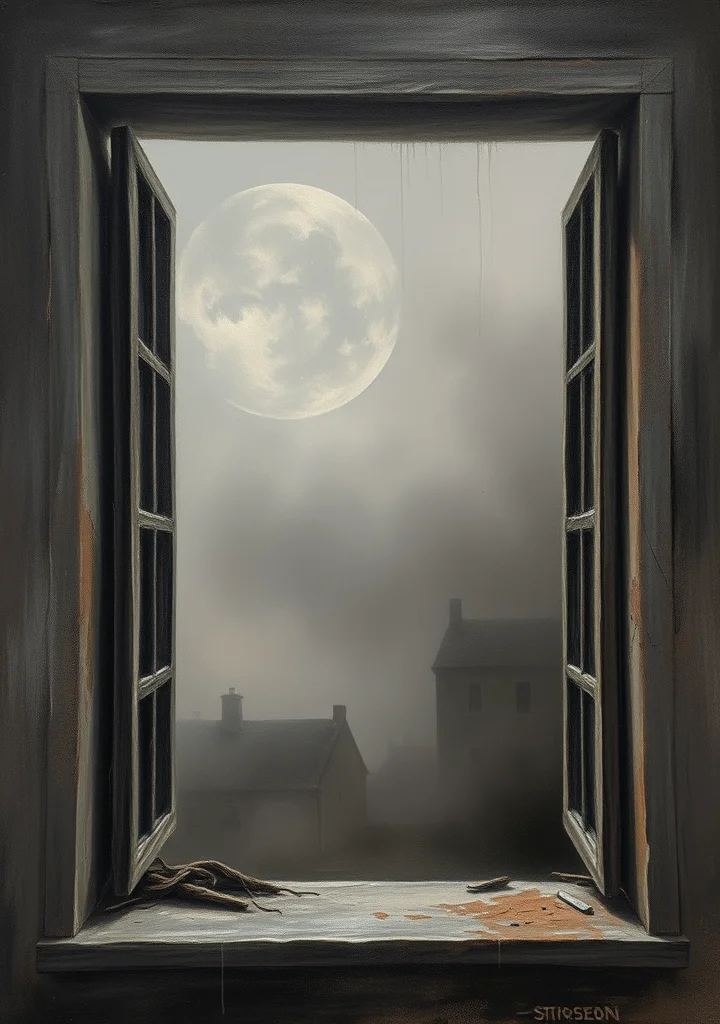
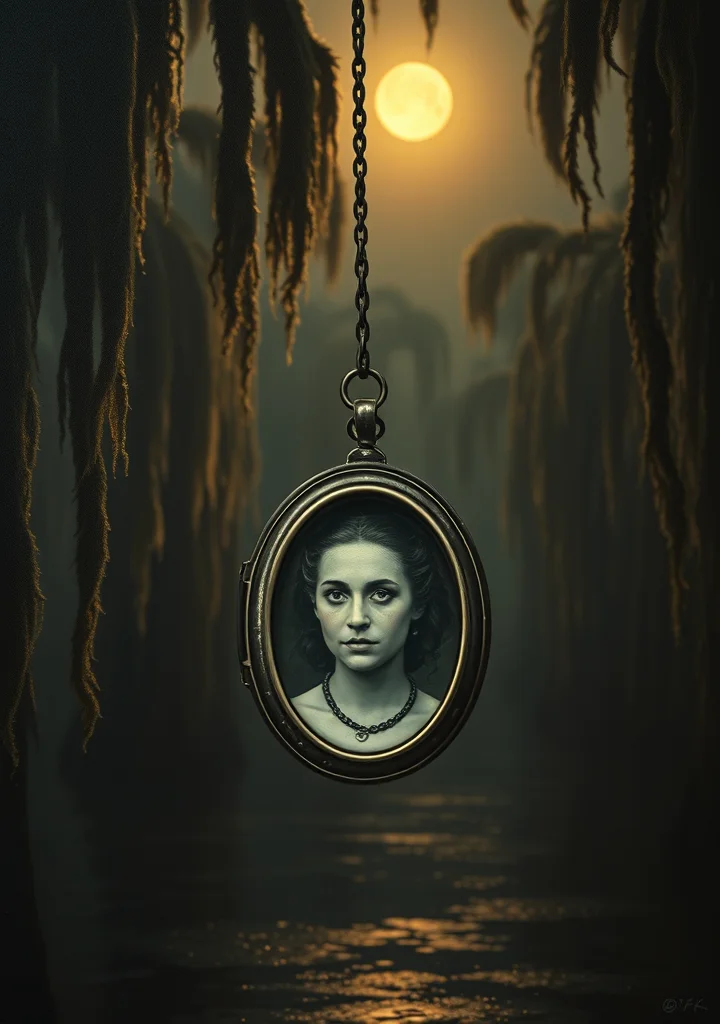
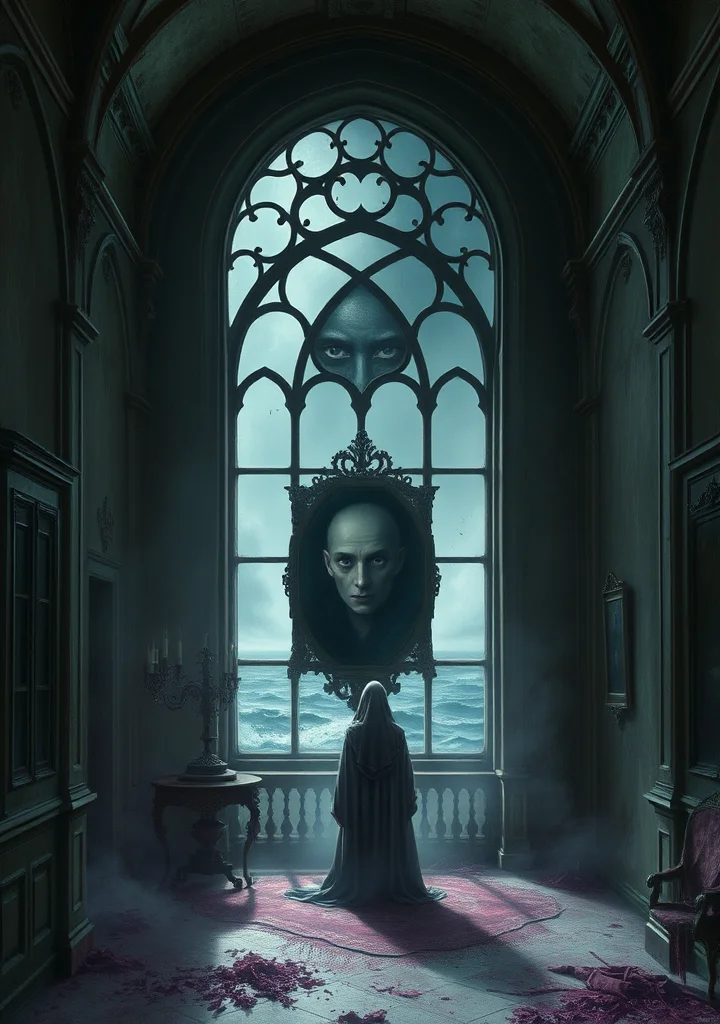
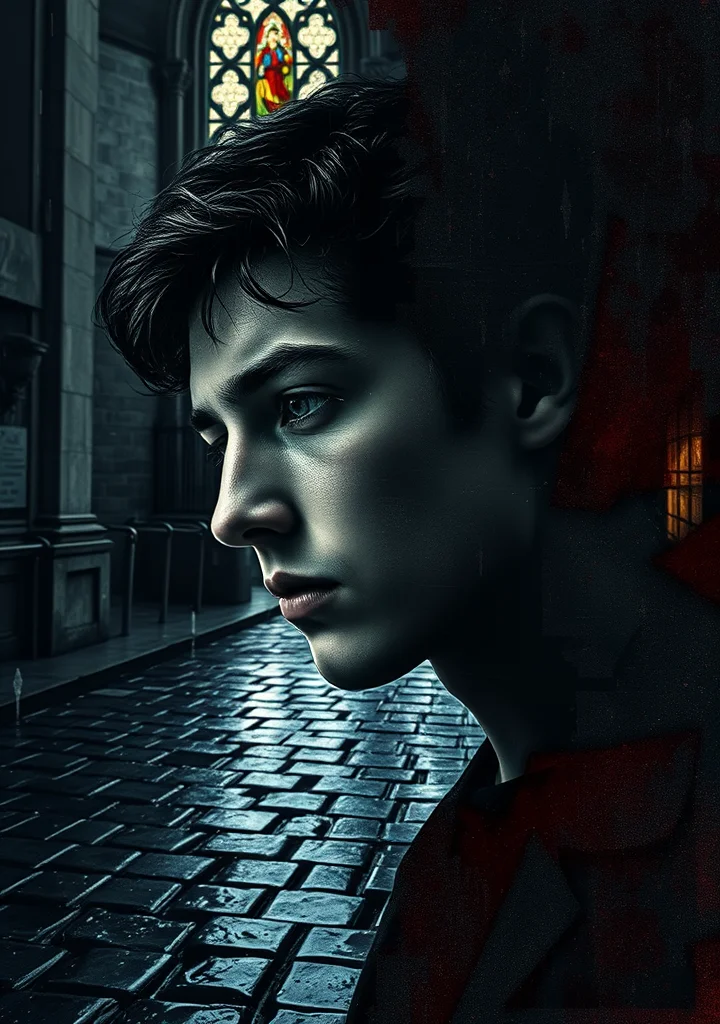
Dublin breathes in shadow and rain, a city steeped in the scent of decay and damp wool. This is not a tale of grand horrors, but of a suffocating, internal unraveling. The protagonist’s youth is rendered as a slow, exquisite corrosion of innocence, a flaying of the spirit against the bone-white Catholicism of his upbringing. Each confession, each whispered transgression, isn’t a sin confessed, but a fracture in the shell of his being. The narrative coils inward, claustrophobic as a crypt. Every memory is a phantom limb, twitching with regret and nascent desire. The prose itself mimics the city—a labyrinth of alleyways, echoing with the ghosts of childhood prayers and the stifled cries of ambition. There's a pervasive sense of isolation, not from the world, but from oneself. The book isn’t haunted by demons, but by the suffocating weight of potential. The weight of what *could* be, what *should* be, and what, inevitably, will be lost to the suffocating grayness of a life half-lived. The story unfolds as a decaying fresco, the colors of joy and faith leaching into the stone of despair. It is a portrait not of a man, but of a rot—a beautiful, terrible blossoming of decay.
Copyright: Public Domain
This license allows anyone to use your story for any purpose, including printing, selling, or adapting it into a film freely.
Recommended for you
50 Part
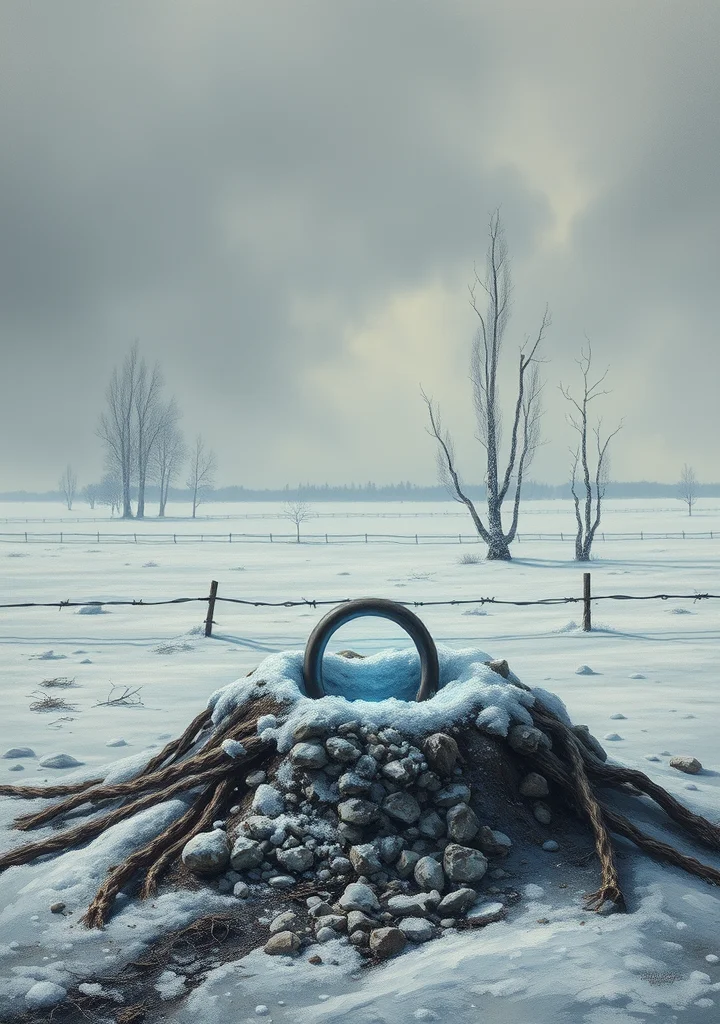
A creeping dread permeates the snow-choked streets of a Petrograd fracturing under ice and ideology. The air hangs thick with the scent of brine and decay, mirroring the rot beneath the gilded facades of Tsarist memory. This is not a history of revolution, but a descent into a frozen labyrinth of whispered conspiracies and the hollowed-out eyes of zealots. Berkman doesn't chronicle uprising, he exhumes the corpse of idealism, revealing the worms feeding on its bloated ambition. Each chapter feels like a shard of glass under the skin, reflecting a distorted reality where the promise of liberation curdles into the iron tang of power. The narrative clings to the shadowed corners of tenements, the hushed exchanges in smoky taverns, and the phantom limbs of a society severed from its past. It’s a story told not through grand battles, but through the slow fracturing of faith within individuals, the chilling realization that the new god demands the same sacrifices as the old. A pall of paranoia descends, not from external enemies, but from the suffocating certainty of those convinced they hold the key to utopia. The myth isn't a lie, but a contagion, a spectral force that infects the soul and twists the very foundations of human compassion into something monstrously efficient. The novel doesn't merely depict the fall of an empire; it embodies the suffocating weight of a dream turned nightmare, a darkness that lingers long after the snow melts.
384 Part
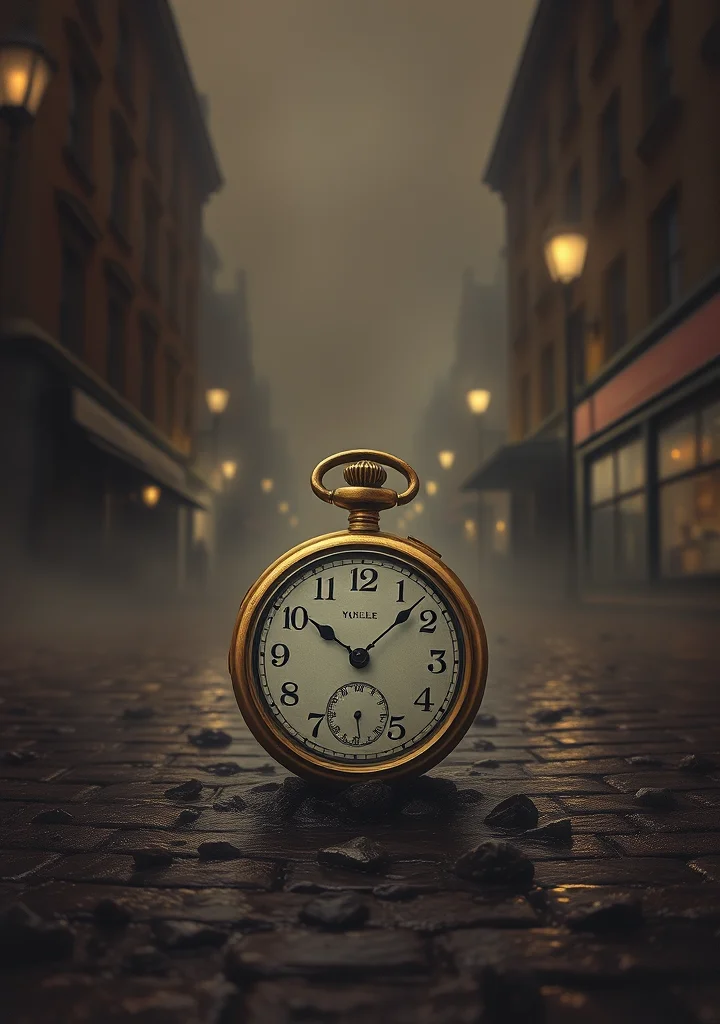
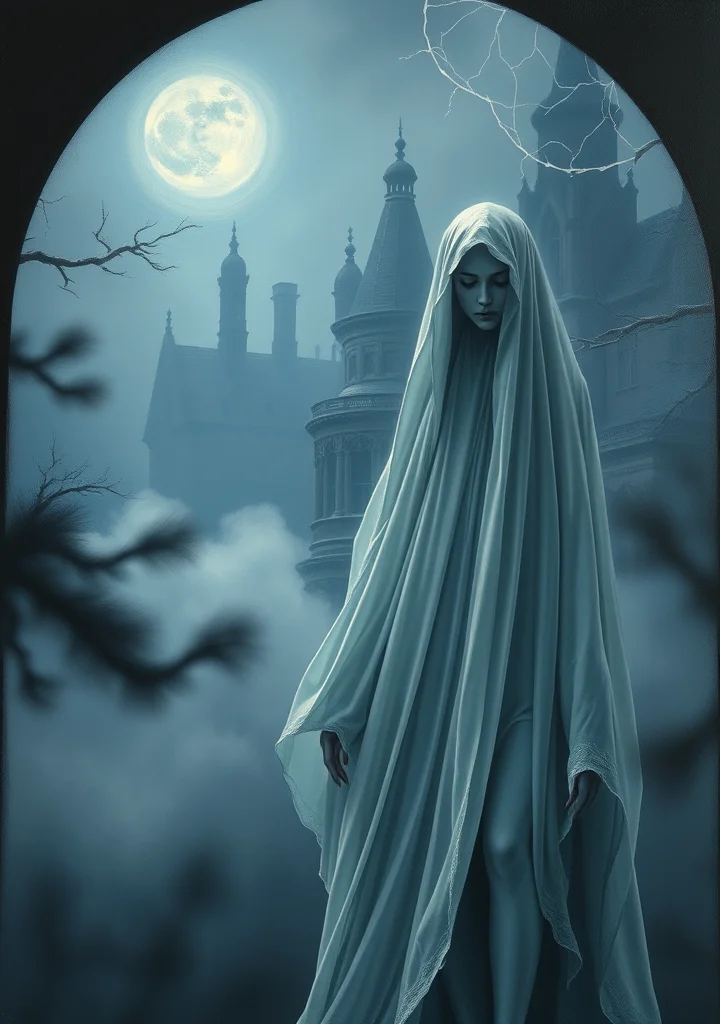
A chill wind whispers across the vast, snow-laden estates of Russia, carrying with it the scent of decaying grandeur and unspoken desires. Eugene Onegin unfolds as a spectral lament, a dance between ennui and icy longing. The narrative drifts through opulent St. Petersburg salons and desolate country landscapes, mirroring the fractured heart of its titular anti-hero. A suffocating weight of societal expectation hangs over every gilded ballroom and frozen field, breeding a pervasive melancholy that clings to the ornate interiors like frost. The story unfolds not as a rush of events, but as a slow bleed of regret, observed through the gauze of memory and regret. The characters—polished, brittle, and haunted by their own reflections—move within shadowed chambers and moonlit gardens, their passions stifled by convention. A creeping sense of doom pervades the narrative as love, ambition, and social alienation intertwine, culminating in a tragedy born not of dramatic outburst, but of quiet desperation. The prose itself breathes with the stillness of a winter forest, each phrase meticulously crafted to evoke the cold beauty of the Russian landscape and the frigid indifference of its aristocracy. It is a world of half-tones and whispered secrets, where the shadows lengthen with each passing year and the weight of unfulfilled longing threatens to consume all who dare to seek happiness within its borders. The narrative is less a tale of action, and more a haunting echo of what could have been, lingering in the frosted breath of a forgotten age.