
Star Hunter
  • 241
  • 0
  • 14
  • Read 241
  • 0
  • Part 14
Completed, First published Mar 02, 2026

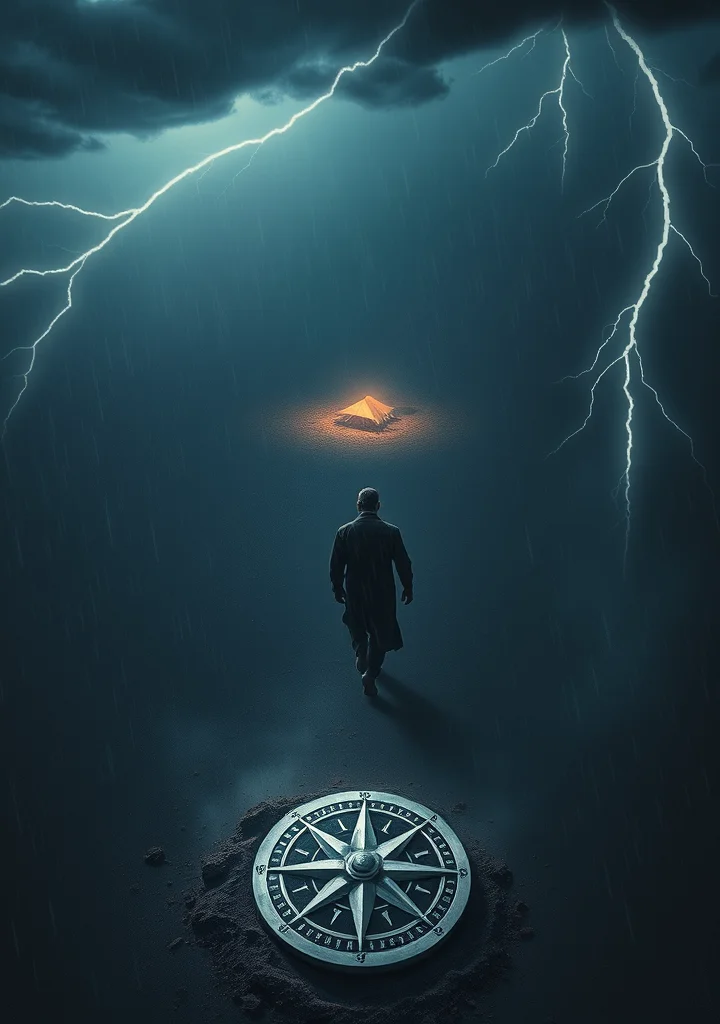
The void between stars breathes cold as ice, and Karrion, last of the Star Hunters, walks its shadowed paths. Not for glory, nor conquest, but for salvage—the ghosts of ships and stations lost to the creeping blackness that birthed the Vorl. Each jump through warped space peels back another layer of her memory, revealing fractured echoes of a life surrendered to the hunt. The Vorl aren’t merely pirates; they *are* the darkness, drawn to the psychic residue of shattered worlds, feeding on the despair of the lost. The ship, *Night Whisper*, is more tomb than vessel, its circuits humming with the static of forgotten screams. Every recovered artifact, every salvaged data-crystal, feels less like treasure and more like a splinter of bone embedded in her soul. The further Karrion chases the Vorl into the black gulfs, the more she realizes the hunt isn’t about what’s been *taken*, but what’s been *left behind*. She is drawn towards a decaying world-shell, a place where the Vorl seem to be *building* something, a monument of woven shadows and the hollowed-out husks of worlds consumed. It is a place where the line between hunter and hunted dissolves into a cold, star-blistered madness. The air tastes of dust and the memory of screams. And Karrion, drawn deeper into the heart of the darkness, understands that the Vorl aren’t merely consuming worlds, but collecting pieces of them…pieces of *her*.
Copyright: Public Domain
This license allows anyone to use your story for any purpose, including printing, selling, or adapting it into a film freely.
Recommended for you
7 Part
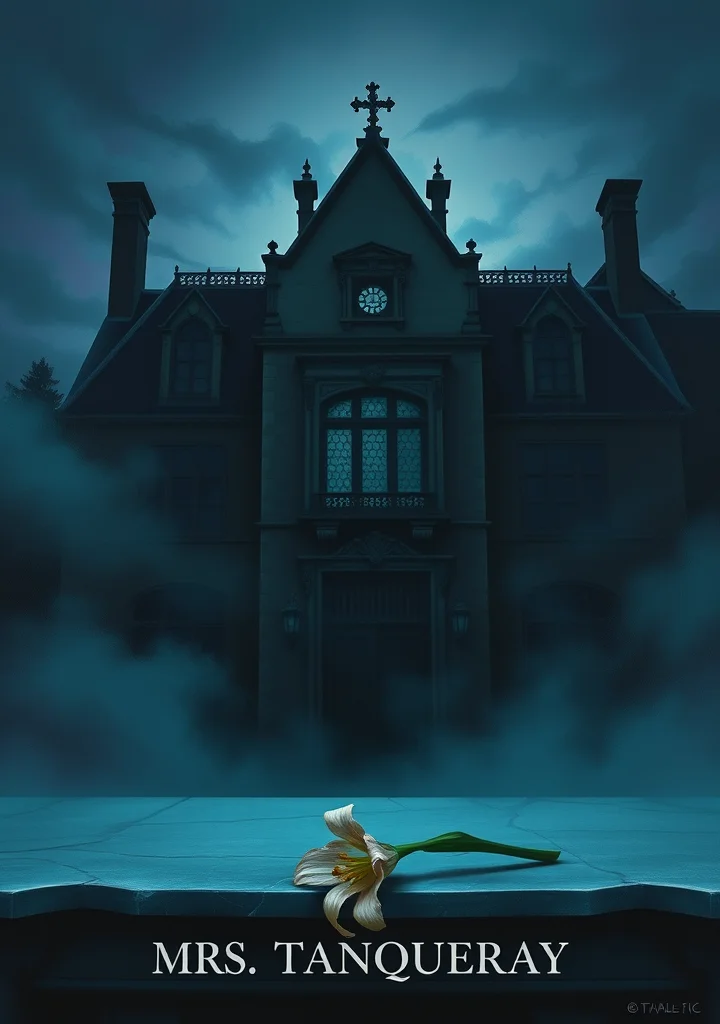
A creeping fog clings to the shadowed corners of London society, mirroring the secrets festering within the Tanqueray household. The air tastes of regret and simmering ambition, thick with the scent of lilies and decaying reputations. Eliza Tanqueray, a woman haunted by whispers of her first husband’s demise and shadowed by a past she cannot outrun, finds herself bound to the stern, judgemental gaze of Sir Robert Tanqueray. His manor, a stone leviathan against the bruised twilight, breathes with the chill of inherited grief and an obsessive need for control. Every polished surface, every precisely arranged bloom, feels less a display of wealth and more a cage built to contain a dangerous, glittering creature. The narrative unravels like a silken noose, tightening with each strained smile and overheard conversation. A feverish unease pervades the drawing rooms, where polite conversation masks a ravenous hunger for social dominance. The second Mrs. Tanqueray is not merely a wife, but a specimen under glass, dissected by the eyes of a society that thrives on speculation and thrives on the slow, exquisite unraveling of a woman’s life. The darkness is not found in the shadows, but in the calculated glint of a man who believes he can purchase redemption through a second, more compliant bride. It is a house of brittle smiles and brittle bones, where every glance is a calculation, and every breath held is a testament to the suffocating weight of expectation.
22 Part
Dust motes dance in perpetual twilight within the shadowed halls of Misselton House, a boarding school steeped in the chill of London fog and the whispers of forgotten childhoods. Young Sara Crewe arrives, gilded in privilege, yet swiftly descends into a labyrinth of grey routine and stifled grief. Her father’s disappearance casts a pall over her days, mirroring the encroaching damp that clings to the stone walls and seeps into the very marrow of her bones. The narrative isn’t one of grand horrors, but of a slow, creeping despair, a brittle beauty blooming within a landscape of neglect. The grandeur of Sara’s past becomes a phantom limb, haunting her every waking moment. Each stolen moment of imagination, each ragged scrap of kindness offered in the attic, is lit by a flickering candle against the encroaching darkness. The air thickens with the scent of coal smoke and the stifled cries of lonely children, their stories swallowed by the vast, indifferent house. It’s a story not of monsters under the bed, but of the monstrous indifference of the world, and the fragile, tenacious flame of hope flickering against the wind. The very silence of the house feels alive with unspoken sorrows, and the gardens, glimpsed through frost-rimed windows, feel less like escape than extensions of a creeping, melancholic embrace. Even the smallest acts of cruelty feel like shards of glass in a winter wind, leaving Sara bleeding not with wounds, but with a chilling awareness of her own vulnerability. The world narrows to the dimensions of a forgotten room, and the narrative breathes with the same slow, suffocating rhythm as a heart breaking in the shadows.