
Lady Audley’s Secret
  • 304
  • 0
  • 42
  • Reads 304
  • 0
  • Part 42
Completed, First published Mar 02, 2026

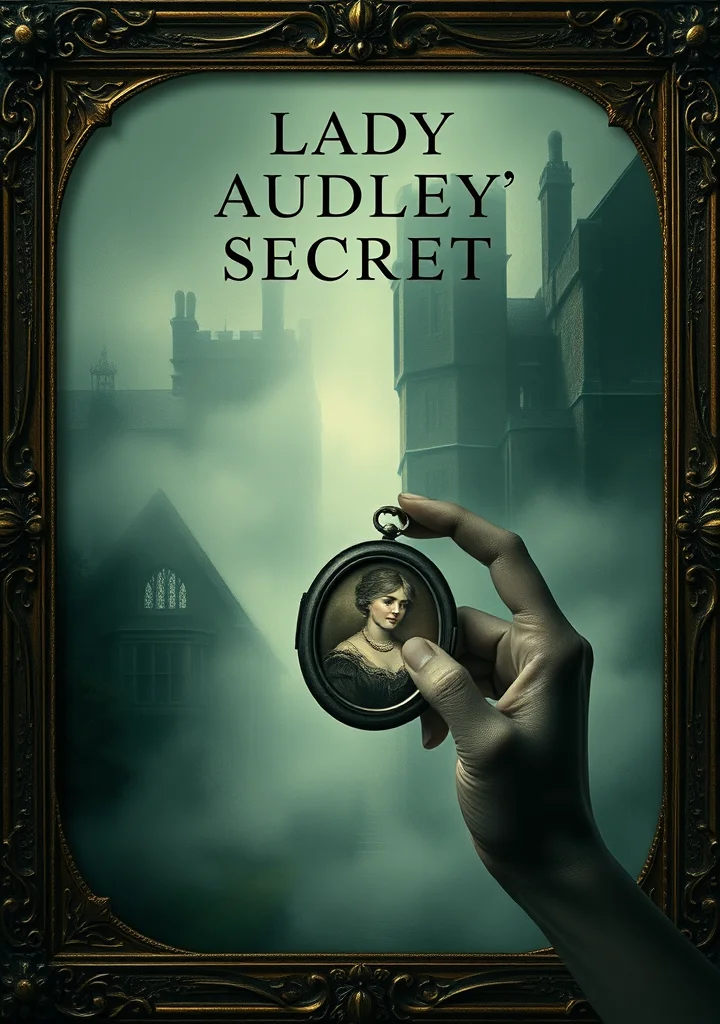
A creeping fog clings to the shadowed corners of Audley Court, mirroring the secrets that fester within its stone walls. The narrative unravels like a silken thread stained with arsenic, drawn tight around the languid, beautiful, and unnervingly vacant Lady Audley. Her past is a phantom limb, a whispered absence that haunts the present. Every ornate room, every polished mirror, reflects not her true self, but the ghost of a life she desperately attempts to conceal. A suffocating dread permeates the air, born of shadowed corridors, locked diaries, and the unsettling gaze of servants who know far more than they reveal. The scent of decaying roses mingles with the metallic tang of fear, as a slow, insidious unraveling exposes the dark bargain struck for wealth and status. It’s a tale where the very house breathes deception, and the truth lies buried beneath layers of polished smiles and calculated affections, waiting to be unearthed with a tremor of the earth and a chilling revelation of the woman beneath the mask. The very wallpaper seems to weep with the unspoken horrors, as the reader is drawn into a labyrinth of suspicion where every glance, every stolen word, is another nail in the coffin of a stolen identity.
Copyright: Public Domain
This license allows anyone to use your story for any purpose, including printing, selling, or adapting it into a film freely.
Recommended for you
113 Part
Dust motes dance in the perpetual twilight of Gandersheim Abbey, where the echoes of chanted prayers cling to stone walls thick with centuries of silence. Within its shadowed scriptorium, a young novice, shadowed by visions and whispers, begins to transcribe the plays—not for performance, but for penance. Each line penned, each character sketched, bleeds into the fabric of her waking nightmares, mirroring the fractured history of the convent itself. The dramas are not tales of saints and salvation, but fractured accounts of forgotten queens, possessed by ambition and regret, their stories woven with the scent of damp earth and the taste of iron. The plays are not merely written, they *are* summoned—drawn from the decaying memories of the women who preceded her, each performance a spectral re-enactment within the novice’s mind. A creeping dread descends as she discovers the plays aren’t merely records of past performances, but keys to unlocking something far older, something tethered to the very foundations of the abbey. The lines blur between script and reality, between the living and the dead, until the novice finds herself not writing the plays, but *becoming* them, consumed by the echoing cries of queens dethroned and gods betrayed. The abbey itself breathes with a cold hunger, a silent audience to the unfolding horror as the novice’s hand trembles with the weight of forgotten sins and the chilling truth that the plays are not a lament for the past, but a prophecy of what is to come.
384 Part
A chill wind whispers across the vast, snow-laden estates of Russia, carrying with it the scent of decaying grandeur and unspoken desires. Eugene Onegin unfolds as a spectral lament, a dance between ennui and icy longing. The narrative drifts through opulent St. Petersburg salons and desolate country landscapes, mirroring the fractured heart of its titular anti-hero. A suffocating weight of societal expectation hangs over every gilded ballroom and frozen field, breeding a pervasive melancholy that clings to the ornate interiors like frost. The story unfolds not as a rush of events, but as a slow bleed of regret, observed through the gauze of memory and regret. The characters—polished, brittle, and haunted by their own reflections—move within shadowed chambers and moonlit gardens, their passions stifled by convention. A creeping sense of doom pervades the narrative as love, ambition, and social alienation intertwine, culminating in a tragedy born not of dramatic outburst, but of quiet desperation. The prose itself breathes with the stillness of a winter forest, each phrase meticulously crafted to evoke the cold beauty of the Russian landscape and the frigid indifference of its aristocracy. It is a world of half-tones and whispered secrets, where the shadows lengthen with each passing year and the weight of unfulfilled longing threatens to consume all who dare to seek happiness within its borders. The narrative is less a tale of action, and more a haunting echo of what could have been, lingering in the frosted breath of a forgotten age.
49 Part
The air hangs thick with monsoon humidity, a suffocating weight mirroring the moral rot that festers within the isolated bungalows of the Patusan coast. Here, in a kingdom carved from shadow and whispered allegiance, a European engineer—Walsingham—has built a fortress of solitude, fueled by dynamite and an unyielding ambition. But Victory isn’t found in conquest over stone and jungle, but in the slow, creeping realization of his own complicity. The story unfolds not as a blaze of triumph, but as a darkening spiral of betrayal and consequence. Each chapter bleeds into the next, stained with the sickly sweet scent of decay—both physical and spiritual. The narrative coils around the figure of Heyst, a man adrift in the wreckage of his own idealism. He’s drawn into this claustrophobic world by a desperate plea for salvation, only to find himself entangled in a web of simmering violence. The island itself breathes with a predatory stillness, mirroring the suffocating passions of its inhabitants. The novel’s true horror lies not in grand spectacle, but in the insidious erosion of faith. It's a story of how easily the line between protector and parasite can blur, how noble intentions can curdle into bitter, poisonous fruit. A creeping dread clings to the prose—a sense of inevitability as the characters descend into the darkness of their own making, while the jungle swallows their fragile hopes whole. The shadows lengthen, not with the promise of respite, but with the cold embrace of an unforgiving fate. The ultimate victory is not celebration, but a hollow, echoing silence.