An Inquiry Into the Accordancy of War with the Principles of Christianity

  • 73
  • 0
  • 8
  • Reads 73
  • 0
  • Part 8
Completed, First published Mar 02, 2026

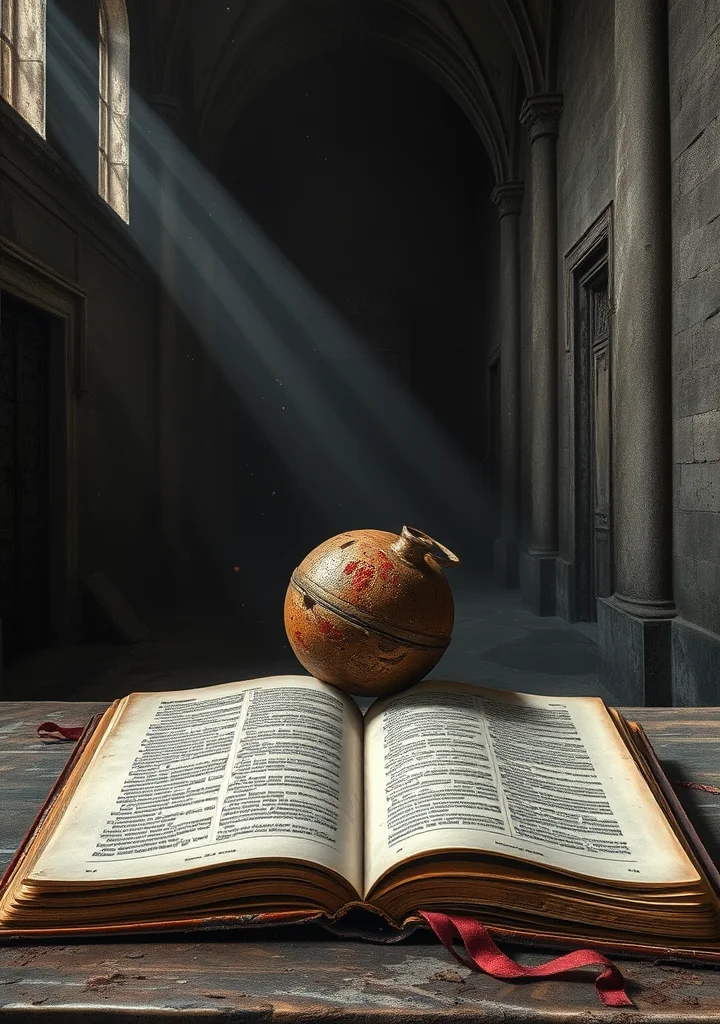
Dust motes dance in the perpetual twilight of crumbling estates, mirroring the fractured faith within. Dymond’s work is not a history, but an excavation of rot – a descent into the shadowed chambers of conscience where the cross is weighed against the cannon’s roar. The narrative breathes with the chill of damp stone and the scent of worm-eaten scripture. Each page unravels not with grand pronouncements, but with the hushed murmur of dissenting voices, the tremor of hands scribbling forbidden doubts. A suffocating stillness clings to the prose, broken only by the skeletal rhythm of arguments laid bare. One feels the weight of centuries pressed into every sentence, a morbid calculus of justification where piety curdles into justification for savagery. It is a study in decay, not of empires, but of the soul, a slow unraveling of conviction within a landscape haunted by the ghosts of fallen ideals. The inquiry itself becomes a labyrinth, mirroring the moral compromises that birthed its subject, leaving the reader lost amongst the hollowed-out remnants of a once-sacred covenant. A darkness permeates, not of overt horror, but of a creeping, insidious despair - the recognition of a fracture line running through the very foundations of belief.
Copyright: Public Domain
This license allows anyone to use your story for any purpose, including printing, selling, or adapting it into a film freely.
Recommended for you
64 Part
A creeping dread clings to the shadowed avenues of New York, mirroring the suffocating ambition of Silas Thorne. Dreiser paints a city not of gilded promise, but of iron bone and suffocating brick, where Thorne’s ascent – fueled by ruthless calculation and the hollow echo of inherited wealth – casts a lengthening pall over all who dare to witness it. The narrative unfolds not as a story of triumph, but as a slow, agonizing compression of the human spirit, each step on Thorne’s staircase to power marked by the crumbling residue of lives discarded as if they were merely stones in his foundation. Fog-choked streets become a labyrinth of moral decay, mirroring the labyrinth within Thorne himself. His mansion, a monolith of granite and shadowed glass, isn’t a home, but a mausoleum for the living, each room echoing with the phantom weight of compromised ideals. The air thickens with the scent of decaying ambition, of secrets corroded by greed. The narrative doesn’t revel in grand spectacle, but in the subtle rot of complicity. It's a story whispered in darkened hallways, a chill felt in the periphery of Thorne's gaze. A sense of inevitability, of a crushing, mechanical doom, pervades the pages. The titan doesn’t conquer; he consumes, leaving behind a barren landscape of broken promises and the dust of extinguished souls. The city itself seems to hold its breath, waiting for the inevitable collapse of this monstrous edifice of a man. It's a darkness not of overt horror, but of a slow, inexorable suffocation.
45 Part
A perpetual twilight clings to the crumbling manors and shadowed forests of Värmland, where the legend of Gösta Berling unfolds. He is a ghost amongst the living, a disinherited nobleman drifting through the estates of his former masters, bound by a debt of storytelling to the aging, melancholic Ylva. Each tale he spins is a fragment of a fractured past—of forbidden loves, of battles lost and won in the hearts of men, of the spectral weight of ancestral sins. The air is thick with the scent of decaying grandeur, the rustle of secrets in long corridors, and the mournful howl of wolves mirroring the hunger within Gösta’s own soul. The narrative is less a linear progression than a haunting procession of characters—a spectral cavalcade of priests, peasants, and fallen aristocrats—each touched by Gösta’s wandering hand. Their lives intertwine and unravel amidst the harsh beauty of the Scandinavian landscape, stained crimson by autumn’s decay. A simmering, fatalistic romance blooms within the confines of Ylva's decaying manor, shadowed by the specter of Gösta's past and the encroaching darkness of a world indifferent to honor or grace. Every whispered confidence, every stolen glance, is laced with the premonition of tragedy—a world where salvation is a fragile illusion and the echoes of loss resonate through generations. The very stones of the estates seem to weep with forgotten grief, absorbing the stories Gösta tells until they become indistinguishable from the land’s own ancient sorrow.