
The Case of Charles Dexter Ward
  • 62
  • 0
  • 8
  • Reads 62
  • 0
  • Part 8
Completed, First published Mar 02, 2026

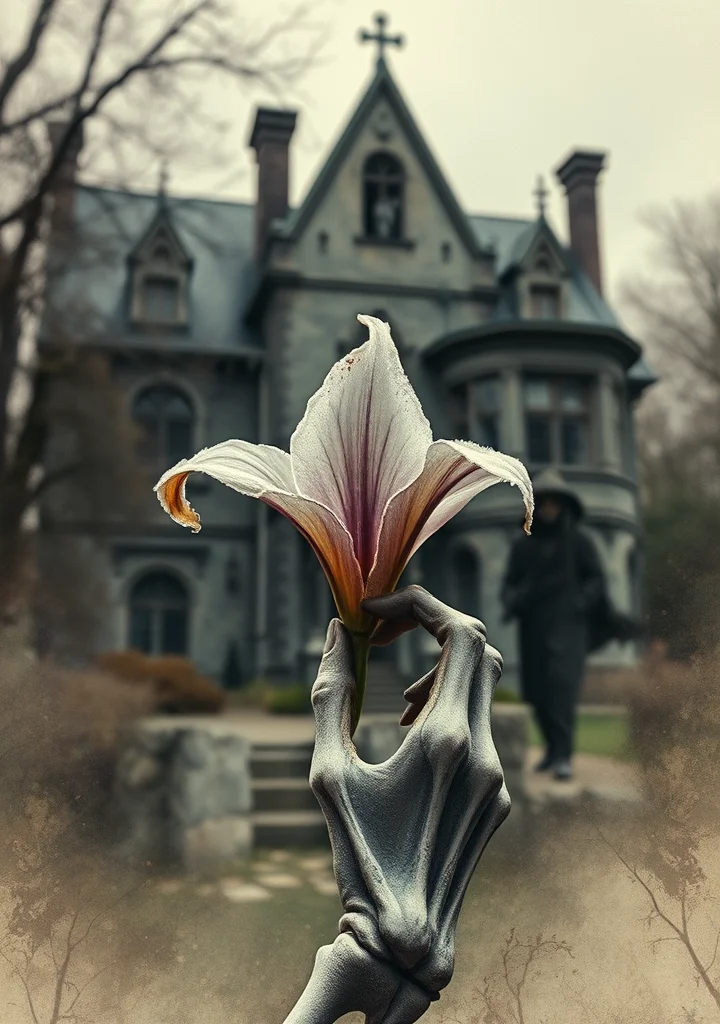
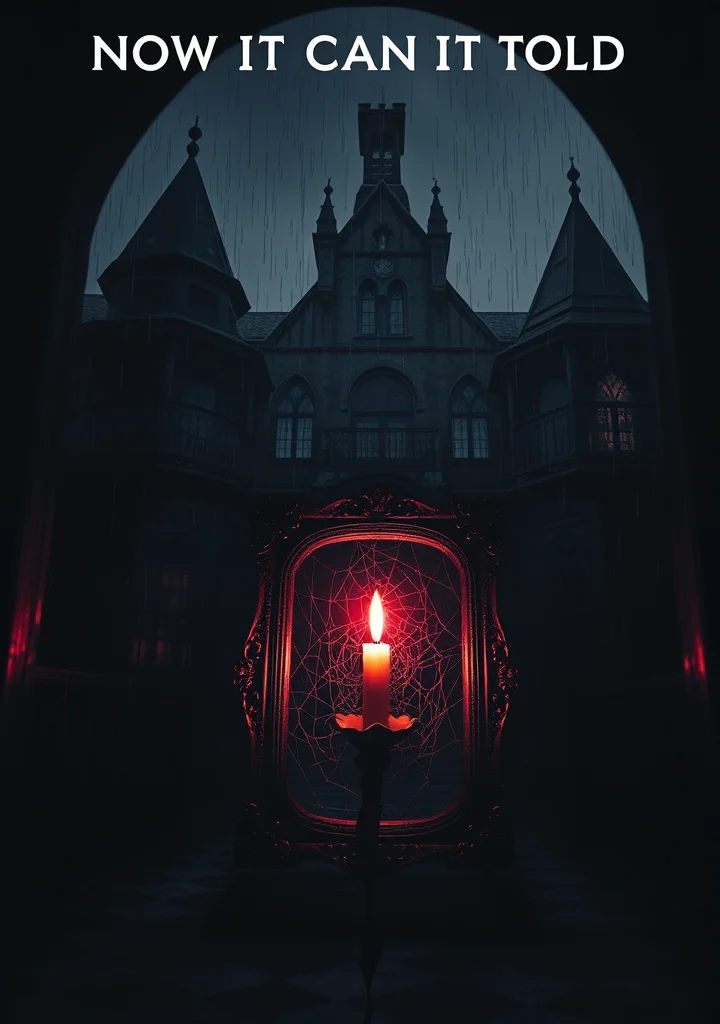
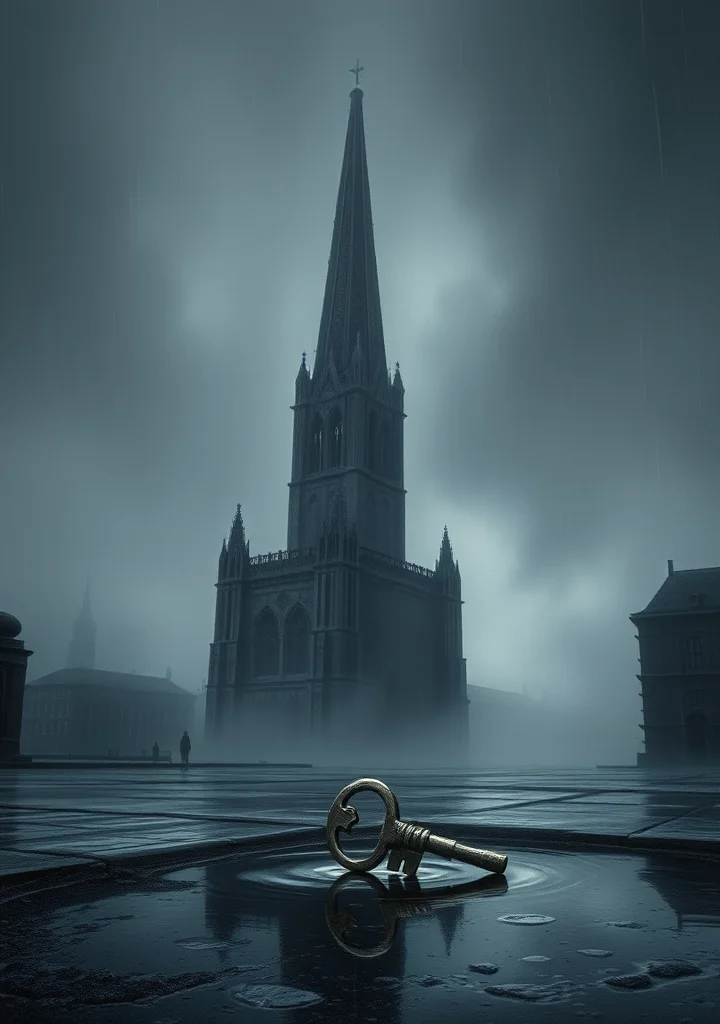
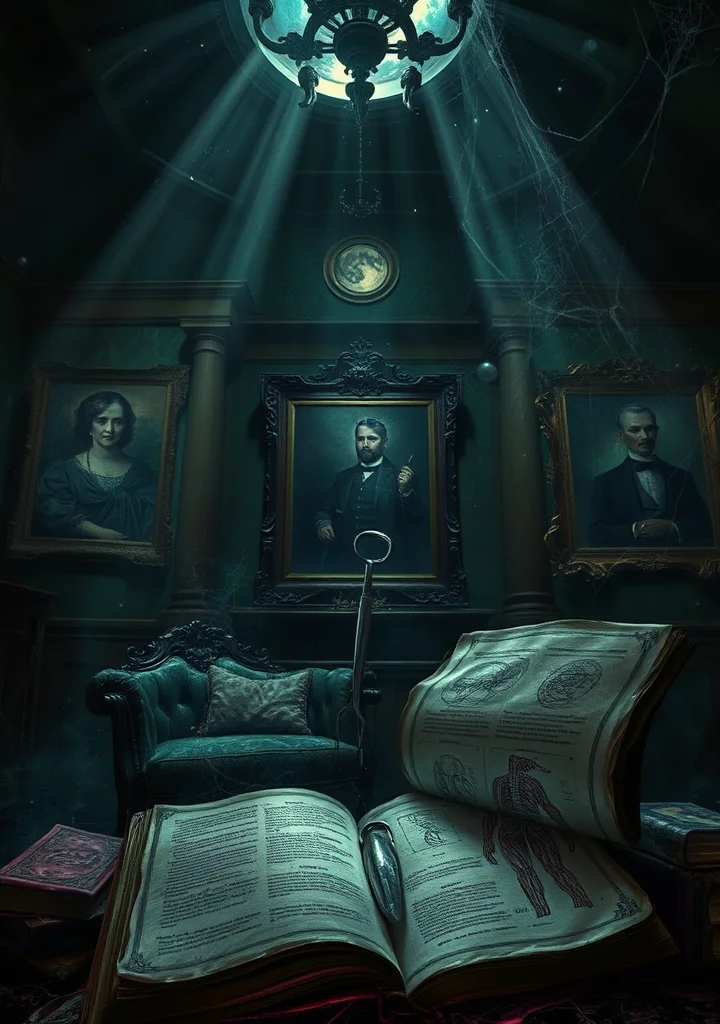
Dust motes dance in the perpetual twilight of a decaying ancestral manor, where the chill seeps not just from stone walls but from the very marrow of history. A physician, driven by morbid curiosity and shadowed by whispers of inherited madness, unravels the story of Charles Dexter Ward – a man consumed by a desperate, occult pursuit of immortality. The air thickens with the scent of grave mold and the sickly sweetness of forbidden alchemies. Each unearthed detail, each meticulously reconstructed fragment of Ward’s past, peels back layers of sanity, revealing a darkness that claws at the edges of reality. The narrative unfolds in a creeping dread, mirroring the gradual erosion of Ward’s mind as he is drawn into a vortex of nightmare rituals and ancient, malevolent entities. Shadows lengthen, distorting familiar shapes into grotesque parodies. Sleep offers no respite, only a descent into feverish visions mirroring the horrors Ward himself unleashed. A suffocating claustrophobia grips the reader, born not from physical confinement but from the encroaching awareness of an unspeakable truth – that the pursuit of life beyond the veil has awakened something far older and far hungrier than humanity can comprehend, something that lingers in the cold, damp corners of forgotten lore, waiting to claim its due. The very stones of the house seem to breathe with a spectral intelligence, complicit in the slow, inexorable corruption of Ward's soul.
Copyright: Public Domain
This license allows anyone to use your story for any purpose, including printing, selling, or adapting it into a film freely.
Recommended for you
34 Part
A creeping dampness clings to the shadowed corners of the Winslow household, a chill not of the season but of a grief-worn legacy. The very stones seem to exhale sorrow with each rustle of the overgrown gardens. Pollyanna, a fragile bloom thrust into this withered estate, doesn’t merely enter, but *infests* the space with a light that feels less divine and more… insistent. It’s a warmth that doesn’t thaw, but *reveals* what was always lurking beneath the frost: the brittle bones of forgotten resentments, the choked whispers of lost hopes. Her ‘Glad Game’ isn’t joy, but an excavation. Each forced optimism feels like a splintering of something ancient and unyielding within the walls. The house itself becomes a labyrinth of unearthed wounds, each room a mausoleum holding a fragment of the Winslows’ decaying souls. The scent of potpourri and beeswax isn’t sweetness, but the cloying perfume of decay masked with desperate floral pleas. The shadows lengthen with each perceived blessing, twisting into shapes of accusation and regret. Even the children, pale moths drawn to Pollyanna’s flame, carry the weight of generations trapped within the Winslow’s suffocating embrace. It isn’t a story of finding happiness, but of witnessing a slow, beautiful unraveling, as Pollyanna doesn't heal the house, but *becomes* its haunting echo. The final revelation isn't of joy found, but of the monstrous, beautiful thing that blooms in the darkness when hope is stretched too thin.
23 Part
Dust motes dance in the long shadows of plantation houses, even after the master’s reign has crumbled. This is not a tale of polished triumph, but one clawed from the earth with bleeding hands and a spirit forged in the kiln of hardship. A suffocating humidity clings to the narrative, thick with the scent of pine needles and the unspoken grief of generations. Every step forward is measured in loss—loss of kin, of dignity, of the very earth beneath bare feet. The weight of chains, though broken, echoes in the hollows of every achievement. The story breathes with the stifled cries of children sold like livestock, the rasp of a plow dragged across unforgiving soil, and the quiet desperation of a people rebuilding not just homes, but souls. It isn’t a light that illuminates this path, but a flickering ember—a fragile warmth against a backdrop of perpetual twilight. There’s a spectral presence in the classrooms built from scraps, a haunting in the faces of those who learn to read by the dim glow of a borrowed candle. The narrative doesn’t soar; it *rises* – slowly, agonizingly, from the mire of injustice. It’s a landscape etched with the ghosts of promises broken and the thorns of deferred dreams. A creeping unease permeates even the victories, for even in freedom, the shadow of the whip never fully dissipates. This is a story of resurrection, yes, but one born from the grave—a testament to endurance carved in bone and stained with tears.