
Pollyanna
  • 198
  • 0
  • 34
  • Reads 198
  • 0
  • Part 34
Completed, First published Mar 02, 2026

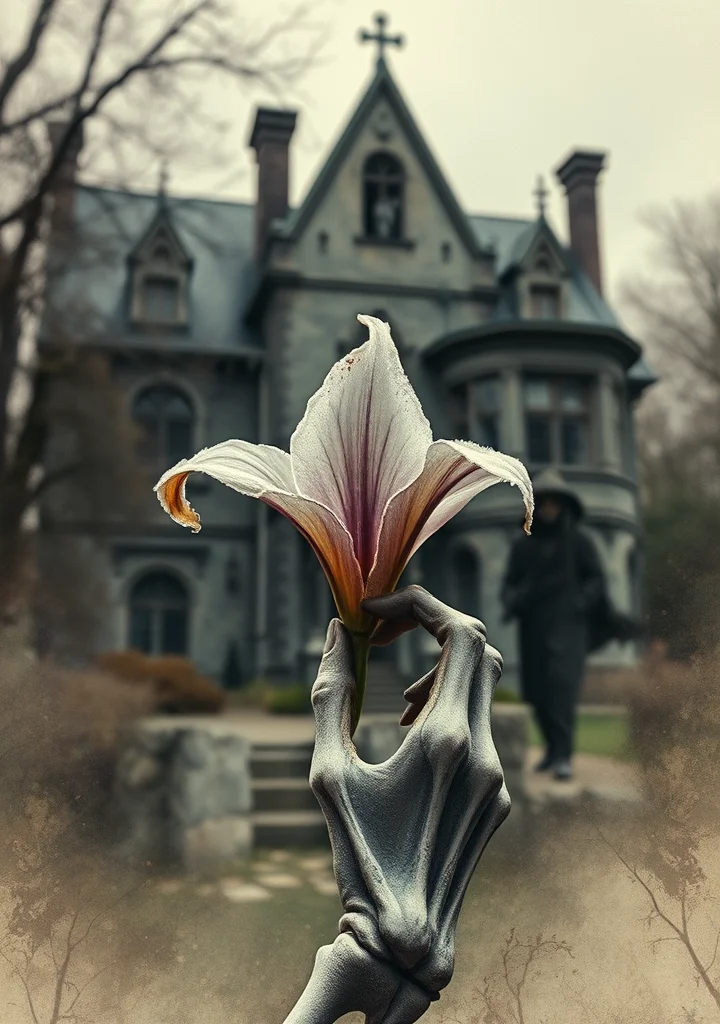
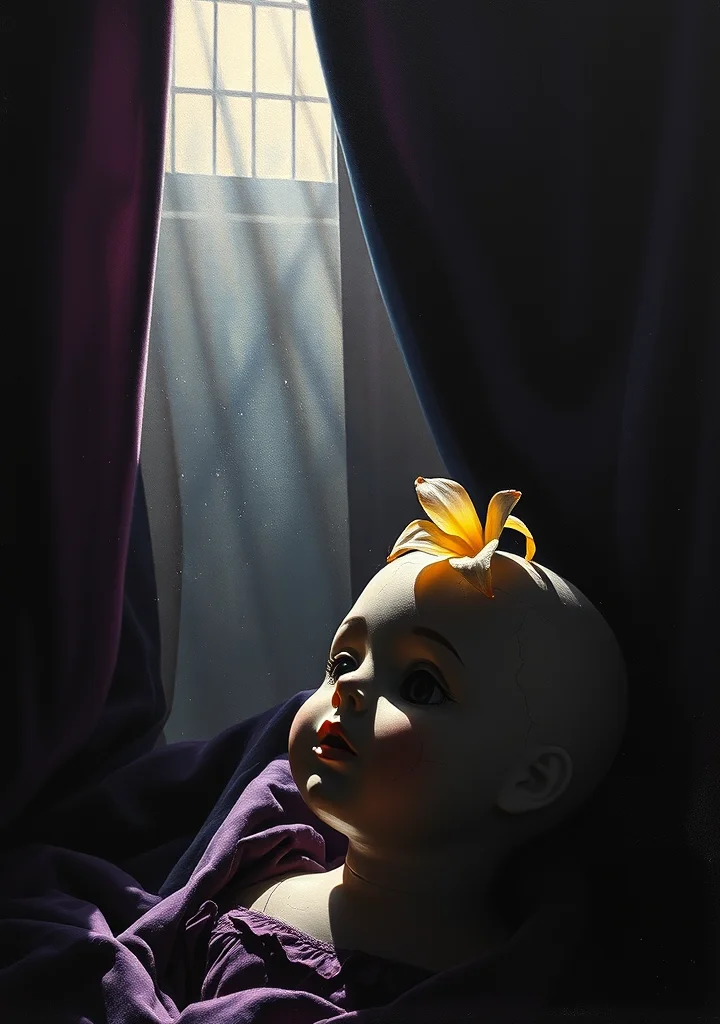
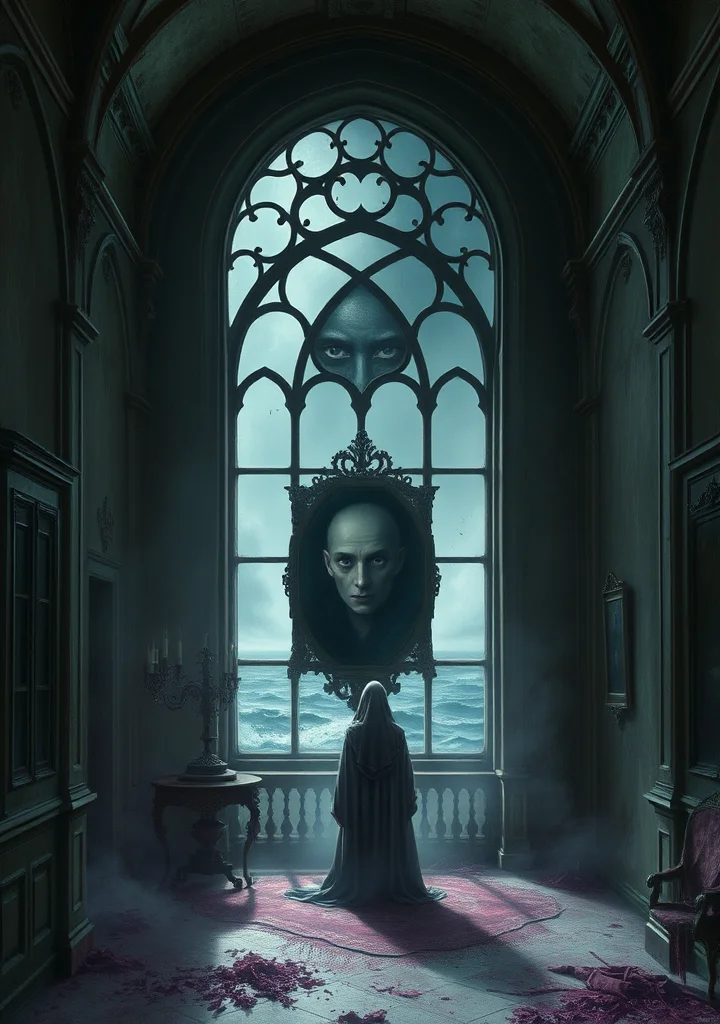
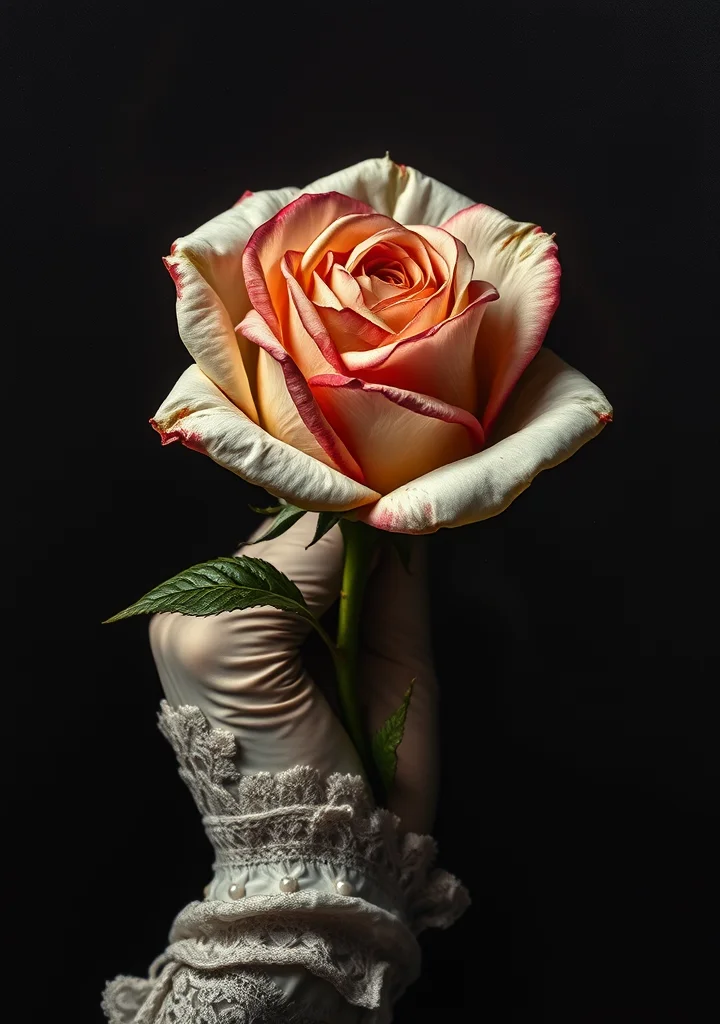
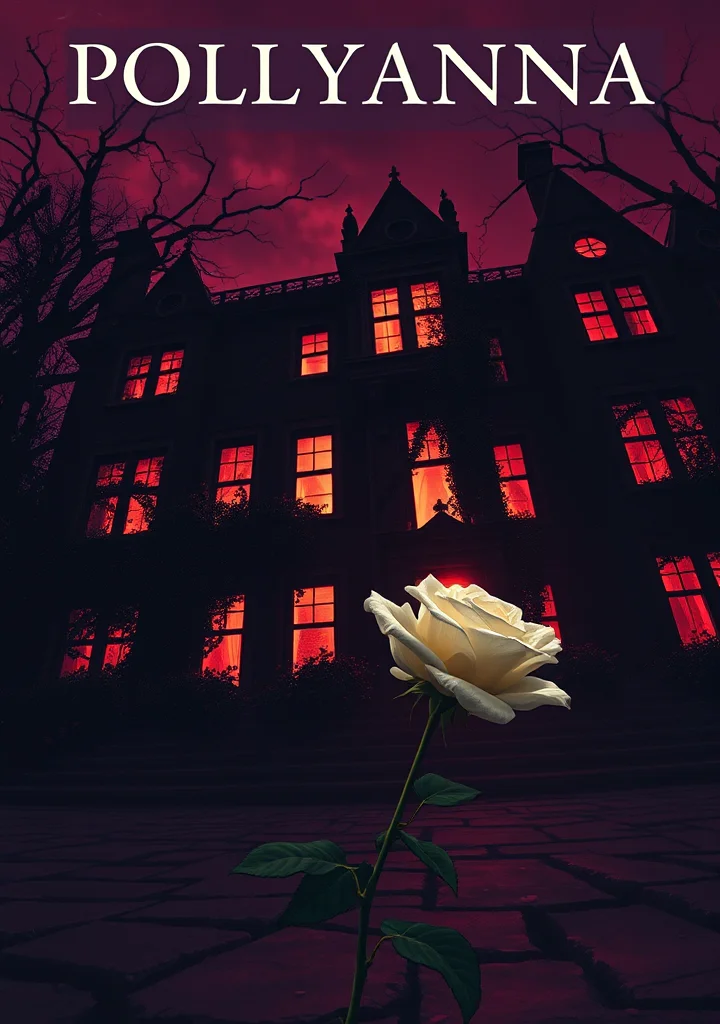
A creeping dampness clings to the shadowed corners of the Winslow household, a chill not of the season but of a grief-worn legacy. The very stones seem to exhale sorrow with each rustle of the overgrown gardens. Pollyanna, a fragile bloom thrust into this withered estate, doesn’t merely enter, but *infests* the space with a light that feels less divine and more… insistent. It’s a warmth that doesn’t thaw, but *reveals* what was always lurking beneath the frost: the brittle bones of forgotten resentments, the choked whispers of lost hopes. Her ‘Glad Game’ isn’t joy, but an excavation. Each forced optimism feels like a splintering of something ancient and unyielding within the walls. The house itself becomes a labyrinth of unearthed wounds, each room a mausoleum holding a fragment of the Winslows’ decaying souls. The scent of potpourri and beeswax isn’t sweetness, but the cloying perfume of decay masked with desperate floral pleas. The shadows lengthen with each perceived blessing, twisting into shapes of accusation and regret. Even the children, pale moths drawn to Pollyanna’s flame, carry the weight of generations trapped within the Winslow’s suffocating embrace. It isn’t a story of finding happiness, but of witnessing a slow, beautiful unraveling, as Pollyanna doesn't heal the house, but *becomes* its haunting echo. The final revelation isn't of joy found, but of the monstrous, beautiful thing that blooms in the darkness when hope is stretched too thin.
Copyright: Public Domain
This license allows anyone to use your story for any purpose, including printing, selling, or adapting it into a film freely.
Recommended for you
70 Part
A creeping dread settles over the marshlands of Anglia, mirroring the slow rot within the bones of its last kings. Morris weaves a tale not of glorious battle, but of a world drowning—not in water alone, but in the melancholic decay of forgotten gods and the venomous whispers of those who would usurp them. The narrative clings to the peat bogs like a clinging mist, smelling of salt and brine, of drowned things and the iron tang of blood. Villages vanish beneath encroaching tides, their stone foundations swallowed by the relentless grey, while within crumbling halls, the remnants of a fractured kingdom barter with shadow-things for survival. Each chapter feels like a descent into a waterlogged grave, the prose thick with the weight of loss and the insidious bloom of fungal blooms on rotting timbers. The sun, when it dares to appear, casts no warmth, only long, skeletal shadows stretching across the drowned fields. A sense of inevitable collapse permeates every line; not a heroic struggle against fate, but a mournful acceptance of its glacial, crushing embrace. The flood isn’t merely a rising water level, but a fracturing of the world itself, revealing the skeletal truths of a land consumed by its own melancholic past. The voices that linger are not those of the living, but the drowned echoes of kings, lovers, and children, murmuring from beneath the surface, beckoning the reader to join them in the cold, suffocating embrace of the sundering flood.
33 Part
A suffocating fog clings to the cobbled streets of late Victorian London, mirroring the moral decay that festers within its gilded drawing rooms. The Gadfly, Caradoc James, is a phantom of righteous fury, a man deliberately constructed as a thorn in the side of a complacent society. He doesn’t preach revolution; he *becomes* its sting, whispering dissent into the ears of the disillusioned, the betrayed, and the quietly desperate. His touch is one of icy precision, dissecting the hypocrisy of the powerful with surgical precision, leaving behind only the echoing chill of exposed wounds. The narrative unfolds in shadowed parlours and suffocatingly opulent estates, steeped in the scent of decaying lilies and regret. Voynich doesn’t focus on grand political machinations, but on the insidious erosion of individual spirit under the weight of societal expectation. Each act of defiance, each carefully placed revelation, is less a triumph and more a haunting lament—a slow, deliberate unraveling of faith and innocence. The air is thick with secrets, with the stifled cries of women trapped within gilded cages, with the silent bargains struck in darkened corridors. A creeping sense of claustrophobia pervades, not from physical confinement, but from the suffocating weight of unspoken truths. The Gadfly himself is less a man than a contagion, spreading his unsettling influence through a network of whispers and shadowed glances. His legacy isn’t liberation, but a pervasive unease—a realization that the foundations of this meticulously constructed world are built on a bedrock of lies. It is a darkness that doesn't merely threaten to consume, but to quietly, irrevocably *transform*.