
-
Read 387
-
0
-
Part 24
Completed, First published Mar 02, 2026
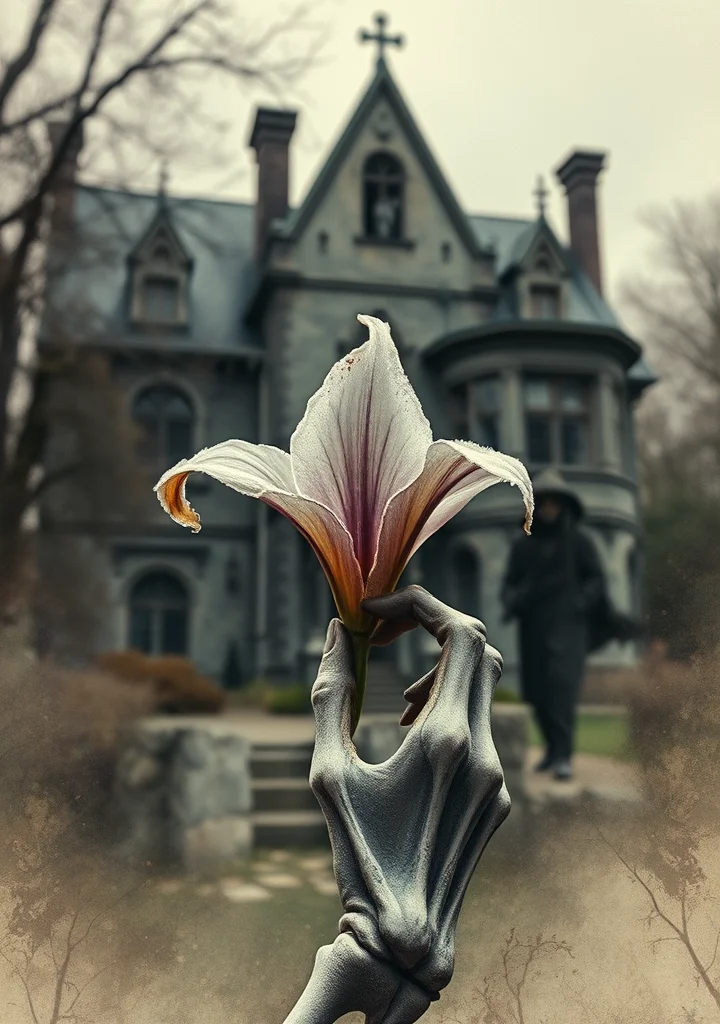
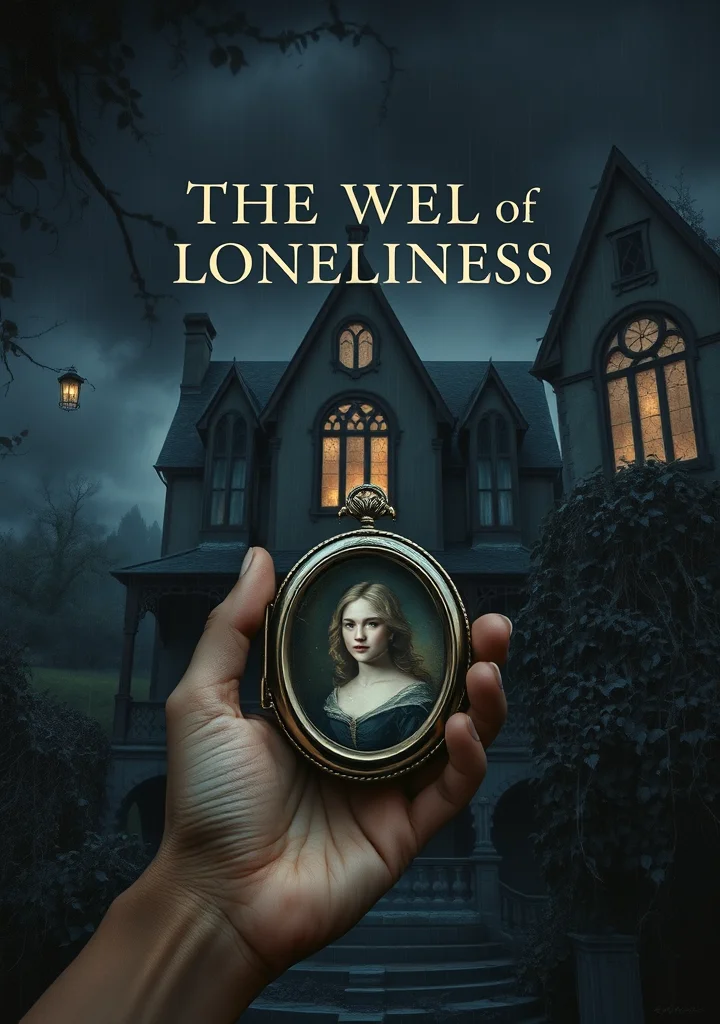
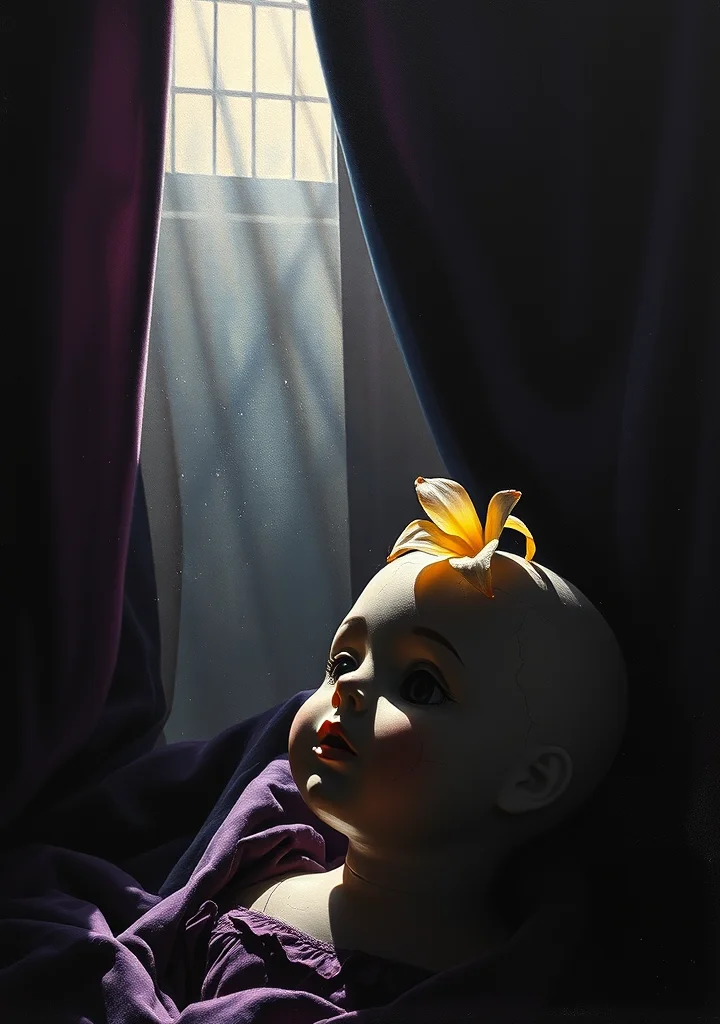
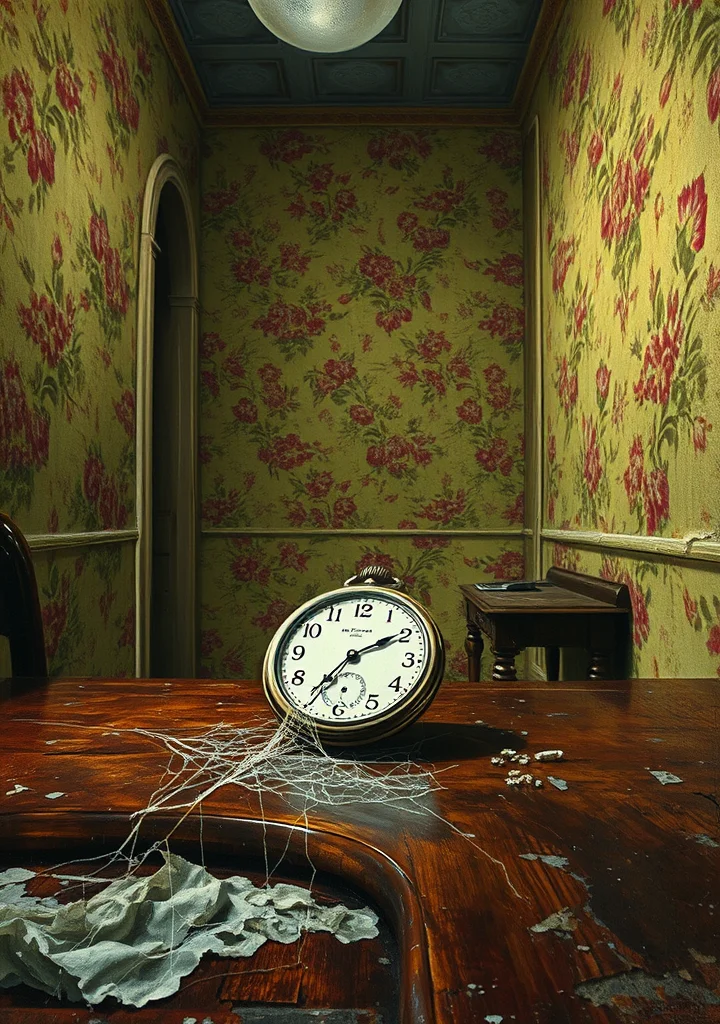
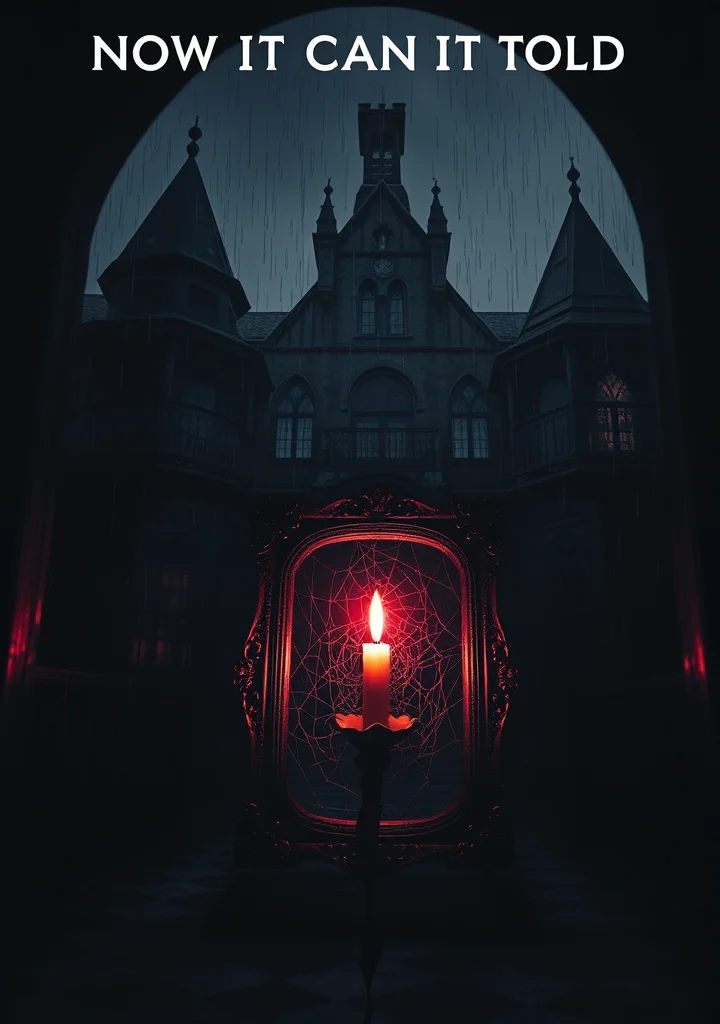
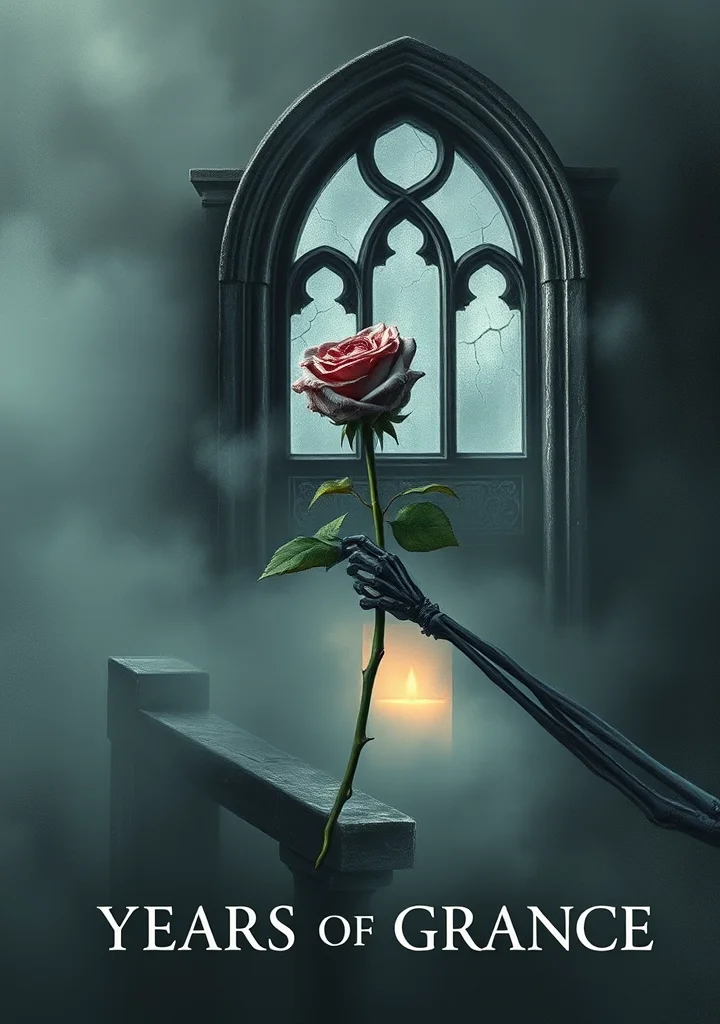
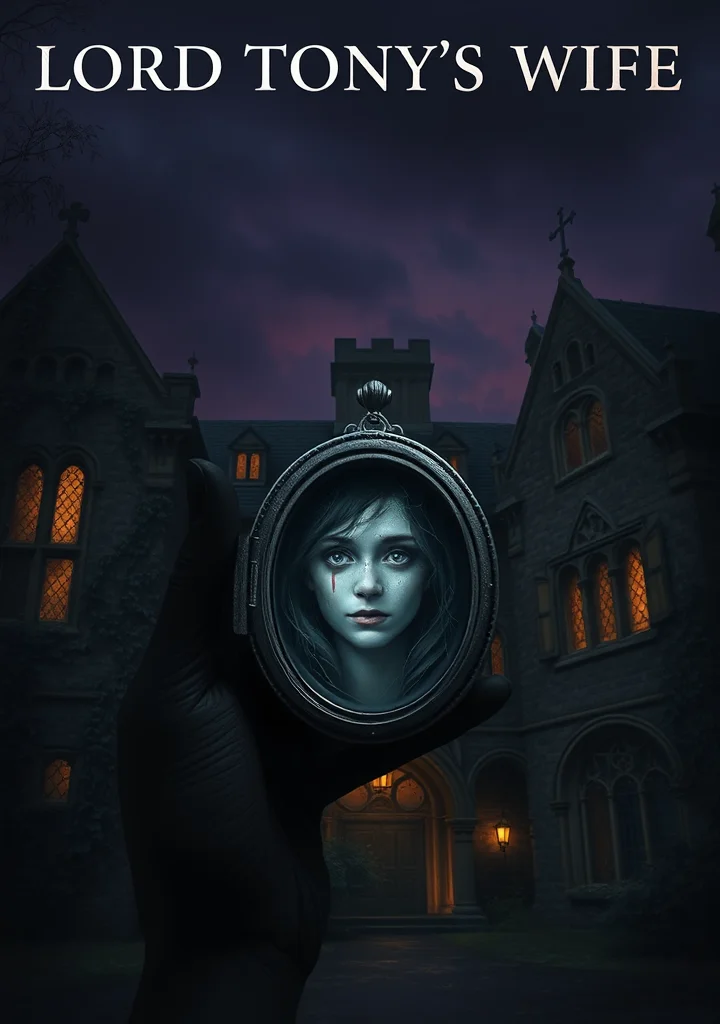
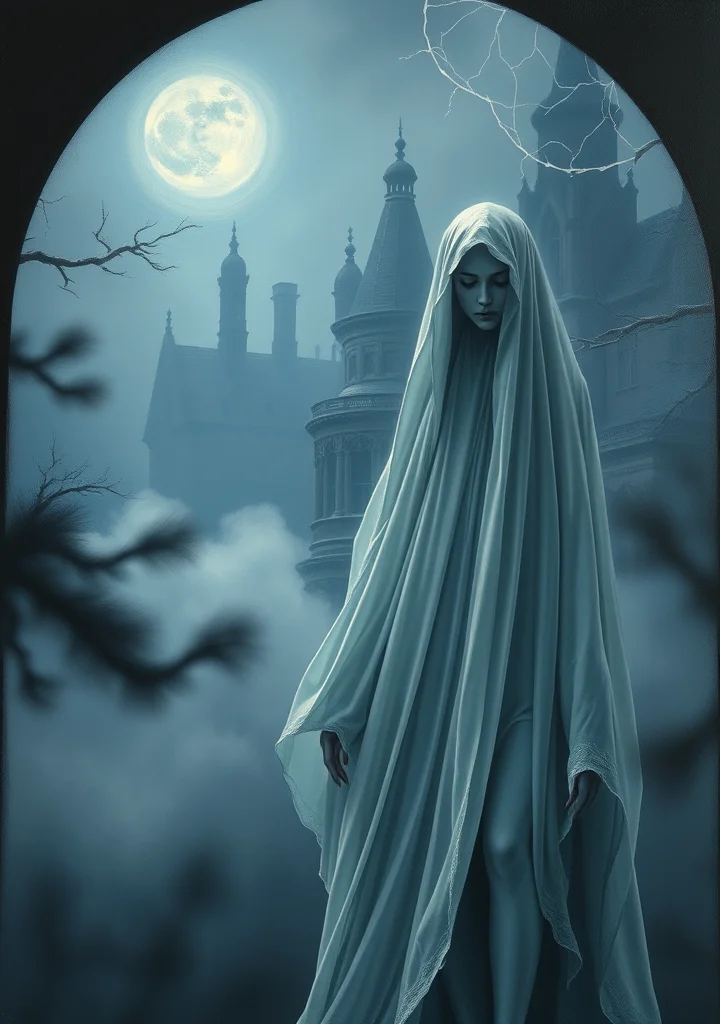
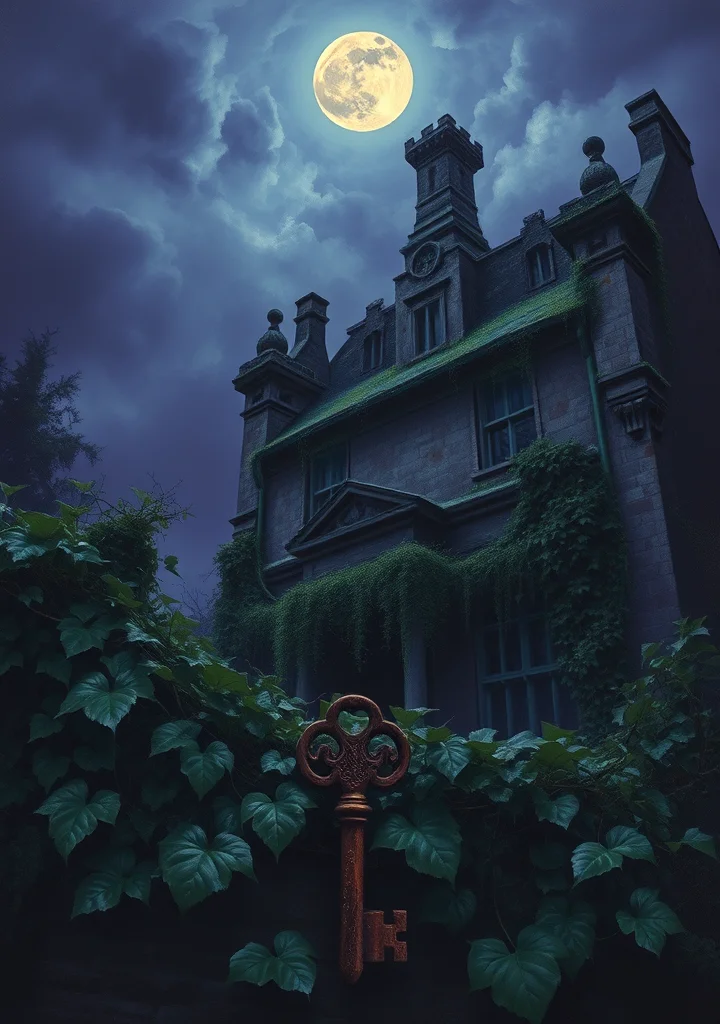
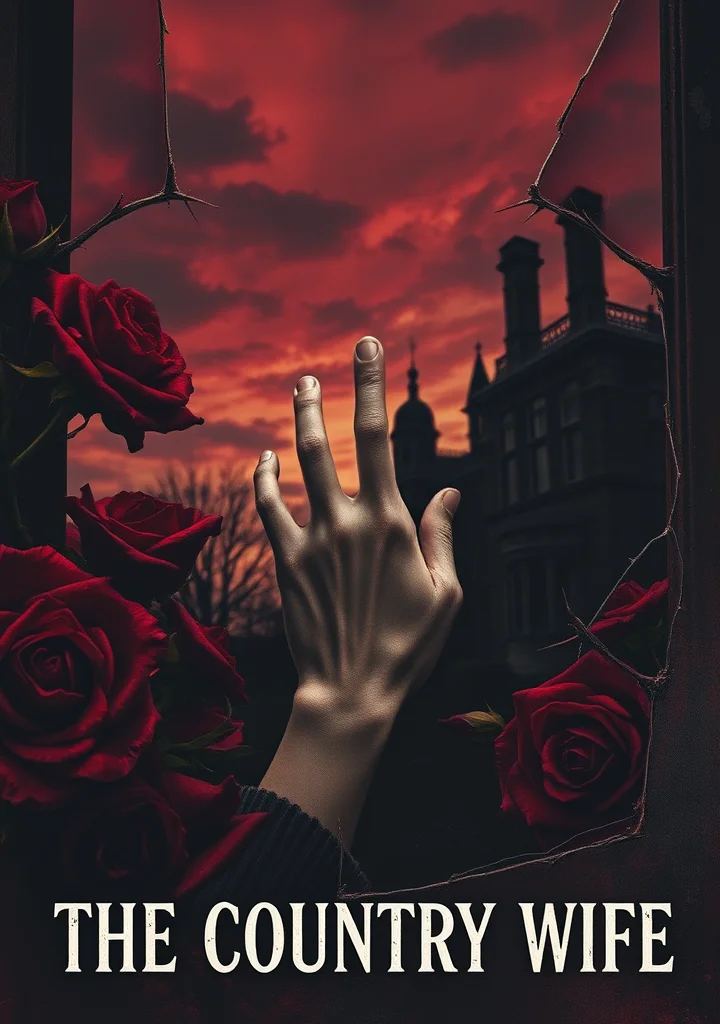
A creeping dread clings to the shadowed halls of Blackwood Manor, where whispers of lust and deceit coil tighter than the ivy choking its stone walls. The air hangs thick with the scent of dying roses and the sour tang of ambition. Here, in a rural cage gilded with brittle charm, a woman—young, naive, and recently wed—finds herself not mistress of her home but a pawn in a cruel game of rural predation. The husband, a man of vapid consequence, is content to lease his wife's bloom to the highest bidder, while the countryside’s gentry—men warped by boredom and entitlement—circle like carrion birds.
Each stolen glance, each whispered promise, breeds a suffocating claustrophobia, a sense of being watched by unseen eyes. The very gardens, once promised as havens, become labyrinths of shadowed temptation. A suffocating politeness masks the rot beneath, the desperate hunger that will consume all those caught within its orbit. The narrative unfurls with the languid pace of decay, each act of betrayal blooming like a noxious flower in the stifled air of provincial desire. The country air, once meant to heal, now carries the weight of unspoken sins, and the final reckoning promises not liberation, but a descent into the mire of ruined reputations and broken hearts.
Copyright: Public Domain
This license allows anyone to use your story for any purpose, including printing, selling, or adapting it into a film freely.
This license allows anyone to use your story for any purpose, including printing, selling, or adapting it into a film freely.
Chapter List
-
« The Country Wife »📖 Continue Reading
-
« Introduction »
-
« Chapter_4 »
-
« Dramatis Personae »
-
« The Country Wife »
-
« Prologue »
-
« ActI »
-
« SceneI »
-
« ActII »
-
« SceneI »
-
« ActIII »
-
« SceneI »
-
« SceneII »
-
« ActIV »
-
« SceneI »
-
« SceneII »
-
« SceneIII »
-
« SceneIV »
-
« ActV »
-
« SceneI »
-
« SceneII »
-
« SceneIII »
-
« SceneIV »
-
« Epilogue »
24
-
« The Country Wife »
-
« Introduction »
-
« Chapter_4 »
-
« Dramatis Personae »
-
« The Country Wife »
-
« Prologue »
-
« ActI »
-
« SceneI »
-
« ActII »
-
« SceneI »
-
« ActIII »
-
« SceneI »
-
« SceneII »
-
« ActIV »
-
« SceneI »
-
« SceneII »
-
« SceneIII »
-
« SceneIV »
-
« ActV »
-
« SceneI »
-
« SceneII »
-
« SceneIII »
-
« SceneIV »
-
« Epilogue »
More like this