
-
Read 181
-
0
-
Part 18
Completed, First published Mar 02, 2026
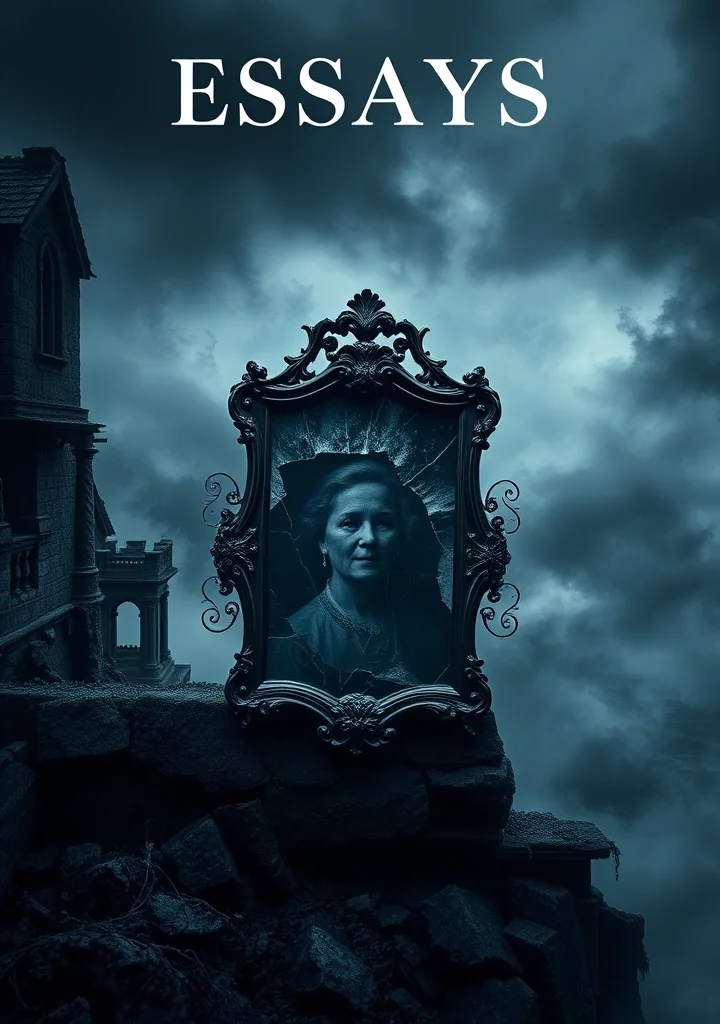
The crumbling estate of the Malatesta family clings to the precipice of reason, each essay a fractured shard of glass reflecting a decaying lineage. Within these pages, shadows stretch from forgotten wings, and the scent of brine and regret permeates the very paper. A relentless tide of melancholic discourse washes over the reader, detailing the rot of inherited privilege and the suffocating weight of ancestral expectation. The prose itself is brittle, laced with a cold, clinical detachment that mirrors the desolate landscapes described within. Each argument, each philosophical dissection, feels less like intellectual debate and more like a ritualistic carving into bone. A pervasive dread seeps from the text, born not of overt horror, but of a quiet, suffocating despair—the kind that blossoms in shadowed libraries and amongst the dust of abandoned heirlooms. The essays aren’t merely read, they’re *absorbed*, leaving a residue of frost on the fingertips and a lingering echo of fractured sanity in the chambers of the mind. The very structure of the work seems designed to unravel the reader, to leave them wandering lost amongst the echoing corridors of Malatesta’s decaying intellect.
Copyright: Public Domain
This license allows anyone to use your story for any purpose, including printing, selling, or adapting it into a film freely.
This license allows anyone to use your story for any purpose, including printing, selling, or adapting it into a film freely.
Chapter List
-
« Essays »📖 Continue Reading
-
« Anarchy »
-
« I »
-
« II »
-
« A Bit of Theory »
-
« The Duties of the Present Hour »
-
« Anarchy and Violence »
-
« Should Anarchists Be Admitted to the Coming International Congress? »
-
« Anarchism and Syndicalism »
-
« Anarchists and the Situation »
-
« Chapter_12 »
-
« The General Strike and the Insurrection in Italy »
-
« Anarchists Have Forgotten Their Principles »
-
« Chapter_15 »
-
« Italy Also! »
-
« Pro-Government Anarchists »
-
« The Dictatorship of the Proletariat and Anarchy »
-
« The Two Roads »
18
-
« Essays »
-
« Anarchy »
-
« I »
-
« II »
-
« A Bit of Theory »
-
« The Duties of the Present Hour »
-
« Anarchy and Violence »
-
« Should Anarchists Be Admitted to the Coming International Congress? »
-
« Anarchism and Syndicalism »
-
« Anarchists and the Situation »
-
« Chapter_12 »
-
« The General Strike and the Insurrection in Italy »
-
« Anarchists Have Forgotten Their Principles »
-
« Chapter_15 »
-
« Italy Also! »
-
« Pro-Government Anarchists »
-
« The Dictatorship of the Proletariat and Anarchy »
-
« The Two Roads »
More like this