
-
Read 584
-
0
-
Part 45
Completed, First published Mar 02, 2026
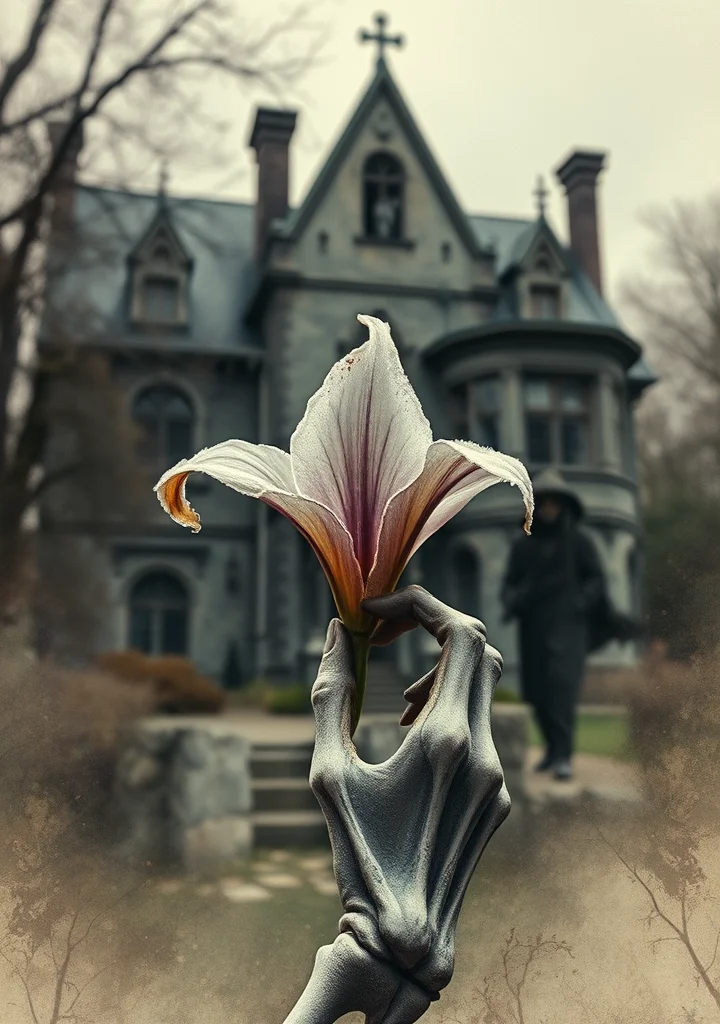
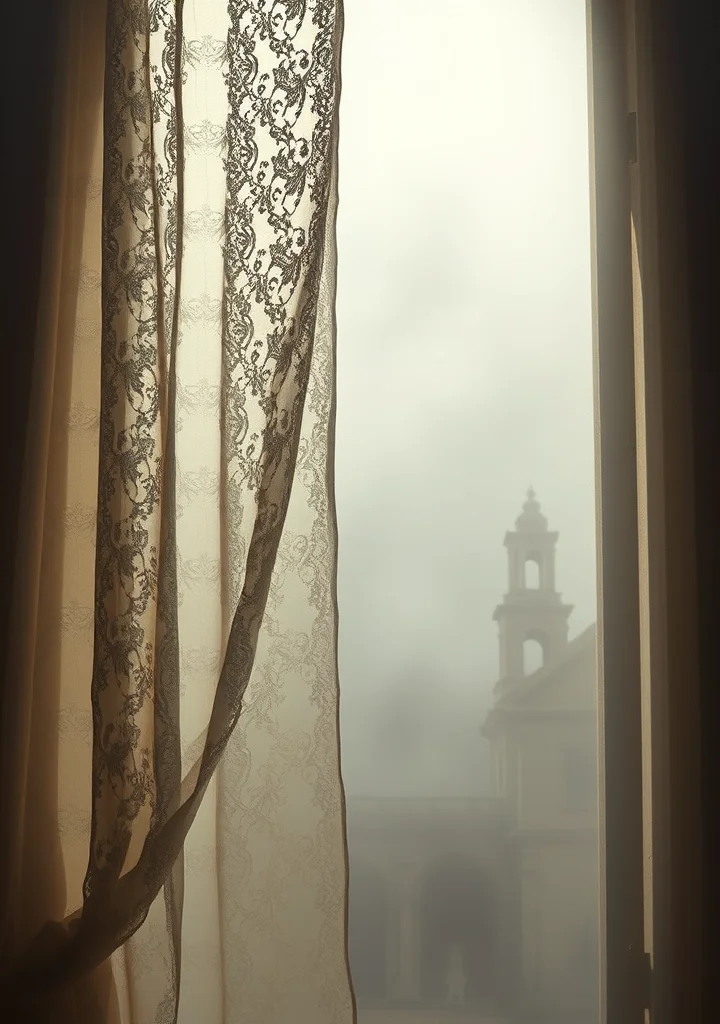
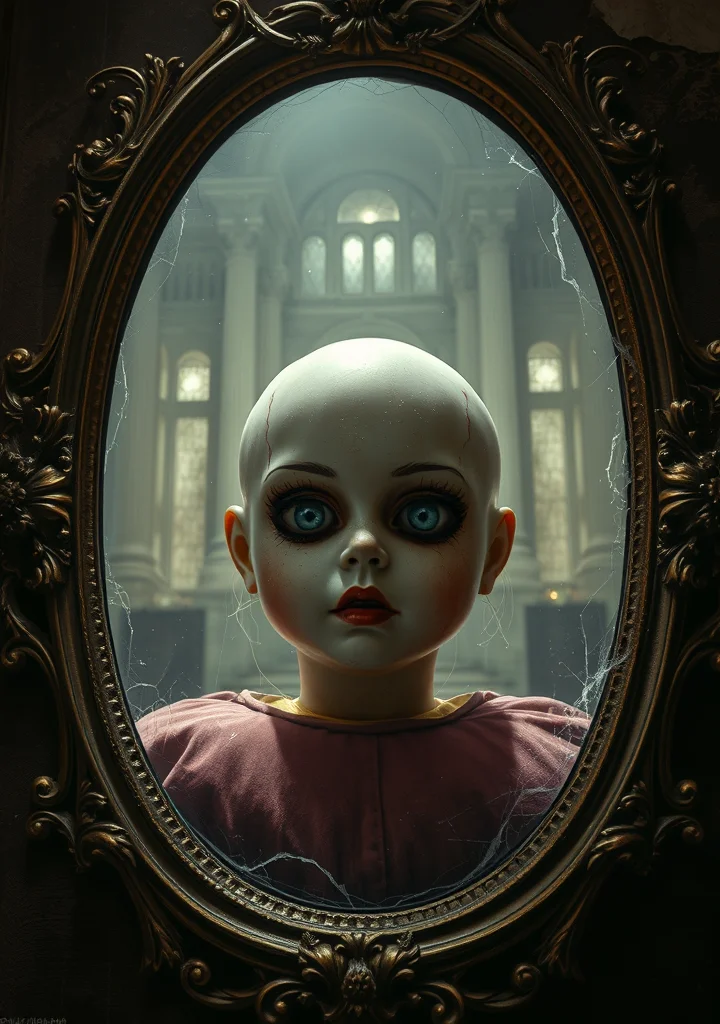
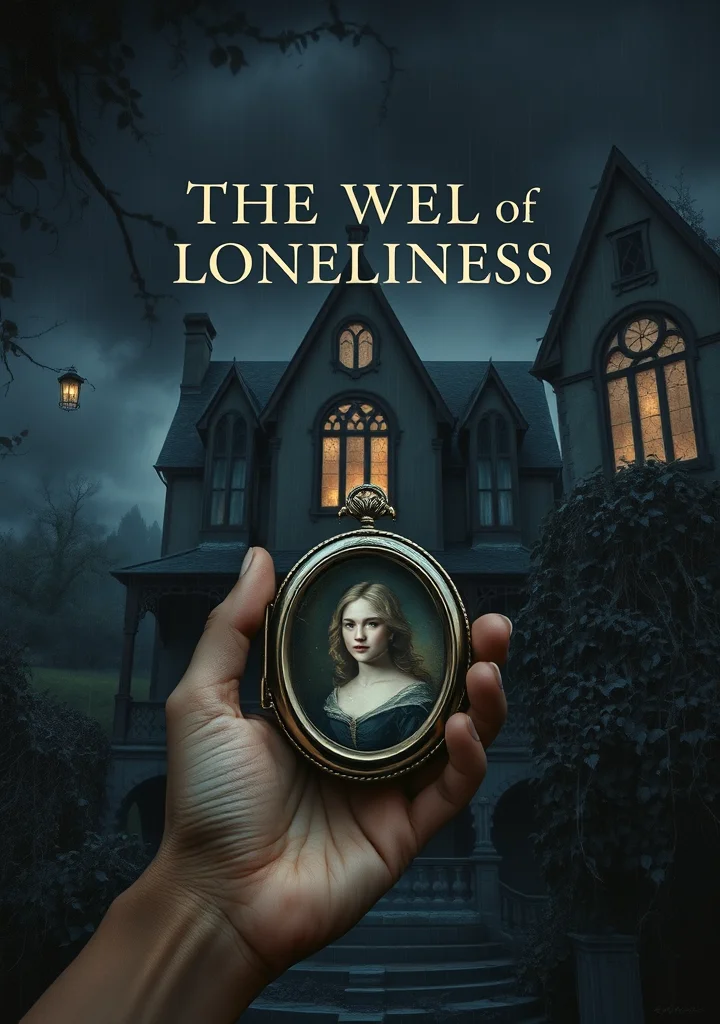
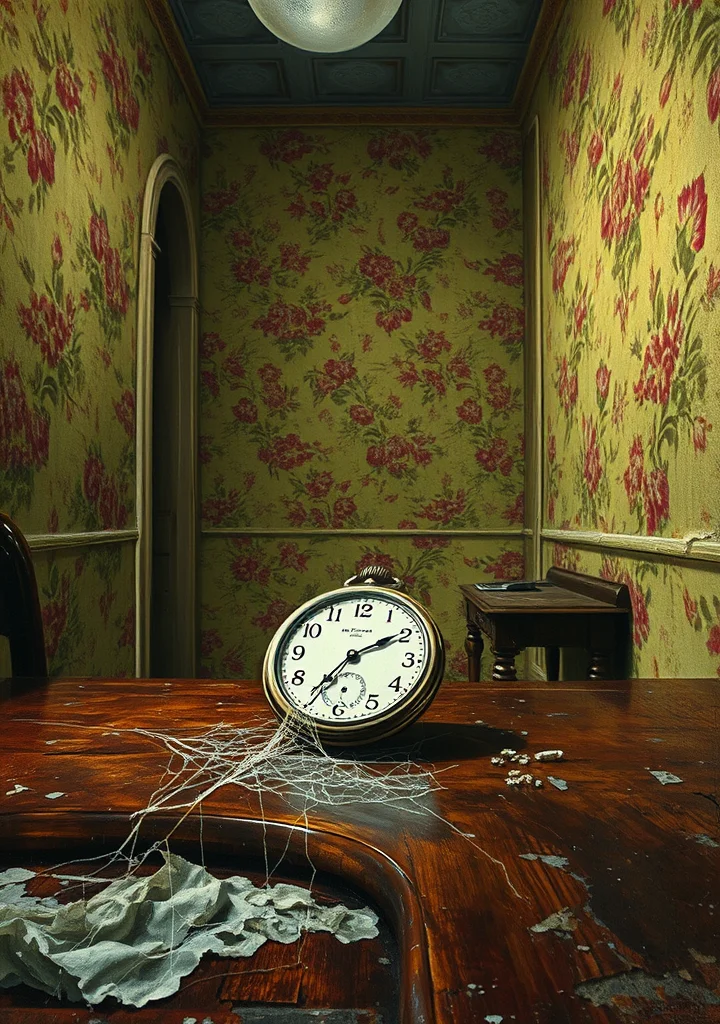
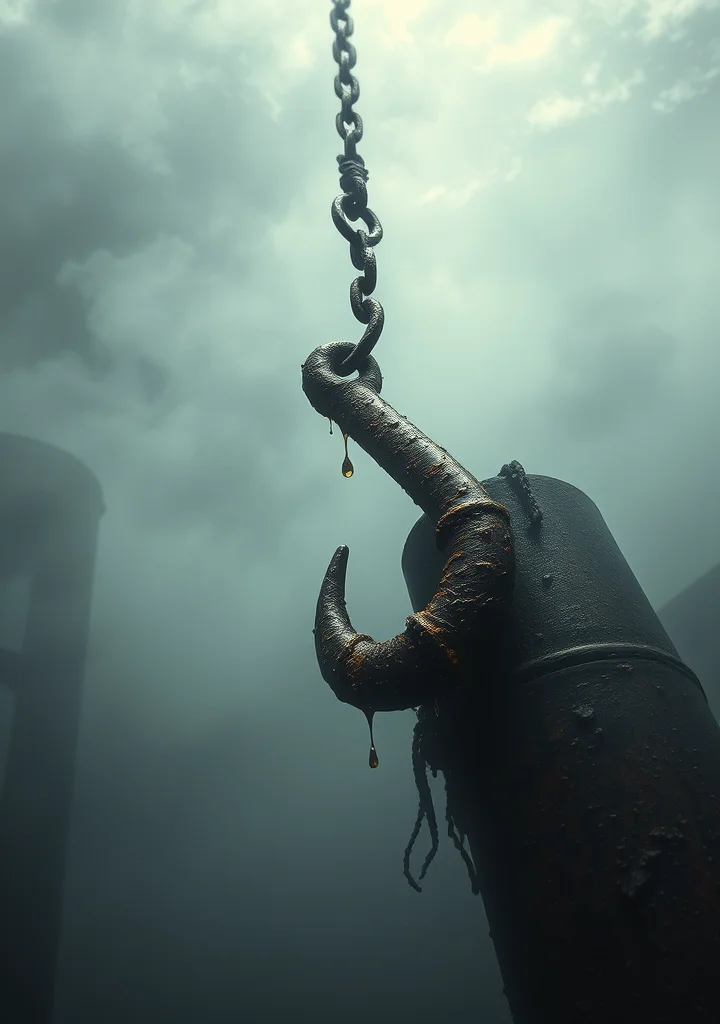
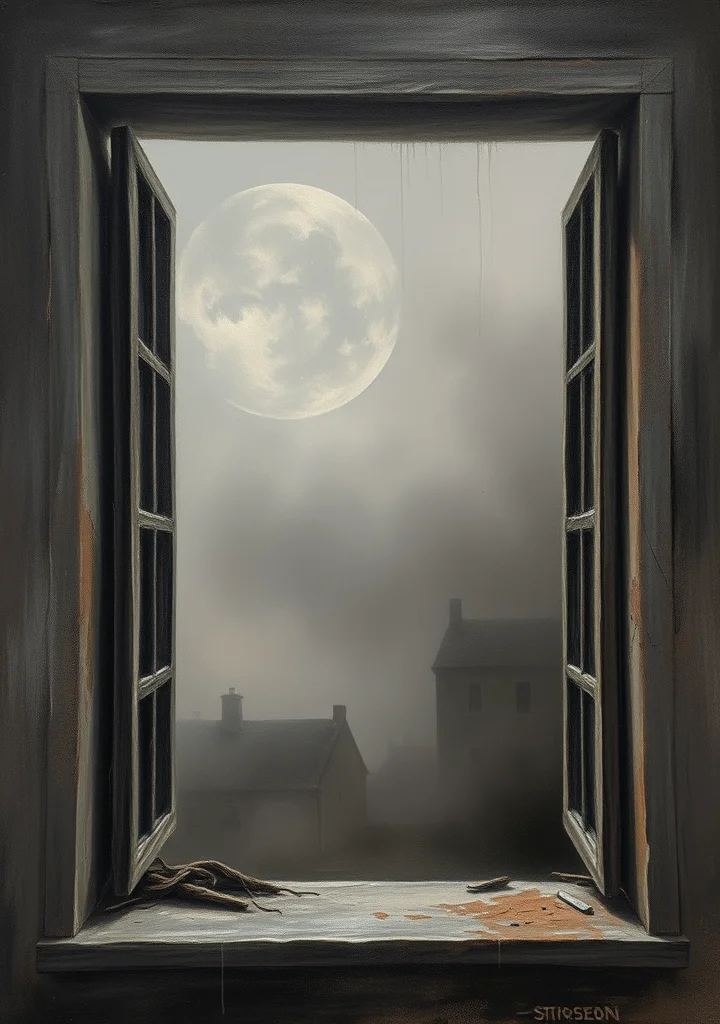
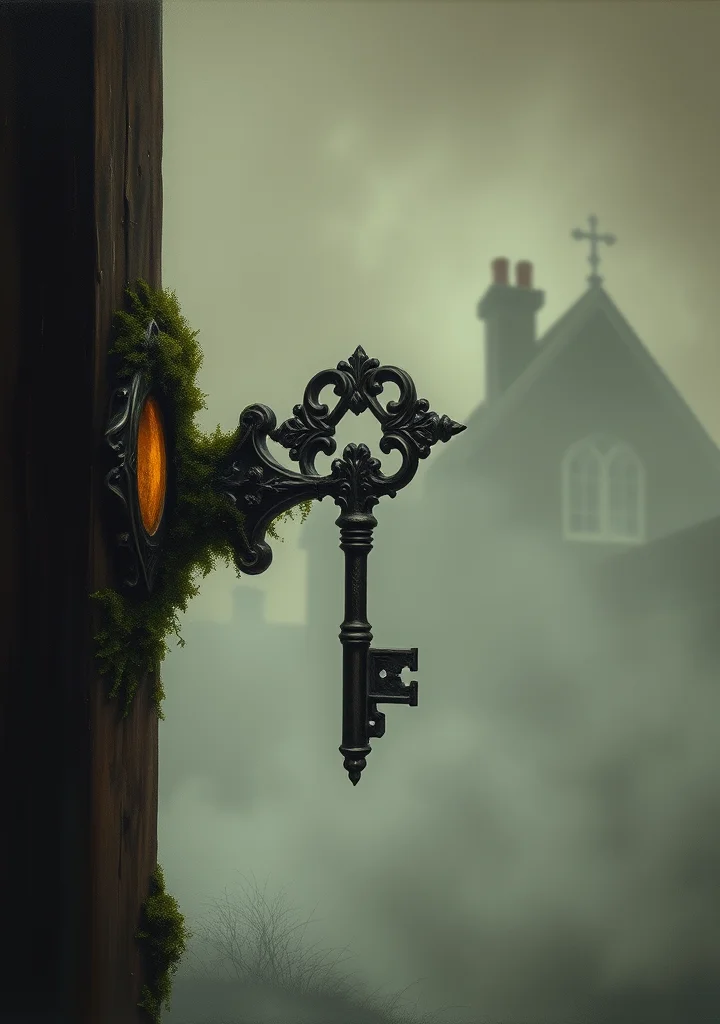
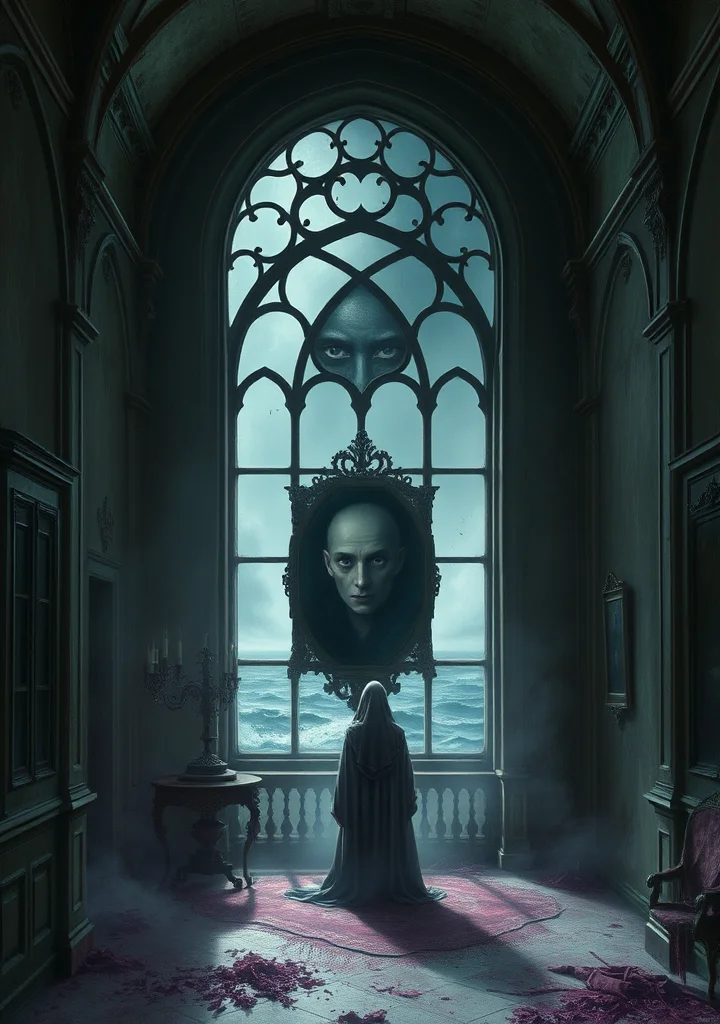
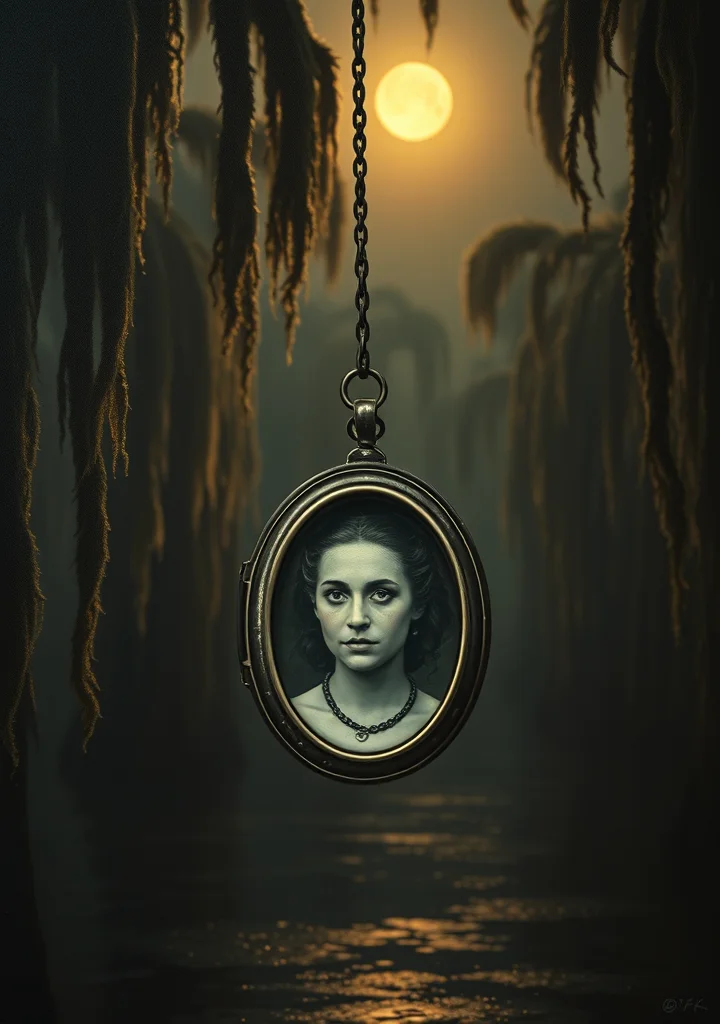
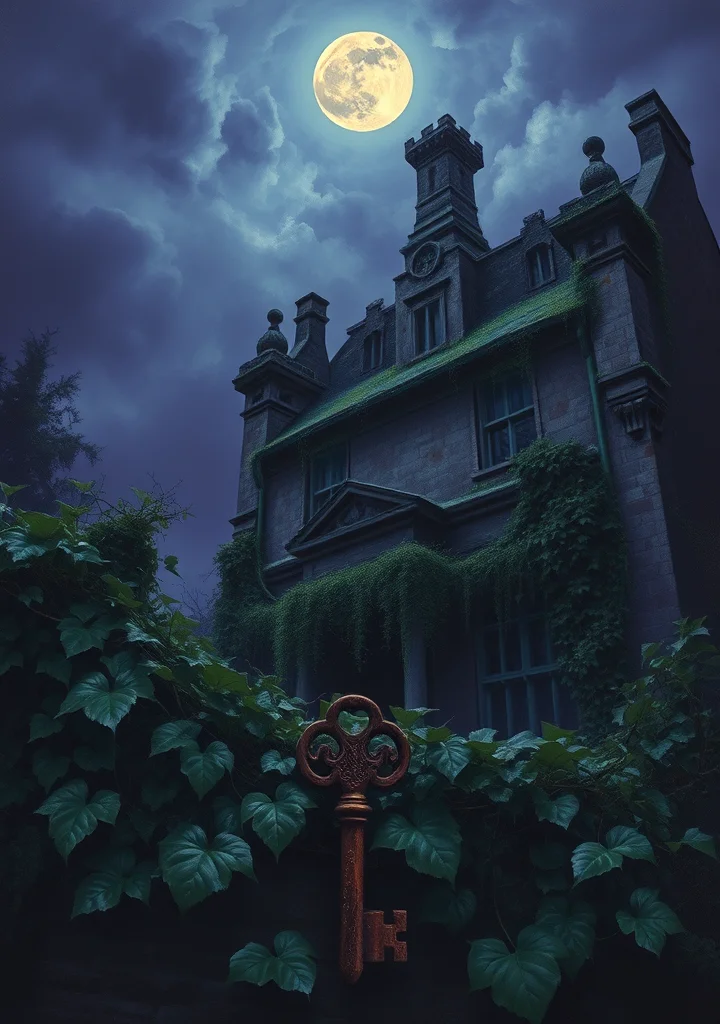
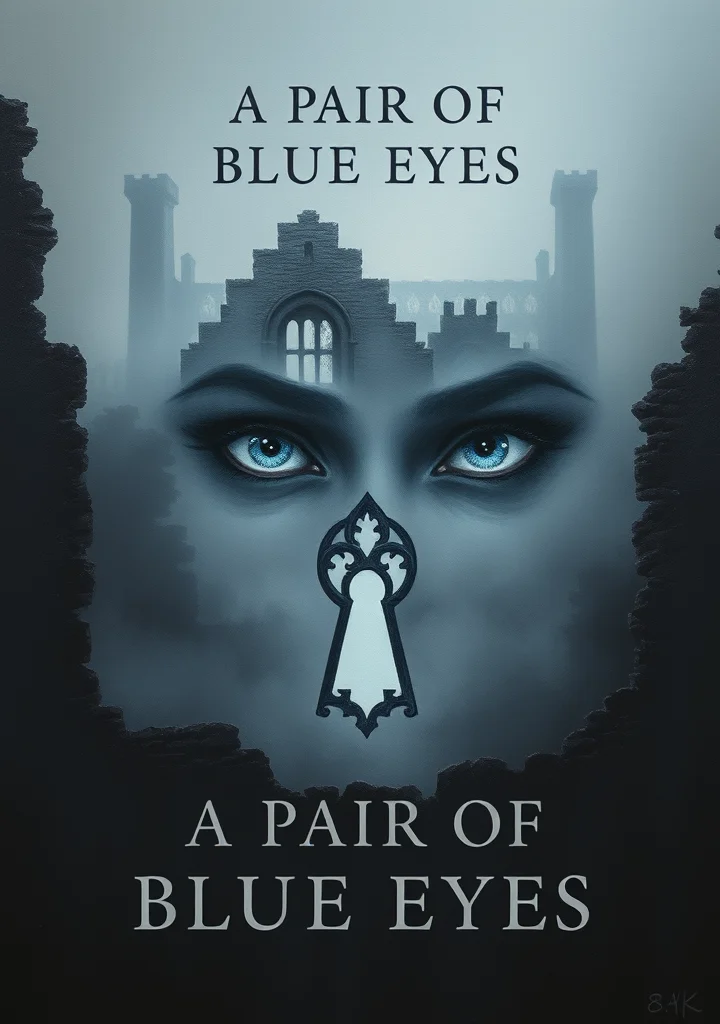
The damp chill of the Wessex countryside clings to every page, mirroring the creeping despair that consumes Eustace Ley. A man haunted by visions—not of a face, but of *eyes*, a glacial blue that promise both salvation and ruin—he is drawn into a spectral pursuit of a lost love. The narrative unfolds like a fog-drenched moor, layered with regret and the oppressive weight of unspoken desires. Abandoned chapels and crumbling manor houses become the stage for a slow unraveling, where the boundaries between dream and reality dissolve. Ley’s obsession is a descent into a melancholic labyrinth, shadowed by the specter of a woman whose beauty is entwined with a suffocating sorrow. The novel breathes with the muted tones of rural decay, a landscape reflecting the fracturing of a mind consumed by a gaze that promises not joy, but a haunting echo of what might have been. A suffocating atmosphere of premonition permeates the story; every rustle of leaves, every distant bell, carries the threat of a revelation that will leave Ley irrevocably lost in a blue-eyed oblivion. The story is steeped in a suffocating atmosphere of loneliness and dread, mirroring the desolate beauty of Hardy’s Wessex.
Copyright: Public Domain
This license allows anyone to use your story for any purpose, including printing, selling, or adapting it into a film freely.
This license allows anyone to use your story for any purpose, including printing, selling, or adapting it into a film freely.
Chapter List
-
« A Pair of Blue Eyes »📖 Continue Reading
-
« Chapter_3 »
-
« Preface »
-
« The Persons »
-
« A Pair of Blue Eyes »
-
« Chapter_7 »
-
« Chapter_8 »
-
« Chapter_9 »
-
« Chapter_10 »
-
« Chapter_11 »
-
« Chapter_12 »
-
« Chapter_13 »
-
« Chapter_14 »
-
« Chapter_15 »
-
« Chapter_16 »
-
« Chapter_17 »
-
« Chapter_18 »
-
« Chapter_19 »
-
« Chapter_20 »
-
« Chapter_21 »
-
« Chapter_22 »
-
« Chapter_23 »
-
« Chapter_24 »
-
« Chapter_25 »
-
« Chapter_26 »
-
« Chapter_27 »
-
« Chapter_28 »
-
« Chapter_29 »
-
« Chapter_30 »
-
« Chapter_31 »
-
« Chapter_32 »
-
« Chapter_33 »
-
« Chapter_34 »
-
« Chapter_35 »
-
« Chapter_36 »
-
« Chapter_37 »
-
« Chapter_38 »
-
« Chapter_39 »
-
« Chapter_40 »
-
« Chapter_41 »
-
« Chapter_42 »
-
« Chapter_43 »
-
« Chapter_44 »
-
« Chapter_45 »
-
« Chapter_46 »
45
-
« A Pair of Blue Eyes »
-
« Chapter_3 »
-
« Preface »
-
« The Persons »
-
« A Pair of Blue Eyes »
-
« Chapter_7 »
-
« Chapter_8 »
-
« Chapter_9 »
-
« Chapter_10 »
-
« Chapter_11 »
-
« Chapter_12 »
-
« Chapter_13 »
-
« Chapter_14 »
-
« Chapter_15 »
-
« Chapter_16 »
-
« Chapter_17 »
-
« Chapter_18 »
-
« Chapter_19 »
-
« Chapter_20 »
-
« Chapter_21 »
-
« Chapter_22 »
-
« Chapter_23 »
-
« Chapter_24 »
-
« Chapter_25 »
-
« Chapter_26 »
-
« Chapter_27 »
-
« Chapter_28 »
-
« Chapter_29 »
-
« Chapter_30 »
-
« Chapter_31 »
-
« Chapter_32 »
-
« Chapter_33 »
-
« Chapter_34 »
-
« Chapter_35 »
-
« Chapter_36 »
-
« Chapter_37 »
-
« Chapter_38 »
-
« Chapter_39 »
-
« Chapter_40 »
-
« Chapter_41 »
-
« Chapter_42 »
-
« Chapter_43 »
-
« Chapter_44 »
-
« Chapter_45 »
-
« Chapter_46 »
More like this