
-
Read 448
-
0
-
Part 20
Completed, First published Mar 02, 2026
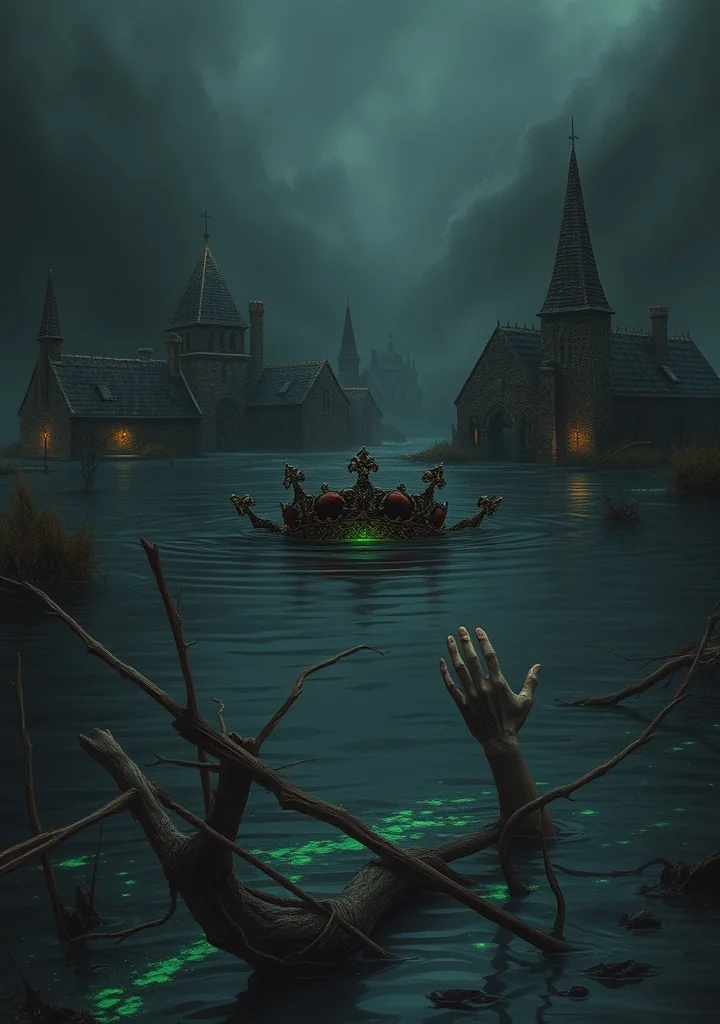
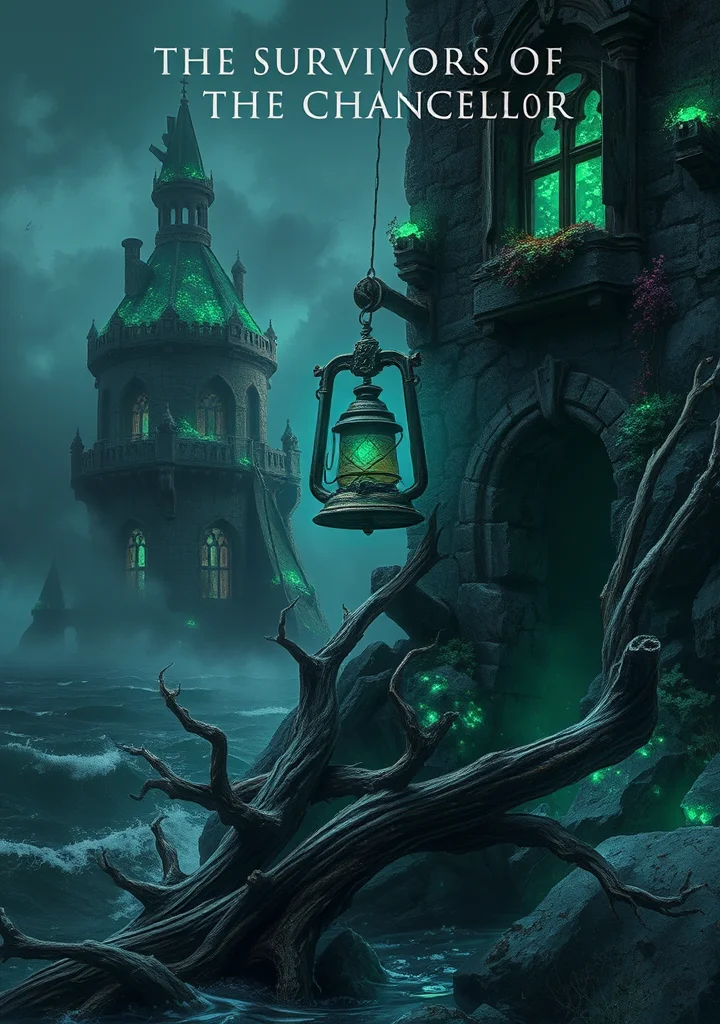
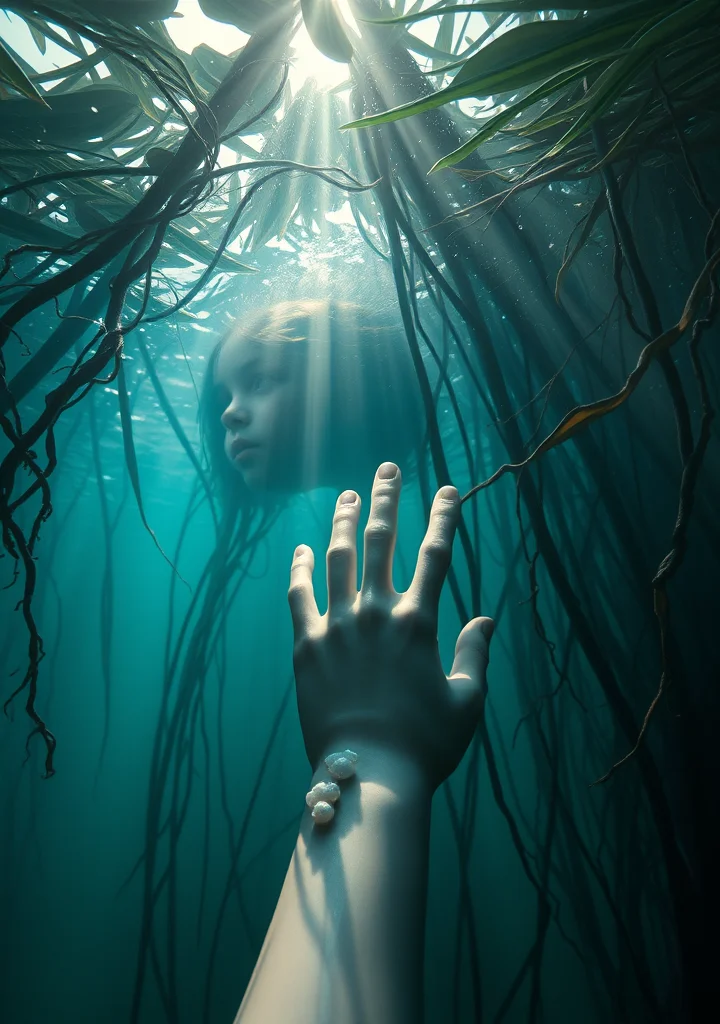
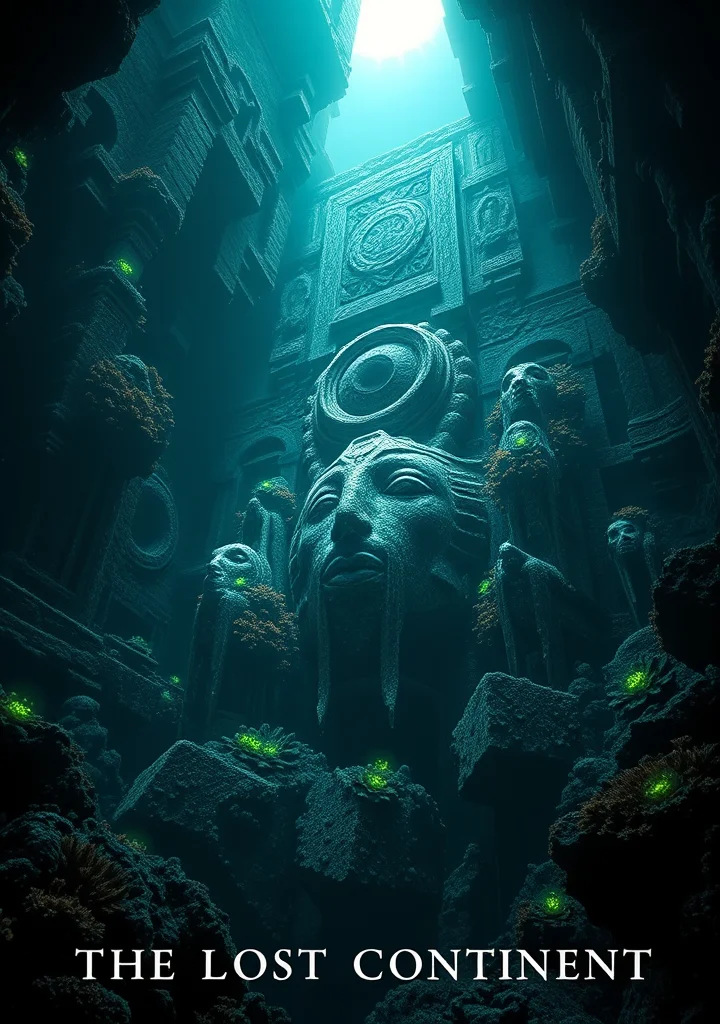
A creeping dread clings to the salt-laced air, thick with the scent of decay and the whispers of forgotten gods. The narrative unfolds not as a tale of discovery, but of unraveling – a descent into a submerged world where the boundaries of sanity blur with the coral-encrusted ruins. Cutcliffe Hyne doesn't offer sun-drenched shores, but a claustrophobic nightmare beneath the waves, where the last vestiges of a lost civilization pulse with a cold, predatory life.
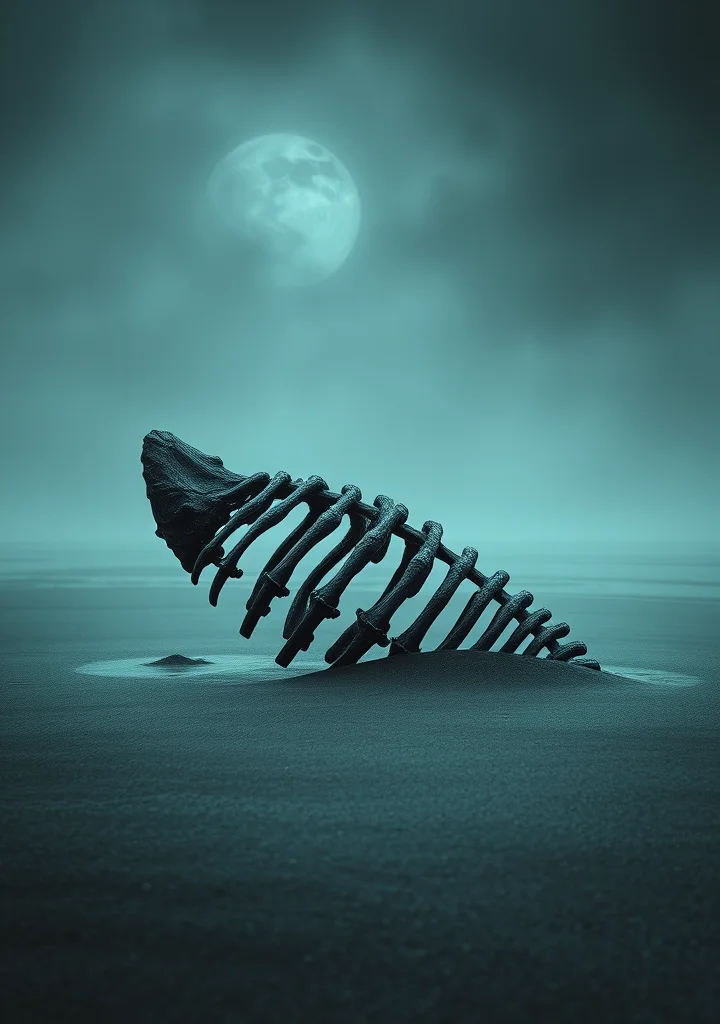
The protagonist is haunted by more than just the physical weight of submerged stone; a suffocating paranoia grips him as he uncovers evidence of monstrous rituals performed by the continent’s final inhabitants. Each chapter descends further into a watery darkness punctuated by phosphorescent fungi and the skeletal remains of colossal creatures.
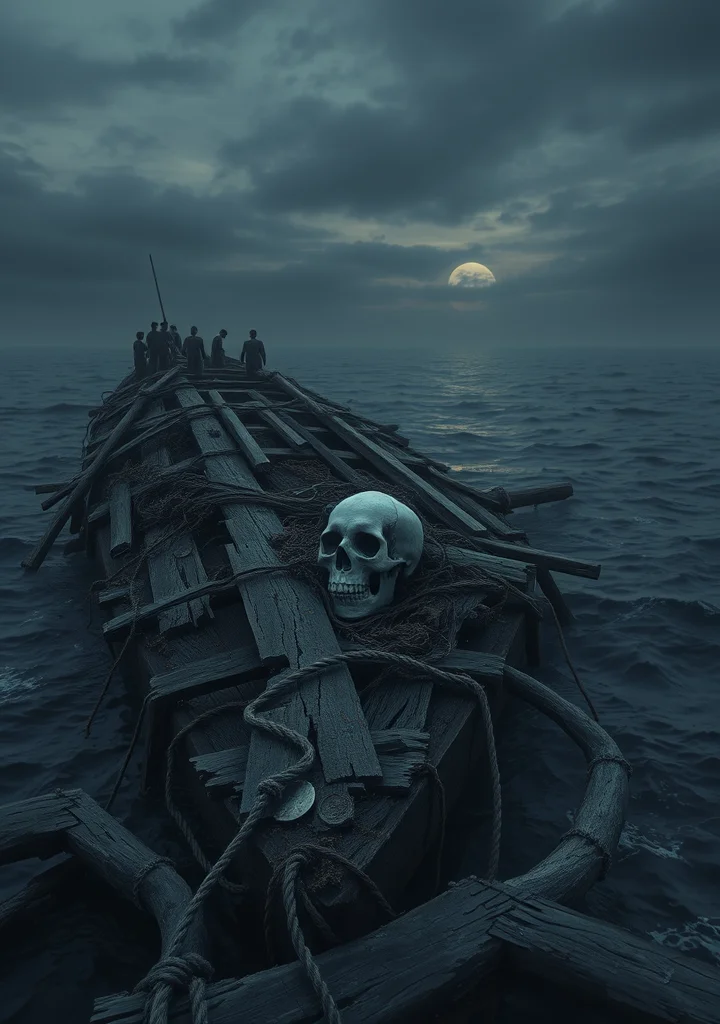
The atmosphere is one of oppressive silence broken only by the groaning of submerged timbers and the rasping breath of something ancient stirring in the abyssal currents. It is a place where the echoes of madness cling to every barnacle-covered surface, and where the line between hunter and hunted dissolves into the murky depths. Expect a narrative steeped in the melancholic grandeur of a drowned world, a chilling testament to humanity's hubris and the monstrous secrets that lie waiting to be awakened.
Copyright: Public Domain
This license allows anyone to use your story for any purpose, including printing, selling, or adapting it into a film freely.
This license allows anyone to use your story for any purpose, including printing, selling, or adapting it into a film freely.
More like this