
-
Read 186
-
0
-
Part 8
Completed, First published Mar 02, 2026
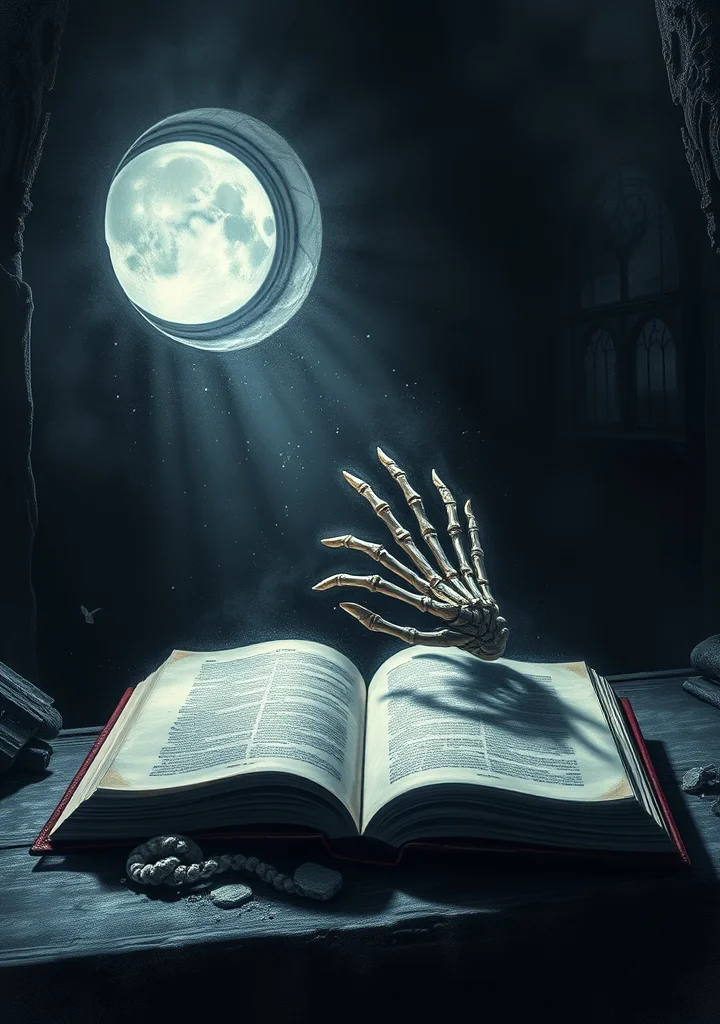
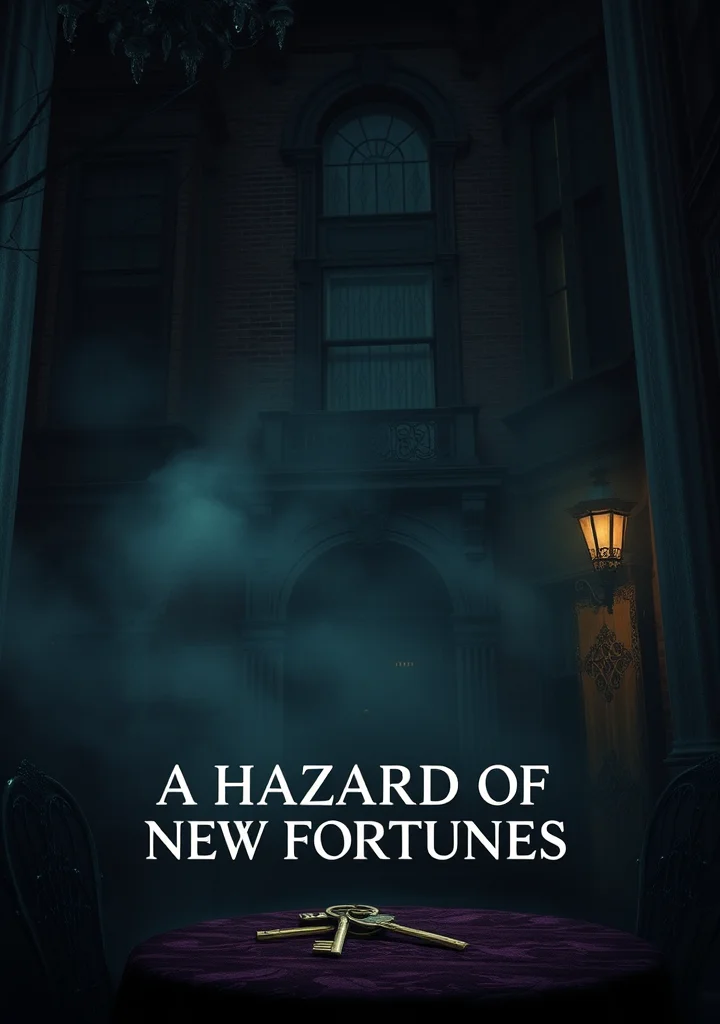
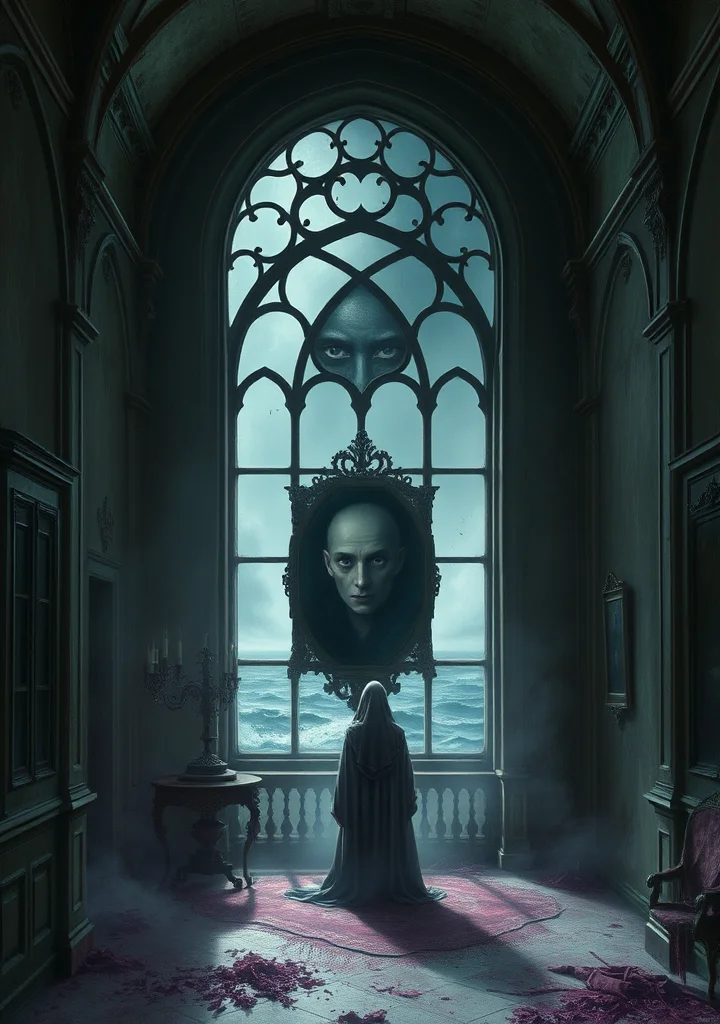
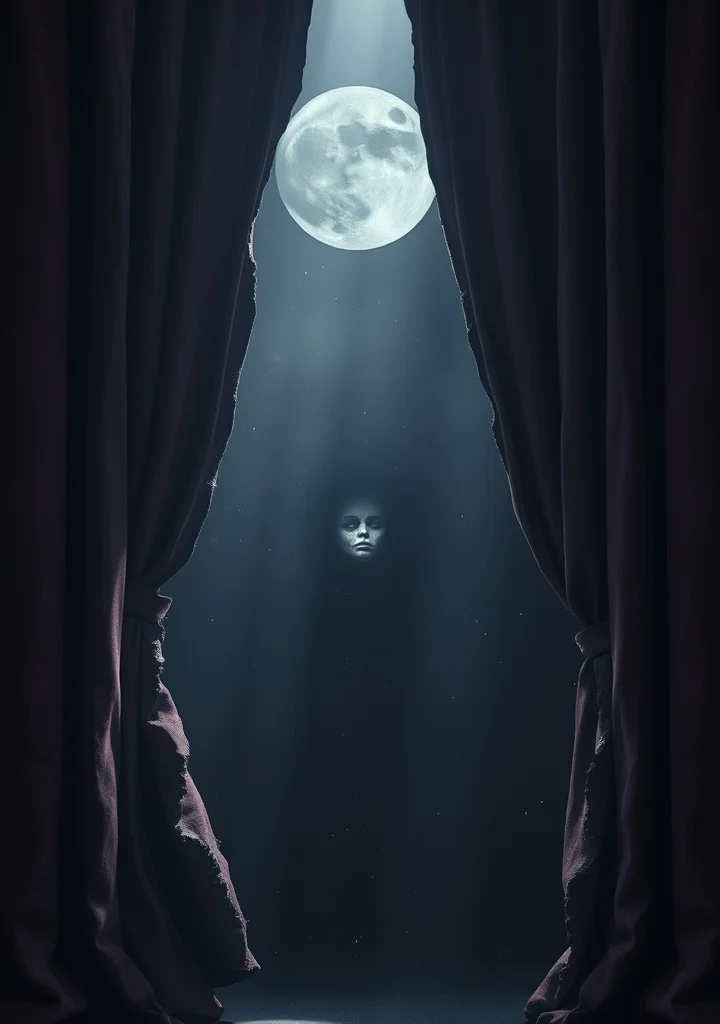
Dust motes dance in the perpetual twilight of an unfinished theatre, where fractured identities cling to the crumbling plaster. A troupe of the discarded—a governess haunted by a phantom past, a young woman locked in a loveless marriage, a drunken brute reeking of regret—they materialize not from ink, but from the void where stories should be. They are the afterbirth of abandoned narratives, demanding completion, yet forever trapped in the echo of what might have been. Their desperation isn't for life, but for the shape of a tragedy, a grotesque ballet of sorrow performed for an audience of shadows. The air thickens with the scent of moth-eaten velvet and decaying ambition. Each character is a splinter of a broken mirror, reflecting not a self, but the absence of one, a hollowed-out space yearning to be filled with the author’s hand. The theatre itself breathes with a cold, spectral logic—a prison built of unfinished sentences, where the very act of witnessing unravels the boundaries between reality and delusion. A suffocating claustrophobia descends as their fragmented desires collide, threatening to collapse into a single, monstrous grief. This is not merely a play, but an excavation of the ruins of the human soul, performed under the cold gaze of a godless moon.
Copyright: Public Domain
This license allows anyone to use your story for any purpose, including printing, selling, or adapting it into a film freely.
This license allows anyone to use your story for any purpose, including printing, selling, or adapting it into a film freely.
More like this