
The Valley of Fear
  • 105
  • 0
  • 18
  • Reads 105
  • 0
  • Part 18
Completed, First published Mar 02, 2026

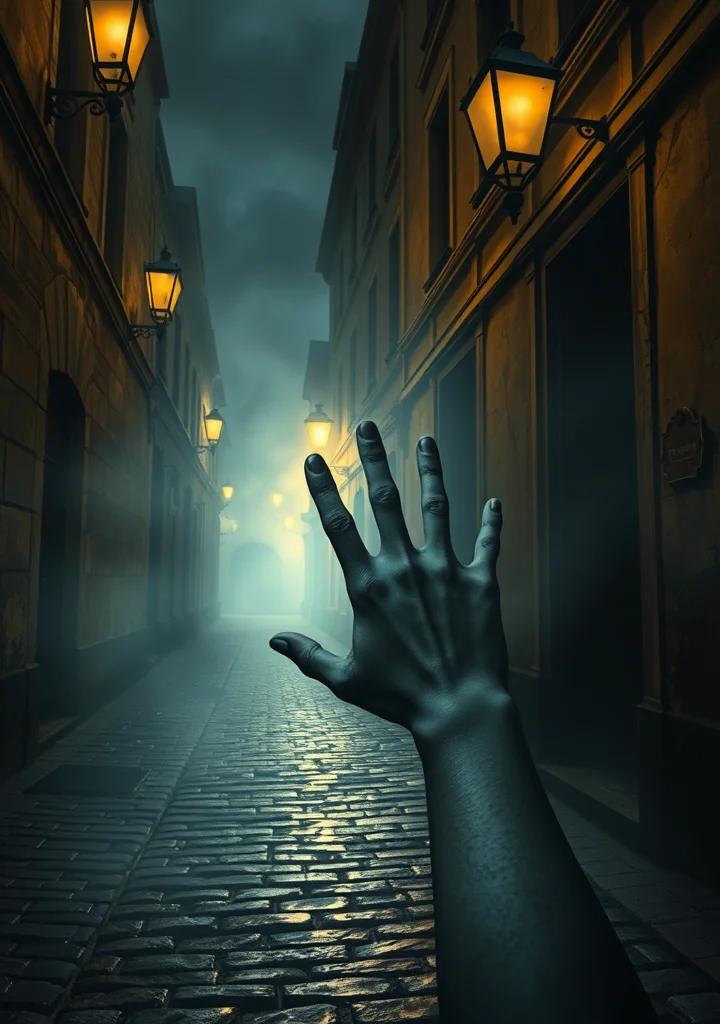
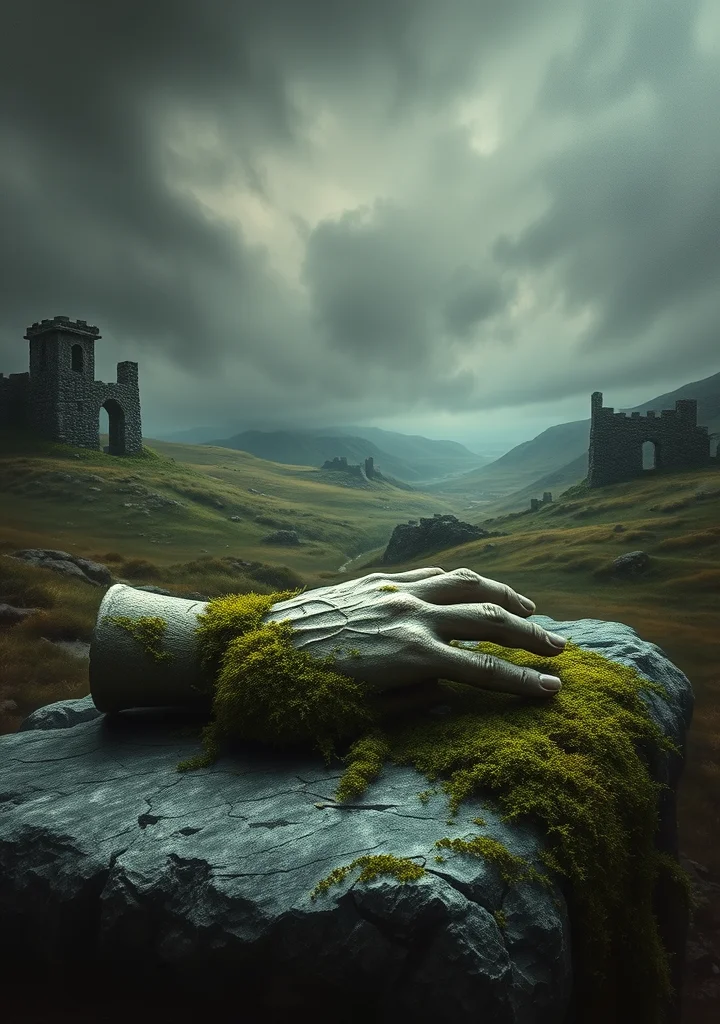
A creeping dread clings to the moorland air, thick with the scent of damp earth and decaying stone. This is a valley steeped in shadow, where ancient grudges fester and the very soil seems to remember violence. A severed hand delivered to a London detective sparks a descent into a remote, isolated corner of England – a place where the echoes of a forgotten American tragedy reverberate through generations. The narrative unfolds with the suffocating weight of isolation, the oppressive silence punctuated only by the howl of the wind and the whispers of fear-haunted locals. Within the shadowed confines of a decaying manor house, a web of suspicion tightens around a handful of desperate men, each haunted by secrets and driven to the brink of madness. The valley itself is a character – a brooding presence that breeds paranoia, where the line between sanity and terror blurs with every encroaching dusk. A palpable sense of doom permeates the atmosphere, a premonition of violence that hangs heavy in the air, promising a final, brutal reckoning amidst the crumbling ruins and the desolate, unforgiving landscape. It’s a story not of deduction alone, but of a descent into primal fear, where the darkness within men mirrors the darkness of the valley they inhabit.
Copyright: Public Domain
This license allows anyone to use your story for any purpose, including printing, selling, or adapting it into a film freely.
Recommended for you
64 Part
A creeping dread clings to the shadowed avenues of New York, mirroring the suffocating ambition of Silas Thorne. Dreiser paints a city not of gilded promise, but of iron bone and suffocating brick, where Thorne’s ascent – fueled by ruthless calculation and the hollow echo of inherited wealth – casts a lengthening pall over all who dare to witness it. The narrative unfolds not as a story of triumph, but as a slow, agonizing compression of the human spirit, each step on Thorne’s staircase to power marked by the crumbling residue of lives discarded as if they were merely stones in his foundation. Fog-choked streets become a labyrinth of moral decay, mirroring the labyrinth within Thorne himself. His mansion, a monolith of granite and shadowed glass, isn’t a home, but a mausoleum for the living, each room echoing with the phantom weight of compromised ideals. The air thickens with the scent of decaying ambition, of secrets corroded by greed. The narrative doesn’t revel in grand spectacle, but in the subtle rot of complicity. It's a story whispered in darkened hallways, a chill felt in the periphery of Thorne's gaze. A sense of inevitability, of a crushing, mechanical doom, pervades the pages. The titan doesn’t conquer; he consumes, leaving behind a barren landscape of broken promises and the dust of extinguished souls. The city itself seems to hold its breath, waiting for the inevitable collapse of this monstrous edifice of a man. It's a darkness not of overt horror, but of a slow, inexorable suffocation.
19 Part
A suffocating Madrid summer hangs heavy with dust and discontent. The novel breathes with the stifled ambitions of its characters, clinging to the shadowed alcoves of a city poised between old grandeur and creeping modernity. Galdós doesn’t offer spectacle, but a slow, insidious unraveling—a rot beneath the polished veneer of bourgeois life. The narrative coils around the fractured idealism of Don Ramón, a man adrift in the aftermath of political turmoil, haunted by the ghosts of republican fervor and the weight of unfulfilled potential. Every encounter is a stifled confession, every room a stage for quiet desperation. Sunlight bleeds through shuttered windows, illuminating not warmth, but the lingering residue of regret. The scent of decaying flowers, of stale ambition, permeates the air. It’s a novel of interiors—claustrophobic apartments, dimly lit cafes—where characters are trapped not by bars, but by the invisible architecture of social expectation. A creeping sense of dread settles over the reader as the narrative descends into the labyrinthine streets of Madrid, mirroring Don Ramón’s descent into self-doubt and disillusionment. The city itself is a character, its labyrinthine alleys echoing with the murmur of lost causes and the silent weight of unspoken desires. It’s a portrait of a man unraveling, mirroring a city slowly suffocating under its own ambitions. The atmosphere is one of oppressive heat, stifled voices, and the pervasive scent of decay—a Madrid steeped in melancholy, where even the brightest days are shadowed by the specter of failure.
26 Part
A creeping dread emanates from the snow-blinded peaks surrounding the Castle, a fortress not of stone and mortar but of suffococating bureaucracy and fractured logic. The protagonist, nameless and adrift, is drawn into its labyrinthine corridors not by invitation, but by an insidious compulsion, a need to understand its impossible laws. Each attempt to reach its masters, the unseen Archduke and his attendants, is met with echoing silence, mirrored by the villagers who speak of the Castle only in hushed, fearful whispers. The landscape itself is a character – a perpetual twilight descends, smothering the world in a gray, suffocating weight. Rooms stretch into impossible distances, hallways twist into mirroring repetitions, and the very architecture seems designed to frustrate comprehension. The air is thick with the scent of damp stone and decaying paper, a testament to decades of unfulfilled petitions. A pervasive sense of futility clings to every interaction. The Castle’s inhabitants, pale and withdrawn, engage in rituals of pointless administration, their faces etched with a hollow resignation. Hope is not extinguished, but slowly eroded, replaced by a gnawing awareness of one’s own insignificance within a system that exists solely to perpetuate its own obscurity. The narrative unfolds as a descent into a waking nightmare, a prison built not of bars, but of endless, incomprehensible protocols. The Castle isn’t merely a location; it’s a symptom of a deeper, unknowable malaise, an infection of the soul.

51 Part
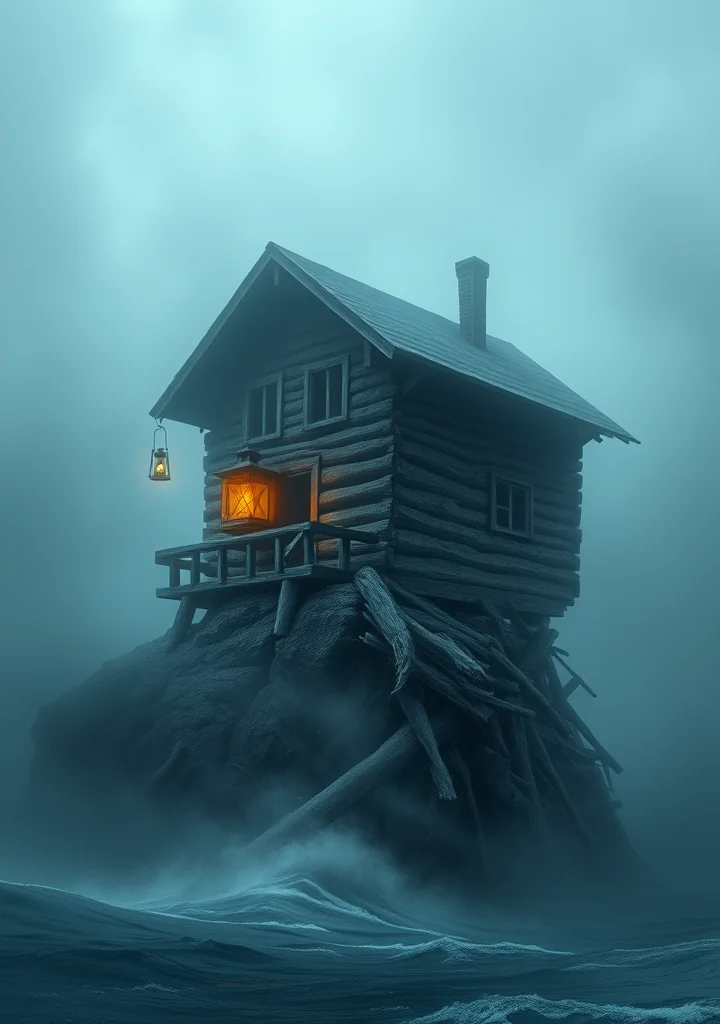
A suffocating heat clings to the pages, thick with the dust of forgotten gods and the scent of brine. Kuprin’s *Yama* doesn’t offer a narrative of simple prisons, but of a slow, deliberate drowning in the stagnant pools of human desperation. The barracks, a festering wound in the heart of a decaying empire, breathe with a life of their own—a malignant sentience born of brutality and boredom. Each man within, a fractured shard of a broken world, is bound not by iron and stone, but by the weight of their own failures, each transgression a silent, festering rot. The prose itself is a mire, pulling you down into the rankness of the guardhouse’s perpetual twilight. There’s no escape, not even in the fevered dreams of the condemned. The air vibrates with the low hum of simmering violence, the casual cruelty a constant, gnawing ache. It isn’t a story of *what* happens, but *how* it feels—the slick, metallic taste of fear on the tongue, the way the shadows stretch and contort into mocking faces. The faces themselves are ghosts, hollowed by regret and the gnawing certainty of oblivion. This isn't a tale of justice, or even injustice, but of a surrender to the inevitable, the slow dissolution of self within the suffocating geometry of the barracks. The walls weep with the stories of men swallowed whole by their own despair, and the stench of their decay lingers long after the last page is turned. The novel doesn't merely show you the darkness; it forces you to breathe it.