
-
Read 511
-
0
-
Part 27
Completed, First published Mar 02, 2026
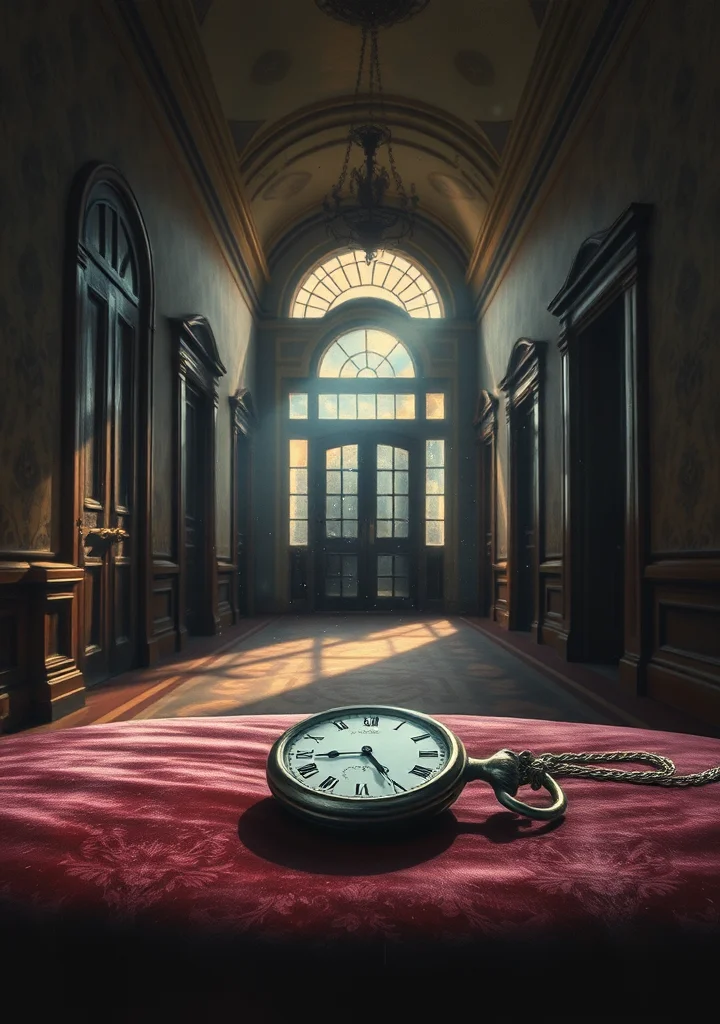
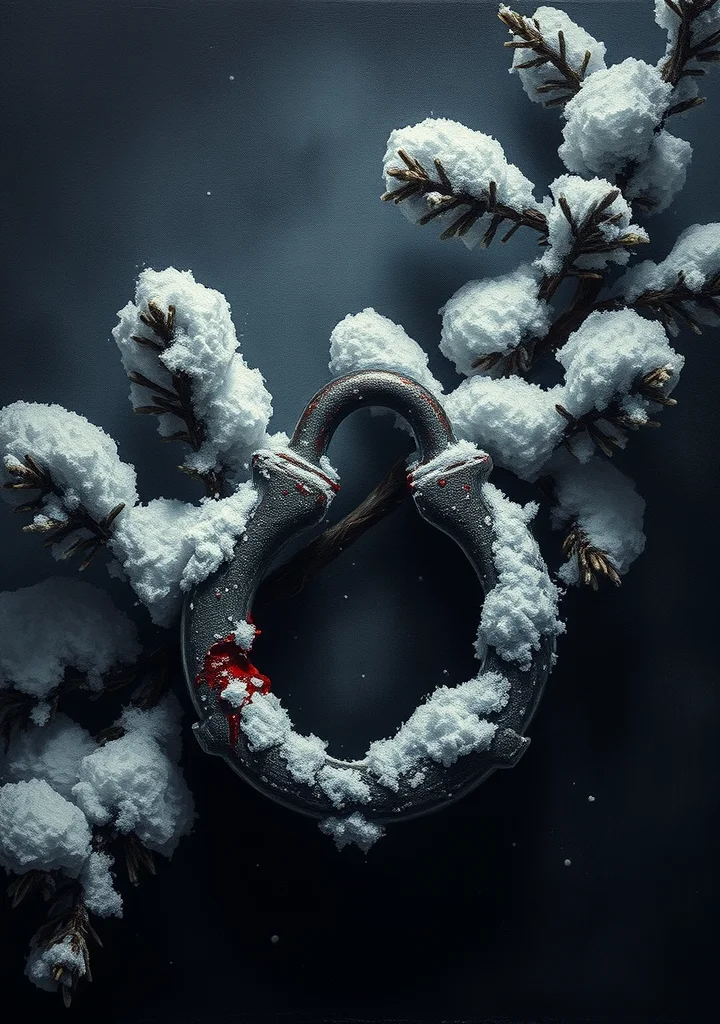
The air hangs thick with the scent of woodsmoke and regret. This is not a tale of triumph, but of endurance carved from bone-deep sorrow. It breathes with the chill of frost-rimed cabins and the suffocating heat of auction blocks. A life unfolds in fragments—a stolen childhood, the brutal calculus of ownership, and the slow, agonizing erosion of hope. Each chapter is a shadow lengthening across a field of snow, a whisper of defiance choked by iron chains.
The narrative is steeped in a profound loneliness, not just of body but of spirit. Henson’s voice, though steady, is haunted by the faces of those left behind—wives torn from children, fathers swallowed by the darkness of the trade. It is a story told not with rage, but with the quiet dignity of a man who has witnessed too much, who has learned to find a fragile sanctuary within his own heart.
The landscape itself is a character—the unforgiving swamps mirroring the mire of slavery, the northern stars offering a cold, distant promise of freedom. There is a pervasive sense of dread, not from explicit horrors, but from the knowledge of what is *allowed* to happen in the silence between breaths. It is a story that lingers like a winter fog, clinging to the soul long after the last page is turned, leaving only the echo of a life both broken and stubbornly, beautifully preserved.
Copyright: Public Domain
This license allows anyone to use your story for any purpose, including printing, selling, or adapting it into a film freely.
This license allows anyone to use your story for any purpose, including printing, selling, or adapting it into a film freely.
Chapter List
-
« Father Henson’s Story of His Own Life »📖 Continue Reading
-
« Preface »
-
« Father Henson’s Story of His Own Life »
-
« Chapter_6 »
-
« Chapter_7 »
-
« Chapter_8 »
-
« Chapter_9 »
-
« Chapter_10 »
-
« Chapter_11 »
-
« Chapter_12 »
-
« Chapter_13 »
-
« Chapter_14 »
-
« Chapter_15 »
-
« Chapter_16 »
-
« Chapter_17 »
-
« Chapter_18 »
-
« Chapter_19 »
-
« Chapter_20 »
-
« Chapter_21 »
-
« Chapter_22 »
-
« Chapter_23 »
-
« Chapter_24 »
-
« Chapter_25 »
-
« Chapter_26 »
-
« Chapter_27 »
-
« Chapter_28 »
-
« Chapter_29 »
27
-
« Father Henson’s Story of His Own Life »
-
« Preface »
-
« Father Henson’s Story of His Own Life »
-
« Chapter_6 »
-
« Chapter_7 »
-
« Chapter_8 »
-
« Chapter_9 »
-
« Chapter_10 »
-
« Chapter_11 »
-
« Chapter_12 »
-
« Chapter_13 »
-
« Chapter_14 »
-
« Chapter_15 »
-
« Chapter_16 »
-
« Chapter_17 »
-
« Chapter_18 »
-
« Chapter_19 »
-
« Chapter_20 »
-
« Chapter_21 »
-
« Chapter_22 »
-
« Chapter_23 »
-
« Chapter_24 »
-
« Chapter_25 »
-
« Chapter_26 »
-
« Chapter_27 »
-
« Chapter_28 »
-
« Chapter_29 »
More like this