
Agamemnon
  • 81
  • 0
  • 9
  • Reads 81
  • 0
  • Part 9
Completed, First published Mar 02, 2026

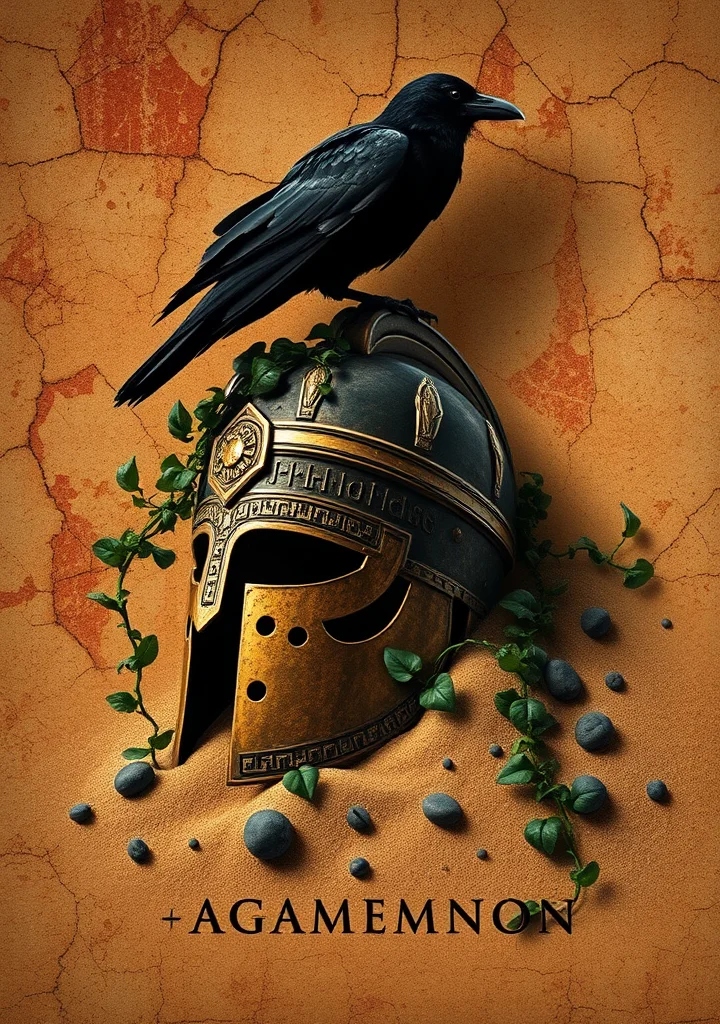
A creeping dread clings to the stones of Argos. Returning from a decade’s siege, Agamemnon finds not triumph, but a suffocating stillness within his palace walls—a silence woven with the threads of betrayal. The air itself tastes of brine and old blood, thick with the scent of simmering resentment. Each shadow stretches long and hungry, mirroring the festering wounds of a kingdom starved for loyalty. The queen, Clytemnestra, moves like a phantom amidst the crimson tapestries, her grief a glacial mask concealing something colder. A web of whispers—omens and prophecies—hangs heavy in the halls, foretelling not a homecoming but a reckoning. The very hearth seems to mourn, its embers flickering with the spectral light of vengeance. Even the loyal dogs, their throats cut in the aftermath, leave a residue of violation that stains the marble floors. A suffocating darkness descends, a suffocating weight of the inevitable, as Agamemnon steps unknowingly into a snare of familial rage, where the echoes of Troy’s fall are drowned out by the chilling lullaby of retribution. The palace breathes with the malice of forgotten gods, promising a harvest of sorrow reaped in the heart of a broken dynasty.
Copyright: Public Domain
This license allows anyone to use your story for any purpose, including printing, selling, or adapting it into a film freely.
Recommended for you
64 Part
A creeping dread clings to the shadowed avenues of New York, mirroring the suffocating ambition of Silas Thorne. Dreiser paints a city not of gilded promise, but of iron bone and suffocating brick, where Thorne’s ascent – fueled by ruthless calculation and the hollow echo of inherited wealth – casts a lengthening pall over all who dare to witness it. The narrative unfolds not as a story of triumph, but as a slow, agonizing compression of the human spirit, each step on Thorne’s staircase to power marked by the crumbling residue of lives discarded as if they were merely stones in his foundation. Fog-choked streets become a labyrinth of moral decay, mirroring the labyrinth within Thorne himself. His mansion, a monolith of granite and shadowed glass, isn’t a home, but a mausoleum for the living, each room echoing with the phantom weight of compromised ideals. The air thickens with the scent of decaying ambition, of secrets corroded by greed. The narrative doesn’t revel in grand spectacle, but in the subtle rot of complicity. It's a story whispered in darkened hallways, a chill felt in the periphery of Thorne's gaze. A sense of inevitability, of a crushing, mechanical doom, pervades the pages. The titan doesn’t conquer; he consumes, leaving behind a barren landscape of broken promises and the dust of extinguished souls. The city itself seems to hold its breath, waiting for the inevitable collapse of this monstrous edifice of a man. It's a darkness not of overt horror, but of a slow, inexorable suffocation.
47 Part
A creeping dread clings to the shadowed halls of Ashworth Manor, where the legacy of Silas Blackwood, a man rumored to have made pacts with something ancient and hungry, festers in the very stones. The air hangs thick with the scent of decay and forgotten sin, mirroring the rot within the Blackwood family itself. A suffocating inheritance binds young Arthur to a lineage steeped in whispered accusations of devilry, and the manor’s sprawling, overgrown grounds seem to pulse with a life both alluring and menacing. Every antique mirror reflects not faces, but fleeting glimpses of something *other*, and the relentless drumming of rain against the leaded windows feels less like weather and more like a desperate plea for release. The novel unravels with a slow, agonizing unraveling of sanity, the narrative choked by claustrophobic interiors and the oppressive weight of a past that refuses to stay buried. A creeping paranoia descends, blurring the line between the living and the dead, as Arthur discovers his inheritance is not merely land and title, but a monstrous legacy etched into his very blood. The narrative unfolds like a fever dream, punctuated by stolen glances at shadowed figures, the scent of damp earth clinging to every breath, and a chilling sense that something malevolent stalks the corridors, always just beyond the periphery of vision. A suffocating dread permeates every page, where the true horror lies not in what is seen, but in what is *felt* - the suffocating presence of a darkness that has waited centuries to claim its due.