
The Secret of Father Brown
  • 94
  • 0
  • 13
  • Reads 94
  • 0
  • Part 13
Completed, First published Mar 02, 2026

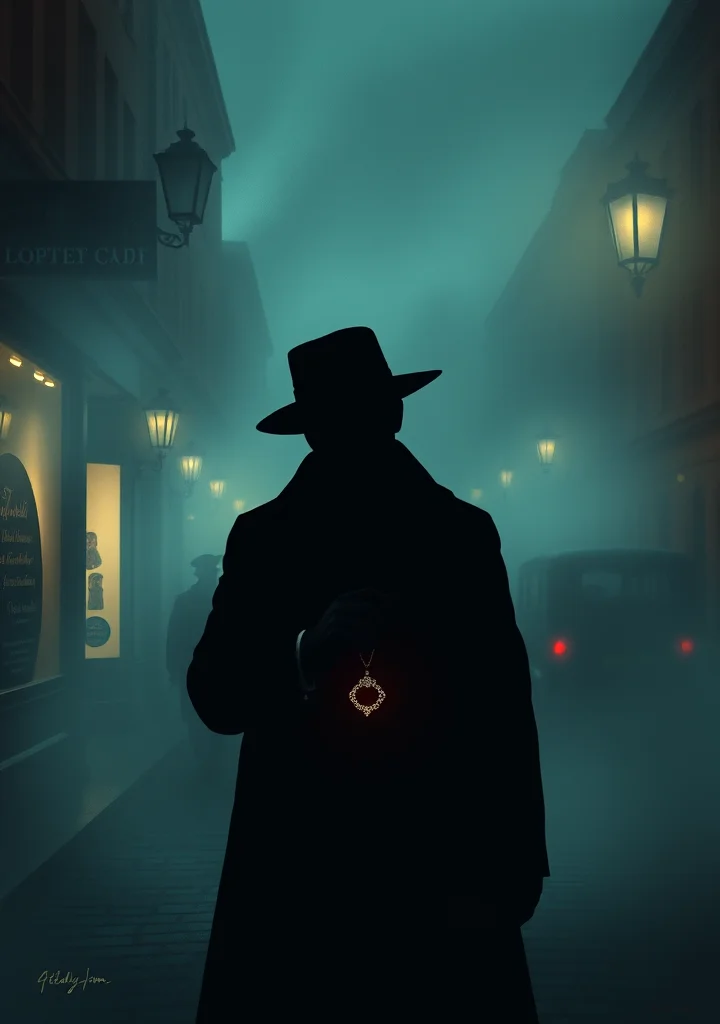
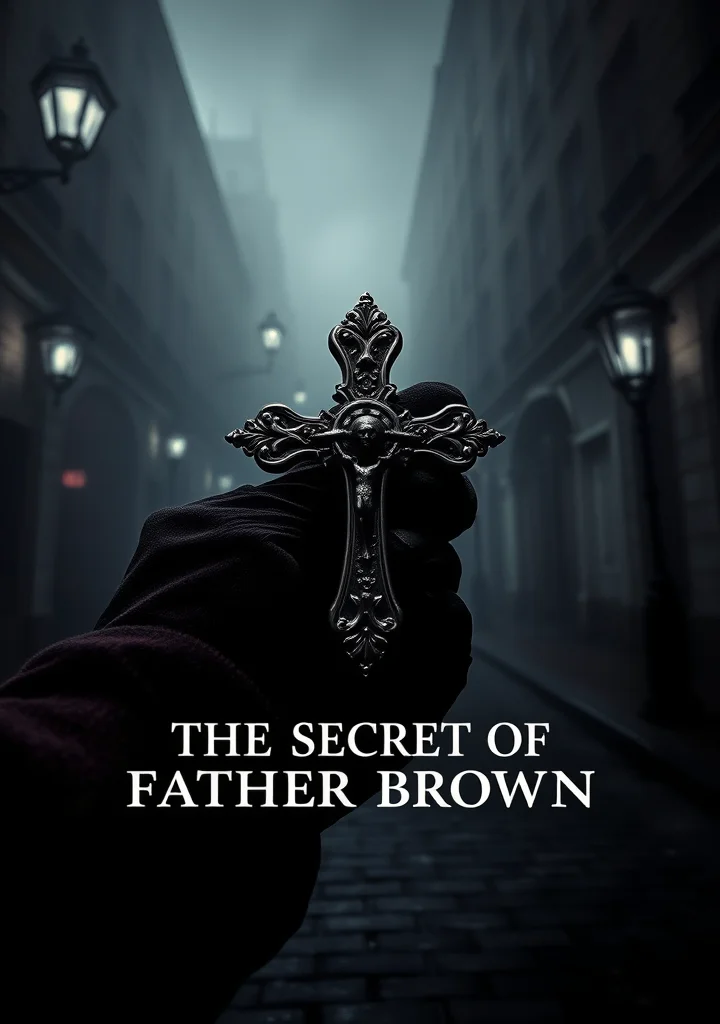
A creeping fog clings to the cobbled streets of London, mirroring the secrets held within the heart of a Catholic priest. Father Brown, unassuming and gentle, is a confessor to a world steeped in shadow, where guilt festers beneath the veneer of respectability. Each case unravels not with deduction, but with a quiet understanding of human frailty – the precise tremor of a lie, the weight of unspoken grief. The narrative winds through dimly lit parlors, echoing confessionals, and the oppressive silence of country estates, haunted by the ghosts of avarice and desperation. A subtle rot permeates the lives of the gentry, revealed in stolen glances and murmured accusations. The true terror isn't in the act of murder, but in the insidious decay of morality, laid bare by Brown's uncanny ability to discern the darkness within even the most pious souls. A creeping dread settles with each revelation, not of *who* committed the crime, but *why* – a chilling testament to the corruption that blooms in the fertile soil of human pride. The air itself tastes of ash and regret, and the solutions come not from brilliance, but from the slow, agonizing realization of grace lost.
Copyright: Public Domain
This license allows anyone to use your story for any purpose, including printing, selling, or adapting it into a film freely.
Recommended for you
24 Part
A creeping dread clings to the stone of Fontainebleau, where whispers of fallen dynasties and spectral courts haunt the shadowed galleries. This is a story exhaled from the very dust of France, a slow poison of memory and ambition. The Fifth Queen, a phantom born of regicide and desperate lineage, is not sought amongst the living, but within the decaying grandeur of a palace built upon secrets. Each gilded room breathes with the weight of betrayals, each tapestry unravels a legacy of blood and stolen crowns. The narrative is a descent into fractured histories, a labyrinth of unreliable accounts and echoing obsessions. A man, driven by a fevered quest to legitimize his lineage, unravels not glory, but a rot of the soul. The air is thick with the scent of lilies and decay, the chill of marble floors mirroring the icy detachment of those who claim the throne. It is a tale of possession—not of kingdoms, but of minds. The phantom queen’s influence seeps into the present, twisting loyalties and blurring the lines between reality and the fevered dreams of a man consumed by his own ancestry. The castle itself is a character, a suffocating womb of stone and shadow where the past doesn’t merely linger, but *breathes*—a suffocating, glacial presence that promises to drown all those who dare to seek its secrets within its cold embrace. A darkness, not of the supernatural, but of something far more human and insidious, waits within the ornate chambers.
16 Part
Dust motes dance in the violet light filtering through the orbital glass of Aptor, a city built on the bones of forgotten gods and fueled by the psychic residue of fractured realities. Here, amongst the chrome-slicked spires and the echoing, hollowed-out plazas, the jewels are not gems of wealth, but fragments of memory—stolen glimpses of past lives woven into the very fabric of the city’s decaying architecture. Each stone pulses with a stolen emotion, a lost identity, and the pursuit of these fragments consumes the fractured elite who haunt the higher levels. The air itself is thick with regret, a constant, low thrum of sorrow that clings to the skin like a second shadow. Every reflection is a betrayal, every conversation a veiled transaction in fractured histories. Beneath the polished surfaces, a labyrinth of abandoned levels stretches into a suffocating darkness—a place where the city’s discarded memories fester and the ghosts of Aptor’s architects whisper their broken designs into the static-filled air. A slow rot permeates everything, not of decay, but of *remembering*. The jewels aren't just found, they're *unlocked* from those who've lost themselves in the city's endless halls. To possess one is to inherit a fragment of another’s life, a burden of stolen consciousness that threatens to unravel the self. The closer one gets to the heart of Aptor, to the source of the jewels' power, the more the boundaries between memory and reality blur, and the more one risks becoming nothing more than another echo in the city’s haunting symphony of loss. The city doesn't just watch its inhabitants fall apart—it *remembers* their disintegration.
42 Part
A creeping dread clings to the Irish coast, thick as the bog mire that swallows men whole. Stephens weaves a tale not of heaven or hell, but of the liminal spaces between, where the remnants of ancient, pagan deities bleed into the fractured lives of mortals. The narrative unfolds within a suffocating village steeped in superstition, where whispers of forgotten gods stir in the peat smoke and the sea’s cold breath carries the scent of something older than time. Each character is a fractured vessel—a priest haunted by visions, a woman possessed by a spectral sorrow, a boy touched by the cold hand of the otherworld. Their desires, their failures, their very breaths seem drawn from the decaying grandeur of a lost age. The world isn’t simply haunted; it *is* haunting—a slow rot of the soul mirroring the crumbling stone circles and the drowned chapels swallowed by the relentless tide. The prose itself feels like unearthed bone, brittle and cold, layered with the scent of brine and decay. Stephens doesn’t offer salvation, only a glimpse into the echoing emptiness where the gods once walked, leaving behind only echoes of their power and the lingering stain of their absence. It’s a world where the boundaries between reality and nightmare blur, where every shadow holds a watchful eye, and the very earth seems to breathe with a mournful, forgotten hunger. The air tastes of salt and regret, and the story unfolds like a slow, inexorable drowning in the grey light of a dying world.
44 Part
A pall of perpetual grey descends upon the cobbled streets of Villette, mirroring the stifled grief that clings to Lucy Snowe like a shroud. This is not a tale of grand passions, but of a woman’s soul meticulously constructed within the confines of a foreign city, a fortress built against loneliness and the phantom ache of a lost past. The narrative unfolds in shadowed classrooms and the hushed reverence of a Protestant chapel, steeped in a melancholic stillness that breeds secrets. Every glance, every shared breath, is measured, weighed down by an unspoken tension that coils within the very walls of the pensionnat. A city of locked rooms and watchful eyes, Villette breathes with the scent of damp stone and decaying lace. The air is thick with the unspoken desires of its inhabitants, their suppressed longings echoing in the corridors. A spectral presence haunts the periphery—the ghostly figure of a doctor, a feverish delirium, and the chilling weight of a past trauma that threatens to unravel Lucy’s carefully ordered existence. Here, beneath the oppressive weight of convention, a fragile bloom of self-possession takes root, blossoming amidst the decay. But even in this quiet flowering, a sense of dread lingers—a premonition of a final, devastating reckoning where the boundaries between reality and illusion blur, leaving Lucy suspended between salvation and utter dissolution, forever marked by the shadows of Villette. The city itself becomes a character, breathing with a suffocating intensity, a prison of the heart veiled in perpetual twilight.