
-
Read 635
-
0
-
Part 47
Completed, First published Mar 02, 2026
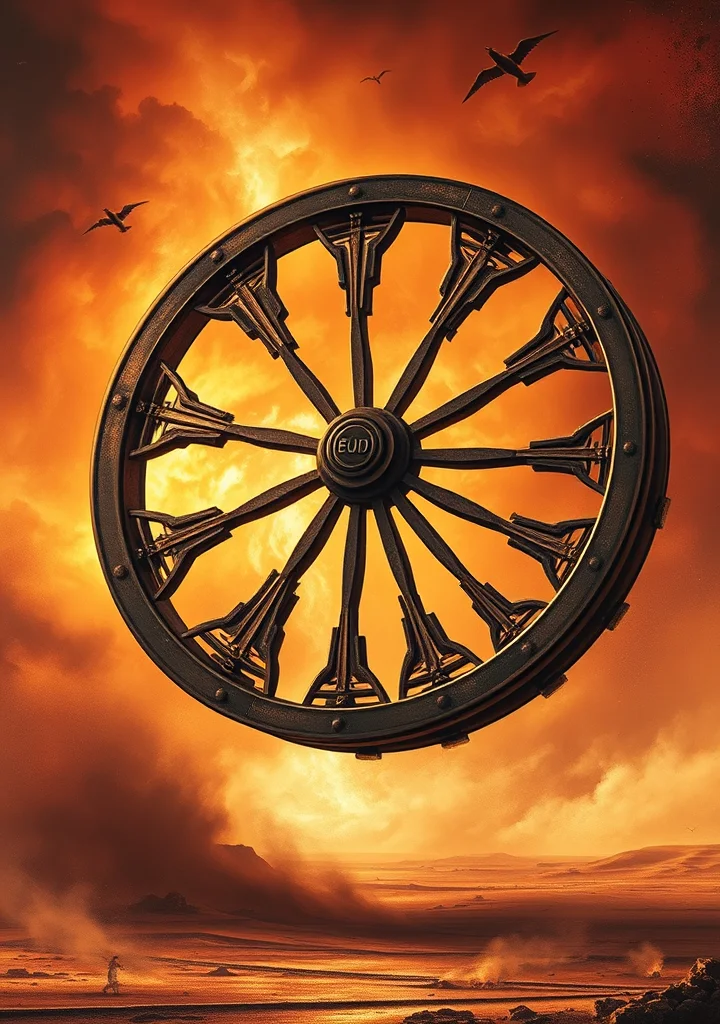
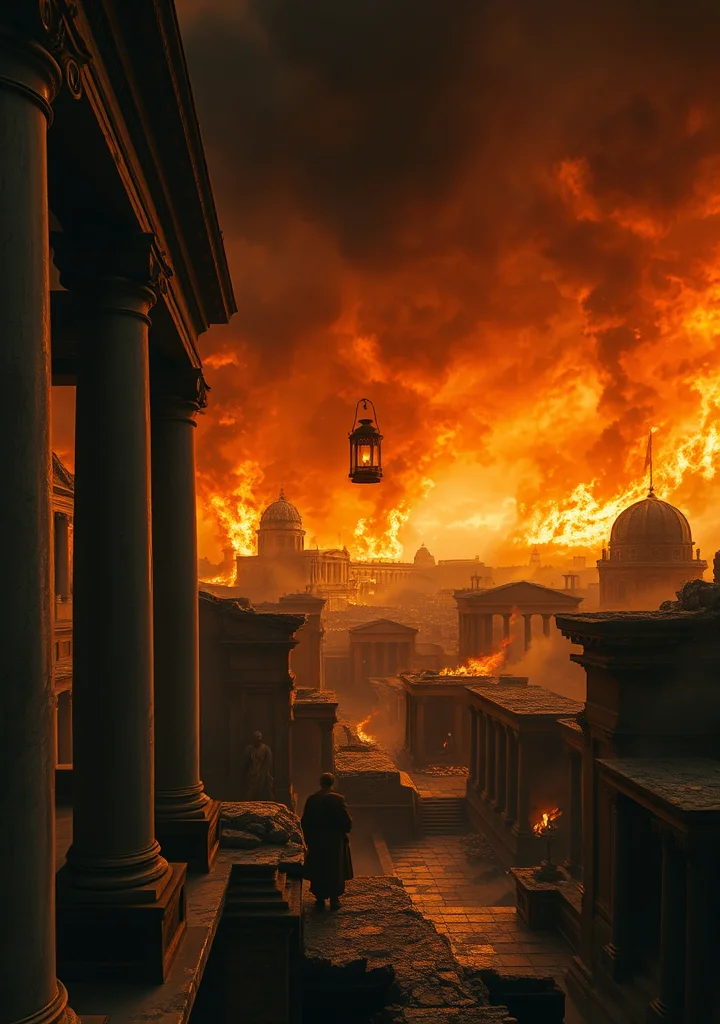
A suffocating heat clings to the pages, thick with the dust of forgotten gods and the scent of brine. Kuprin’s *Yama* doesn’t offer a narrative of simple prisons, but of a slow, deliberate drowning in the stagnant pools of human desperation. The barracks, a festering wound in the heart of a decaying empire, breathe with a life of their own—a malignant sentience born of brutality and boredom. Each man within, a fractured shard of a broken world, is bound not by iron and stone, but by the weight of their own failures, each transgression a silent, festering rot.
The prose itself is a mire, pulling you down into the rankness of the guardhouse’s perpetual twilight. There’s no escape, not even in the fevered dreams of the condemned. The air vibrates with the low hum of simmering violence, the casual cruelty a constant, gnawing ache. It isn’t a story of *what* happens, but *how* it feels—the slick, metallic taste of fear on the tongue, the way the shadows stretch and contort into mocking faces. The faces themselves are ghosts, hollowed by regret and the gnawing certainty of oblivion.
This isn't a tale of justice, or even injustice, but of a surrender to the inevitable, the slow dissolution of self within the suffocating geometry of the barracks. The walls weep with the stories of men swallowed whole by their own despair, and the stench of their decay lingers long after the last page is turned. The novel doesn't merely show you the darkness; it forces you to breathe it.
Copyright: Public Domain
This license allows anyone to use your story for any purpose, including printing, selling, or adapting it into a film freely.
This license allows anyone to use your story for any purpose, including printing, selling, or adapting it into a film freely.
Chapter List
-
« Yama »📖 Continue Reading
-
« Chapter_3 »
-
« Author’s Dedication »
-
« Translator’s Dedication »
-
« Introduction »
-
« Translator’s Note »
-
« Yama »
-
« I »
-
« II »
-
« III »
-
« IV »
-
« V »
-
« VI »
-
« VII »
-
« VIII »
-
« IX »
-
« X »
-
« XI »
-
« XII »
-
« XIII »
-
« I »
-
« II »
-
« III »
-
« IV »
-
« V »
-
« VI »
-
« VII »
-
« VIII »
-
« IX »
-
« X »
-
« XI »
-
« XII »
-
« XIII »
-
« XIV »
-
« XV »
-
« XVI »
-
« XVII »
-
« I »
-
« II »
-
« III »
-
« IV »
-
« V »
-
« VI »
-
« VII »
-
« VIII »
-
« IX »
-
« Author’s Postscript »
47
-
« Yama »
-
« Chapter_3 »
-
« Author’s Dedication »
-
« Translator’s Dedication »
-
« Introduction »
-
« Translator’s Note »
-
« Yama »
-
« I »
-
« II »
-
« III »
-
« IV »
-
« V »
-
« VI »
-
« VII »
-
« VIII »
-
« IX »
-
« X »
-
« XI »
-
« XII »
-
« XIII »
-
« I »
-
« II »
-
« III »
-
« IV »
-
« V »
-
« VI »
-
« VII »
-
« VIII »
-
« IX »
-
« X »
-
« XI »
-
« XII »
-
« XIII »
-
« XIV »
-
« XV »
-
« XVI »
-
« XVII »
-
« I »
-
« II »
-
« III »
-
« IV »
-
« V »
-
« VI »
-
« VII »
-
« VIII »
-
« IX »
-
« Author’s Postscript »
More like this