
-
Read 612
-
0
-
Part 45
Completed, First published Mar 02, 2026
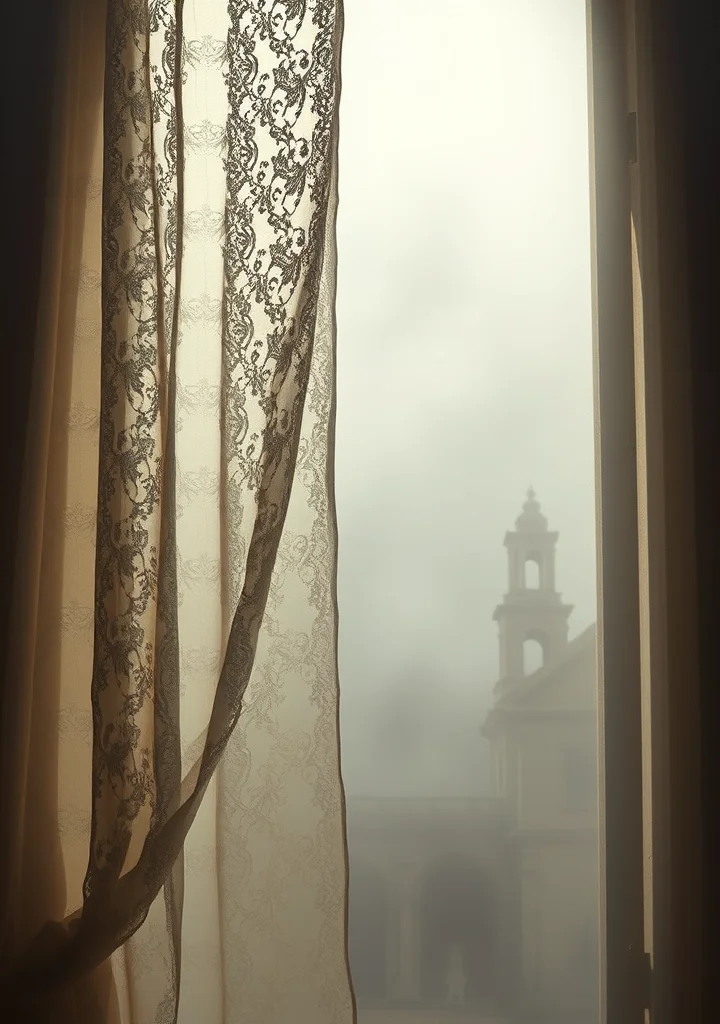
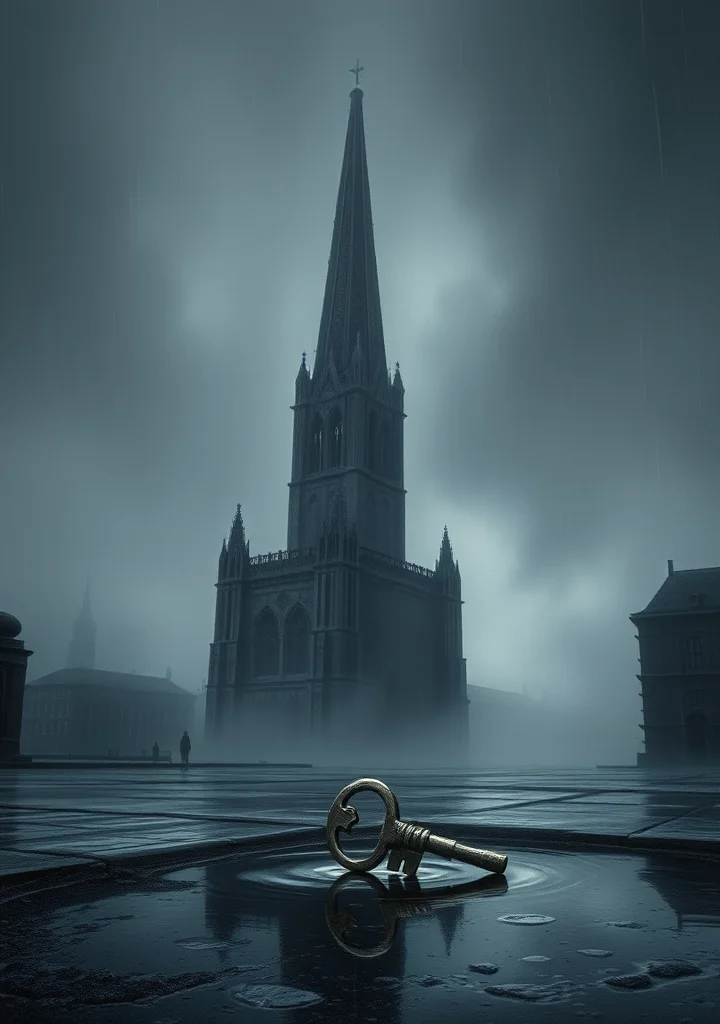
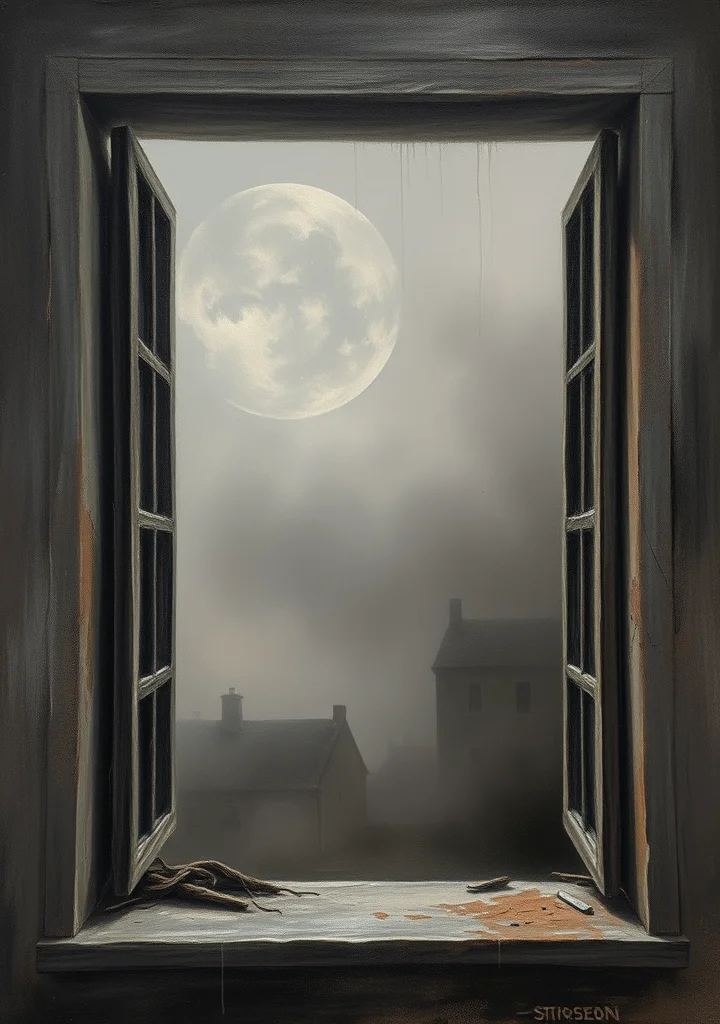
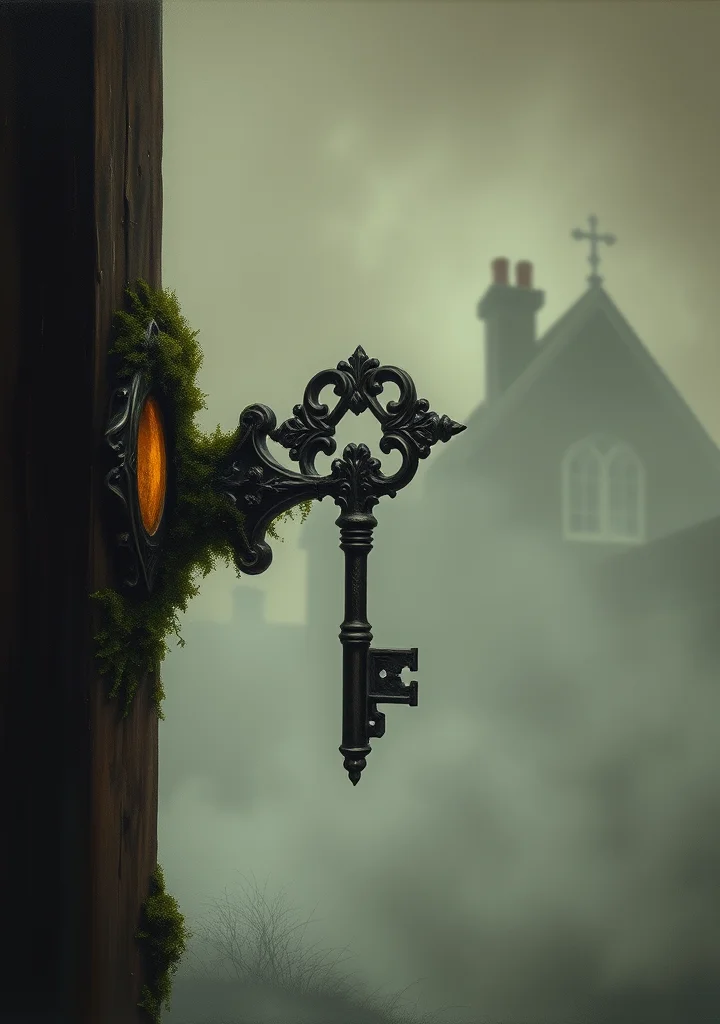
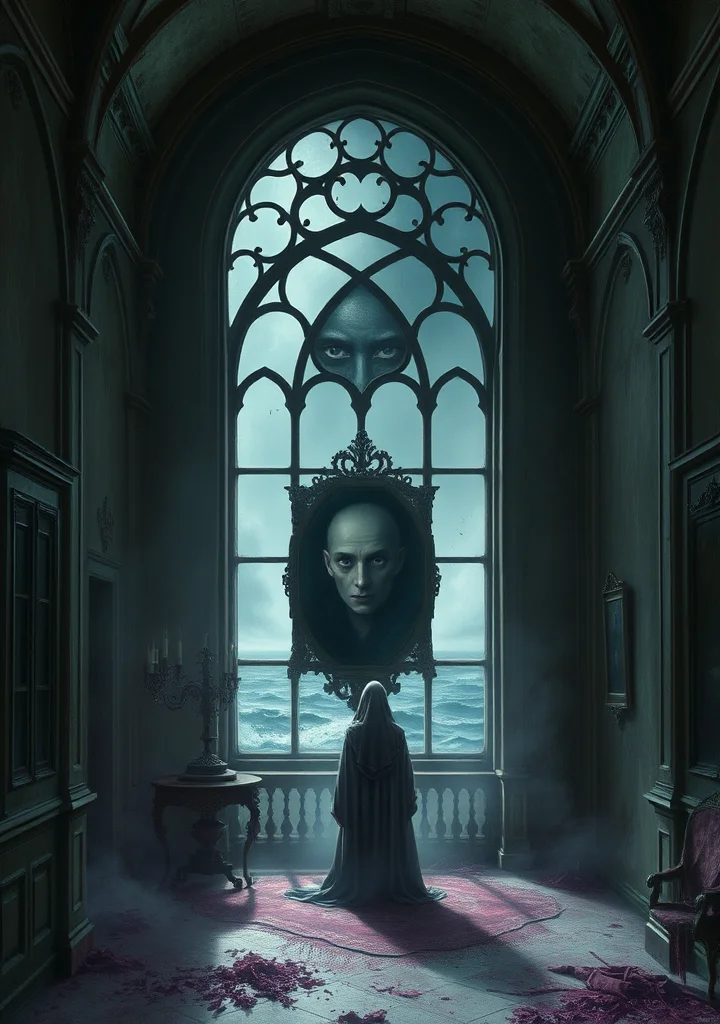
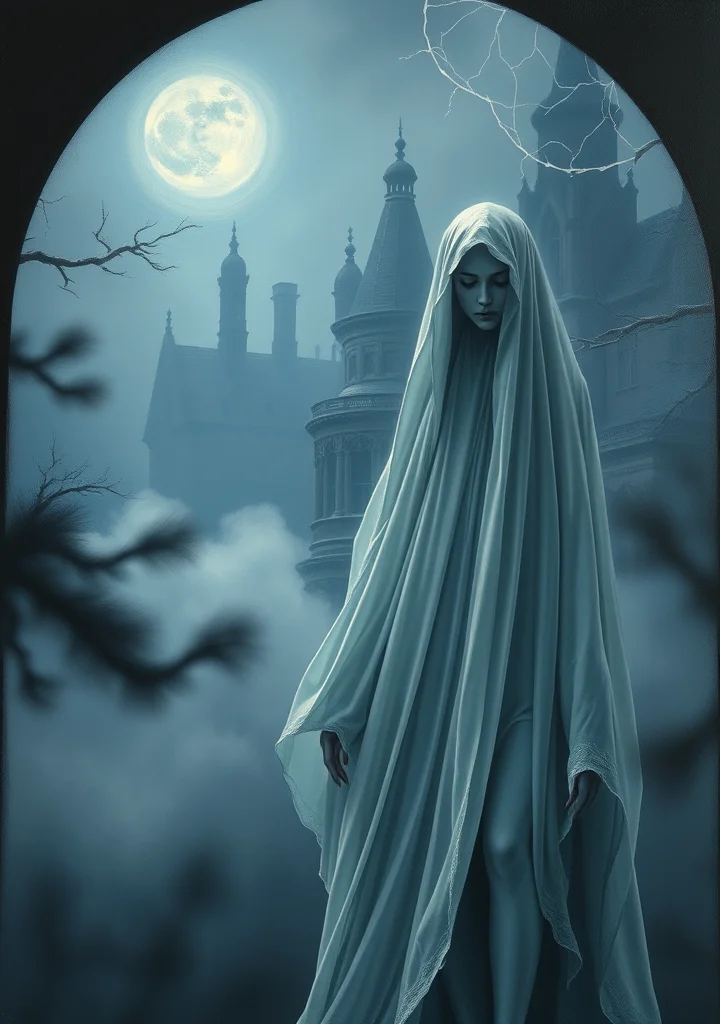
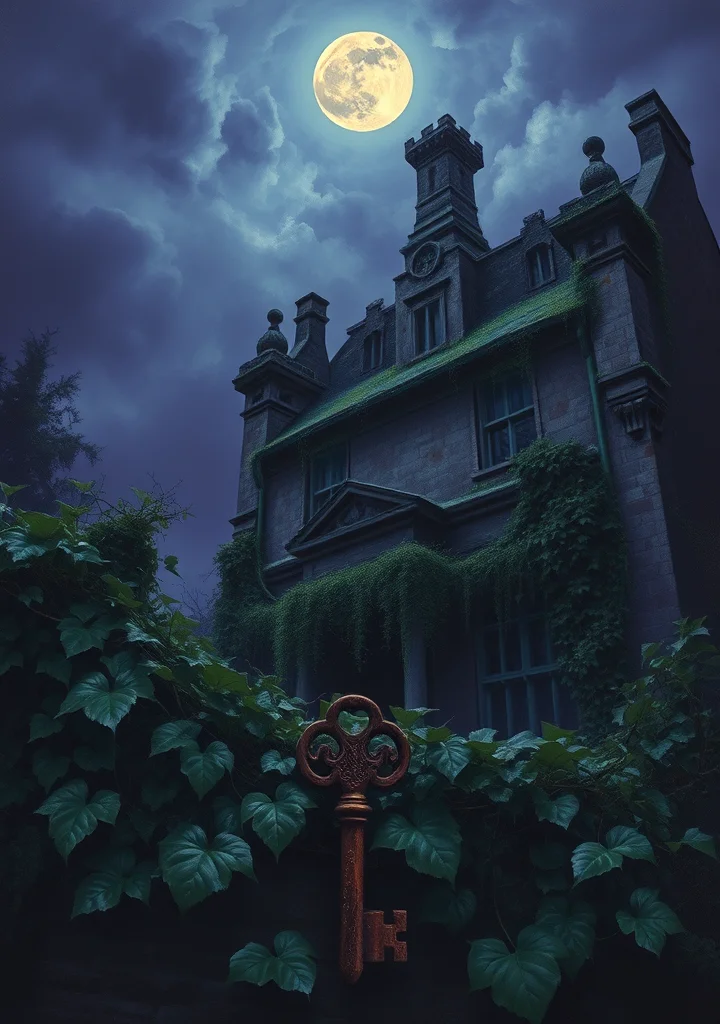
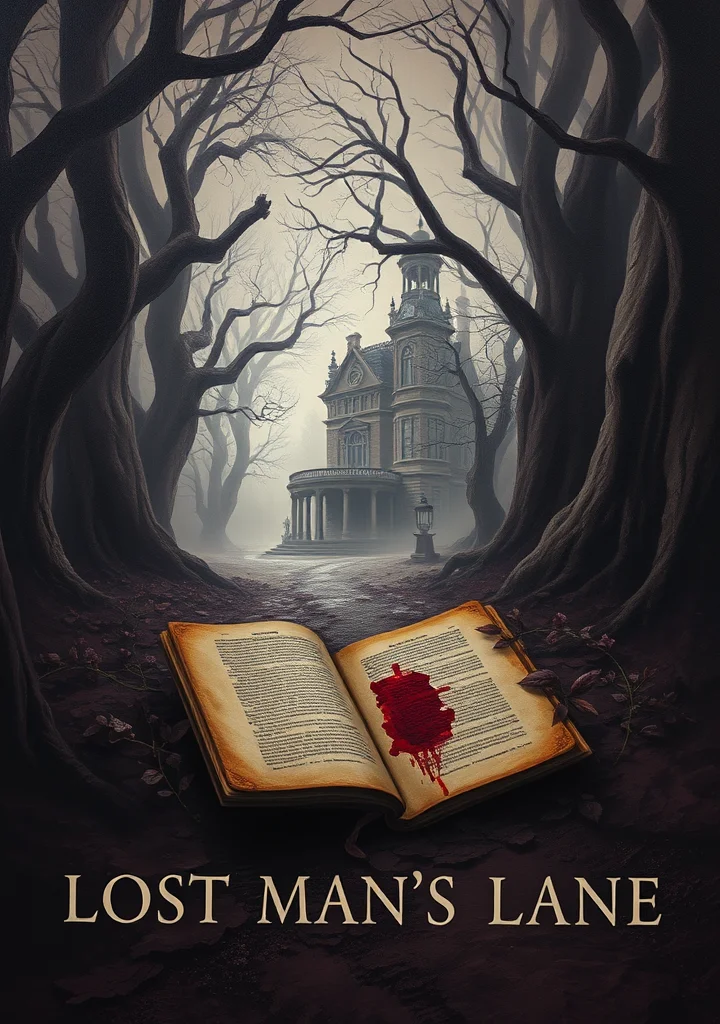
A suffocating mist clings to Lost Man’s Lane, a ribbon of shadowed dirt winding through the decaying grandeur of the Van Alstyne estate. The air hangs thick with the scent of damp earth and forgotten things – a perfume of regret and lingering dread. Here, amidst crumbling stone and overgrown ivy, a disappearance unravels not as a simple vanishing, but as a slow erosion of truth. The narrative unfolds in fragments, whispers overheard through warped floorboards and shadowed windows. Each encounter feels weighted with unspoken accusations, the very stones of the Van Alstyne manor seeming to observe with silent judgment.
A claustrophobic sense of confinement pervades; not just of place, but of circumstance. The characters move like moths drawn to a flickering flame, each harboring secrets within their shadowed hearts. The Lane itself seems to breathe, exhaling fragments of the past, twisting the present into a macabre echo of former lives. The narrative is less a straightforward investigation and more a descent into a labyrinth of inherited despair, where the boundaries between victim and perpetrator blur in the gathering gloom. Every rustle of leaves, every creak of a weathered door, promises a revelation steeped in the rot of family legacy and the chilling weight of what remains unsaid. A sense of inescapable finality permeates the atmosphere, suggesting that some losses leave not only a void, but a haunting claim upon those left behind.
Copyright: Public Domain
This license allows anyone to use your story for any purpose, including printing, selling, or adapting it into a film freely.
This license allows anyone to use your story for any purpose, including printing, selling, or adapting it into a film freely.
Chapter List
-
« Lost Man’s Lane »📖 Continue Reading
-
« Chapter_3 »
-
« Preface »
-
« Lost Man’s Lane »
-
« I »
-
« II »
-
« III »
-
« IV »
-
« V »
-
« VI »
-
« VII »
-
« VIII »
-
« IX »
-
« X »
-
« XI »
-
« XII »
-
« XIII »
-
« XIV »
-
« XV »
-
« XVI »
-
« XVII »
-
« XVIII »
-
« XIX »
-
« XX »
-
« XXI »
-
« XXII »
-
« XXIII »
-
« XXIV »
-
« XXV »
-
« XXVI »
-
« XXVII »
-
« XXVIII »
-
« XXIX »
-
« XXX »
-
« XXXI »
-
« XXXII »
-
« XXXIII »
-
« XXXIV »
-
« XXXV »
-
« XXXVI »
-
« XXXVII »
-
« XXXVIII »
-
« XXXIX »
-
« XL »
-
« Chapter_50 »
45
-
« Lost Man’s Lane »
-
« Chapter_3 »
-
« Preface »
-
« Lost Man’s Lane »
-
« I »
-
« II »
-
« III »
-
« IV »
-
« V »
-
« VI »
-
« VII »
-
« VIII »
-
« IX »
-
« X »
-
« XI »
-
« XII »
-
« XIII »
-
« XIV »
-
« XV »
-
« XVI »
-
« XVII »
-
« XVIII »
-
« XIX »
-
« XX »
-
« XXI »
-
« XXII »
-
« XXIII »
-
« XXIV »
-
« XXV »
-
« XXVI »
-
« XXVII »
-
« XXVIII »
-
« XXIX »
-
« XXX »
-
« XXXI »
-
« XXXII »
-
« XXXIII »
-
« XXXIV »
-
« XXXV »
-
« XXXVI »
-
« XXXVII »
-
« XXXVIII »
-
« XXXIX »
-
« XL »
-
« Chapter_50 »
More like this