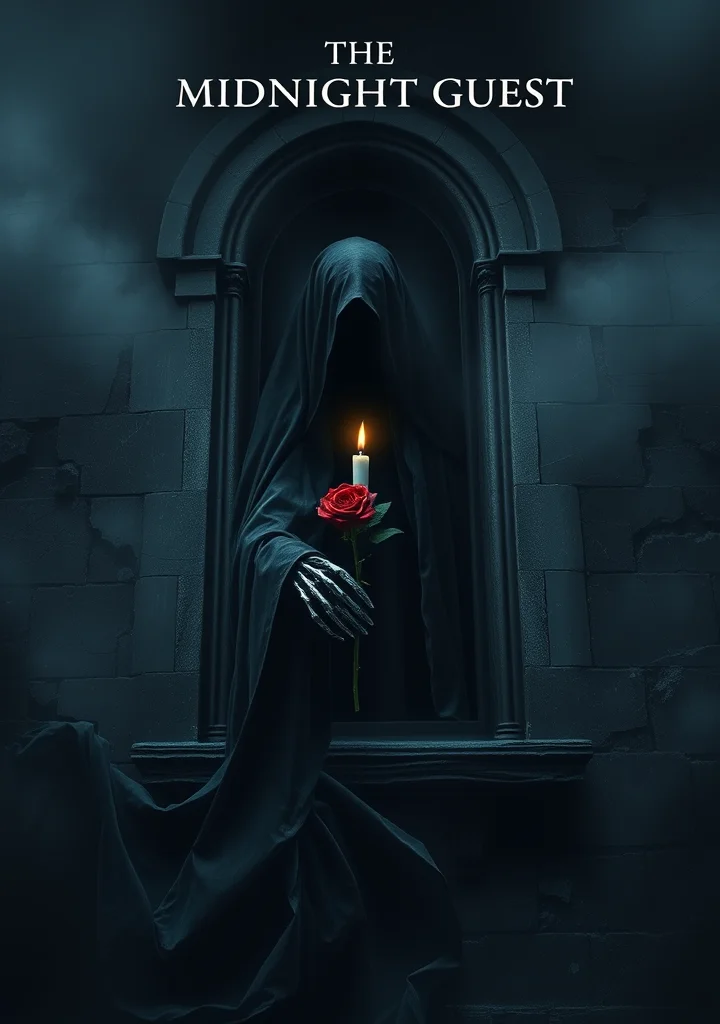

The Midnight Guest
  • 272
  • 0
  • 48
  • Reads 272
  • 0
  • Part 48
Completed, First published Mar 02, 2026

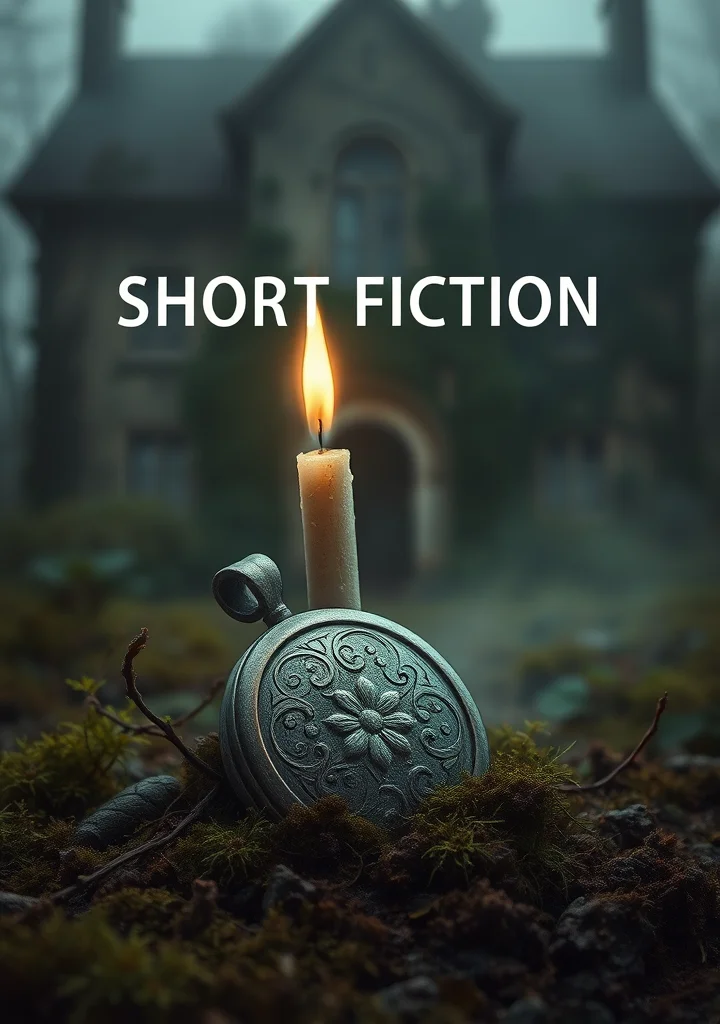
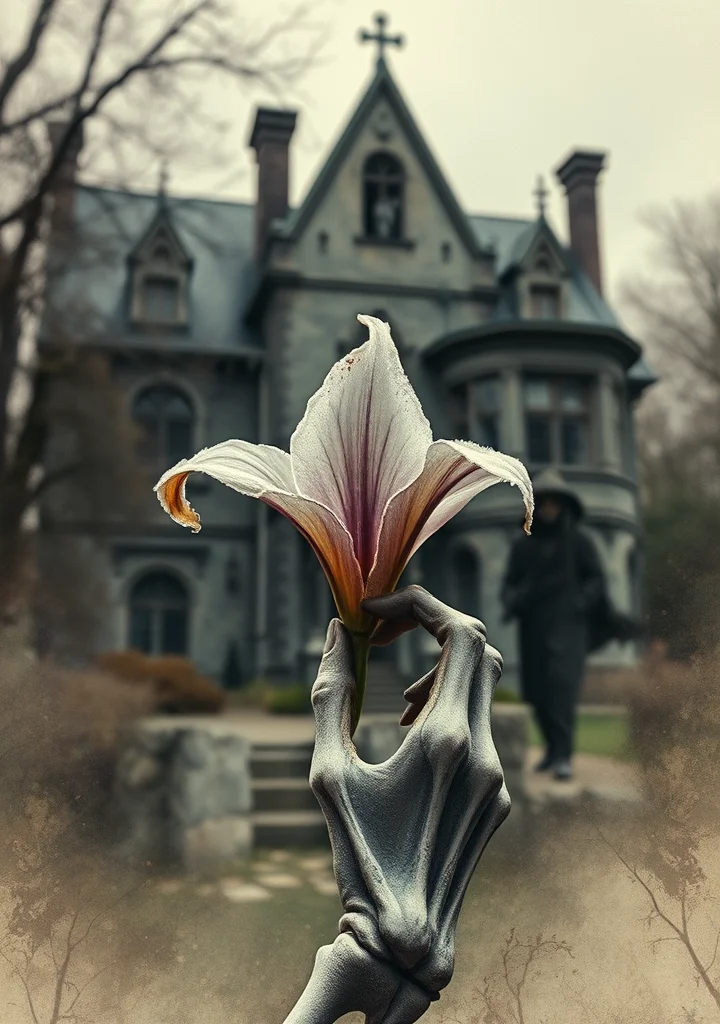
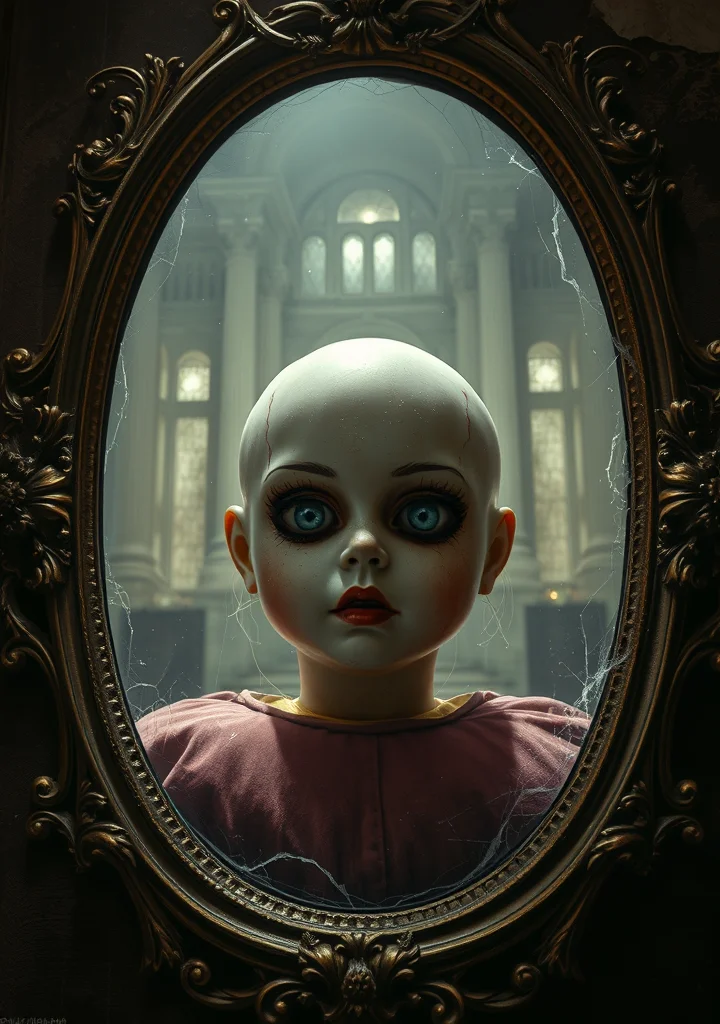
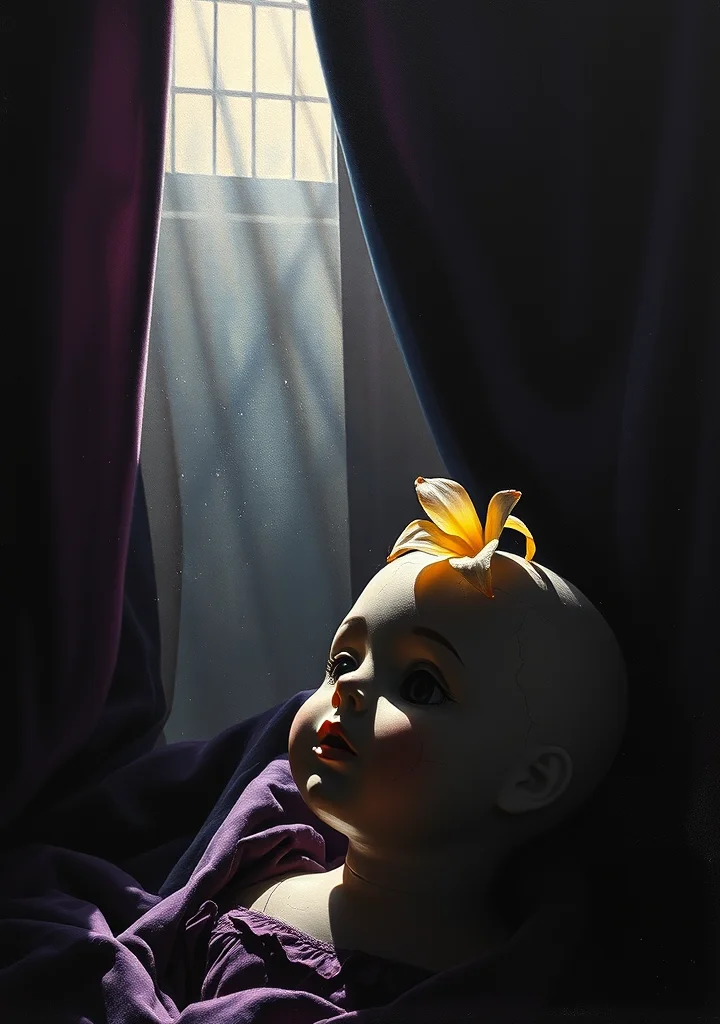
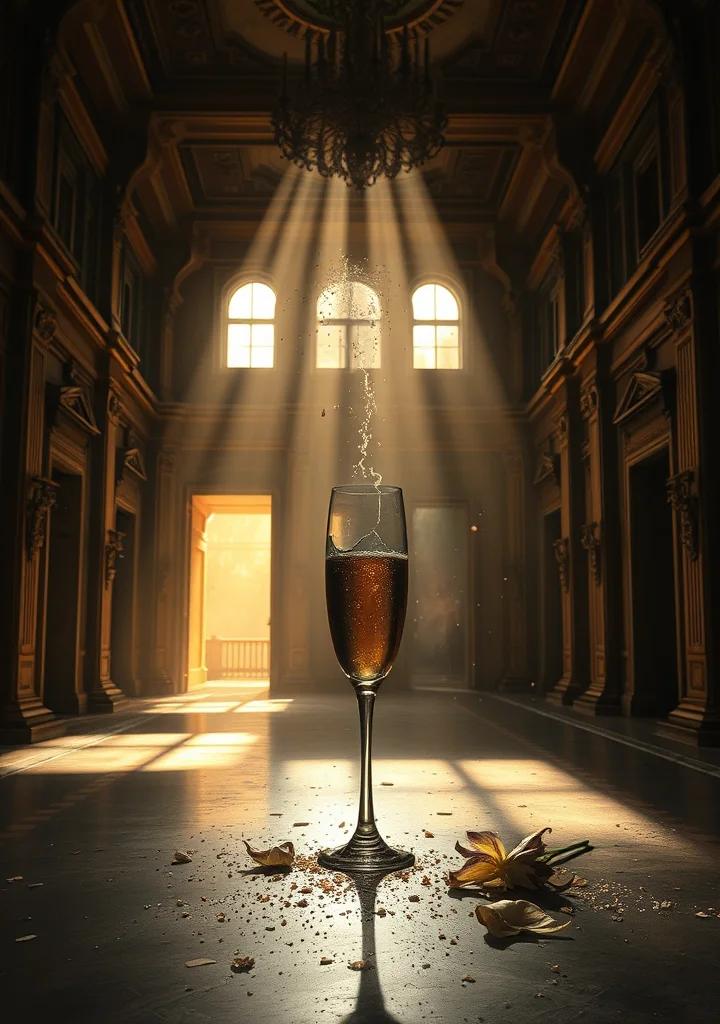
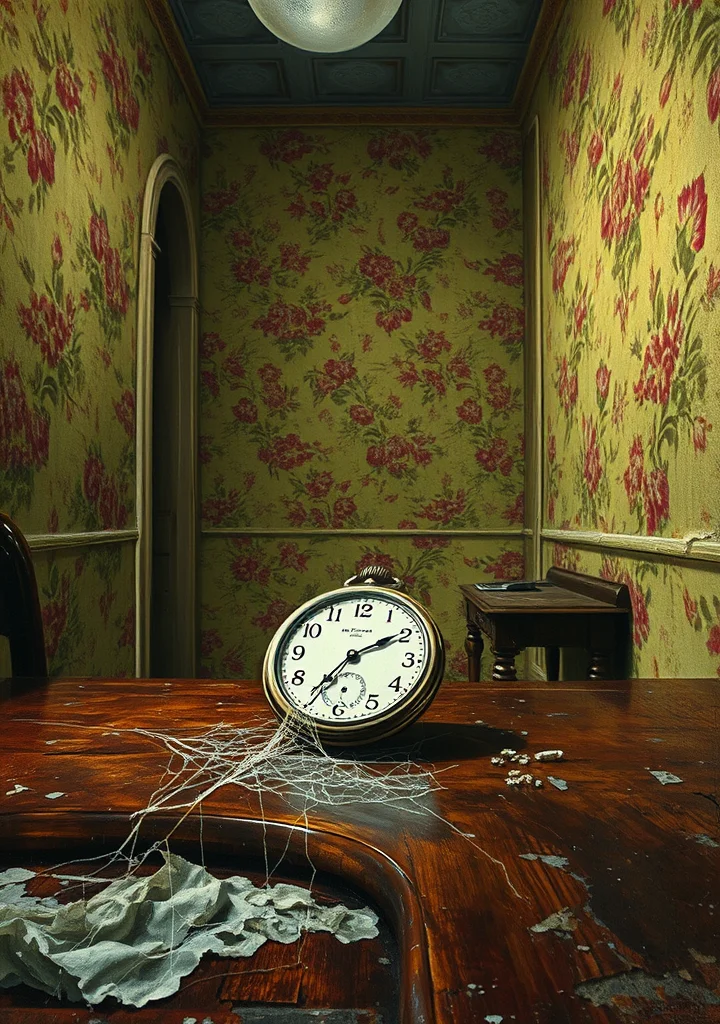
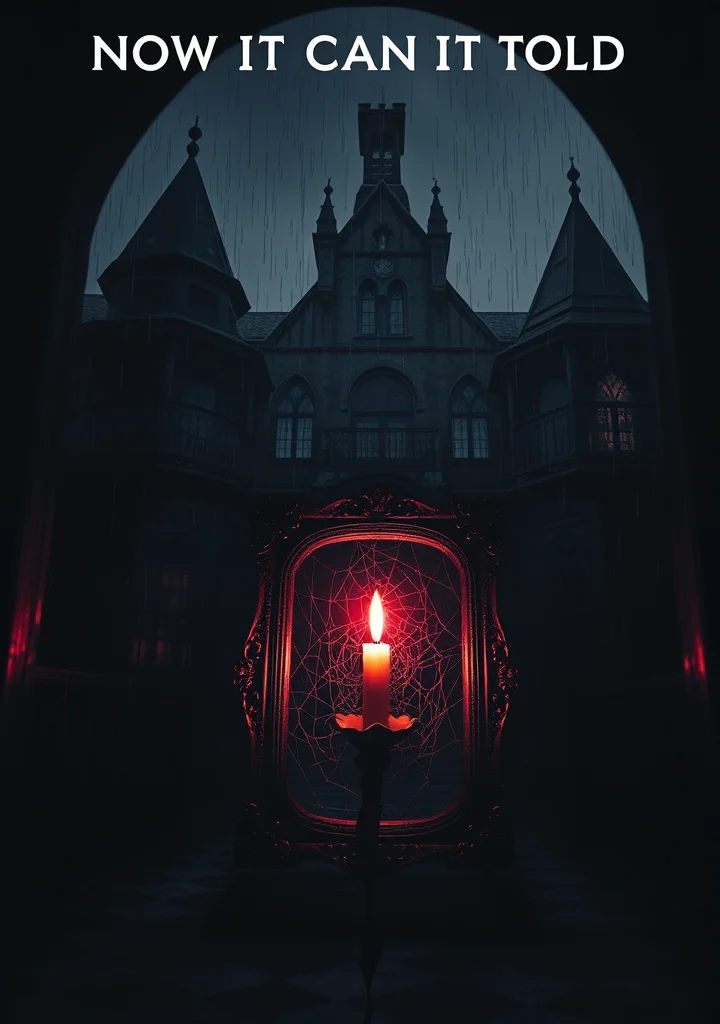
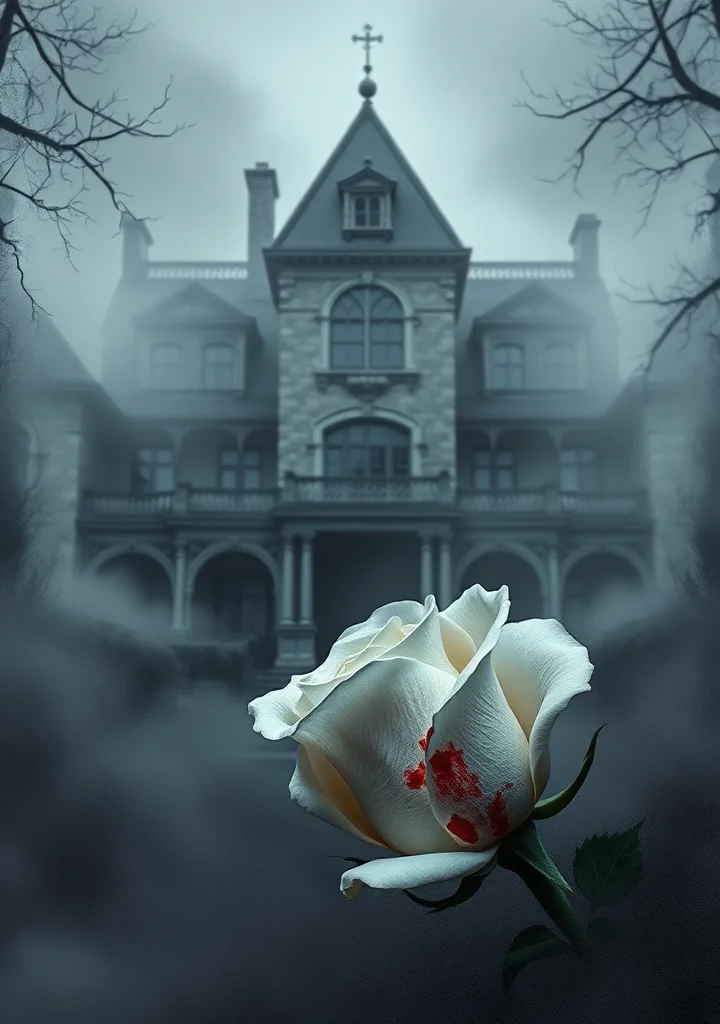
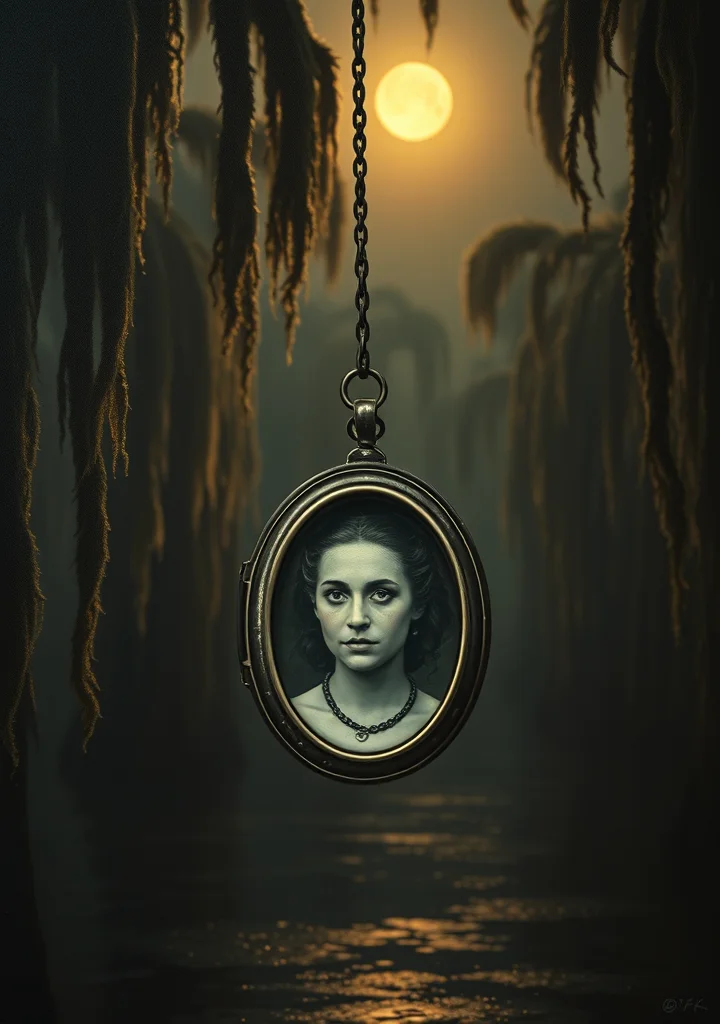
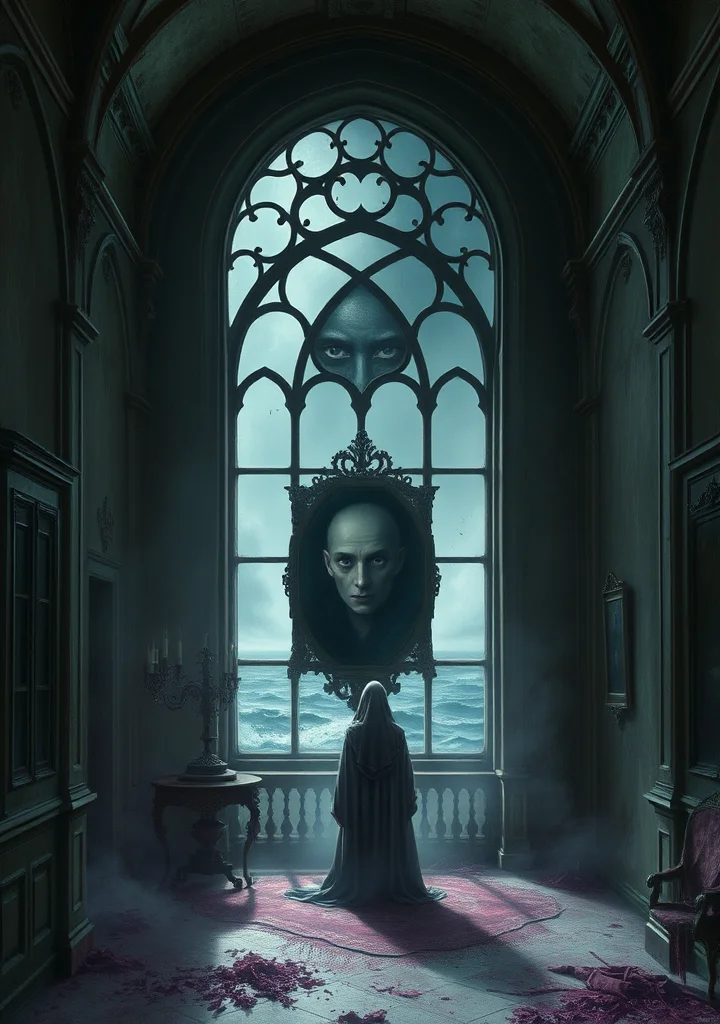
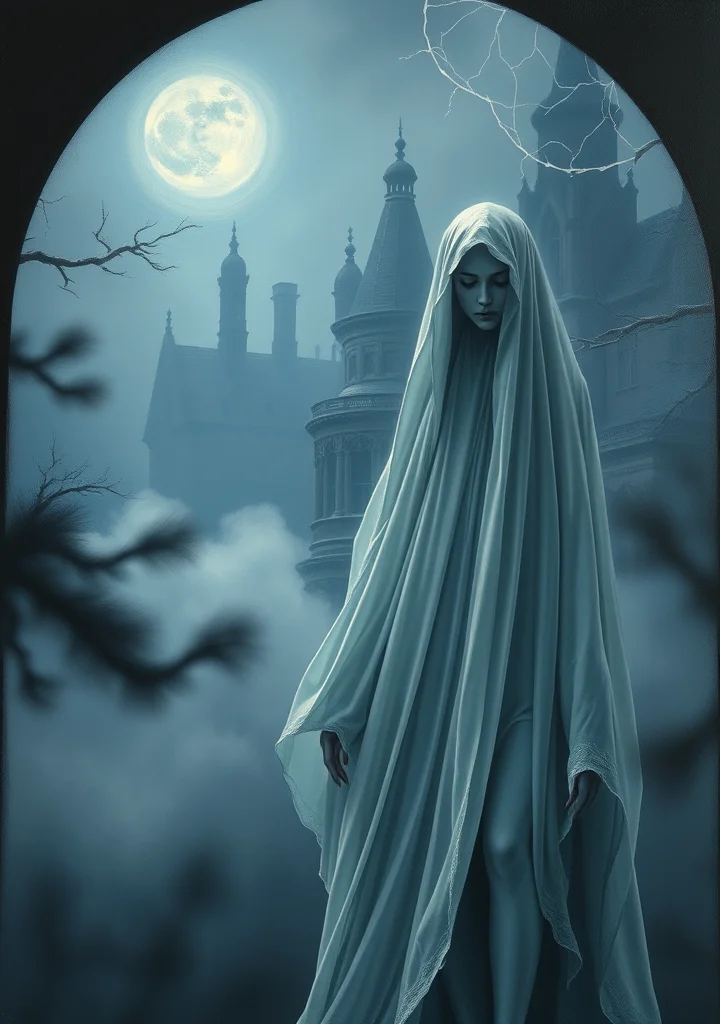
A creeping dread clings to Blackwood Manor, a crumbling edifice swallowed by perpetual twilight. Within its shadowed halls, a spectral visitor arrives with the final chime of midnight, unseen, unheard by all save the brittle, aging matriarch, Eleanor. She alone claims to converse with this phantom—a gentleman draped in mourning silks, his face obscured by shadow, his voice a whisper of frost against ancient stone. Is he a lover returned from beyond the grave, a guardian spirit, or something far more sinister drawn to Blackwood’s decaying heart? Each night, Eleanor’s sanity frays further with his chilling visits, fueled by absinthe and the scent of decay. The manor’s portraits seem to watch with hollow eyes, the very timbers groan in protest as the guest’s influence bleeds into the living world. Dust motes dance in the moonlight, revealing fleeting glimpses of his form—a hand reaching for a forgotten locket, a glimpse of a smile that promises oblivion. A suffocating stillness descends with his presence, silencing the house's long-held secrets. The air thickens with the scent of lilies and regret, a suffocating perfume that clings to every surface. He demands not gold or jewels, but memories—fragments of Blackwood’s past, offered up like bloodied roses to appease a hunger that threatens to consume Eleanor, and ultimately, the manor itself. His midnight calls are not invitations to comfort, but a slow, deliberate unraveling of a family's history, woven into a tapestry of grief and shadowed obsession.

Copyright: Public Domain
This license allows anyone to use your story for any purpose, including printing, selling, or adapting it into a film freely.
Recommended for you
61 Part
A perpetual twilight clings to the shadowed halls of Udolpho, where innocence is tested by the suffocating weight of ancestral secrets. The narrative unfolds within a labyrinth of crumbling castles and sunless forests, mirroring the fractured psyche of its heroine, Emily St. Aubert. Every echoing corridor whispers of past betrayals, every darkened chamber breathes with the icy presence of unspoken fears. A suffocating dread permeates the Italian landscape, born not of overt horror, but of insidious suspicion and the slow unraveling of sanity. The oppressive grandeur of Udolpho itself becomes a character, its vastness mirroring the boundless anxieties that consume Emily. The air is thick with the scent of decaying grandeur, and the story unfolds with the deliberate pace of a nightmare, punctuated by stolen glances, intercepted letters, and the chilling resonance of distant screams. It is a world where the boundaries between reality and hallucination blur, where the imagination, fueled by isolation and paranoia, conjures terrors far more potent than any visible threat. A creeping sense of helplessness pervades as Emily is drawn deeper into a web of familial intrigue, shadowed by the looming specter of a tyrannical uncle and the veiled machinations of those who would claim her inheritance. The narrative is steeped in a melancholic beauty, a haunting symphony of vulnerability and veiled menace, forever lingering in the half-light between revelation and despair.
22 Part
Dust motes dance in perpetual twilight within the shadowed halls of Misselton House, a boarding school steeped in the chill of London fog and the whispers of forgotten childhoods. Young Sara Crewe arrives, gilded in privilege, yet swiftly descends into a labyrinth of grey routine and stifled grief. Her father’s disappearance casts a pall over her days, mirroring the encroaching damp that clings to the stone walls and seeps into the very marrow of her bones. The narrative isn’t one of grand horrors, but of a slow, creeping despair, a brittle beauty blooming within a landscape of neglect. The grandeur of Sara’s past becomes a phantom limb, haunting her every waking moment. Each stolen moment of imagination, each ragged scrap of kindness offered in the attic, is lit by a flickering candle against the encroaching darkness. The air thickens with the scent of coal smoke and the stifled cries of lonely children, their stories swallowed by the vast, indifferent house. It’s a story not of monsters under the bed, but of the monstrous indifference of the world, and the fragile, tenacious flame of hope flickering against the wind. The very silence of the house feels alive with unspoken sorrows, and the gardens, glimpsed through frost-rimed windows, feel less like escape than extensions of a creeping, melancholic embrace. Even the smallest acts of cruelty feel like shards of glass in a winter wind, leaving Sara bleeding not with wounds, but with a chilling awareness of her own vulnerability. The world narrows to the dimensions of a forgotten room, and the narrative breathes with the same slow, suffocating rhythm as a heart breaking in the shadows.
30 Part
A suffocating stillness clings to the crumbling estate of Blackwood Manor, where whispers of inherited madness and manufactured desires coil like smoke around the brittle bones of its last inhabitants. The air hangs thick with the scent of lilies and something acrid, something *new* – the scent of molded perfection, of faces smooth as porcelain, yet hollowed by an emptiness that mirrors the decay within the manor’s walls. Young Alistair Finch arrives seeking respite, lured by tales of his aunt’s peculiar philanthropy, but finds himself instead swallowed by a society obsessed with ‘refinement.’ Here, beauty is not born, but *constructed*. Faces are remade, personalities reshaped with a chilling precision, all under the watchful gaze of Aunt Isolde, whose smile is as flawless as it is predatory. Alistair discovers the manor’s guests are not merely indulging in vanity, but submitting to a procedure – a sculpting of flesh and will – that promises eternal youth and flawless form. But beneath the polished surfaces, cracks begin to appear. The garden, a labyrinth of sculpted hedges and glass flowers, holds a dark secret: discarded ‘shells’ of those who failed to meet Isolde’s impossible standards. Alistair finds himself drawn to Clara, a woman haunted by fragments of a life she no longer remembers, her eyes mirroring the vacant stare of the mannequins that populate the manor’s shadowed halls. As Alistair unravels the truth, he discovers the price of perfection is not merely beauty, but the very essence of self. The plastic age is not an era of renewal, but of extinction, where humanity is slowly, meticulously, *molded* into oblivion.