
-
Read 294
-
0
-
Part 21
Completed, First published Mar 02, 2026
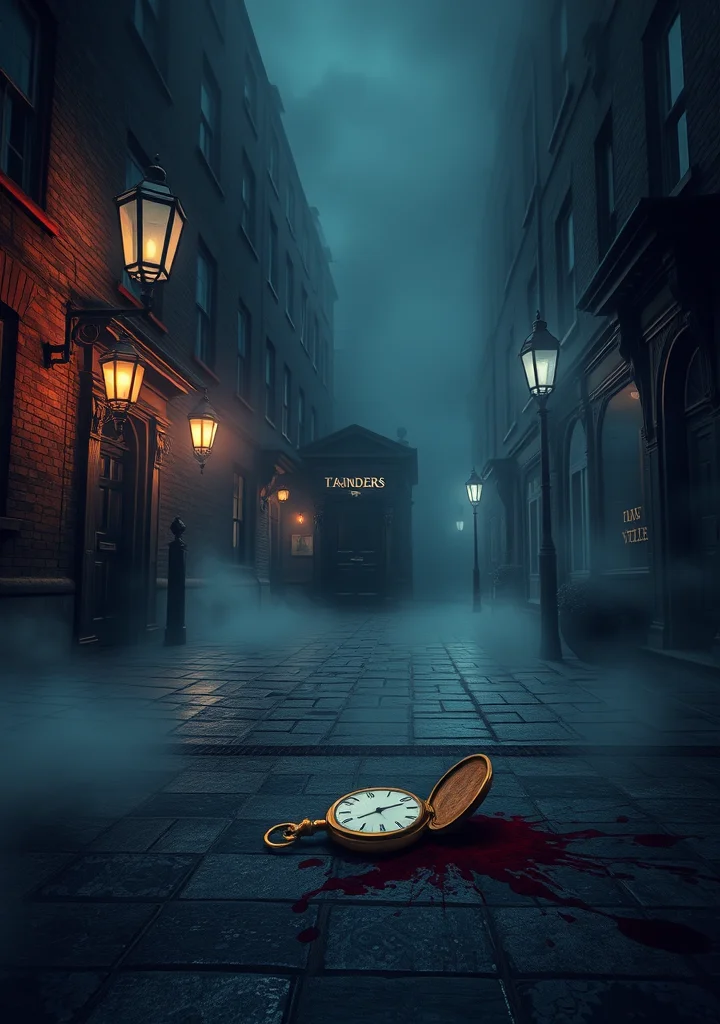
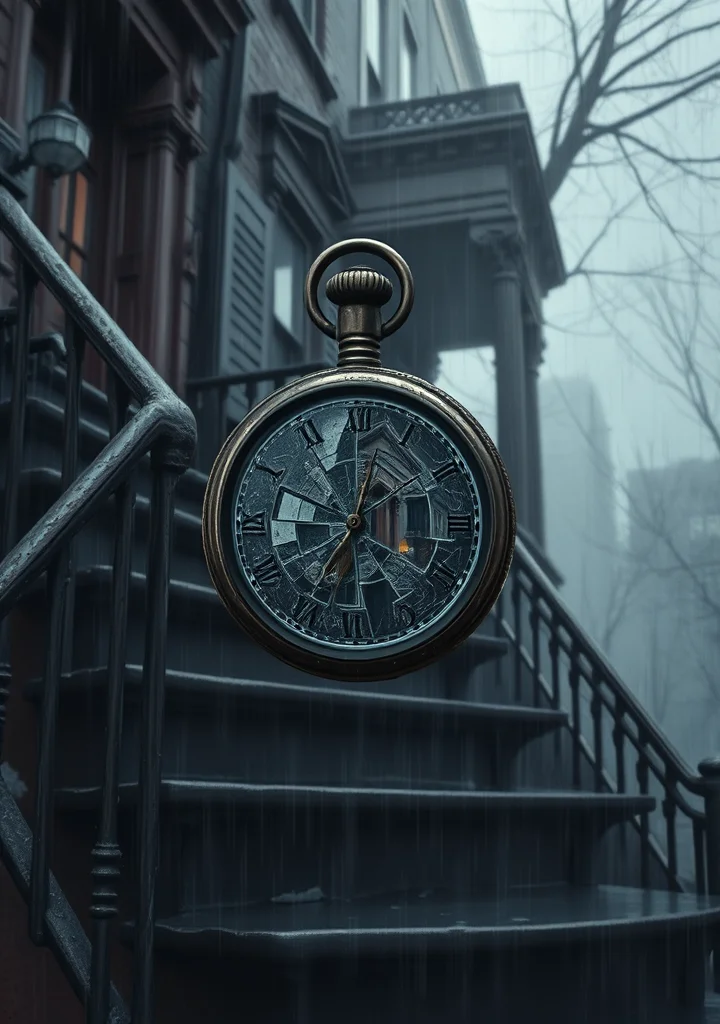
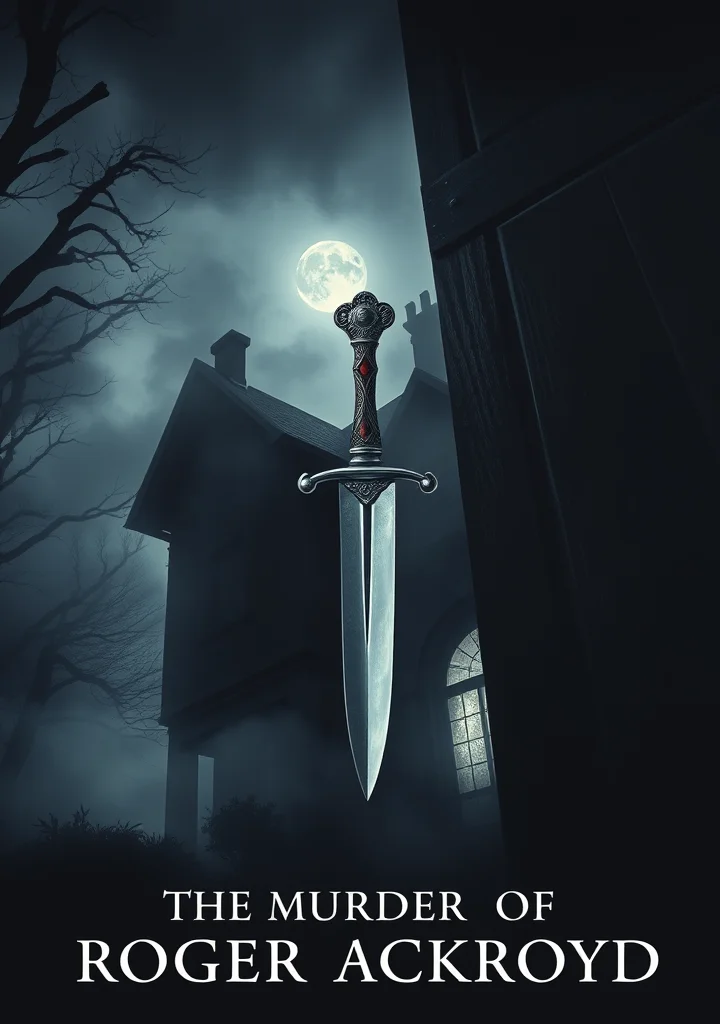
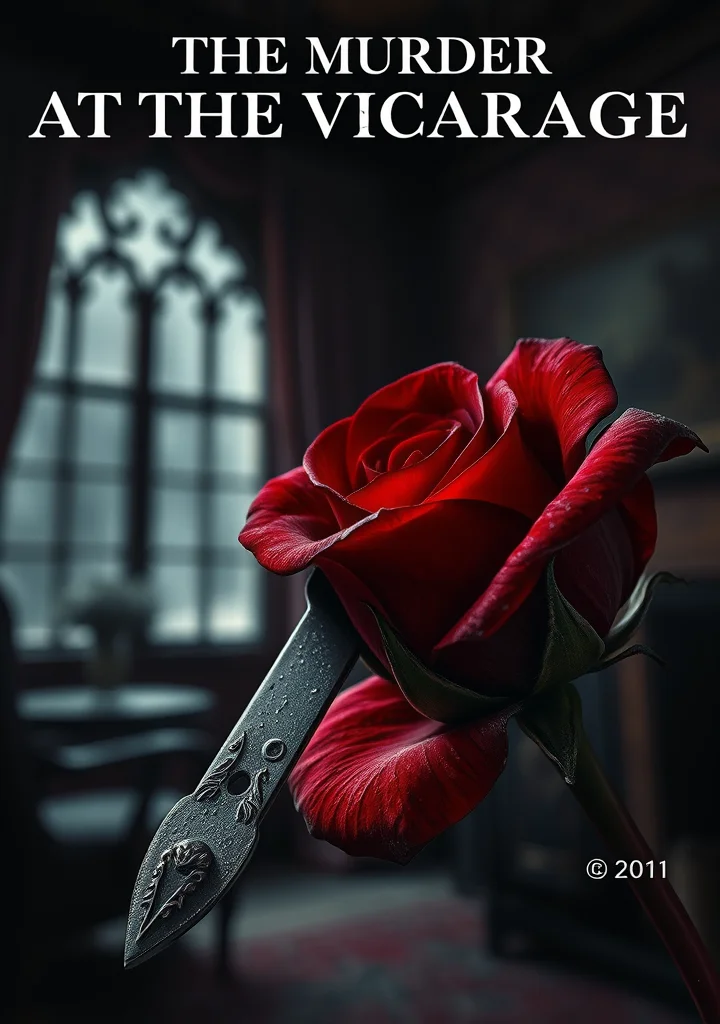
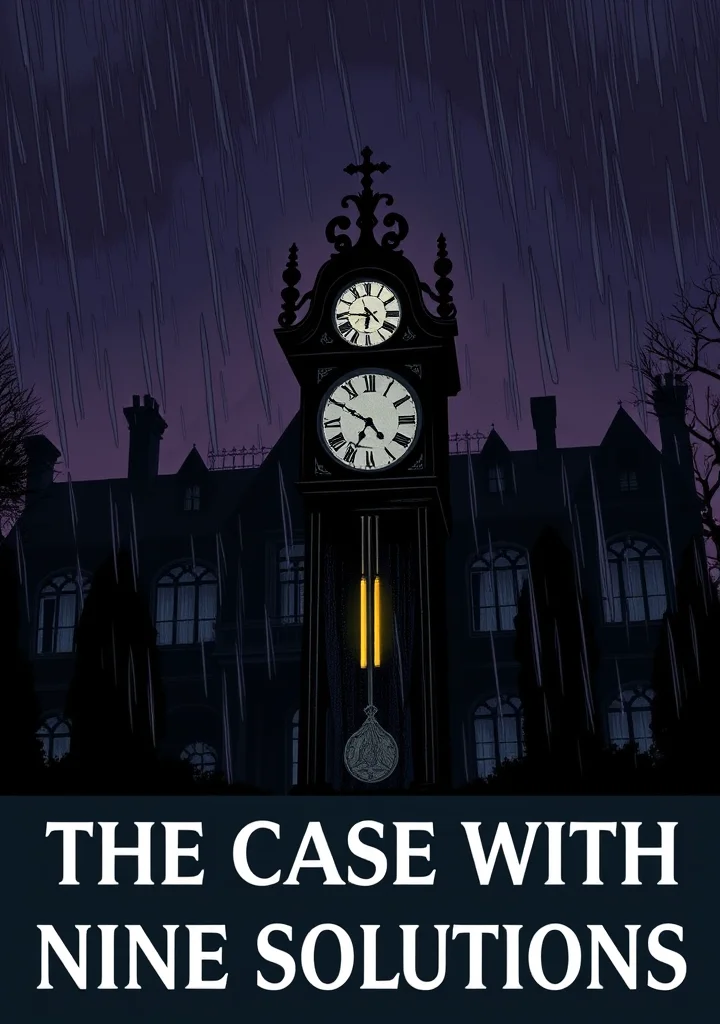
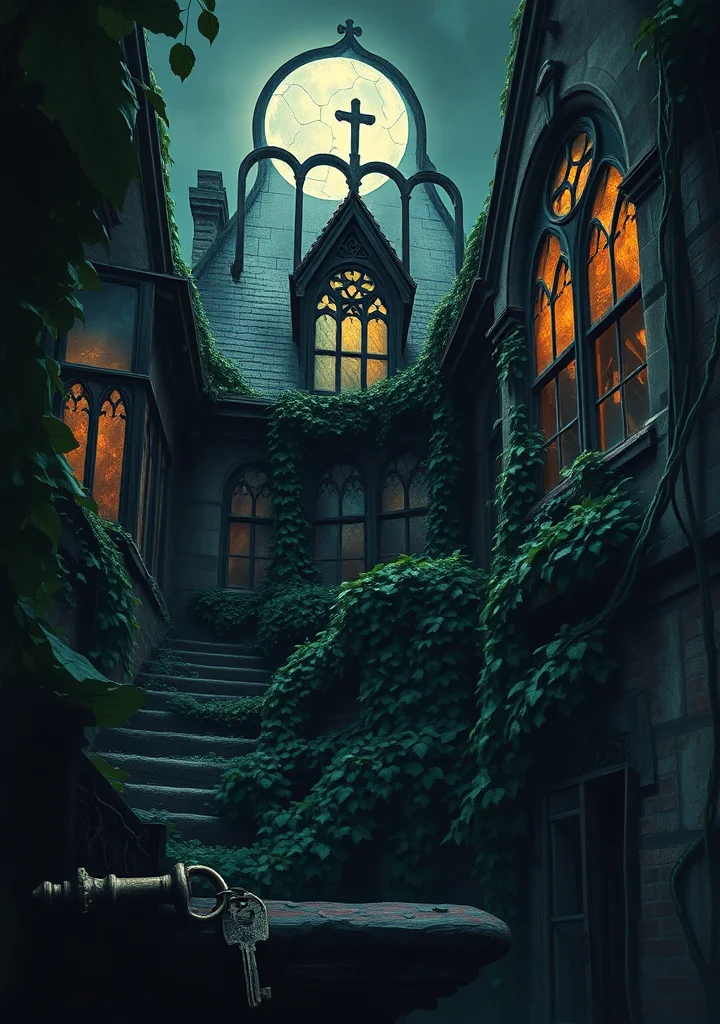
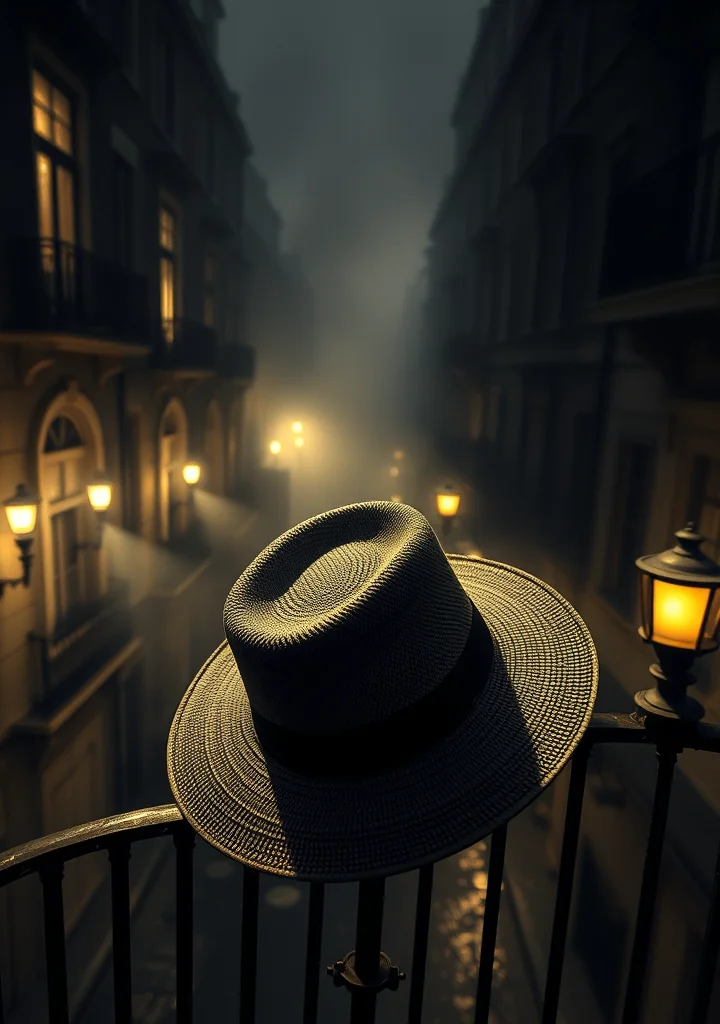
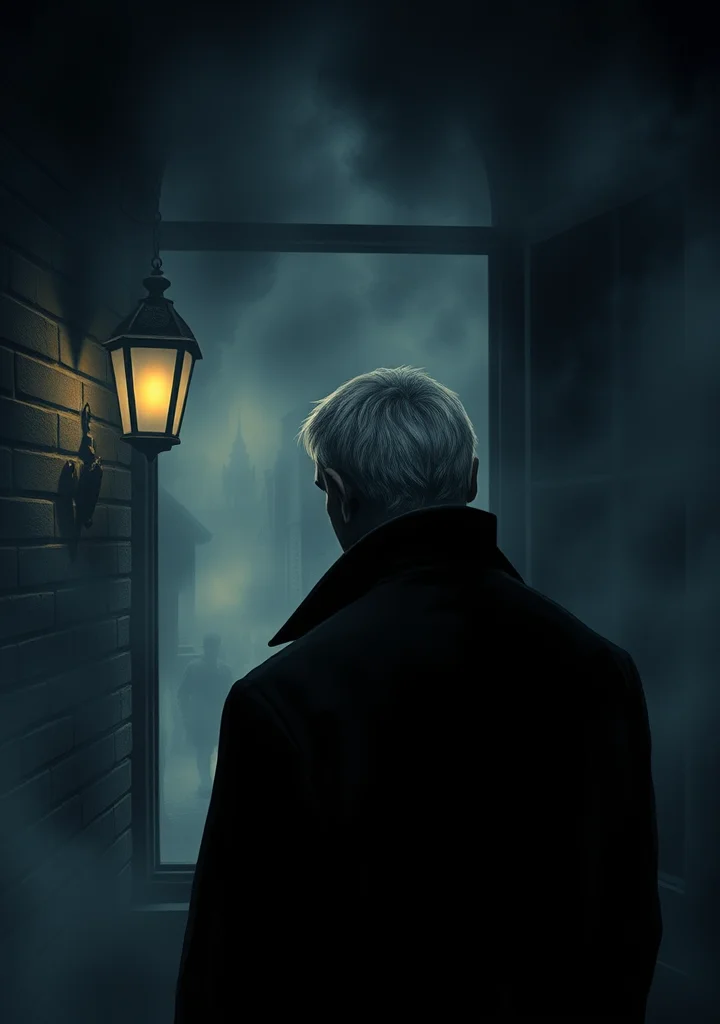
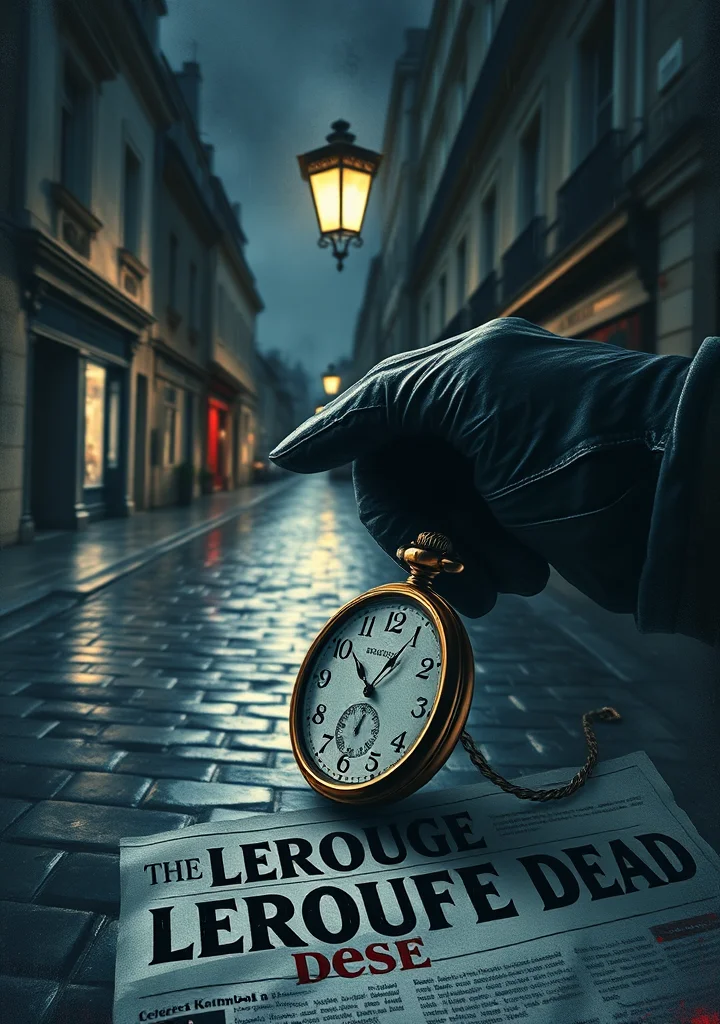
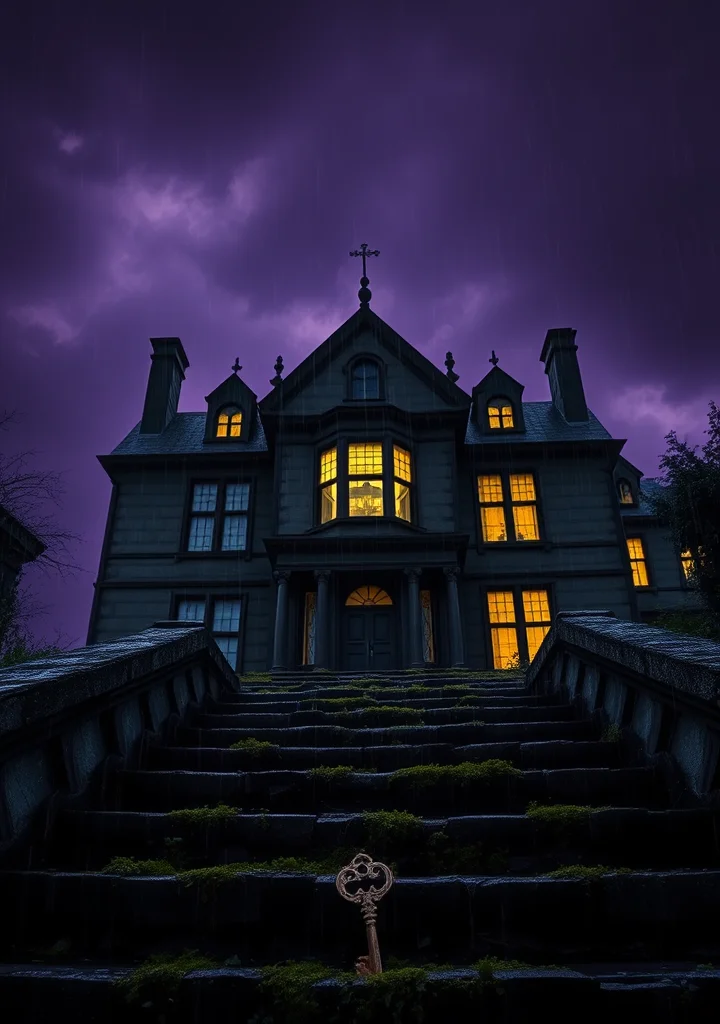
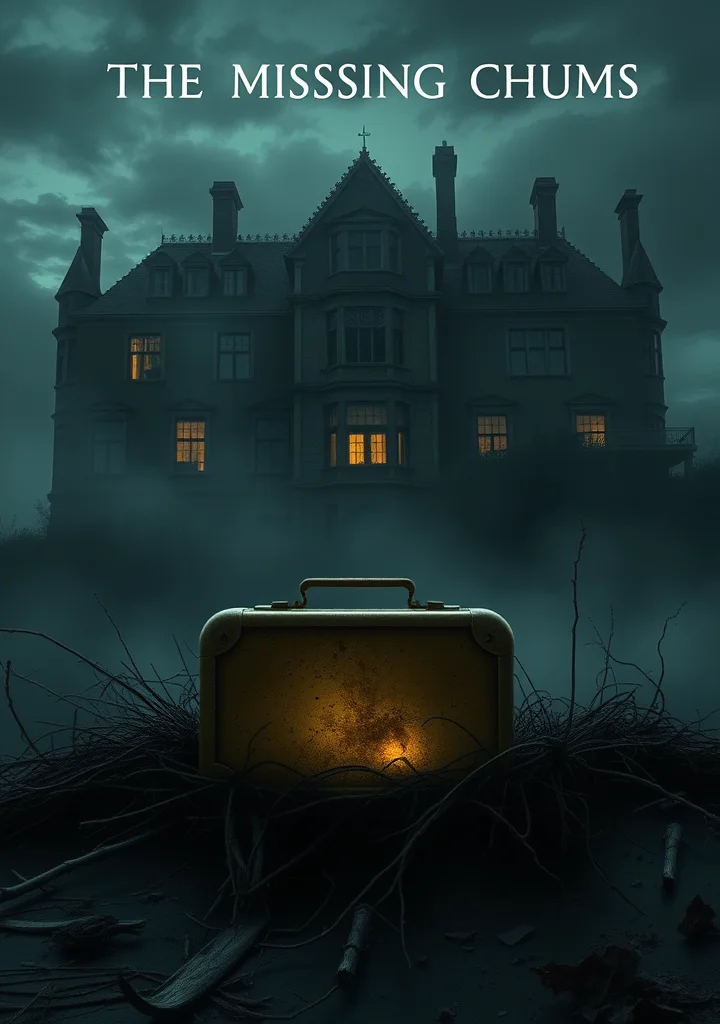
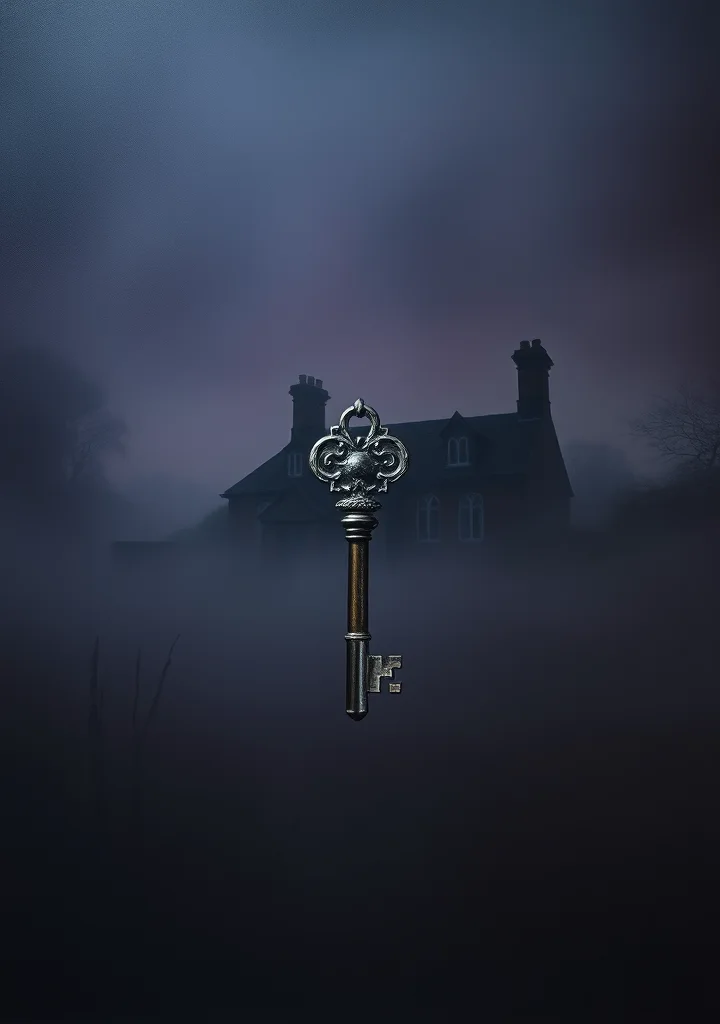
A creeping fog clings to the Essex marshes, mirroring the suffocating dread that tightens around the throat of Blackwood Grange. Inspector French is summoned not to solve a murder, but to unravel a phantom’s design – a meticulously crafted scheme born from the shadowed corners of a decaying estate. Every polished surface, every locked room, whispers of betrayal and a legacy steeped in avarice. The chill isn’t merely from the November air; it rises from the very stones of the Grange, a cold residue of ancient grudges and desperate men. The investigation unfolds like a slow bleed, each clue a shard of glass reflecting a fractured past. French navigates a labyrinth of red herrings, guided by the flickering lamplight and the weight of unspoken accusations. The scent of damp earth and brine mixes with the metallic tang of fear, as the truth, when it finally surfaces, will be as brittle and unforgiving as the winter frost that grips the desolate coastline. A silence, thicker than the fog, descends as the final, terrible piece falls into place, leaving a legacy of shattered lives and the echoing despair of a house built on secrets.
Copyright: Public Domain
This license allows anyone to use your story for any purpose, including printing, selling, or adapting it into a film freely.
This license allows anyone to use your story for any purpose, including printing, selling, or adapting it into a film freely.
More like this